Analyzing Every Style of Necklace Chains: 2026 Trends
Discover the defining style of necklace chains dominating 2026. We analyze gauges, alloys, and layering techniques for modern jewelry wardrobes.

The Evolution of Chain Aesthetics in 2026
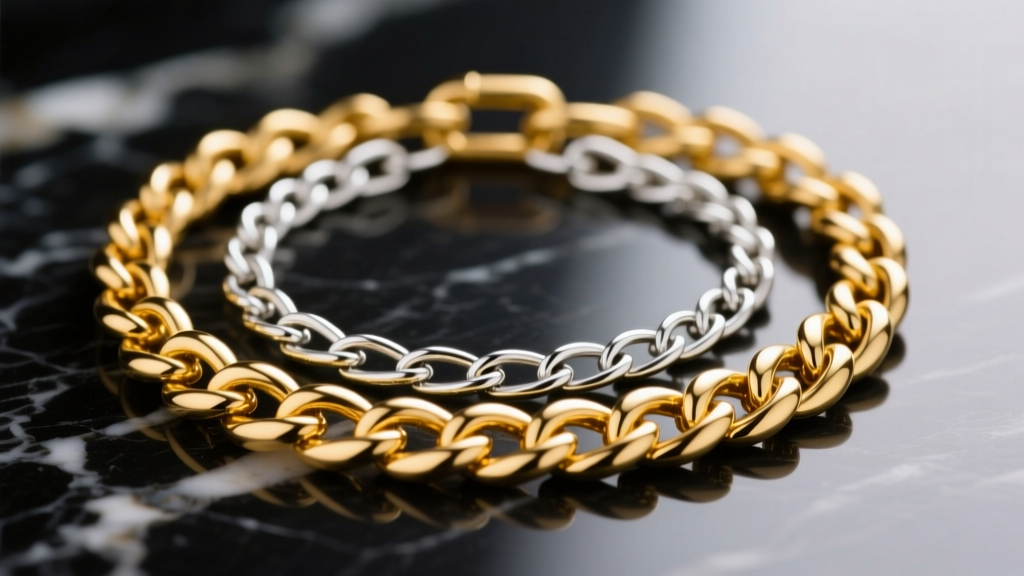
The jewelry landscape has shifted dramatically as we move through 2026, moving away from the ultra-delicate, barely-there layering trends of the early 2020s toward a more deliberate, structural approach to neckwear. When evaluating a specific style of necklace chains, modern collectors and stylists are no longer just looking at the visual profile; they are scrutinizing metallurgical integrity, tensile strength, and the architectural geometry of the links. Today's market demands pieces that bridge the gap between industrial durability and high-end luxury. Whether you are investing in a heavy statement piece or a foundational everyday layer, understanding the mechanics behind the metal is crucial.
This comprehensive trend analysis breaks down the dominant chain profiles, the material grades that ensure longevity, and the precise layering frameworks that define contemporary styling. We will also expose the common failure modes that plague poorly constructed chains, ensuring your next purchase is both a stylistic triumph and a lasting investment.
Metallurgy and Tensile Strength: What Actually Lasts
Before dissecting the visual profiles, we must address the foundation of any enduring piece: the alloy. According to the Gemological Institute of America (GIA), the purity of gold directly impacts its structural viability in chain form. Pure 24k gold is entirely unsuitable for chains due to its malleability; it will stretch and deform under the weight of even a modest pendant.
The 14k vs. 18k Debate for Chain Links
For chains measuring under 2.5mm in width, 14k gold (58.5% pure gold alloyed with copper, silver, and zinc) remains the undisputed champion of tensile strength. The higher concentration of alloy metals creates a rigid lattice structure that resists the micro-stretching that occurs when a chain is worn daily. Conversely, 18k gold (75% pure) offers a richer, warmer hue but is significantly softer. An 18k cable chain at 1.2mm thickness is highly prone to link elongation and eventual snapping. If you prefer the color of 18k gold, you must compensate by increasing the gauge to at least 3.0mm to ensure structural integrity.
For those seeking a contemporary, utilitarian aesthetic, 316L surgical stainless steel has seen a massive resurgence in 2026. It offers exceptional resistance to tarnish and corrosion, making it ideal for the thicker, industrial-style curb and Figaro chains that are currently dominating streetwear and high-fashion crossover spaces.
The 5 Dominant Chain Profiles This Year
The current market is defined by a juxtaposition of geometric precision and fluid, liquid-metal aesthetics. Here is the breakdown of the most sought-after styles.
1. The Flattened Diamond-Cut Cuban
The traditional Cuban link has been reimagined for 2026. Rather than the heavily rounded, bulky links of the past decade, the modern iteration is flattened and features precision diamond-cut facets on the top surface. This modification allows the chain to sit flush against the collarbone while maximizing light refraction. The ideal width for everyday wear is between 4mm and 6mm, providing enough visual weight without crossing into costume jewelry territory.
2. The Elongated Paperclip
The paperclip chain remains a staple, but the proportions have shifted. The 2026 standard features a strict 3:1 length-to-width ratio. However, this style of necklace chains presents a unique vulnerability: the elongated links can easily catch on clothing and bend if the wire gauge is too thin. Experts recommend a minimum wire thickness of 1.5mm for paperclip chains to prevent permanent deformation.
3. The Interlocking Box Chain
Box chains are experiencing a renaissance as the go-to foundation for heavy gemstone pendants. Because the links are square and interlock at flat planes, the weight of a pendant is distributed evenly across multiple links rather than concentrating on a single solder point. A 2.0mm to 3.0mm solid box chain in platinum or 14k white gold is the most secure housing for high-carat diamond solitaires.
4. The Woven Wheat (Spiga) Chain
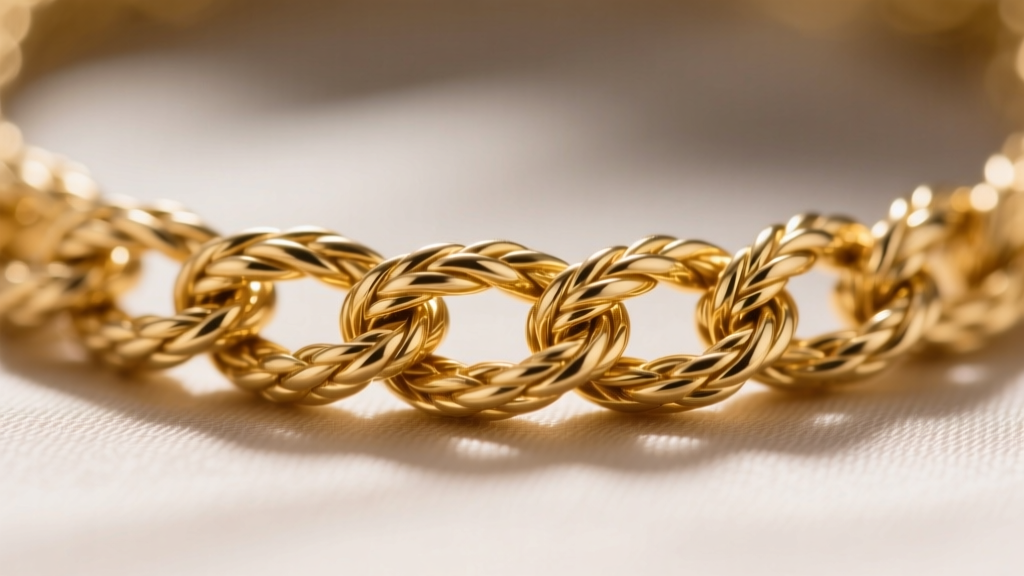
Constructed from four strands of oval links woven together in the same direction, the Wheat chain offers a fluid, rope-like appearance with exceptional durability. Because the links are tightly braided, they are virtually immune to kinking—a common death sentence for standard cable chains. It is the ultimate 'sleep-in' chain due to its smooth, hair-snag-free surface.
5. The Micro-Cable and Bead Hybrid
For the minimalist layering enthusiast, the micro-cable chain interspersed with tiny 2mm solid gold beads has become the defining texture of the year. It provides a subtle, granular sparkle that bridges the gap between a bare neckline and a full pendant setup.
Comparative Data: Gauge, Weight, and Price Metrics
To make an informed purchasing decision, one must understand the relationship between gauge, weight, and cost. The table below outlines the baseline metrics for solid 14k yellow gold chains in 2026.
| Chain Style | Ideal Gauge (Width) | Avg. Weight (20-inch) | Tensile Durability | Est. Price Range (USD) |
|---|---|---|---|---|
| Flattened Cuban | 4.0mm - 6.0mm | 18g - 32g | High | $1,200 - $2,400 |
| Paperclip | 1.5mm - 2.5mm | 4g - 9g | Medium | $350 - $750 |
| Solid Box | 2.0mm - 3.0mm | 12g - 22g | Very High | $800 - $1,600 |
| Wheat (Spiga) | 1.8mm - 3.0mm | 8g - 18g | Very High | $600 - $1,300 |
| Micro-Cable | 0.9mm - 1.2mm | 2g - 4g | Low | $150 - $280 |
Anatomy of Failure: Why Your Favorite Chain Snaps
Even the most beautiful style of necklace chains will fail if the engineering is flawed. Understanding failure modes is critical for long-term maintenance and purchasing decisions.
The Hollow Chain Deception
Many retail chains are manufactured using electroforming or a resin core to create a thick, voluminous look at a fraction of the solid gold weight. While visually impressive, hollow chains are a structural liability. Once a hollow link is crushed or dented, it cannot be repaired or soldered back to its original shape. The heat from a jeweler's torch will melt the internal resin or collapse the thin gold shell. Always verify that a chain is 'solid' before purchasing widths over 5mm.
Clasp Mechanics: Spring Ring vs. Lobster
The clasp is the most common point of failure. The traditional spring ring clasp relies on a tiny, fragile internal coil spring that inevitably fatigues and fails to close completely over time, leading to lost chains. For any chain exceeding 10 grams, a solid lobster claw clasp or a mechanical box clasp with a secondary figure-eight safety catch is mandatory. Industry data highlighted by JCK Magazine consistently points to clasp failure as the number one reason consumers bring chains in for repair.
Soldered vs. Unsoldered Links
In cable and curb chains, the integrity of the solder joint on every individual link dictates the chain's lifespan. Unsoldered links (where the wire is simply bent closed) will eventually pull apart under the friction of daily wear. Always inspect the links under a loupe to ensure the seams are seamlessly soldered.
Expert Layering Frameworks for Mixed Metals
The 2026 approach to layering is less about chaotic accumulation and more about calculated mathematical spacing. The golden rule of contemporary layering is the 3-Inch Drop Framework.
'To prevent tangling and ensure each chain profile is visually distinct, maintain a strict minimum 3-inch variance in length between layers. A 16-inch choker, a 19-inch princess, and a 22-inch matinee create a cascading effect that respects the geometry of the collarbone and sternum.'
Furthermore, mixing metal colors has evolved from a fashion faux pas to a curated styling technique. Pairing a warm 14k yellow gold Cuban link at 19 inches with a cool platinum or white gold micro-cable at 16 inches creates a dynamic contrast that highlights the distinct textures of each metal. When layering, always place the heaviest, widest chain at the longest length to anchor the visual weight, and use the shortest layer for delicate, light-reflecting textures.
Final Verdict on Chain Selection
Choosing the right style of necklace chains in 2026 requires looking past the initial aesthetic and evaluating the piece as a feat of micro-engineering. Prioritize 14k gold or platinum for chains under 3mm to guarantee tensile strength, demand solid construction over hollow volume, and always upgrade your clasp hardware. By focusing on structural integrity and deliberate layering mathematics, you build a jewelry wardrobe that not only captures the current zeitgeist but endures for decades.


