How to Style a Plastic Chain Necklace Without Looking Cheap
Learn how to choose, style, and care for a plastic chain necklace. Discover premium acrylics, hardware tips, and neckline pairings in our beginner guide.


The jewelry landscape has shifted dramatically over the last decade, moving away from an exclusive reliance on precious metals and stones to embrace innovative, unconventional materials. At the forefront of this modern renaissance is the plastic chain necklace. Once relegated to cheap festival accessories or children's jewelry, synthetic chains have been reclaimed by high-fashion runways and independent designers alike. However, the line between a striking, avant-garde statement piece and a flimsy, cheap-looking accessory is remarkably thin. For beginners looking to experiment with bold colors, oversized proportions, and lightweight comfort, understanding the nuances of synthetic polymers is essential.
When you shop for a plastic chain necklace in 2026, you are not just buying a color; you are investing in a specific chemical composition, manufacturing process, and hardware pairing. According to the International Gem Society, the use of synthetics in jewelry requires a distinct approach to both wearability and preservation compared to traditional metals. This guide will break down exactly how to identify premium plastics, pair them with the right hardware, and style them flawlessly.
Decoding Polymers: PVC vs. Cast Acrylic vs. Lucite
Not all plastics are created equal. The biggest mistake beginners make is assuming that every non-metal chain is made from the same material. The manufacturing method dictates the weight, optical clarity, and longevity of the piece. Cheap, mass-market necklaces are typically injection-molded from PVC (polyvinyl chloride). You can spot these by looking for 'gate marks'—tiny, rough nubs on the edges of the links where the molten plastic was injected into the mold. These links are lightweight, brittle, and prone to snapping under pressure.
On the other end of the spectrum is hand-cast acrylic and CNC-milled Lucite. As noted by BBC Culture in their retrospective on synthetic jewelry, high-grade polymers offer an optical depth and weight that mimics natural materials like amber, tortoiseshell, and jade. Premium plastic chains are cut from solid blocks of cured resin, meaning the links are seamless, heavily polished, and possess a satisfying, substantial drape against the collarbone.
| Material Type | Manufacturing Method | Weight & Drape | UV & Scratch Resistance | Price Range |
|---|---|---|---|---|
| Injection PVC | Machine Molded | Very Light, Stiff | Poor (Yellows quickly) | $5 - $25 |
| Cast Acrylic | Poured & Hand-Polished | Medium, Fluid | Moderate (Can scratch) | $40 - $120 |
| CNC Lucite | Milled from Solid Block | Heavy, Excellent | High (Optical clarity) | $150 - $400+ |
| Bio-Resin | Plant-based Casting | Light to Medium | Low (Heat sensitive) | $60 - $180 |
Hardware and Structural Integrity
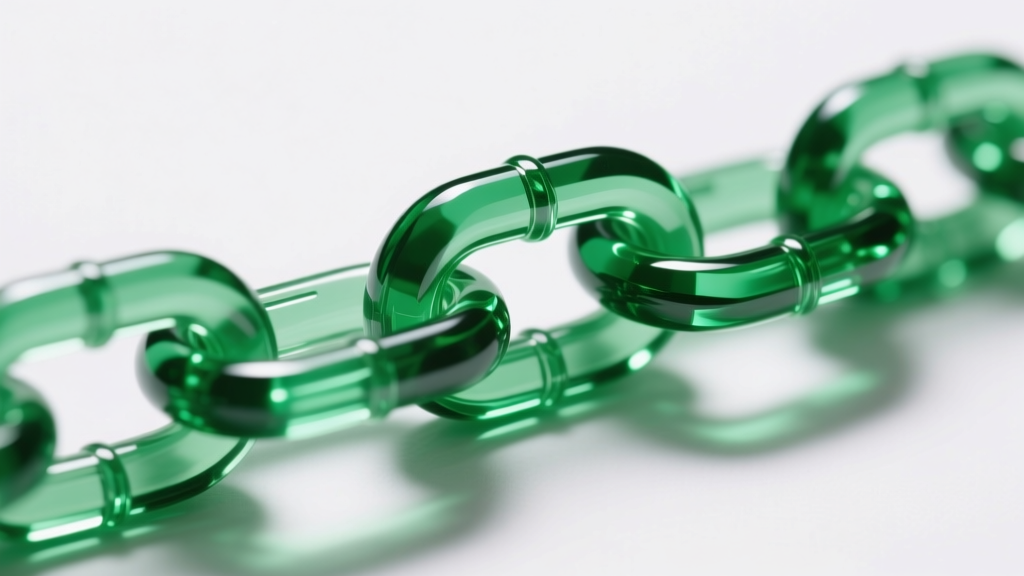
A common beginner mistake is focusing entirely on the plastic links while ignoring the metal hardware. A plastic chain necklace is only as strong as its weakest metal jump ring. Because premium acrylic and Lucite links are dense and heavy, they require robust metal connectors. If a designer uses flimsy, base-metal alloy clasps or thin 22-gauge jump rings on a chunky 25mm acrylic curb chain, the metal will inevitably warp, and the necklace will break.
When evaluating a piece, look for the following hardware specifications:
- Jump Ring Gauge: For oversized link chains (15mm and above), the metal jump rings connecting the links and the clasp should be at least 16-gauge (1.2mm thick) to support the polymer's weight.
- Clasp Material: Opt for 316L surgical stainless steel or solid brass. These metals resist tarnish and will not react chemically with the synthetic links over time.
- Clasp Style: Heavy Lucite chains pair best with a sturdy lobster clasp or a custom-milled acrylic toggle. Avoid delicate spring-ring clasps, which are impossible to operate with one hand when weighed down by heavy plastic.
Neckline Pairing Framework
Styling synthetic materials requires a strategic approach to proportion and color theory. Because plastic lacks the intrinsic monetary value of gold or silver, its value lies entirely in its sculptural quality and color impact. Here is how to pair your plastic chain necklace with specific necklines to elevate your outfit.
Crew Necks and Turtlenecks
When wearing high-necked garments, you need a chain that provides stark visual contrast. A translucent, brightly colored acrylic chain (like cobalt blue or neon orange) layered over a neutral, dark turtleneck creates a striking, modernist aesthetic. For crew necks, opt for a shorter, choker-length plastic chain (14 to 16 inches) with flat links, such as a curb or Cuban style, so the necklace lays flush against the fabric without tangling.
V-Necks and Scoop Necks
Lower necklines offer a canvas for longer, heavier statement pieces. A 20-to-24-inch plastic paperclip chain in a translucent tortoiseshell or amber hue mimics the look of vintage resin jewelry. The V-shape of the neckline naturally draws the eye downward, perfectly framing a large, oversized acrylic link chain. Ensure the links are hollowed or beveled if the chain exceeds 24 inches, as the cumulative weight of solid Lucite can cause neck strain over several hours of wear.
Cleaning and Preservation Protocols
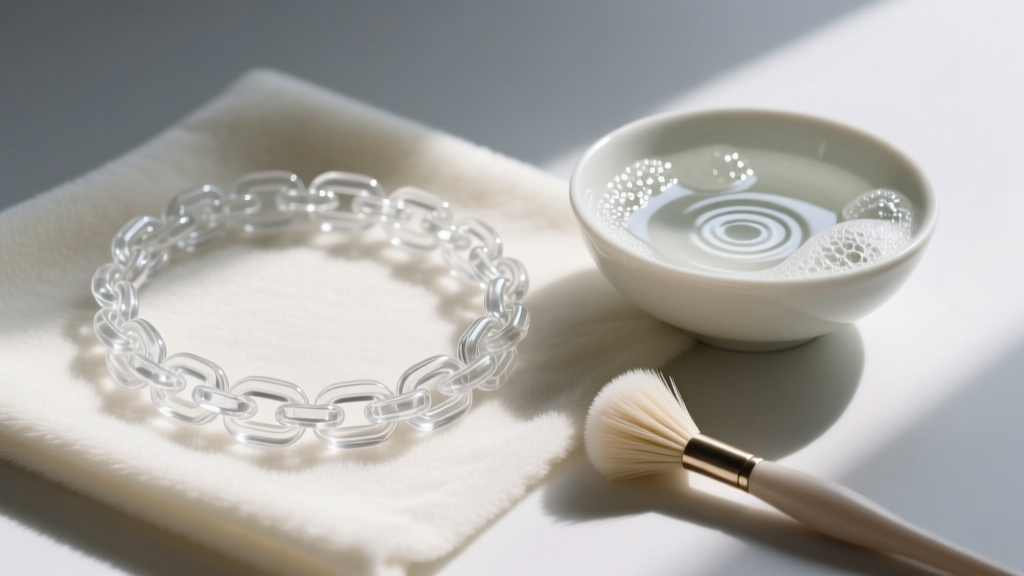
The most critical aspect of owning a plastic chain necklace is understanding what not to do. Unlike silver or gold, synthetic polymers are highly reactive to common household chemicals. The most frequent cause of ruined acrylic jewelry is 'crazing'—a network of microscopic fractures that cloud the plastic, making it look permanently foggy and brittle. Crazing is almost always caused by exposure to alcohol, acetone, or ammonia-based cleaners.
To maintain the optical clarity and structural integrity of your synthetic chains, follow this strict maintenance protocol:
- Dust Removal: Always wipe the chain with a clean, dry microfiber cloth before introducing any moisture. Dust particles trapped on the surface can act like sandpaper, scratching the acrylic during the washing process.
- The Safe Wash: Mix a few drops of pH-neutral dish soap (like Dawn) into a bowl of lukewarm water. Never use hot water, as extreme heat can warp the shape of the links.
- Gentle Agitation: Submerge the necklace and gently agitate it with your fingers or a baby-hair soft brush. Focus on the crevices where the metal jump rings meet the plastic.
- Drying: Rinse with cool distilled water to prevent hard water spots, then immediately pat dry with a lint-free towel. Allow it to air dry completely in a shaded area before storing.
Pro-Tip on Storage: Even high-grade Lucite with UV stabilizers will eventually yellow if left in direct sunlight. Always store your plastic chain necklaces in a dark, climate-controlled jewelry box, ideally separated from metal chains that could scratch the polymer surface.
Final Thoughts on Synthetic Styling
Embracing a plastic chain necklace is about celebrating bold design, architectural shapes, and unapologetic color. By prioritizing cast acrylics over injection-molded PVC, demanding heavy-duty metal hardware, and adhering to strict, alcohol-free cleaning protocols, you can ensure your synthetic jewelry remains a vibrant, high-fashion staple in your wardrobe for years to come. The key to pulling off unconventional materials is confidence, backed by an understanding of the craftsmanship that goes into making them.


