How to Style a Sculptural Klaus Necklace: A Step-by-Step Guide
Learn how to style, layer, and maintain a bold Klaus necklace. Our step-by-step guide covers necklines, metal care, and balancing sculptural pendants.

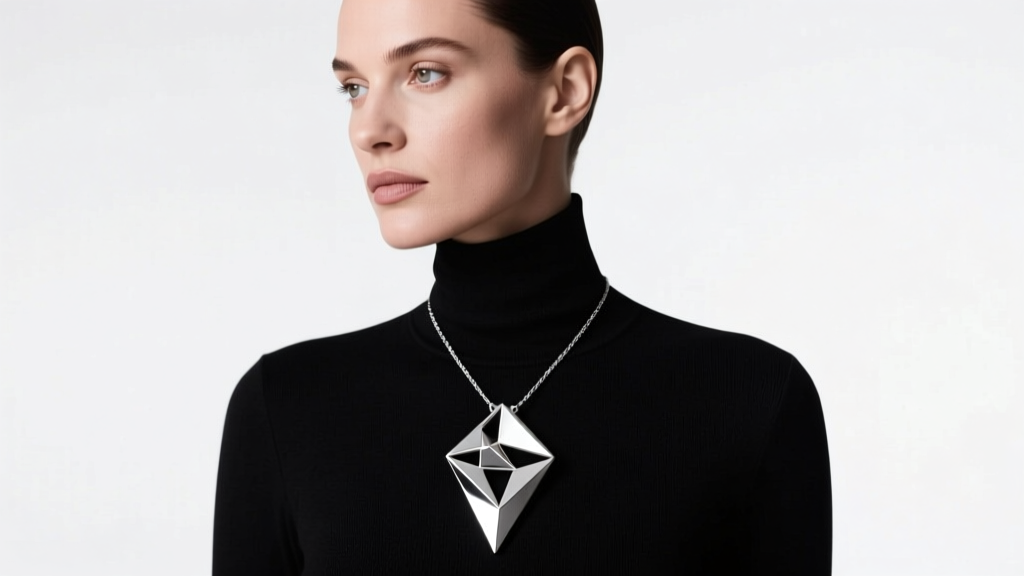
The Architecture of the Klaus Necklace
The Klaus necklace is not merely an accessory; it is a masterclass in wearable art. Characterized by heavy-gauge metals, kinetic hinges, and brutalist or geometric motifs, this style traces its design lineage back to mid-century European metalworkers and contemporary artisan sculptors. As we navigate the jewelry trends of 2026, the appetite for substantial, conversation-starting metalwork has surged. However, wearing a piece with this much visual and physical weight requires a strategic approach to styling, hardware selection, and garment pairing.
Unlike delicate chains that blend into the skin, a true Klaus-style pendant acts as the undisputed focal point of your silhouette. Whether you are working with a vintage kinetic piece or a modern brutalist interpretation, this step-by-step guide will teach you how to curate, wear, and maintain your sculptural necklace with expert precision.
Step 1: Engineering the Suspension (Chain and Hardware)
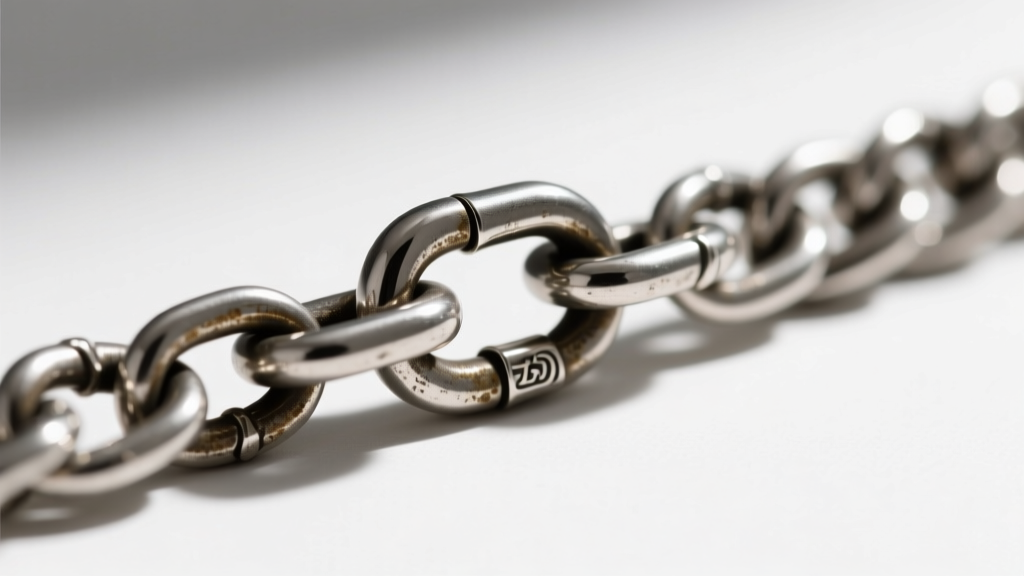
The most common mistake collectors make with heavy artisan pendants is pairing them with inadequate chains. A genuine Klaus necklace pendant typically weighs between 40 and 85 grams. Standard 1.0mm or 1.5mm chains will not only snap under the dynamic load of daily movement but will also visually clash with the pendant's substantial proportions.
Selecting the Right Gauge and Clasp
To properly support a 50g+ pendant, you must upgrade your suspension system. Here are the exact specifications you need:
- Chain Gauge: Opt for a 3.0mm to 4.5mm rope, box, or wheat chain. These weaves distribute weight evenly and resist kinking.
- Bail Dimensions: Ensure the chain thickness leaves at least 1mm of clearance inside the pendant's bail to prevent metal-on-metal friction wear.
- Clasp Engineering: Standard lobster or trigger clasps are prone to failure under heavy tensile stress. Upgrade to a forged S-clasp, a heavy-duty toggle, or a neodymium magnetic lock equipped with a secondary safety catch.
Step 2: Matching Necklines to Sculptural Pendants
The structural integrity of your clothing must match the visual weight of your jewelry. Delicate fabrics like chiffon or thin silk will pull, sag, and distort when burdened by a heavy silver or gold Klaus pendant. Instead, look for fabrics with high tensile strength and structural drape, such as heavy-weight cotton, ribbed wool, denim, or structured crepe.
The Neckline Pairing Matrix
Use the table below to determine the ideal chain length and pendant scale for your most common necklines.
| Neckline Style | Ideal Chain Length | Pendant Scale | Recommended Fabric |
|---|---|---|---|
| Crew Neck | 18 - 20 inches | 2.0 - 3.0 inches | Heavy cotton, structured wool |
| Deep V-Neck | 22 - 24 inches | 3.0 - 4.0 inches | Crepe, heavy rayon, denim |
| Turtleneck | 24 - 28 inches | 4.0+ inches (Bold) | Ribbed knit, cashmere |
| Collared Shirt | 16 - 18 inches | 1.5 - 2.0 inches | Oxford cloth, poplin |
When wearing a turtleneck, the fabric acts as a blank canvas, allowing the intricate, shadow-catching crevices of a Klaus pendant to truly pop. Conversely, a deep V-neck requires a longer drop to ensure the pendant rests against the skin rather than getting lost in the fabric's hem.
Step 3: The Art of the Anchor Layer
Layering a heavy, sculptural piece can easily cross the line from 'curated' to 'cluttered.' The secret to mastering the Klaus necklace in a layered stack is to treat it as the undisputed anchor piece. In 2026, the 'Rule of Thirds' dominates jewelry stacking, ensuring each piece occupies its own distinct visual zone.
Building the Stack
- The Base (14-16 inches): Start with a delicate, minimalist choker or a simple 14k gold snake chain. This frames the collarbone without competing for attention.
- The Anchor (20-24 inches): This is where your Klaus necklace lives. Its heavy gauge and complex geometry will naturally draw the eye downward.
- The Terminator (28-32 inches): Finish with a lightweight, elongated lariat or a simple bead strand. This creates a vertical line that elongates the torso.
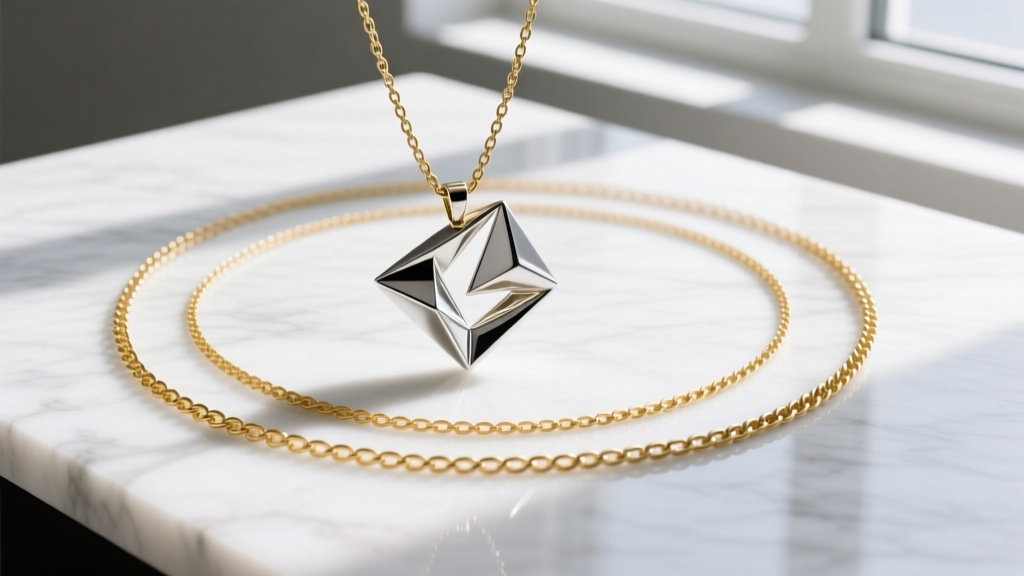
Pro Tip: Do not be afraid to mix metals. An oxidized sterling silver Klaus pendant layered with warm, polished 14k yellow gold chains creates a striking, high-contrast aesthetic that highlights the pendant's artisan craftsmanship.
Step 4: Identifying Authentic Artisan Metalwork
As the demand for brutalist and sculptural jewelry grows, so does the market for hollow-cast imitations. When investing in a Klaus necklace, you must know how to verify its structural integrity and authenticity.
- Weight-to-Volume Ratio: Authentic artisan pieces are typically solid cast or hand-fabricated from sheet metal. They should feel surprisingly heavy and dense in the palm of your hand. Hollow electroformed pieces will feel suspiciously light and may dent under minor pressure.
- Hand-Chased Details: Examine the recessed areas of the pendant under a jeweler's loupe. Genuine Klaus-style metalwork will show microscopic tool marks, file lines, and slight asymmetries that indicate hand-finishing. Machine-milled replicas will look overly uniform and sterile.
- Hallmarks: Look for the '925' stamp alongside the maker's mark, usually located on the back of the bail or the edge of the pendant.
Step 5: Preserving the Patina and Finish
The dramatic, high-contrast look of a Klaus necklace is usually achieved through chemical oxidation. Artisans apply liver of sulfur to the sterling silver, turning the entire piece black, and then hand-polish only the high-relief areas to reveal the bright silver beneath. This creates deep, moody shadows in the sculptural crevices.
Cleaning a piece with this type of finish requires extreme care. According to the Gemological Institute of America (GIA), abrasive polishes and ultrasonic cleaners are the enemies of oxidized silver. An ultrasonic bath will vibrate the dark patina right out of the crevices, leaving you with a flat, uniformly bright piece that has lost its sculptural depth.
Step-by-Step Cleaning Protocol
- Dry Dusting: Use a clean, soft horsehair brush to gently sweep away dust and skin oils from the deep crevices of the pendant.
- Targeted Washing: Mix a few drops of pH-neutral dish soap in lukewarm water. Dip a soft cotton swab (not a brush) into the solution and gently clean only the raised, polished areas of the metal.
- Rinsing and Drying: Rinse briefly under a gentle stream of distilled water. Pat dry immediately with a microfiber cloth. Never let water air-dry on oxidized silver, as it can cause spotting.
- Storage: Store your Klaus necklace in an anti-tarnish flannel pouch. As noted by Vogue's jewelry care experts, keeping heavy silver pieces isolated prevents them from scratching softer gold chains or gemstone jewelry in your vault.
Final Thoughts on Sculptural Styling
Wearing a Klaus necklace is an exercise in confidence and curation. By respecting the physics of heavy metalwork, pairing it with structurally sound garments, and meticulously preserving its hand-applied patina, you ensure that your artisan pendant remains a breathtaking focal point for decades to come. Treat your jewelry not just as an adornment, but as a piece of kinetic sculpture that moves with you.


