How to Style a Stella and Dot Triangle Lariat Necklace
Master the art of styling your Stella and Dot triangle lariat necklace. Learn adjustment hacks, neckline pairings, and layering techniques.

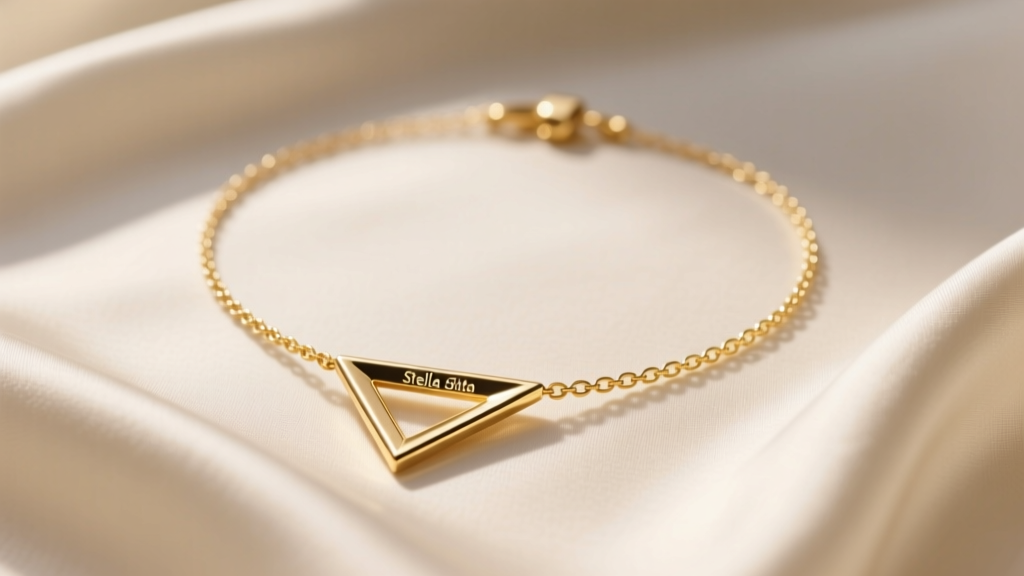
The Stella and Dot triangle lariat necklace has cemented itself as a staple in modern jewelry boxes, bridging the gap between minimalist geometry and bohemian fluidity. As we navigate the styling landscape of 2026, the demand for modular, adjustable pieces that transition seamlessly from boardroom presentations to evening dinners is at an all-time high. However, owning this versatile piece is only half the equation; mastering its mechanics, understanding its metallurgy, and knowing how to manipulate its drop length are what separate amateur wearers from true style connoisseurs.
This comprehensive, step-by-step guide will walk you through the exact techniques required to adjust, layer, and care for your lariat, ensuring it remains a cornerstone of your wardrobe for years to come.
The Anatomy and Metallurgy of Your Lariat
Before attempting to adjust or layer your necklace, it is crucial to understand the engineering beneath the aesthetic. The classic Stella and Dot triangle lariat is typically constructed from a brass base metal, chosen for its malleability and weight, which allows the geometric triangle slide to hang perfectly plumb without flipping.
Chain Gauge and Tension Mechanics
The chain itself is usually a 1.2mm to 1.5mm cable link. This specific gauge is engineered to be delicate enough for a feminine drape but robust enough to withstand the friction of the sliding mechanism. The triangle motif is not merely a hollow bead; it houses a micro-silicone O-ring or a specialized tension spring. This internal grip is what holds the Y-shape in place against gravity. Understanding this friction-fit mechanism is vital, as improper handling is the number one cause of chain stretching and slider degradation in lariat-style necklaces.
Step-by-Step: Adjusting the Triangle Slide Without Damage
The most common failure mode for lariat necklaces is the permanent stretching of the chain links or the wearing out of the internal silicone grip. This occurs when the wearer pulls the chain to adjust the drop length. To preserve the structural integrity of your Stella and Dot piece, follow this exact adjustment protocol:
- Drape and Locate: Unclasp the lobster claw and drape the necklace around your neck. Let the triangle slide rest at the lowest natural point of the chain.
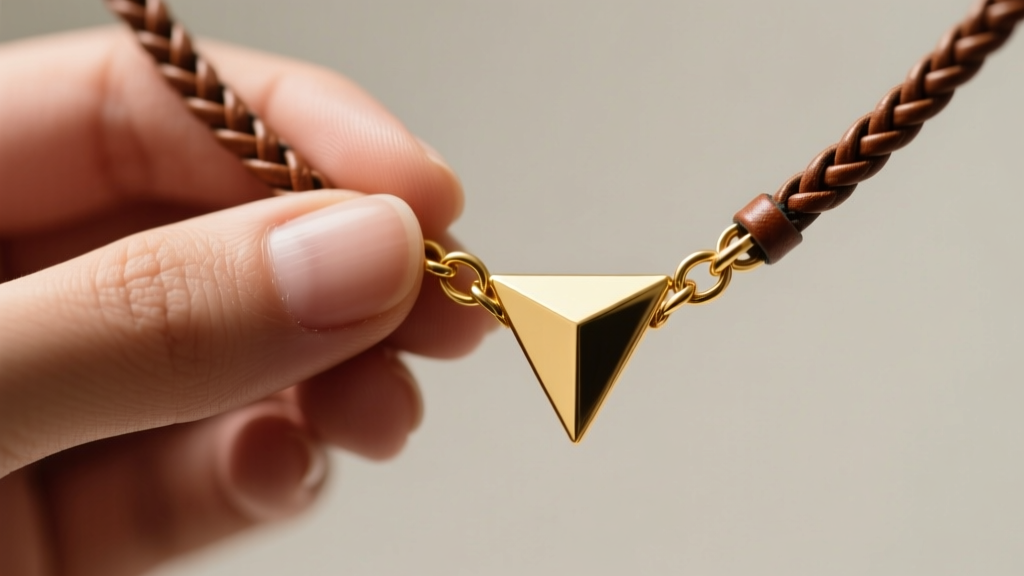
- The Pinch Technique: Using your thumb and index finger of your dominant hand, firmly pinch the triangle slide itself, not the chain. You should feel the solid brass base beneath the plating.
- Guide, Don't Pull: With your opposite hand, gently guide the loose end of the chain upward through the slide. Never yank the chain from the bottom, as this creates micro-abrasions on the gold plating and stretches the 1.2mm links into oval shapes.
- Set the Drop: Adjust the triangle to your desired sternum height. Ensure the chain is not twisted inside the silicone grip, which can cause uneven wear and a crooked drape.
The 2026 Neckline Pairing Matrix
A lariat necklace thrives on negative space. The vertical line created by the drop elongates the neck and torso, but its impact is entirely dependent on the neckline of your garment. According to InStyle's neckline pairing advice, aligning the geometric slide with the architectural lines of your clothing creates a cohesive, intentional look.
| Neckline Type | Slider Position | Drop Length | Styling Objective |
|---|---|---|---|
| Deep V-Neck | Lower Sternum | 3.5 - 4 inches | Mimic and extend the V-shape of the garment for a slimming, elongated silhouette. |
| Crew / Scoop | Collarbone Hollow | 1.5 - 2 inches | Break up the horizontal line of the neckline, adding a focal point without overwhelming the chest. |
| Button-Down (Unbuttoned) | Mid-Sternum | 2.5 - 3 inches | Anchor the open lapels; the triangle acts as a visual stopper that keeps the look polished. |
| Boatneck / Off-Shoulder | Shortened to Choker | 0.5 inches (or tucked) | Contrast the wide horizontal shoulder line with a tight, high vertical accent. |
| Chunky Turtleneck | Over the Fabric | 4+ inches | Provide a metallic contrast against heavy winter knits, ensuring the chain rests flat against the ribbing. |
Advanced Layering: The Rule of Thirds
Asymmetrical and modular layering continues to dominate 2026 jewelry trends. The triangle lariat is an exceptional anchor piece for a multi-chain stack, provided you respect the 'Rule of Thirds' in visual spacing. Vogue's layering guidelines emphasize that successful stacks require distinct variations in weight, texture, and length to prevent tangling and visual clutter.
Building the Perfect Stack
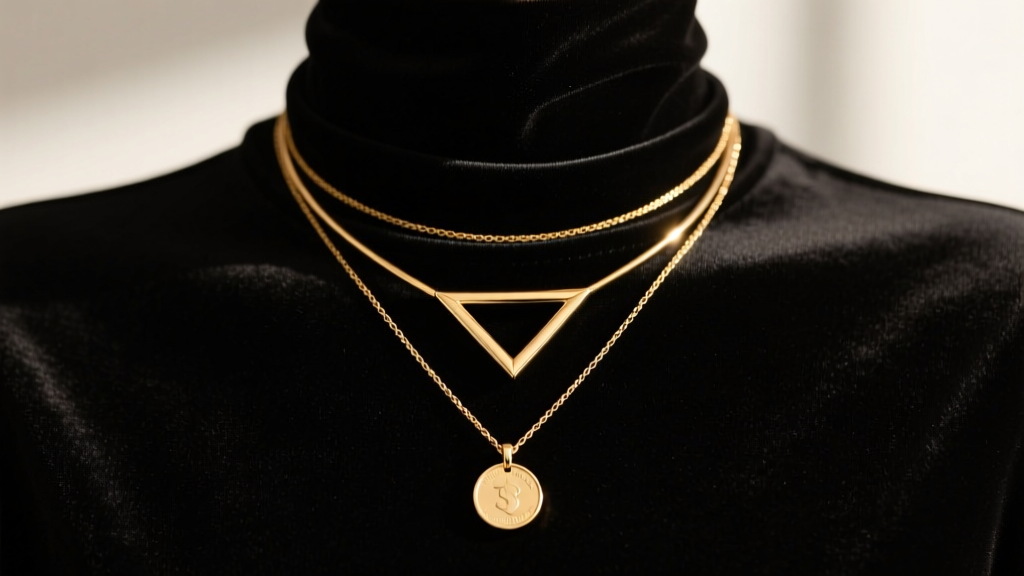
- The Anchor (14-15 inches): Start with a lightweight, 1mm snake chain or a simple pearl choker. This frames the face and sits above the collarbone.
- The Focal Point (18-20 inches): Your Stella and Dot triangle lariat sits here. Adjust the slider so the triangle rests exactly two inches below your anchor chain. The Y-shape naturally draws the eye downward, bridging the gap between the shorter and longer pieces.
- The Terminator (24-26 inches): Finish with a heavier, textured chain—such as a 3mm paperclip or rope chain—featuring a solid coin or bar pendant. The weight of this bottom layer ensures it won't tangle with the delicate cable links of the lariat.
When layering gold-plated brass pieces with sterling silver or solid gold, be mindful of galvanic reactions. While rare in dry conditions, prolonged skin contact with mixed metals in high humidity can accelerate the tarnishing of the brass base if the plating is compromised.
Care, Cleaning, and Preservation
Fashion jewelry of this caliber relies on a thick layer of gold-tone plating over a brass core. To maintain the lustrous finish and prevent the dreaded 'green skin' effect caused by oxidized brass, a strict maintenance routine is required. Following GIA's metal care recommendations for plated alloys, you must protect the piece from chemical degradation.
The 'Last On, First Off' Rule
Always apply your perfumes, hairsprays, and lotions before putting on your lariat necklace. Alcohol and volatile organic compounds (VOCs) found in fragrances can strip the protective e-coating and dull the gold plating over time. When undressing, the lariat should be the first item you remove to prevent it from snagging on heavy fabrics or being exposed to makeup removers.
Proper Storage and Polishing
Never store your lariat in a humid bathroom or a communal jewelry box where it can scratch against harder gemstones. Instead, hang it from a dedicated jewelry stand or lay it completely flat in a lined drawer. Hanging is generally preferred for lariats, as it prevents the cable chain from developing 'memory kinks'—permanent bends that occur when delicate chains are left crumpled.
For cleaning, avoid liquid jewelry dips and ultrasonic cleaners, which will instantly strip the plating. Instead, use a dry, untreated microfiber cloth to gently buff away skin oils and environmental dust after every third wear. If the brass begins to show through at the high-friction points near the triangle slide, a professional jeweler can apply a fresh layer of PVD (Physical Vapor Deposition) coating, restoring the piece to its original 2026 brilliance.


