The Beginner's Guide to Styling a 16 Inch Necklace
Discover how to measure, style, and layer a 16 inch necklace. Learn the best necklines, pendant sizes, and chain types for this classic collarbone length.

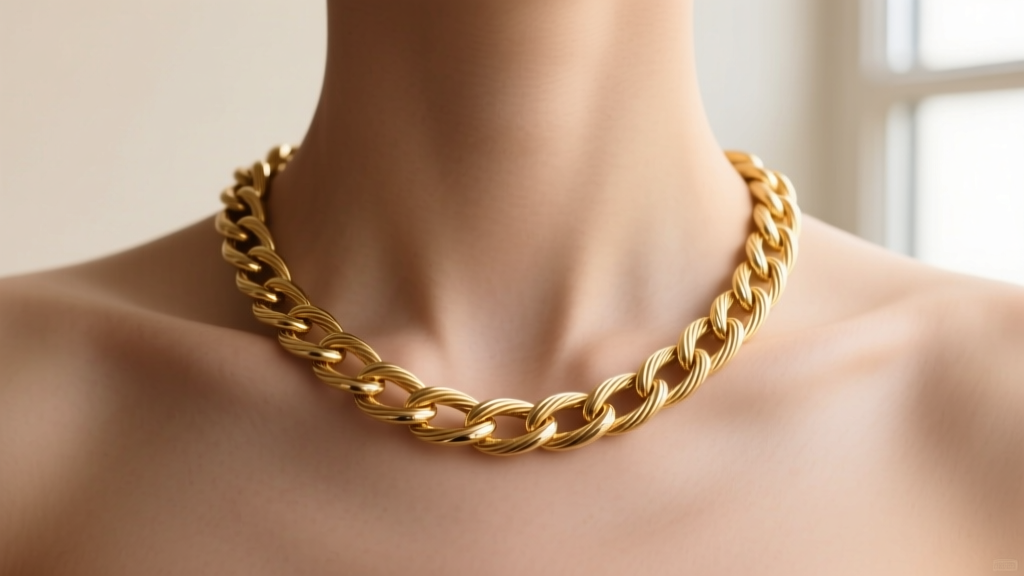
What Exactly is a 16-Inch Necklace?
In the jewelry industry, necklace lengths are strictly categorized by where they rest on the human body. A 16 inch necklace is universally classified as a "choker" or "collar" length for women, designed to sit perfectly on or just above the collarbone (the clavicle). For men, a 16-inch chain is exceptionally tight and generally functions as a true neck choker, often requiring custom sizing or extender chains for comfort.
This specific length is a cornerstone of everyday jewelry because of its versatility. It frames the face without dipping into the neckline of most standard shirts, making it the ideal baseline for both standalone wear and complex layering stacks. According to Blue Nile's comprehensive necklace length guide, the 16-inch mark is the most popular default length for diamond solitaire pendants and delicate everyday chains because it guarantees visibility regardless of the wearer's outfit.
How to Measure for the Perfect 16-Inch Fit
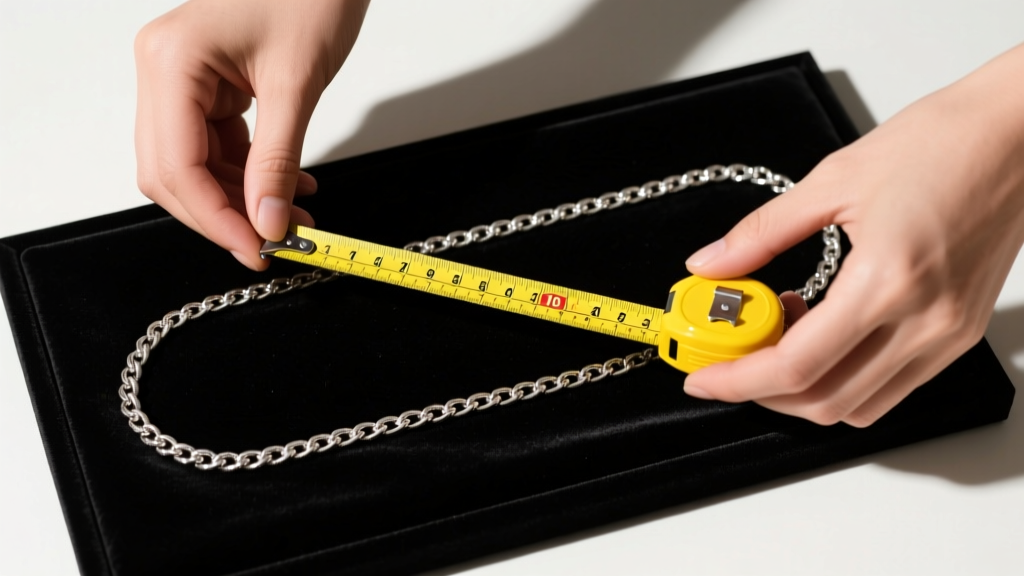
While 16 inches is a standard manufacturing length, human neck circumferences vary wildly. A 16-inch chain might sit loosely on the collarbone of someone with a 13-inch neck circumference, but it might feel like a restrictive choker on someone with a 15-inch neck. Here is how to accurately map a 16-inch necklace to your unique anatomy before purchasing.
The String and Ruler Method
- Cut a piece of non-stretchable string or dental floss to exactly 16 inches.
- Fasten it around your neck using a piece of tape or by holding the ends together at the nape of your neck.
- Observe where the string falls in the mirror. Does it rest comfortably on the clavicle, or does it hover near the base of the throat?
- If it feels too tight, you may need to look for a 16-inch chain that includes a 2-inch extender chain, effectively giving you a 16-to-18-inch adjustable range.
Accounting for Clasp and Pendant Drop
Beginners often forget that the stated length of a necklace includes the clasp but does not account for the drop of a pendant. If you attach a 15mm pendant to a 16-inch cable chain, the visual weight of the necklace will actually pull the chain down into a V-shape, making it function visually like a 17-inch necklace. Always factor in the bail and pendant dimensions when evaluating how a 16-inch chain will drape.
Metal Durability and the Collarbone Zone
The collarbone is a high-friction, high-exposure zone. A 16 inch necklace rests directly against the skin, meaning it is constantly exposed to sweat, perfumes, lotions, and the natural oils from your neck. Choosing the right metallurgical grade is critical for longevity.
- 925 Sterling Silver: Beautiful and affordable, but prone to tarnishing when exposed to the sulfur compounds in human sweat. If you choose a 16-inch sterling silver chain, ensure it is plated with a thick layer of rhodium to delay oxidation.
- 14k or 18k Solid Gold: The gold standard for everyday collarbone wear. 14k gold (58.5% pure gold) offers superior scratch resistance compared to 18k gold, making it ideal for chains that experience friction against clothing and skin.
- 316L Surgical Stainless Steel: An excellent budget-friendly alternative. It is entirely impervious to sweat and water, meaning you can wear a 16-inch 316L chain in the shower without fear of rust or skin discoloration.
For a deeper understanding of how different alloys react to environmental factors, the Gemological Institute of America (GIA) provides extensive documentation on precious metal durability and care.
Best Chain Styles, Gauges, and Pendant Pairings
Not all chain links are created equal. The structural integrity of a 16-inch chain depends heavily on its gauge (thickness) and link style. Because a 16-inch necklace sits high on the chest, thicker chains can feel bulky and restrictive, while ultra-thin chains may snap under the weight of heavy pendants.
| Chain Style | Ideal Gauge (mm) | Best Pendant Weight | Durability & Snag Factor |
|---|---|---|---|
| Cable Chain | 0.8mm - 1.2mm | Light (under 5g) | Moderate; classic but can kink if slept in. |
| Box Chain | 1.0mm - 1.5mm | Medium (5g - 10g) | High; excellent for pendants, rarely snags hair. |
| Rope Chain | 1.5mm - 2.5mm | Heavy (10g+) | Very High; but the twisted links can trap lotions. |
| Snake Chain | 1.2mm - 2.0mm | Medium (up to 8g) | Low flexibility; prone to permanent kinking if bent. |
Pro-Tip for Pendants: When styling a 16 inch necklace with a pendant, keep the pendant size between 10mm and 15mm. Anything larger will overwhelm the short length, turning your elegant collarbone chain into an awkward, top-heavy Y-necklace.
Neckline Pairings: What to Wear
The primary advantage of the 16-inch length is that it rarely gets lost in your clothing. However, certain necklines elevate this chain length from a simple accessory to a focal point.
- The Crew Neck: A 16-inch chain sits perfectly just above the collar of a standard cotton crew neck t-shirt, providing a sharp metallic contrast to casual wear.
- The Scoop Neck: This is the ultimate pairing. The curve of a scoop neck mimics the curve of the 16-inch chain, creating a harmonious, framed look that draws the eye upward to the face.
- The V-Neck: Proceed with caution. A 16-inch chain will sit horizontally across the top of a deep V-neck. This can work for a layered, geometric look, but a longer 18-inch or 20-inch chain usually follows the V-shape better.
- Off-the-Shoulder / Boat Neck: A 16-inch choker or delicate chain is mandatory here. Longer chains will dangle awkwardly over the bare skin of the upper chest, whereas a 16-inch chain stays anchored to the collarbone.
The Layering Framework: Building Around the 16-Inch Base
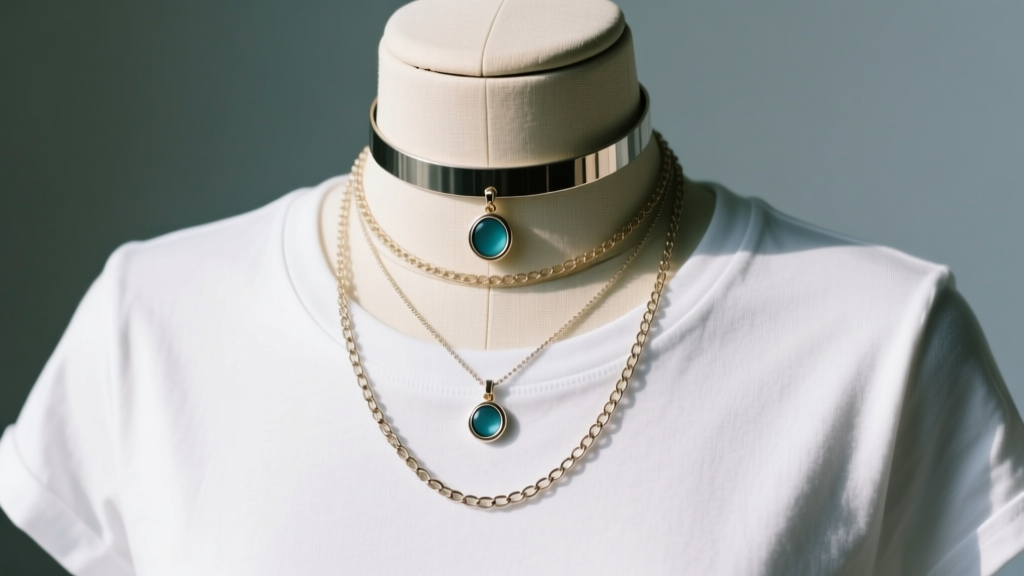
If you are interested in the "curated ear" or layered neck trends, the 16 inch necklace is your mandatory anchor piece. It acts as the top tier of your stack. To avoid the dreaded "tangled mess" effect, you must follow the Two-Inch Rule.
The Two-Inch Rule dictates that every subsequent chain in your stack must be at least two inches longer than the previous one. This ensures that the pendants and clasps do not overlap, which is the primary cause of chain friction, knotting, and eventual breakage.
The Ideal 3-Piece Stack
- Tier 1 (16 Inches): A delicate 1.0mm box chain with a tiny 5mm bezel-set diamond or a simple gold hoop. Sits on the collarbone.
- Tier 2 (18 Inches): A slightly thicker 1.5mm cable chain featuring a medium-sized pendant (e.g., a 12mm freshwater pearl or a geometric gold disc). Sits at the base of the throat/upper chest.
- Tier 3 (20 to 22 Inches): A substantial 2.5mm rope chain or a chunky paperclip link chain worn alone without a pendant. Sits comfortably on the sternum.
By utilizing the 16-inch chain as your shortest layer, you guarantee that the highest point of your jewelry stack remains visible, even if you are wearing a button-down shirt with the top two buttons undone.
Common Beginner Mistakes to Avoid
Even with the right measurements, beginners often encounter functional issues with collarbone-length chains. Here is how to troubleshoot the most common problems.
1. The Hair Snag Dilemma
If you have long or textured hair, the clasp of a 16-inch necklace will constantly rub against the nape of your neck, leading to severe tangling. The Fix: Avoid lobster clasps with sharp, unfiled edges. Instead, look for chains equipped with a smooth, flat spring-ring clasp, or have a jeweler solder a small, smooth 5mm jump ring to the end of the chain to act as a hair-safe catch.
2. Sleeping in Short Chains
Because a 16-inch necklace fits snugly, it is tempting to leave it on while sleeping. This is a catastrophic mistake for chains under 1.5mm in gauge. The tossing and turning of sleep applies lateral torque to the links, which will stretch and eventually snap a delicate cable or snake chain. Always unclasp your 16-inch necklace before bed.
3. Ignoring the Extender Chain
Many mass-market 16-inch necklaces come with a flimsy, 2-inch cable extender chain. Beginners often leave the extender dangling at the back of the neck, where it catches on hair and zippers. The Fix: If you do not need the extra length, use a pair of flush-cut jewelry snips to carefully remove the extender chain at the soldered jump ring, leaving a clean, professional finish that eliminates back-of-neck snagging entirely.


