Dark Amber Necklace Trends 2026: Styling & Authenticity Guide
Discover 2026 dark amber necklace trends. Learn to style mahogany and cherry amber, spot fakes, and master dark academia layering techniques.

The 2026 Resurgence: Why Dark Amber is Dominating
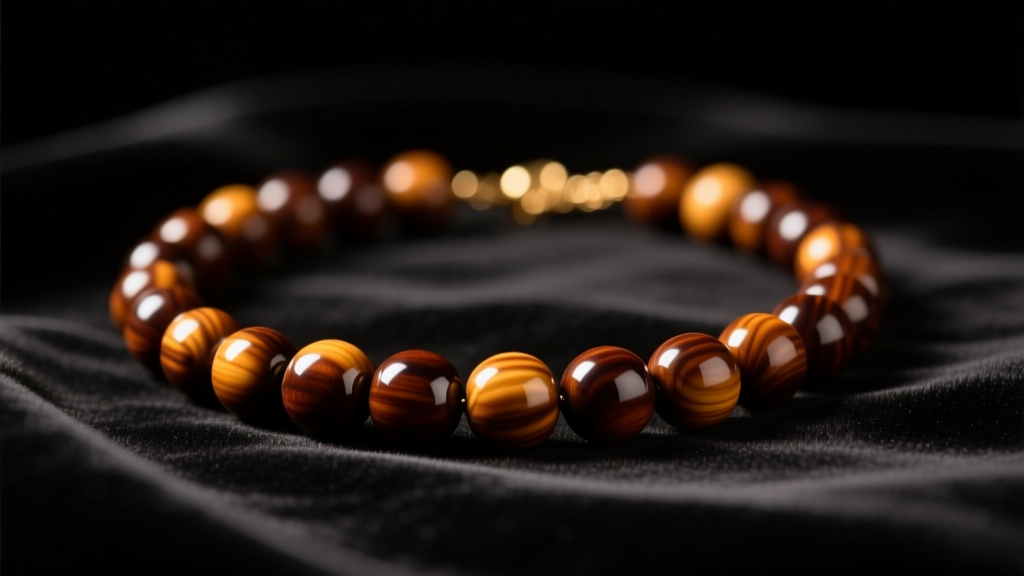
As we navigate the fashion landscape of 2026, the jewelry industry has seen a definitive pivot away from the bright, honey-yellow Baltic amber that defined the bohemian trends of the 2010s. Today, the dark amber necklace has emerged as a cornerstone of the 'dark academia,' 'gothic minimalism,' and 'elevated grunge' aesthetics. This shift is not merely a color preference; it represents a broader consumer demand for moody, grounding, and historically resonant materials. Dark amber—ranging from deep mahogany and oxidized cherry to near-black 'midnight' amber—offers a sophisticated alternative to traditional gemstones, providing organic warmth without the high-flash brilliance of faceted crystals.
According to the Gemological Institute of America (GIA), amber is fossilized tree resin that has undergone polymerization over millions of years. The dark variants prized in 2026 are either naturally oxidized over millennia or carefully heat-treated to enhance their depth. The result is a material that absorbs light rather than reflecting it, making it the perfect anchor for the heavy knits, structured blazers, and monochromatic layering that dominate contemporary autumn and winter wardrobes.
Material Deep Dive: Cherry, Mahogany, and Heat-Treated Amber
To speak intelligently about dark amber, one must understand its gemological classification. True Baltic amber, known scientifically as Succinite, contains 3% to 8% succinic acid. The color variations in a dark amber necklace are primarily dictated by the degree of oxidation and the specific botanical origins of the prehistoric resin.
- Cherry Amber: Highly coveted for its deep, translucent reddish-brown hue. Natural, unheated cherry amber is rare and commands a premium. It often features a rich, wine-like depth when held to the light.
- Mahogany Amber: Typically achieved through controlled heat treatment (autoclaving). The resin is heated in an oxygen-rich environment, which darkens the outer layers and creates a rich, opaque brownish-red core.
- Black Amber (Midnight Amber): Often a very dark brown that appears black in ambient light. It is heavily oxidized and may contain dense botanical inclusions (bark, soil, or prehistoric debris) that block light transmission entirely.
The 'Sun Spangle' Phenomenon
When shopping for a dark amber necklace, you will frequently encounter internal fractures known as 'sun spangles' or 'lily pads.' These are starburst-like reflections caused by the expansion and contraction of air bubbles within the resin during the heat-treatment process. While purists may seek flawless, unheated beads, many 2026 designers intentionally utilize heat-treated amber specifically to maximize these spangles, as they catch the light beautifully against the dark base color, adding a subtle, organic glitter to the piece.

The Copal Trap: How to Identify True Dark Amber
The surge in popularity of dark amber necklaces has inevitably attracted counterfeiters. The most common imposter is Copal, a younger, sub-fossilized resin that has not undergone full polymerization. Copal can be easily dyed or heat-treated to mimic the look of ancient mahogany amber, but it lacks the durability and gemological value of true succinite. Copal is prone to crazing (surface cracking) and melting under moderate heat.
Authentication Framework
Before investing in a premium dark amber necklace, employ these three non-destructive tests to verify its authenticity:
- The Acetone Test: Apply a single drop of pure acetone (nail polish remover) to an inconspicuous area of a bead. True Baltic amber will remain completely unaffected. Copal, being immature resin, will become tacky and sticky within seconds, leaving a permanent fingerprint mark.
- UV Fluorescence: Shine a 365nm UV flashlight on the beads. Genuine Baltic amber will fluoresce a pale, milky blue or greenish-white. Copal typically glows a bright, chalky white, while plastic imitations will show no fluorescence or a dull, unnatural purple tint.
- The Saltwater Float Test: Mix 1 part salt to 2 parts warm water. True amber and copal will both float (due to their low specific gravity of 1.05-1.10), while glass and most heavy plastics will sink. This test eliminates glass fakes but must be paired with the acetone test to rule out copal.
| Material | UV Reaction (365nm) | Acetone Reaction | Typical Price (10mm Strand) |
|---|---|---|---|
| True Baltic Amber (Succinite) | Pale Blue/Green | None | $120 - $350+ |
| Dominican Amber | Strong Blue | None | $200 - $500+ |
| Copal (Colombian/African) | Chalky White | Sticky/Tacky | $15 - $40 |
| Dyed Glass | None | None | $10 - $25 |
| Bakelite/Plastic | Dull/None | Varies | $5 - $20 |
Styling Frameworks: Dark Academia & Elevated Grunge
Styling a dark amber necklace in 2026 requires moving beyond the traditional 'beaded strand' paradigm. The modern approach treats amber as an organic counterpoint to industrial and structured textiles.
The Dark Academia Layer
Pair a 12mm mahogany amber bead necklace with an oxidized sterling silver pendant or a matte black onyx cameo. The warmth of the amber prevents the silver from looking too harsh against the skin. Drape this combination over a charcoal or forest green turtleneck. The 18-inch to 20-inch length (princess or matinee) is ideal, allowing the amber to rest against the heavy knitwear without being swallowed by the collar.

Elevated Grunge & Asymmetry
For a more avant-garde approach, mix bead sizes. Combine a strand of 6mm cherry amber with a heavy, asymmetrical 14mm black amber drop pendant. Stringing the amber on a blackened copper or oxidized brass chain, rather than traditional silk, introduces a metallic edge that aligns perfectly with the elevated grunge aesthetic. This juxtaposition of fragile, organic resin against cold, dark metals is a hallmark of 2026's neo-gothic revival.
Sizing, Stringing, and Hardware Specifications
The longevity of your dark amber necklace depends heavily on the structural integrity of its stringing and hardware. Amber is relatively soft, registering at 2.0 to 2.5 on the Mohs hardness scale. It can be easily scratched by metal beads or rough gemstones.
- Stringing Material: Avoid cheap nylon or wire, which can saw through the bead holes over time. Opt for Griffin 100% natural silk cord (Size No. 4 for beads up to 8mm; Size No. 6 for 10mm-14mm beads). Silk provides a soft buffer between the beads and allows for traditional hand-knotting, which prevents bead loss if the strand breaks.
- Bead Sizing: For a subtle, everyday piece, 6mm to 8mm beads are ideal. For statement pieces that align with current maximalist-layering trends, 12mm to 16mm barrel or rondelle beads offer the necessary visual weight.
- Clasp Hardware: Heavy amber strands require secure clasps. Avoid small spring rings. Instead, use a 14mm or 18mm sterling silver lobster clasp, or a high-strength neodymium magnetic clasp with a safety chain. Ensure the jump rings are soldered closed to prevent the heavy beads from pulling the hardware apart.
Price Tiers & Where to Source Authentic Pieces
When sourcing a genuine dark amber necklace, pricing is a reliable indicator of authenticity and treatment level. Be highly skeptical of 'vintage' dark amber sold at flea markets or unverified online marketplaces for under $50; these are almost invariably dyed copal or phenolic resin (Bakelite).
- Entry-Level ($60 - $120): Heat-treated Baltic mahogany amber, typically 8mm-10mm round beads, strung on synthetic cord with base-metal clasps. Excellent for everyday wear and trend experimentation.
- Mid-Tier ($150 - $300): High-quality, hand-knotted cherry or deep cognac amber (10mm-14mm). These pieces often feature natural, unheated color variations and are finished with sterling silver or 14k gold-filled hardware.
- Collector/Heirloom ($400 - $1,000+): Rare, unheated natural black amber or cherry amber with verified prehistoric inclusions (e.g., ancient flora or fauna). These are usually custom-strung on premium silk and feature solid 14k or 18k gold clasps.
According to Encyclopedia Britannica, the historical and scientific value of amber inclusions cannot be overstated, which is why pieces featuring clear, natural inclusions command such high premiums in the collector's market. For guaranteed authenticity, purchase from established gemological dealers who provide certificates of origin and explicitly state whether the amber has been subjected to autoclave heat treatment.
Conclusion
The 2026 dark amber necklace is far more than a fleeting trend; it is a celebration of organic history, recontextualized for the modern wardrobe. By understanding the gemological differences between succinite and copal, mastering the acetone and UV authentication tests, and thoughtfully pairing these moody stones with structured textiles and oxidized metals, you can build a jewelry collection that is both visually striking and materially authentic. Whether you opt for a translucent cherry amber strand or a heavy, spangled mahogany statement piece, dark amber offers a timeless, grounding elegance that will outlast the seasonal fashion cycle.


