Styling Glasses on Necklace Chains: A Beginner-Friendly Guide
Learn how to style and secure glasses on necklace chains. Our beginner guide covers materials, loop sizes, and styling tips for eyewear lanyards.

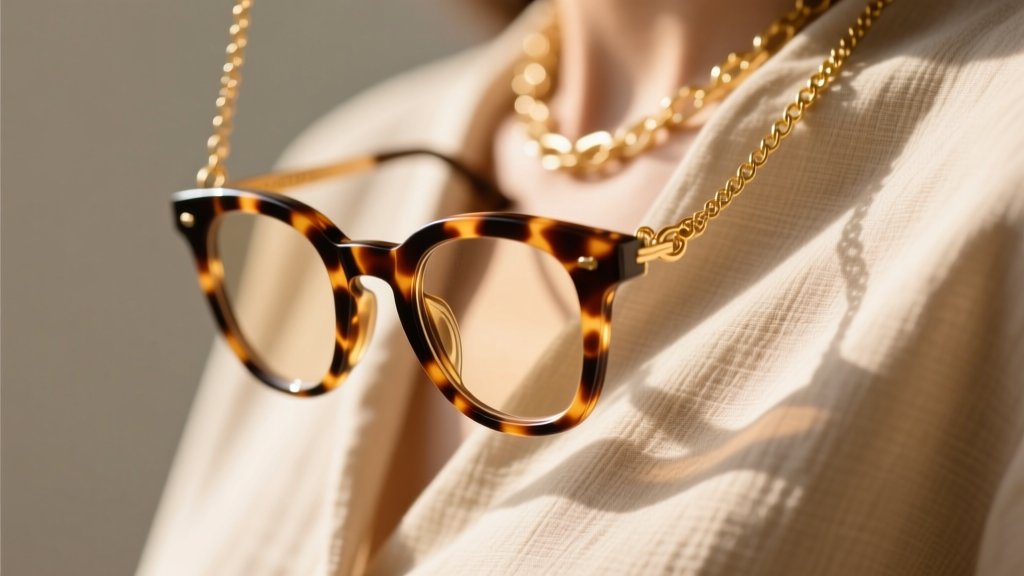
The Renaissance of the Eyewear Chain
The days of associating eyewear lanyards exclusively with retirees on golf carts are long gone. Today, securing your glasses on necklace chains is a legitimate fashion statement, blending utilitarian function with high-end streetwear and office-chic aesthetics. Whether you are wearing prescription reading glasses, luxury sunglasses, or blue-light blockers, an eyewear chain prevents loss, reduces lens scratching from constant table placement, and keeps your frames within arm's reach.
However, transitioning from a standard necklace to an eyewear-specific chain requires understanding unique mechanical constraints. Eyeglass temples (the arms that rest over your ears) are subject to tension, sweat, and friction. A poorly chosen chain can warp your acetate frames, scratch your hinges, or snap under the weight of heavy glass lenses. This beginner-friendly explainer will break down the exact specifications, materials, and styling frameworks you need to confidently wear your glasses on a necklace.
Understanding Eyewear Necklace Mechanics
Unlike standard pendants that hang from a simple clasp, an eyewear necklace requires a specialized attachment mechanism at both ends of the chain. The anatomy of a functional glasses chain consists of three main components: the chain body, the connector ring, and the temple loop.
The Temple Loop: Silicone vs. Metal
The most critical point of failure on any eyewear chain is the loop that grips the frame.
- Silicone Loops: These are the industry standard for beginners. They rely on high-friction tension to grip the frame. High-quality loops use a 40A to 50A Shore hardness durometer. If the silicone is too hard (70A+), it will slide off oily skin; if it is too soft (20A), it will tear when stretched over the flared temple tip.
- Metal Tension Rings: Often featuring a small screw or a spring-loaded tension clasp, these are designed for metal wire frames. While they look more premium, bare metal rings can easily scratch acetate or TR90 plastic frames if they lack an interior rubberized lining.
Chain Length and Drop
Standard necklaces are measured by total circumference, but eyewear chains are measured by their drop—the distance from the back of your neck to where the glasses rest on your chest. A standard drop is 12 to 15 inches (resulting in a total chain length of 24 to 30 inches). If the drop is too long, heavy sunglasses will bounce against your sternum when you walk; if it is too short, the tension will pull the glasses tightly against your collarbone, warping the hinges outward.
Material Breakdown: What Works Best?
Choosing the right material impacts both the longevity of the chain and the safety of your frames. Below is a comparative analysis of the most common eyewear necklace materials available on the market.
| Material | Durability & Sweat Resistance | Average Price Range | Best Use Case | Scratch Risk to Frames |
|---|---|---|---|---|
| Medical-Grade Silicone | High (Degrades with UV exposure) | $8 - $18 | Sports, gym, beach days | Zero |
| Acrylic Beads | Medium (Prone to tangling) | $20 - $45 | Casual streetwear, festivals | Low (Smooth surfaces) |
| 316L Stainless Steel | Very High (Corrosion resistant) | $35 - $80 | Professional settings, daily wear | Medium (If unlined) |
| Sterling Silver / Gold Fill | Medium (Requires polishing) | $85 - $250+ | Fine jewelry layering, luxury frames | High (Metal-on-metal friction) |
Expert Tip: Avoid chains made from Zamak (zinc alloy). While cheap and lightweight, Zamak pits easily when exposed to the salt in human sweat, eventually turning your skin green and snapping at the connector rings.
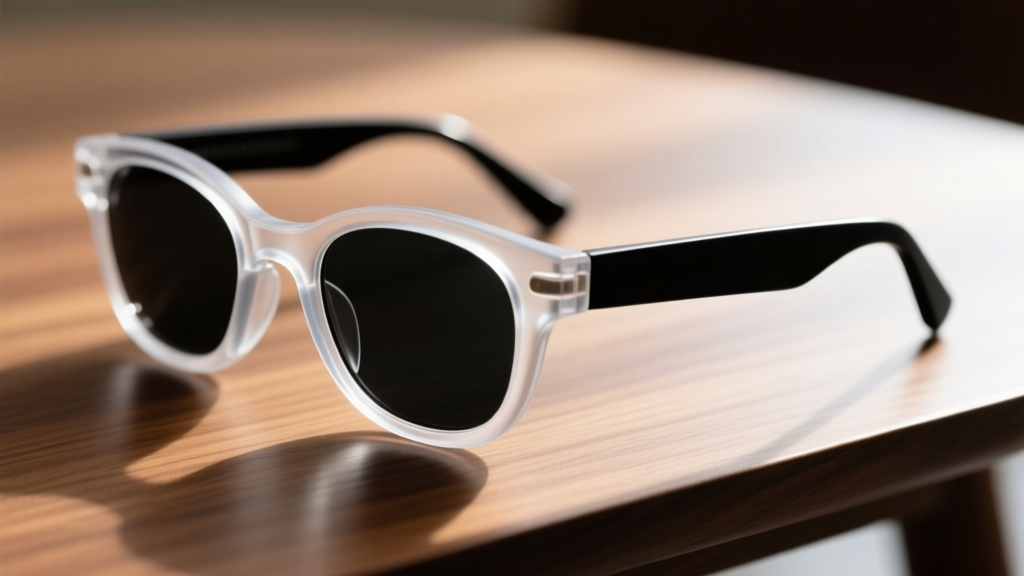
How to Secure Glasses on a Necklace Without Damage
The most common beginner mistake is forcing a silicone loop over a temple arm that is too wide. According to Warby Parker's Fit Guide, the total width of standard eyewear ranges from 130mm to 150mm, but the thickness of the temple arm itself varies wildly.
At the hinge, a thick acetate frame might measure 8mm to 10mm wide. However, the temple tip (the part that curves behind the ear) often flares out to 12mm for grip. Most standard silicone loops have an inner diameter of just 3mm to 4mm. Stretching a 3mm loop over a 12mm flare creates micro-tears in the silicone, leading to sudden snaps later in the day.
The Solution: Always slide the loop onto the frame from the front of the hinge, not the back of the ear tip. If your frames have a severe flare at the ear tip, seek out "wide-temple" loops specifically designed with a 6mm inner diameter, or opt for a chain with an adjustable sliding metal clasp that bypasses the need to stretch the loop entirely.
Styling Your Glasses on Necklace for Different Occasions
Integrating an eyewear chain into your wardrobe requires balancing proportions. The visual weight of the chain should complement, not overpower, the visual weight of your frames.
Professional and Office Settings
In corporate environments, chunky beads can look overly casual and may clack loudly against your desk or keyboard. Opt for a 1.5mm to 2mm cable chain in 316L stainless steel or gold-filled brass. Match the metal tone of the chain to the metal hinges or accents on your eyeglass frames. If your frames feature gold rivets, a gold-filled chain creates a cohesive, intentional look.
Casual and Streetwear
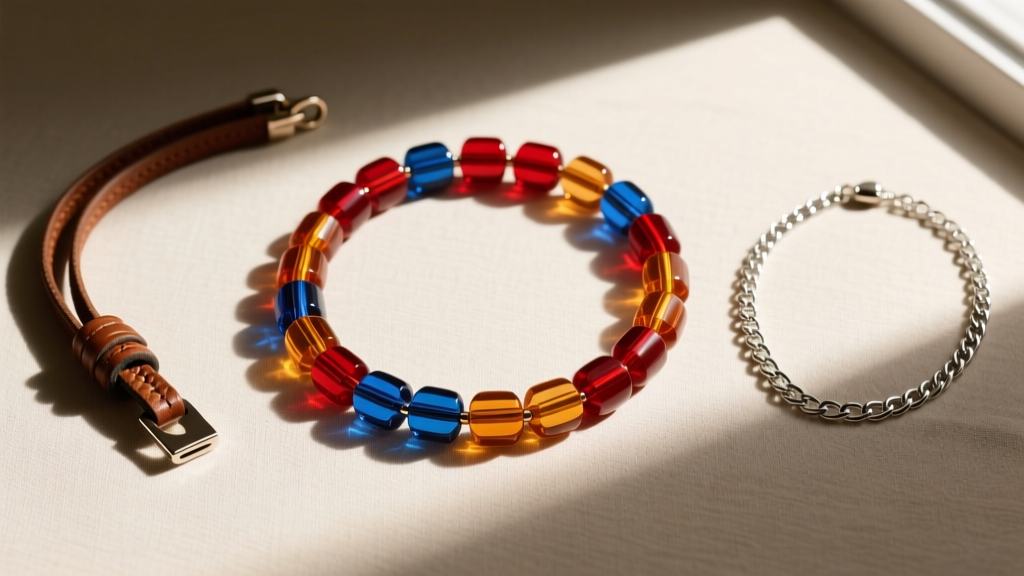
For casual wear, contrast is key. If you are wearing thin, minimalist wire-frame glasses, pair them with a chunky, oversized acrylic beaded chain (8mm to 12mm beads). The juxtaposition of delicate optical hardware with bold, colorful resin beads is a staple of contemporary streetwear. Alternatively, braided leather cords offer a rugged, tactile aesthetic that pairs beautifully with thick, vintage-inspired tortoiseshell acetate frames.
Troubleshooting Common Eyewear Chain Issues
Even with the right setup, beginners frequently encounter three specific issues when wearing their glasses on a necklace. Here is how to solve them using domain-expert troubleshooting.
1. The Silicone Loop Keeps Slipping Off
Silicone loses its grip when exposed to facial oils, sunscreen, and sweat. Before replacing the loop, try this trick: apply a microscopic dot of clear nail polish or jeweler's museum wax to the inside of the silicone loop. Let it dry completely before attaching it to the frame. This increases the tackiness and friction without using permanent adhesives that could ruin your frames.
2. The Chain is Transferring Oils to My Lenses
When your glasses hang around your neck, the chain and loops rest against your collarbone and chest, picking up sebum and lotions. When you put the glasses back on your face, those oils transfer directly to the lenses, causing smudges. The American Academy of Ophthalmology recommends regular cleaning of eyewear accessories. Wipe down your silicone loops and the first two inches of the chain with a microfiber cloth and a drop of lens-safe cleaner every evening to prevent this transfer.
3. Skin Irritation and Contact Dermatitis
If the chain rests directly on your skin and causes a red, itchy rash on your chest, you are likely experiencing nickel contact dermatitis. Many cheap metal chains use a brass or copper base plated with a thin layer of nickel. Sweat breaks down the plating, exposing the allergen. Switch immediately to a chain made from solid titanium, 316L surgical stainless steel, or high-quality PVD-coated metals, which are hypoallergenic and safe for prolonged skin contact.
Final Thoughts
Wearing your glasses on a necklace is no longer just a practical necessity; it is a curated accessory choice that bridges the gap between optical hardware and traditional jewelry. By paying close attention to the Shore hardness of your silicone loops, matching the visual weight of the chain to your frames, and selecting sweat-resistant metals like 316L stainless steel, you can elevate your daily eyewear routine while keeping your expensive frames safe from drops and scratches.


