Styling a Necklace: Pearls and Chain Combinations for Beginners
Learn how to style, layer, and care for a mixed necklace featuring pearls and chain. Expert tips on gauges, lengths, and materials for beginners.

The Intersection of Organic and Industrial
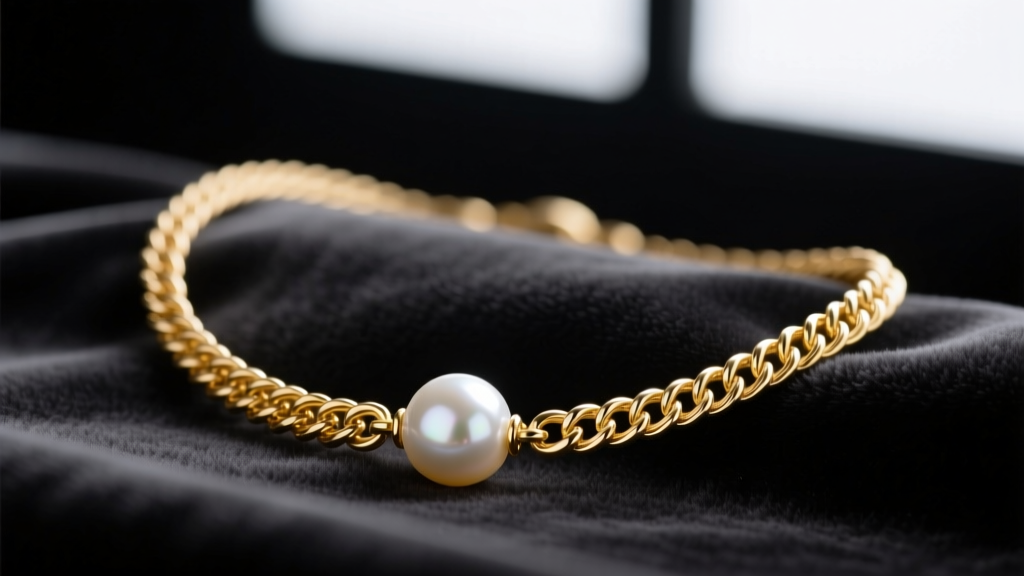
The juxtaposition of soft, organic pearls with hard, metallic chains has become a defining jewelry trend leading into 2026. Moving away from the traditional, uniform strands of the past, modern jewelry design embraces the raw, asymmetrical beauty of mixed-media necklaces. For beginners, navigating the world of a mixed necklace featuring pearls and chain can feel overwhelming. How do you balance the delicate luster of a pearl with the industrial edge of a metal link? This comprehensive guide breaks down the exact material grades, gauge sizes, and styling frameworks you need to master this look with confidence.
The Anatomy of Mixed-Media Necklaces
Before purchasing or styling your first piece, it is crucial to understand the structural and visual components that make up these necklaces. A successful design relies on the harmonious tension between the organic gem and the metal finding.
Decoding Pearl Types and Nacre Quality
Not all pearls are created equal, and their origin dictates how they pair with metal chains. According to the Gemological Institute of America (GIA), the most common varieties used in mixed-media jewelry are Freshwater and Akoya pearls. Freshwater pearls, particularly baroque (irregularly shaped) varieties, offer a casual, organic texture that pairs beautifully with rugged chains like oxidized sterling silver or brushed brass. Akoya pearls, known for their perfect spherical shape and mirror-like luster, provide a high-contrast, elegant look when strung on polished 14k gold chains. When evaluating quality, look for nacre thickness; a high-quality Akoya pearl should have a nacre thickness of at least 0.4mm to ensure durability against metal friction.
Chain Profiles and Gauge Sizes
The chain is the structural backbone of your necklace. A common beginner mistake is pairing heavy, 10mm pearls with a flimsy 1.0mm cable chain, which creates visual imbalance and risks the chain snapping under the weight. Here is a quick breakdown of chain profiles:
- Cable Chain (1.2mm - 2.0mm): Classic and delicate. Best suited for smaller 5mm-6mm pearls or single pearl pendants.
- Paperclip Chain (2.5mm - 4.0mm): Elongated, hollow links that offer maximum visual impact with minimal weight. Ideal for interspersed baroque pearls.
- Curb or Figaro Chain (3.0mm - 5.0mm): Flat, interlocking links that provide an edgy, streetwear-inspired contrast to perfectly round, creamy pearls.
Proportions and Lengths: Getting the Fit Right
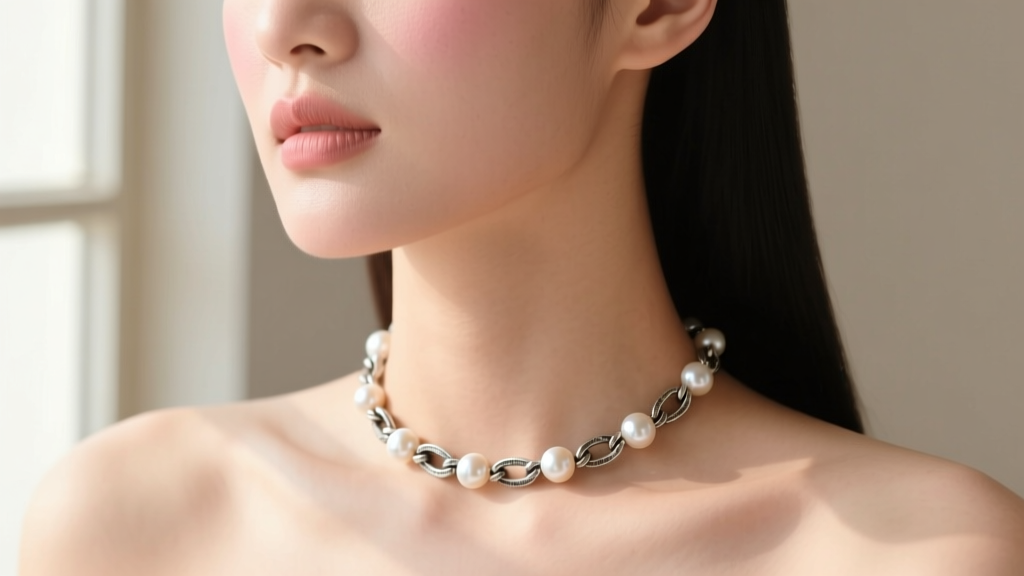
The length of your necklace dictates how it interacts with your wardrobe. Mixed-media pieces require careful length consideration because the varying textures draw the eye directly to the neckline. Below is a decision matrix to help you choose the right proportions based on your preferred aesthetic.
| Necklace Length | Style Name | Ideal Chain Gauge | Recommended Pearl Size | Best Neckline Pairing |
|---|---|---|---|---|
| 14 - 16 Inches | Choker / Collar | 2.5mm - 4.0mm | 6mm - 8mm | V-necks, Off-shoulder tops |
| 18 Inches | Princess | 1.5mm - 3.0mm | 7mm - 9mm | Crew necks, Button-downs |
| 20 - 24 Inches | Matinee | 2.0mm - 3.5mm | 8mm - 11mm | Turtlenecks, Deep plunges |
The Art of Layering: The 2-Inch Rule
Layering a pearl and chain necklace with other pieces is where you can truly express personal style. However, mixing textures requires a strategic approach to prevent tangling and visual clutter. The golden rule of layering in 2026 is the 2-Inch Drop Rule. If your pearl and chain choker sits at 15 inches, your secondary chain should sit at 17 inches, and a tertiary pendant should drop to 19 or 20 inches.
Pro Tip: When layering, anchor the look with the pearl and chain piece as your middle layer. Place a simple, lightweight gold snake chain above it (closest to the skin) and a longer, heavier pendant chain below it. This frames the mixed-media piece and allows the pearls to pop without competing with other gemstones.
Always ensure your clasps are secure. Lobster clasps are highly recommended for mixed-media pieces weighing over 15 grams, as spring ring clasps often fail under the dynamic movement of heavy pearls and thick metal links.
Essential Care: Protecting Organic Gems and Metals
Caring for a necklace that combines pearls and metal chains requires a dual approach, as the materials react differently to environmental stressors. Pearls are organic gems with a Mohs hardness rating of just 2.5 to 4.5, making them highly susceptible to scratching from the very metal chains they are strung on.
The Golden Rules of Pearl and Chain Maintenance
- Never Use Ultrasonic Cleaners: While ultrasonic waves are excellent for cleaning diamond and gold chain necklaces, the high-frequency vibrations will fracture the nacre of a pearl and destroy its luster permanently.
- Avoid Chemical Exposure: Pearls are highly porous. Hairspray, perfume, and even natural skin acids can etch the surface of the pearl. Always put your necklace on after applying cosmetics and fragrances.
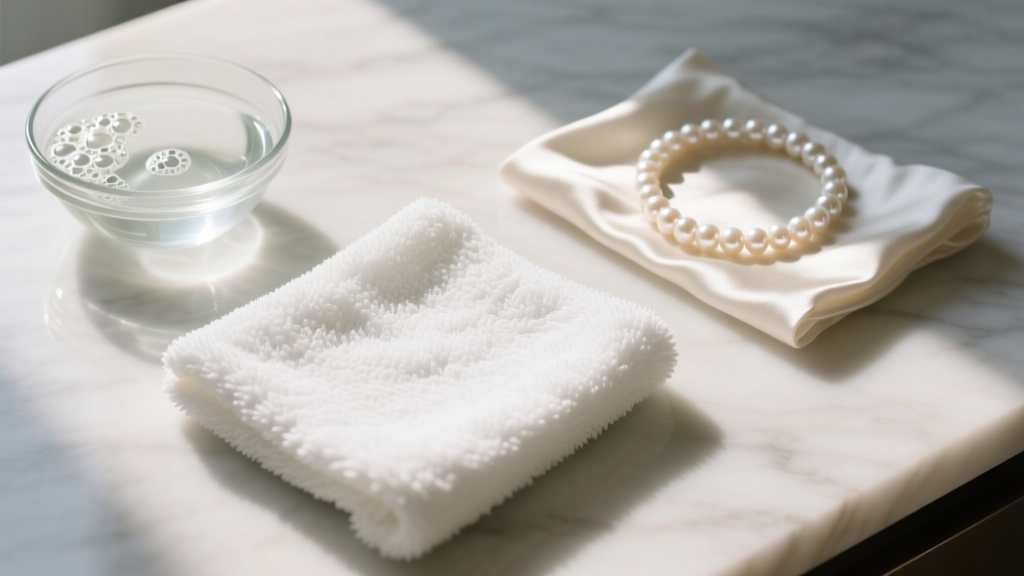
- The Damp Cloth Method: After wearing, gently wipe the pearls with a soft, damp microfiber cloth to remove oils. Use a separate, dry jewelry polishing cloth to buff the metal chain. The Jewelers of America strongly advises against using commercial silver dips on mixed-media pieces, as the harsh chemicals will strip the pearl's natural orient.
- Storage Separation: Store your necklace flat or hung vertically. If thrown into a jewelry box, the metal chain links will inevitably scratch the softer pearl surfaces.
Where to Shop: Price Tiers and Material Grades
Understanding pricing frameworks will protect you from overpaying for inferior materials. Here is what you should expect when shopping for a quality necklace featuring pearls and chain combinations:
- Budget Tier ($40 - $120): Expect freshwater baroque pearls paired with 14k gold-filled (1/20 14k GF) or gold-plated brass chains. Gold-filled chains offer a durable layer of gold that will not flake off easily, making them a smart entry-level choice.
- Mid-Range Tier ($150 - $450): This tier features high-luster freshwater or entry-level Akoya pearls strung on solid 14k gold or heavy oxidized sterling silver 925 chains. Look for wire-wrapped pearl links rather than glue-set findings for better longevity.
- Luxury Tier ($500+): Premium Hanadama-grade Akoya or Tahitian pearls integrated into solid 18k gold paperclip or curb chains, featuring custom-machined lobster clasps and silk-knotted intervals to protect the pearls from metal friction.
Final Thoughts
Mastering the styling of a necklace with pearls and chain is about embracing contrast. By understanding the structural limits of chain gauges, respecting the delicate nature of organic nacre, and applying strategic layering techniques, you can elevate this mixed-media trend from a fleeting fad to a permanent staple in your jewelry wardrobe.


