The 2026 Chick Necklace Trend: Styling Whimsical Bird Pendants
Discover how the 2026 chick necklace trend elevates whimsical bird pendants into fine jewelry. Learn about enamel techniques and layering.

The Resurgence of Novelty: Why the Chick Necklace is Dominating 2026
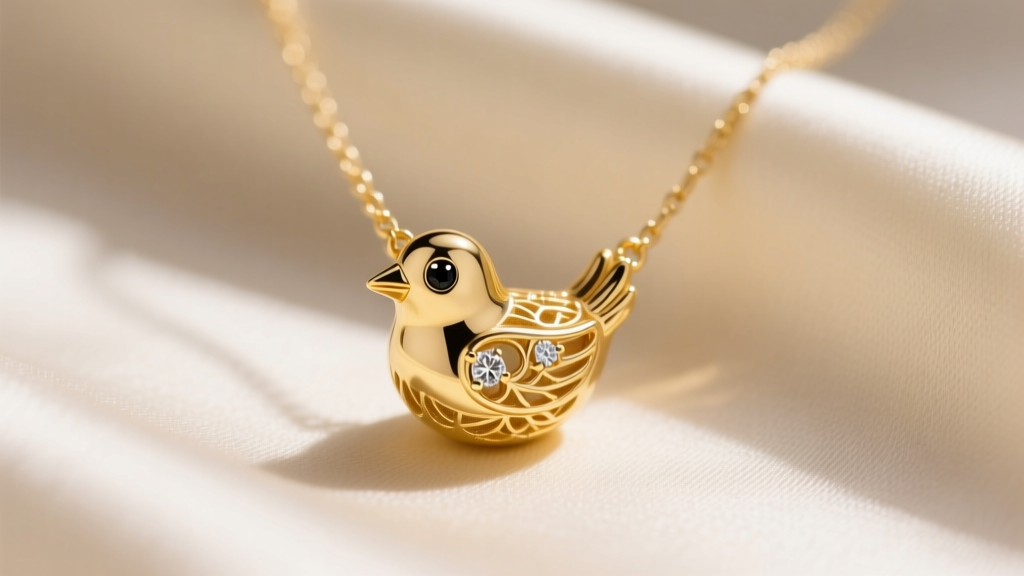
The 2026 jewelry landscape is decisively rejecting stark, cold minimalism in favor of narrative-driven, whimsical pieces that evoke nostalgia and joy. At the forefront of this stylistic shift is the "chick necklace"—a term encompassing baby bird, sparrow, and avian motifs that have officially graduated from the realm of costume jewelry into high-end demi-fine and fine collections. While novelty animal jewelry has historical roots tracing back to the Victorian era, where sentimental bird motifs were exchanged as tokens of affection, today's iterations are defined by their meticulous craftsmanship and luxurious material grades.
According to historical archives at the Victoria & Albert Museum, animal motifs have long served as wearable talismans. However, the modern chick pendant distinguishes itself through advanced 3D CAD modeling and micro-pavé techniques. Designers are no longer relying on flat, die-struck silhouettes; instead, they are creating anatomically stylized, fully three-dimensional chicks with textured feather detailing and gemstone-set eyes. This blend of playful subject matter with serious horological-level craftsmanship is exactly why the chick necklace has become a staple in the curated stacks of style editors and collectors alike.
Material Breakdown: From Costume to Demi-Fine
When investing in a whimsical motif, the line between a piece that looks like a child's toy and a sophisticated fine jewelry staple comes down entirely to material selection and casting methods. The most luxurious chick pendants on the market today utilize the lost-wax casting method. In this process, a digital 3D model is printed in castable wax resin, encased in a plaster-like investment material, and burned out in a kiln. Molten gold is then centrifugally forced into the cavity, capturing every microscopic detail of the bird's beak and wing feathers.
Vitreous vs. Cold Enamel: What to Look For
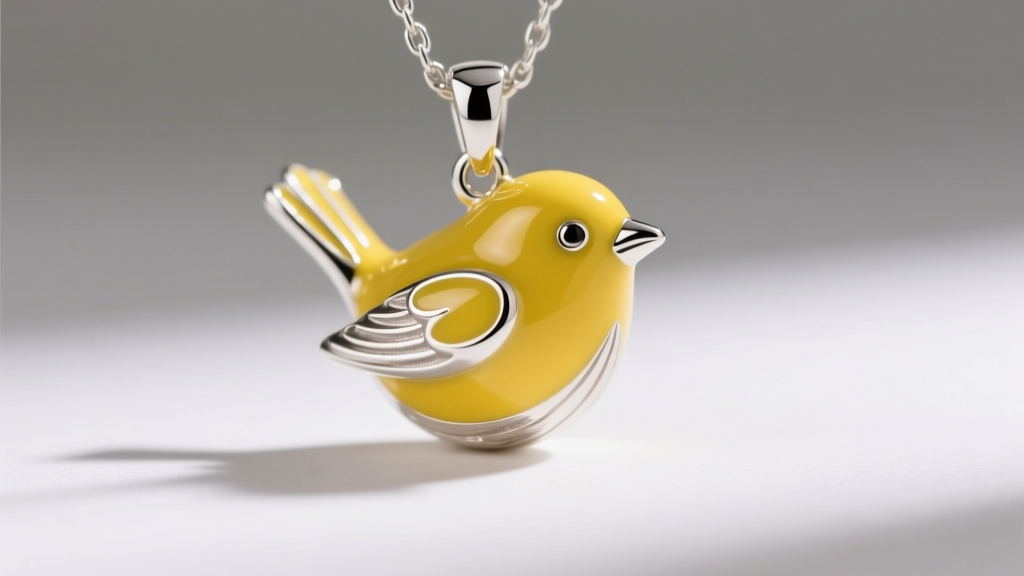
Many chick necklaces incorporate yellow or gold-toned enamel to mimic the downy feathers of a baby bird. As a buyer, you must understand the critical difference between the two primary enamel techniques used in 2026:
- Vitreous Enamel (Hot Enamel): This traditional technique involves fusing finely ground glass powder to the metal surface in a kiln at approximately 1400°F (760°C). The result is a brilliant, scratch-resistant, and UV-stable finish that will never yellow or chip under normal wear conditions. It is the hallmark of true fine jewelry.
- Cold Enamel (Epoxy Resin): Common in demi-fine and affordable pieces, cold enamel is essentially a pigmented epoxy resin that air-dries or cures under UV light. While it offers vibrant initial color, it is highly susceptible to micro-scratches, chemical degradation from perfumes, and yellowing over time.
| Material Composition | Casting Method | Durability Profile | 2026 Price Range |
|---|---|---|---|
| 14k Solid Gold | Lost-Wax | High (Excellent scratch resistance, holds micro-details) | $450 - $1,200 |
| 18k Solid Gold | Lost-Wax | Medium (Softer alloy, prone to denting if dropped) | $900 - $2,500 |
| Sterling Silver + Cold Enamel | Die-Struck / Cast | Low (Resin chips and yellows; silver tarnishes) | $85 - $250 |
| 14k Gold + Vitreous Enamel | Cast & Kiln-Fired | Very High (Glass fused to metal, heirloom quality) | $600 - $1,800 |
Chain Pairing and Layering Frameworks
A common failure mode in whimsical jewelry is pairing a heavy, solid-cast 3D pendant with a fragile chain. If your solid gold chick pendant weighs more than 4 grams, a standard 1.0mm cable chain will eventually suffer from link distortion, particularly at the clasp and the bail. To ensure longevity and aesthetic balance, you must match the chain gauge to the pendant's physical weight and visual volume.
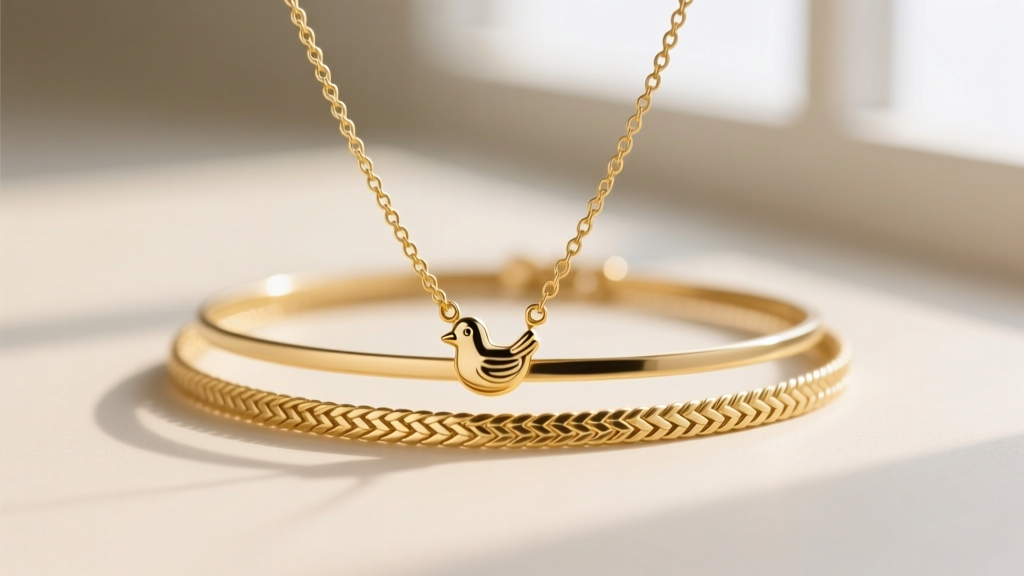
Industry trend reports from National Jeweler indicate that consumers are increasingly prioritizing structural integrity in their everyday stacks. Here is a practical framework for pairing your chick pendant with the correct chain:
- 1.0mm - 1.2mm Cable Chain: Ideal for flat-profile, die-struck chick pendants or hollow-cast 3D pieces weighing under 2.5 grams. The delicate links complement the petite nature of the bird motif without overpowering it.
- 1.5mm Box Chain: Offers a modern, geometric contrast to the organic, rounded curves of a 3D bird motif. The interlocking square links provide surprising tensile strength and can comfortably support pendants up to 5 grams.
- 2.0mm Wheat Chain: The most durable option for solid-cast, heavy 14k gold chick pendants (5-10 grams). The woven, braided links resist pulling, kinking, and hair-snagging, making it perfect for everyday wearers.
When layering, position the chick necklace at the 16-inch or 18-inch mark (resting on the collarbone or just below), and anchor it with a heavier, unadorned 20-inch rope chain or a flat 14k gold herringbone to create a cascading visual effect.
Occasion Styling: Taking the Chick Pendant from Day to Night
The versatility of the chick necklace lies in its ability to act as a subtle conversation starter in professional environments while shining as a focal point in evening wear. For the office, opt for a 14k yellow gold chick pendant with a matte or brushed finish rather than high-polish. The subdued texture reads as sophisticated and understated when paired with a silk blouse or a structured blazer.
For evening occasions, transition to a chick pendant featuring micro-pavé diamond accents along the wings or a vitreous enamel finish that catches ambient candlelight. Pairing a diamond-accented bird motif with a deep V-neckline or an off-the-shoulder garment allows the pendant to rest directly against the skin, maximizing its brilliance and drawing the eye upward toward the face.
Care and Maintenance for Textured Animal Pendants
Because 3D chick pendants feature intricate crevices—such as the separation between the wing and the body, or the tiny carved beak—they are natural traps for lotions, dead skin cells, and environmental dust. Furthermore, if your pendant features cold enamel or micro-pavé diamond eyes, you must absolutely avoid ultrasonic cleaners. The high-frequency vibrations can shatter cold enamel and loosen the delicate prongs holding micro-diamonds.
Expert Cleaning Protocol: Submerge the pendant in a bowl of lukewarm water mixed with a few drops of mild, phosphate-free dish soap. Let it soak for 10 minutes to loosen debris. Use a brand-new, ultra-soft baby toothbrush to gently agitate the crevices around the wings and beak. Rinse under distilled water and pat dry with a lint-free microfiber cloth. Never use tissue paper, as the wood fibers will snag on the textured gold feathers.
By understanding the material grades, structural requirements, and proper maintenance protocols, you can ensure that your whimsical chick necklace remains a pristine, heirloom-quality staple in your jewelry collection for decades to come.


