Expert Care & Cleaning Guide for a Sun Moon Star Necklace
Learn how to clean, maintain, and protect your sun moon star necklace. Expert tips for sterling silver, gold vermeil, and gemstone celestial jewelry.

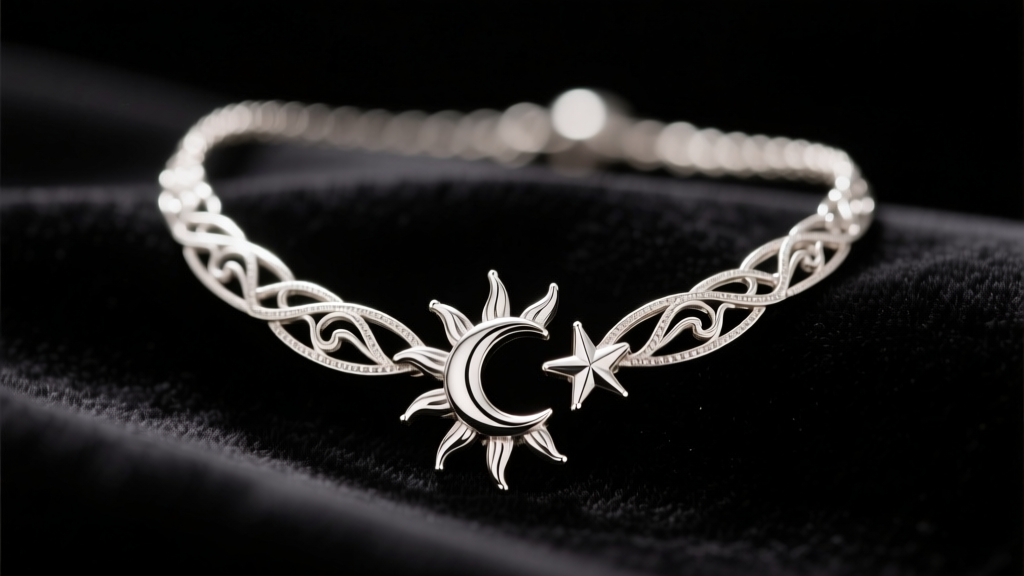
The Anatomy of Celestial Jewelry: Why Intricate Pendants Trap Debris
A sun moon star necklace is a masterclass in symbolic jewelry design, but its intricate geometry presents unique maintenance challenges. Unlike smooth, minimalist pendants, celestial motifs feature deep recesses: the craters of a crescent moon, the sharp intersecting angles of starburst points, and the delicate filigree often used to depict solar rays. These micro-crevices act as traps for sebum, dead skin cells, cosmetic residues, and environmental dust. Over time, this accumulation not only dulls the metal's reflective properties but can also accelerate localized galvanic corrosion, especially in mixed-metal pieces or gold vermeil. Furthermore, the delicate chains typically paired with these pendants—such as 1.0mm to 1.5mm cable or rolo chains—are highly susceptible to tangling and grime buildup within their tiny interlocking links. Understanding the structural vulnerabilities of your celestial jewelry is the first step toward preserving its brilliance.
Material-Specific Cleaning Protocols
The cleaning method you choose must be dictated by the base metal and the plating thickness. Applying the wrong chemical agent can permanently strip finishes or alter intentional patinas.
Sterling Silver (925) and Oxidation Management
Sterling silver contains 92.5% pure silver and 7.5% copper. The copper is what reacts with hydrogen sulfide in the atmosphere to form silver sulfide—the black tarnish that plagues unworn jewelry. Many artisan-crafted sun moon star necklaces feature intentional oxidation, where the jeweler applies liver of sulfur to darken the recesses, creating high contrast between the raised stars and the shadowed moon craters. Never use liquid silver dips or abrasive polishing pastes on oxidized silver. These products will strip the intentional dark patina, leaving the piece looking flat and washed out. Instead, use a treated micro-abrasive polishing cloth (like a Sunshine cloth) and gently buff only the raised, high-polish surfaces, avoiding the darkened crevices.
Gold Vermeil and Plated Pieces
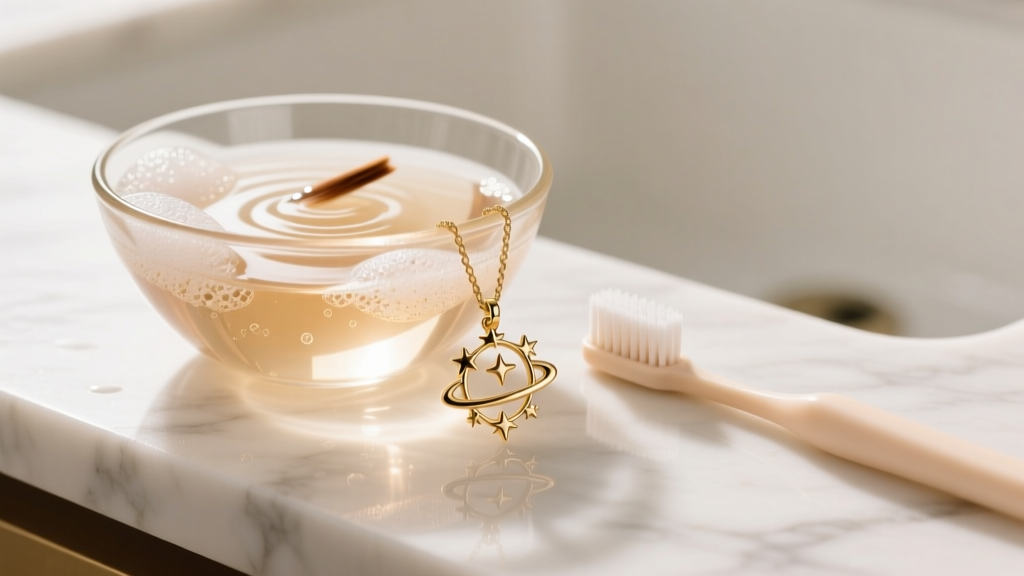
Gold vermeil consists of a sterling silver base plated with at least 2.5 microns of 14k or 18k gold (the US Federal Trade Commission standard). Because the gold layer is relatively thin, aggressive polishing will wear it away, exposing the silver beneath. Clean vermeil celestial pendants using only a few drops of pH-neutral dish soap (like Dawn) diluted in lukewarm water. Use a lint-free microfiber cloth to gently wipe the surface. Avoid any circular, high-friction rubbing motions, which can create micro-scratches in the gold layer.
Gemstone Safety: Protecting Celestial Inlays
Celestial necklaces frequently incorporate gemstones chosen for their ethereal optical properties. However, these stones often have specific physical vulnerabilities that dictate strict care boundaries.
- Moonstone (Mohs 6.0 - 6.5): Prized for its adularescence, moonstone is relatively soft and features internal lamellar twinning. Never place a moonstone necklace in an ultrasonic cleaner. The 40,000 Hz acoustic cavitation bubbles will violently implode against the stone's internal fault lines, causing it to fracture or shatter completely.
- Lapis Lazuli (Mohs 5.0 - 6.0): Often used to represent the night sky, lapis is a porous rock composed of lazurite, calcite, and pyrite. It is highly sensitive to acids and prolonged water exposure, which can dissolve the calcite matrix and cause the pyrite flecks to rust. Wipe lapis lazuli with a barely damp cloth only.
- Opal (Mohs 5.5 - 6.5): Containing up to 20% water, opals can craze (develop surface cracks) if exposed to rapid temperature changes or extreme dryness. Avoid steam cleaners entirely.
For comprehensive gemological care guidelines, the Gemological Institute of America (GIA) recommends avoiding harsh chemicals and sudden thermal shocks for all organic and porous gemstones commonly found in celestial jewelry.
The Step-by-Step Deep Cleaning Method
For a standard sterling silver or solid gold sun moon star necklace (without porous gemstones), follow this professional-grade cleaning protocol to remove trapped debris from intricate cutouts.
- Preparation: Line a small glass bowl with aluminum foil, shiny side up. This will act as a catalytic surface for an electrochemical reaction later.
- The Solution: Add 1 tablespoon of baking soda and 1 tablespoon of kosher salt to the bowl. Pour boiling water over the mixture until the pendant is fully submerged. The solution will fizz as it releases oxygen.
- Electrochemical Transfer: Using wooden or plastic tweezers (never metal, which can scratch the piece), submerge the necklace. Ensure the silver touches the aluminum foil. Leave it for exactly 60 to 90 seconds. The sulfur atoms bonding to the silver will transfer to the aluminum, lifting the tarnish without removing any base metal.
- Agitation: Remove the necklace and use a soft-bristled baby toothbrush dipped in mild soapy water to gently dislodge any remaining organic debris from the star points and moon craters.
- Rinse and Dry: Rinse thoroughly under distilled water (tap water contains chlorine and minerals that can cause spotting). Pat dry with a microfiber cloth, then use a hair dryer on the 'cool' setting to blast water out of the tiny chain links and pendant crevices.
Storage and Maintenance: Preventing Tarnish and Tangles
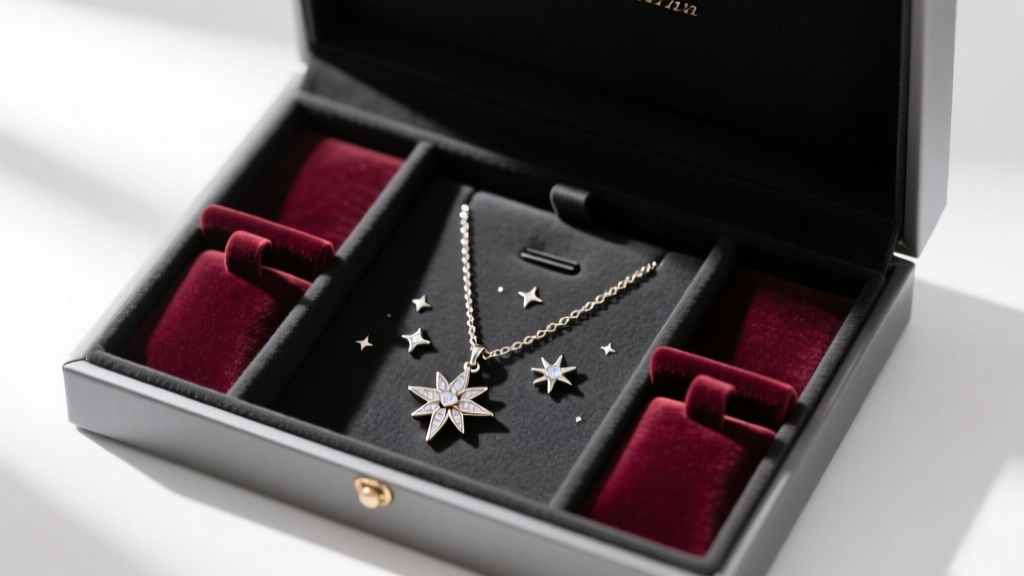
How you store your sun moon star necklace between wears is just as critical as how you clean it. Leaving it exposed on a bathroom vanity guarantees rapid tarnishing due to high humidity and aerosolized cosmetics. Below is a comparison of storage methods and their efficacy for intricate celestial pendants.
| Storage Method | Tarnish Prevention | Tangle Prevention | Best For |
|---|---|---|---|
| Standard Ziplock Bag | Moderate (Traps existing moisture) | High | Short-term travel |
| Anti-Tarnish Cloth Pouch | High (Absorbs sulfur gases) | Moderate | Everyday drawer storage |
| Silica Gel Packets | High (Controls humidity) | None | Use inside sealed containers |
| Activated Charcoal Lined Box | Very High (Purifies air) | Very High (Individual slots) | Long-term archival storage |
According to Jewelers of America, storing silver in specialized anti-tarnish bags treated with silver nitrate or zinc carbonate can extend the time between necessary cleanings by up to 12 months. Always clasp the chain before storing, and lay the pendant flat to prevent the delicate cable links from kinking.
Common Mistakes That Ruin Celestial Pendants
Even well-intentioned jewelry owners can cause irreversible damage. Avoid these critical failure modes:
- Using Toothpaste: Toothpaste contains hydrated silica, an abrasive with a Mohs hardness of around 7. Scrubbing gold vermeil or soft stones like moonstone with toothpaste will leave permanent, cloudy micro-scratches across the surface.
- Swimming in Chlorinated Pools: Chlorine reacts aggressively with the copper alloys in both sterling silver and karat gold. Prolonged exposure can cause 'stress corrosion cracking,' leading to the sudden snapping of the delicate chain or the prongs holding your celestial gemstones.
- Applying Perfume Directly on the Metal: The high alcohol content and synthetic essential oils in fragrances can degrade the protective rhodium plating often applied over white gold or silver celestial pendants, leading to premature yellowing or dullness.
By treating your sun moon star necklace with the specific care its materials and intricate design demand, you ensure that its symbolic representation of the cosmos remains as brilliant and captivating as the night sky itself.


