Sunset Sarsaparilla Blue Star Cap Necklace Care & Cleaning
Learn expert cleaning and maintenance tips for your sunset sarsaparilla blue star cap necklace to protect its enamel, gemstones, and chain.

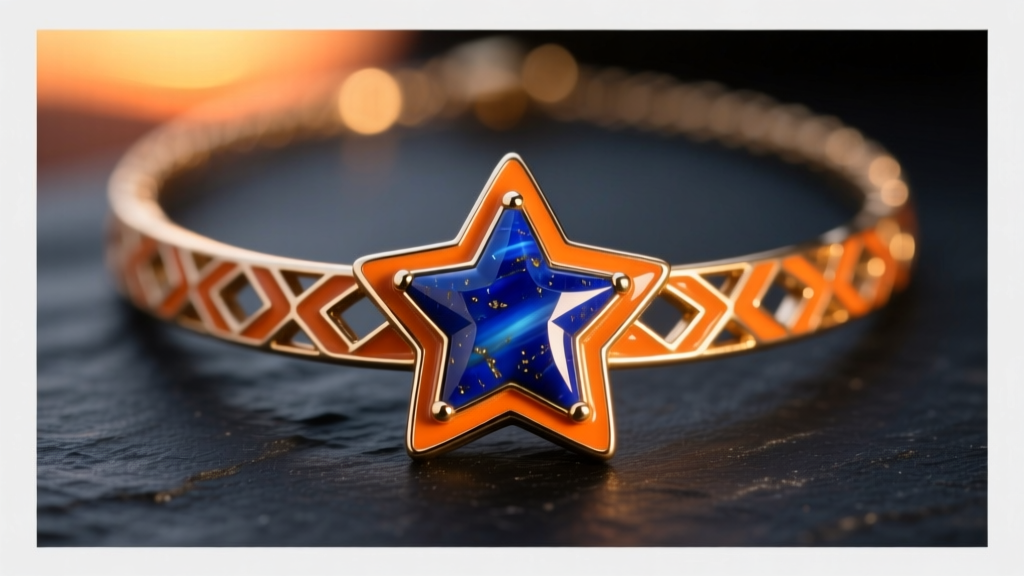
The Material Science Behind Your Artisan Necklace
Owning a sunset sarsaparilla blue star cap necklace is akin to curating a piece of wearable fine art. This specific artisan design is celebrated for its complex material composition, which requires a highly specialized approach to maintenance. To properly care for this piece in 2026, we must first deconstruct its anatomy and understand the chemical vulnerabilities of each component.
The 'sunset sarsaparilla' element typically refers to a kiln-fired vitreous enamel or a high-grade, UV-stabilized epoxy resin formulated with suspended mica powders to create that signature warm, gradient orange-pink-brown hue. Vitreous enamel is essentially glass fused to a metal substrate (usually copper or sterling silver) at temperatures exceeding 1450°F. While it boasts a respectable Mohs hardness of 6.0 to 7.0, it is highly susceptible to thermal shock and blunt force trauma.
The 'blue star cap' is most frequently precision-cut from high-grade Lapis Lazuli, often featuring natural pyrite inclusions that mimic a starry night sky. According to the Gemological Institute of America (GIA), Lapis Lazuli ranks between 5.0 and 5.5 on the Mohs scale. More importantly, it is a porous, calcareous rock. The calcite matrix within the stone will aggressively effervesce and degrade when exposed to acidic compounds. Finally, the chain is usually crafted from 18k gold vermeil—a thick layer of gold (minimum 2.5 microns) electroplated over a .925 sterling silver core. Understanding these three distinct material profiles is the first step in preventing irreversible damage.
Critical Failure Modes: What Destroys This Necklace
Before reaching for a cleaning cloth, you must understand the specific environmental and chemical threats that compromise the structural integrity of your sunset sarsaparilla blue star cap necklace. Standard jewelry cleaning practices are often the primary cause of artisan jewelry degradation.
- Ultrasonic Cavitation: Never place this necklace in an ultrasonic cleaner. The high-frequency sound waves create microscopic bubbles that implode against the surface. While this cleans metal, it will cause micro-fractures in the vitreous enamel and can shake the star cap loose from its adhesive or prong setting.
- Acidic Silver Dips: Commercial liquid silver cleaners often contain thiourea and sulfuric acid. While they strip tarnish from silver instantly, these acids will dissolve the calcite in the blue star cap, leaving it permanently pitted, dull, and structurally weakened.
- Abrasive Polishing Pastes: Baking soda, toothpaste, and commercial silver polishing creams contain microscopic abrasives (like calcium carbonate or silica). Scrubbing the chain with these will strip the 2.5-micron gold vermeil layer, exposing the underlying sterling silver to rapid oxidation.
- Thermal Shock: Moving the enamel pendant from hot water to a cold rinse can cause the glass-like enamel to crack or 'craze' (develop a network of fine surface fractures) due to differing expansion rates between the metal base and the enamel surface.
The Chemical Compatibility Matrix
When selecting a cleaning agent, cross-reference it with the materials present in your necklace. The following matrix outlines how common household and commercial jewelry cleaners interact with the specific components of the sunset sarsaparilla blue star cap necklace.
| Cleaning Agent | Effect on Vitreous Enamel | Effect on Lapis Star Cap | Effect on Gold Vermeil | Verdict |
|---|---|---|---|---|
| Commercial Silver Dip | Safe (but risks thermal shock if heated) | Severe Damage (dissolves calcite) | Strips gold plating | NEVER USE |
| Baking Soda Paste | Safe | Mild Abrasion (dulls polish) | Strips gold plating | NEVER USE |
| Isopropyl Alcohol | Safe | Safe (but dries out natural oils) | Safe | Use sparingly for spot cleaning |
| pH-Neutral Baby Shampoo | Safe | Safe | Safe | HIGHLY RECOMMENDED |
| Ammonia-Based Cleaners | Safe | Damages surface polish | Can cause gold to pit | AVOID |
Step-by-Step Artisan Cleaning Protocol
To safely remove sebum, cosmetic residue, and environmental dust from your necklace, follow this conservation-grade cleaning protocol. This method aligns with current 2026 best practices for mixed-media artisan jewelry.
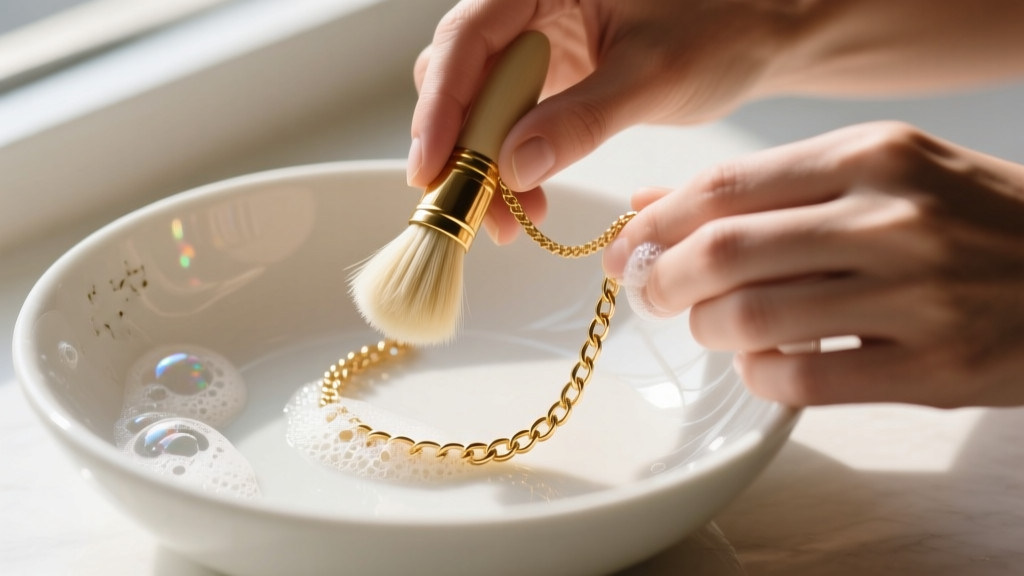
- Preparation: Fill a small ceramic bowl with lukewarm distilled water. Avoid tap water, as the chlorine and dissolved minerals can leave microscopic hard water spots on the enamel and react with the pyrite inclusions in the lapis lazuli. Add three drops of a pH-neutral, dye-free cleanser, such as baby shampoo or a dedicated conservation-grade jewelry wash.
- Dry Dusting: Before introducing moisture, use a clean, soft goat-hair makeup brush to gently sweep away loose dust and grit from the crevices of the blue star cap. Rubbing the stone while dry grit is present will cause micro-scratches on the lapis surface.
- The Wash: Submerge the necklace in the lukewarm soapy solution for exactly 3 to 5 minutes. Do not agitate or scrub. Allow the surfactants in the soap to break down the lipid bonds of skin oils naturally.
- Targeted Agitation: If the chain links or the setting of the star cap require deeper cleaning, use a baby toothbrush with ultra-soft bristles. Gently flick the bristles along the chain links. Never scrub the enamel or the lapis lazuli directly with the brush.
- The Rinse: Rinse the necklace under a gentle stream of lukewarm distilled water. Ensure all soap residue is removed, as dried soap can leave a cloudy film over the vitreous enamel.
- Drying: Pat the chain dry with a lint-free microfiber cloth. To remove trapped moisture from the setting of the blue star cap, use a can of compressed air (held at least six inches away) or a cool-setting hair dryer. Never leave the necklace to air-dry, as water spots will form on the gold vermeil.
Long-Term Storage and Environmental Control
Proper storage is just as critical as the cleaning process. The sterling silver core of the vermeil chain is highly reactive to sulfur compounds in the air, which cause tarnishing. Furthermore, the 'sunset sarsaparilla' enamel and resin components can degrade if exposed to prolonged UV radiation or extreme humidity fluctuations.
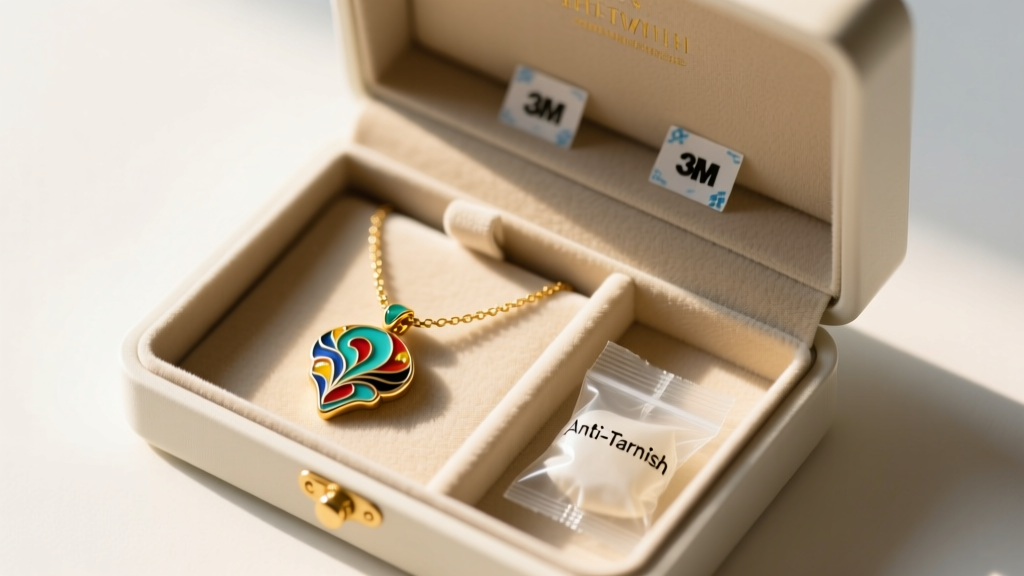
According to guidelines referenced by The Silver Institute, controlling the micro-climate of your jewelry storage is the most effective way to prevent tarnish. Store your sunset sarsaparilla blue star cap necklace in an individual, airtight polyethylene ziplock bag. Avoid PVC (polyvinyl chloride) plastic bags, as PVC can off-gas chemicals that accelerate tarnishing and degrade certain resins over time.
Inside the bag, include a 3M anti-tarnish strip and a small silica gel desiccant packet to control ambient humidity. Keep the bag inside a lined jewelry box, stored in a dark, climate-controlled room. Never store this necklace in a bathroom, where the constant shifts in heat and humidity from showers will rapidly degrade the gold vermeil and compromise the enamel's adhesion to its metal base.
When to Seek Professional Artisan Restoration
Despite meticulous care, wear and tear are inevitable. You should seek professional restoration from the original artisan or a certified gemologist if you notice any of the following:
- Enamel Chipping or Crazing: If the sunset sarsaparilla enamel develops hairline fractures or chips, moisture can seep between the glass and the copper base, causing hidden corrosion. A professional can carefully re-fire or patch the enamel.
- Vermeil Wear-Through: If the chain begins to show a distinct silver or pinkish hue at the clasp or high-friction links, the gold plating has worn away. A professional jeweler can safely re-plate the chain without damaging the pendant.
- Star Cap Looseness: If the lapis lazuli star cap rattles or shifts, the adhesive or prongs have failed. Stop wearing the necklace immediately to prevent the loss of the gemstone and consult a professional for re-setting.
By treating your sunset sarsaparilla blue star cap necklace not just as an accessory, but as a mixed-media artifact, you ensure its vibrant colors and structural integrity will endure for decades. For further reading on preserving delicate mixed-media jewelry, consult the Tiffany & Co. Care Guidelines, which offer excellent foundational advice on handling precious metals and delicate stones.


