How to Choose and Style the Perfect Surfer Shell Necklace
Discover how to choose, style, and care for an authentic surfer shell necklace. Learn about puka vs. heishi, cord types, and spotting fakes.

The Origins: What Makes a Surfer Shell Necklace Authentic?
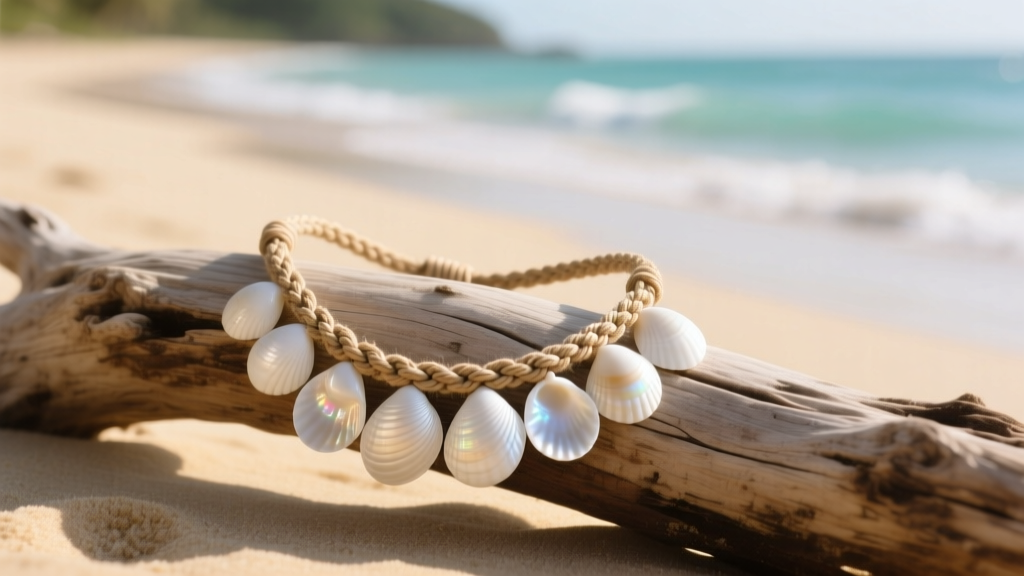
The surfer shell necklace is more than just a fleeting summer trend; it is a piece of coastal heritage that has transcended decades of fashion. Rooted in Hawaiian and Polynesian culture, these necklaces were originally crafted from naturally occurring materials found along the shoreline. According to the Bernice Pauahi Bishop Museum, early Hawaiians utilized shells not only for adornment but as a form of currency and spiritual protection. Today, the surfer shell necklace remains a staple of coastal minimalist and surf-core aesthetics. However, the mass-market jewelry industry has flooded the market with synthetic imitations, making it crucial for beginners to understand what defines an authentic piece. A true surfer shell necklace relies on organic, sustainably harvested shells and durable, water-resistant cordage designed to withstand the harsh elements of saltwater, sun, and sand.
Shell Varieties: Puka, Cowrie, and Cone
When shopping for a surfer shell necklace, you will encounter several distinct shell types. Each offers a unique weight, texture, and visual profile. Understanding these differences is the first step in building a high-quality coastal jewelry collection.
| Shell Type | Origin & Characteristics | Durability | Average Price Range |
|---|---|---|---|
| Puka (Cone Spire) | Naturally holed spire of the cone shell. Asymmetrical and unique. | High (Thick calcium carbonate) | $80 - $300+ |
| Cowrie | Glossy, oval-shaped shells from the Cypraeidae family. Often used as single pendants. | Medium (Prone to chipping if dropped) | $25 - $90 |
| Heishi (Clam/Shell) | Hand-cut, polished disc beads. 'Heishi' means shell in Hawaiian. | High (Smooth and uniform) | $40 - $150 |
| Conch | Carved from the Queen Conch. Features beautiful pink and white gradients. | Medium-High (Porous, requires care) | $50 - $200 |
The Puka vs. Heishi Misconception
A common beginner mistake is confusing puka with heishi. As noted by the Gemological Institute of America (GIA), organic gems like shells have specific structural definitions. 'Puka' translates to 'hole' in Hawaiian, referring specifically to the naturally occurring hole in the tip of a cone shell. True puka beads are never perfectly round; they are asymmetrical and feature a distinct convex and concave side. 'Heishi', on the other hand, refers to hand-cut, uniformly shaped disc beads made from various shells. Mass-market brands often sell perfectly round, machine-cut clam shells labeled as 'puka', which is a misnomer.
Cord Materials and the Art of the Sliding Knot
The cord is the unsung hero of any surfer shell necklace. Because these necklaces are designed to be worn in the ocean, the cord must resist saltwater degradation, UV exposure, and constant friction.
- Waxed Cotton or Polyester (1mm - 1.5mm): This is the gold standard for modern surfer necklaces. The wax coating provides the exact amount of friction needed for an adjustable macrame sliding knot to hold its position all day, while preventing the fibers from fraying or rotting.
- Nylon: Highly durable and waterproof, but lacks the organic aesthetic of cotton. It can also melt dangerously if the ends are singed incorrectly during manufacturing.
- Unwaxed Hemp: While traditional and visually authentic, raw hemp absorbs saltwater, stretches out of shape, and typically degrades within a single season of heavy surf use.
The adjustable sliding knot (often a square knot or macrame wrap) is essential for a true surfer necklace. It eliminates the need for metal clasps, which can corrode in saltwater and tarnish against the skin. A properly tied sliding knot should glide with a firm tug but remain completely stationary during normal movement.
Sizing Guide: Finding Your Ideal Drop Length
Unlike standard chain necklaces, surfer shell necklaces are often worn slightly shorter to sit above the collarbone or at the base of the throat, preventing them from swinging wildly while paddling on a surfboard.
- Choker Length (14 - 16 inches): Sits tightly at the base of the neck. Best for single, large cowrie pendants or minimalist cone shell spires.
- Princess Length (18 inches): The most versatile and common length for full puka strands. Rests perfectly on the collarbone, ideal for layering with longer gold chains.
- Matinee Length (20 - 24 inches): Drops to the upper chest. Best for heavy, multi-strand heishi necklaces or layered shell and turquoise combinations.
How to Spot Fakes: Plastic vs. Real Shell
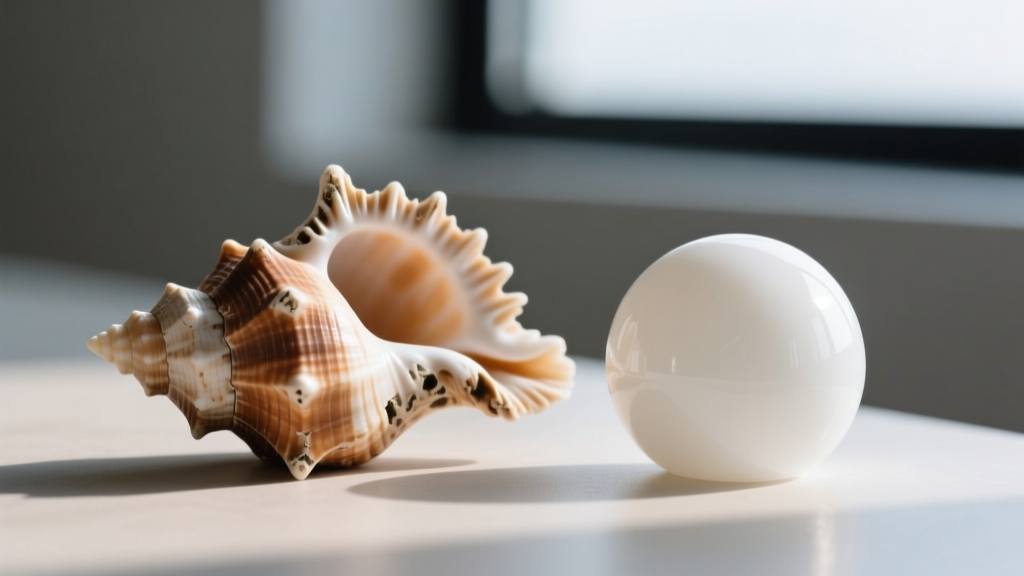
With the rise of fast-fashion coastal aesthetics, plastic and resin replicas have flooded the market. Use these three gemological tests to verify the authenticity of your surfer shell necklace before purchasing.
1. The Tooth Test
Gently rub the edge of the shell against the biting edge of your front teeth. Real shell is composed of calcium carbonate and conchiolin, giving it a micro-texture that feels distinctly gritty, much like fine sandpaper. Plastic, glass, or resin replicas will feel perfectly, unnaturally smooth.
2. The Temperature Test
Real shell is a dense, organic mineral that remains cool to the touch, even in warm environments. Hold the necklace in your palm for a few seconds; if it immediately warms up to your body temperature, it is likely plastic.
3. Visual and Tactile Inspection
Examine the drill holes. In authentic shell necklaces, the holes are often slightly irregular, and the edges around the hole may show minor micro-chipping from the tumbling process. Plastic beads will have perfectly smooth, uniform drill holes with microscopic mold seams visible along the edges of the bead.
Styling and Layering Techniques
The modern approach to the surfer shell necklace moves away from the overly bulky, tourist-shop aesthetic and leans into refined, coastal minimalism. For a sophisticated look, layer an 18-inch authentic puka strand with a 20-inch 14k gold-filled cable chain and a 22-inch oxidized silver pendant. The contrast between the organic, matte texture of the shell and the reflective metallic surfaces creates a balanced, high-low aesthetic that works perfectly with unbuttoned linen shirts, vintage tees, and wetsuits. Avoid mixing shells with cheap base metals, as the saltwater environment will cause the base metals to rust and stain the porous shells.
Care, Maintenance, and Ocean Conservation
While surfer shell necklaces are built for the beach, they are not invincible. The biggest threat to your necklace is not the ocean, but your sunscreen. Chemical sunscreens containing oxybenzone and octinoxate not only bleach coral reefs but can also degrade the porous surface of untreated shells over time, causing them to chalk and lose their natural luster. Always opt for mineral-based sunscreens (zinc oxide or titanium dioxide) when wearing your jewelry in the sun.
According to the Ocean Conservancy, sustainable harvesting and reef-safe practices are vital to preserving marine ecosystems. Always ensure your shell jewelry is sourced from sustainable, non-endangered species and avoid purchasing shells harvested from protected marine reserves.
After a day in the ocean, rinse your necklace thoroughly with fresh water to remove salt crystals, which can dry out and weaken the cotton cord over time. Pat it dry with a soft towel and store it flat in a cool, dry place away from direct sunlight when not in use. With proper care, an authentic surfer shell necklace will develop a beautiful, natural patina and remain a staple of your wardrobe for decades.


