The Taylor Swift Necklace Controversy: Cleaning Viral Vintage Gold
Explore the taylor swift necklace controversy to learn expert conservation tips for cleaning and maintaining delicate vintage gold and enamel pendants.

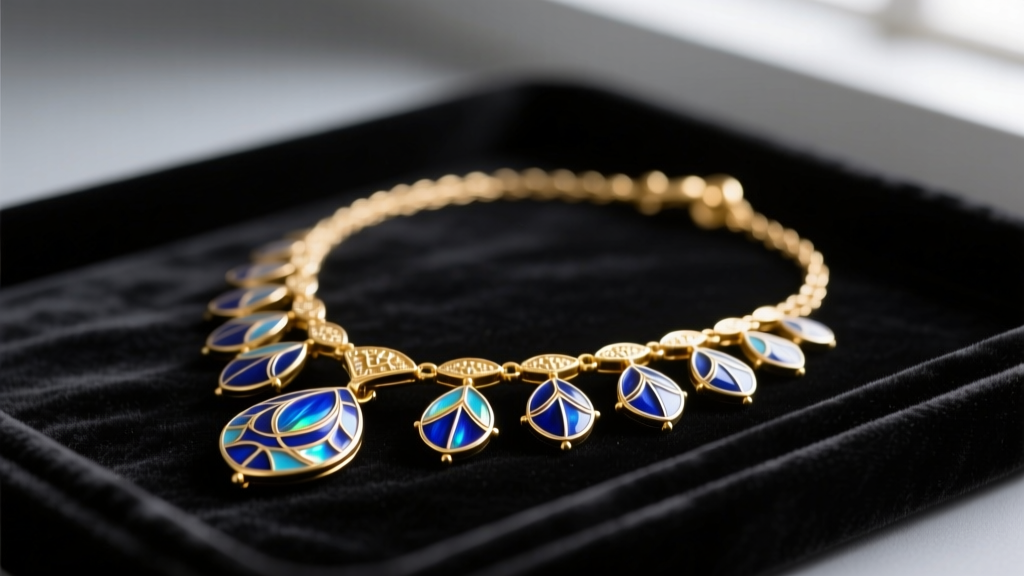
Whenever a global pop culture icon steps out in a rare, archival piece of jewelry, the internet inevitably erupts. The recent taylor swift necklace controversy—where fans and horologists fiercely debated the provenance, era, and preservation state of a delicate vintage gold and enamel pendant spotted during a high-profile stadium appearance—highlights a critical intersection between celebrity fashion and horological conservation. When multi-million dollar archival pieces or deeply sentimental antique lockets are subjected to the flashbulbs, humidity, and friction of a world tour, the stakes for proper maintenance are astronomical.
As jewelry conservators, we look past the viral rumors and focus on the metallurgy. Archival necklaces, particularly those dating from the Victorian, Art Nouveau, and Art Deco periods, were not engineered for modern, high-impact wear. Caring for these pieces requires a departure from commercial jewelry cleaning norms and an embrace of museum-grade conservation techniques.
The Stakes of the Taylor Swift Necklace Controversy
The core of the taylor swift necklace controversy wasn't just about who originally owned the piece or what hidden meaning the pendant held; it was about the sheer vulnerability of wearing antique gold in a high-sweat, high-movement environment. Antique necklaces often feature intricate filigree work, delicate festoon chains, and fragile guilloché enamel. Subjecting these materials to modern commercial cleaning methods—or even just the natural acidity of human sweat during a three-hour performance—can cause irreversible micro-fractures and alloy degradation.
According to the Victoria and Albert Museum (V&A), historical jewelry requires a fundamentally different approach to care than contemporary cast pieces. The solder points on a 1920s book chain, for instance, are often made of lower-karat gold alloys that melt or weaken at different temperatures than the primary chain, making standard repairs and cleanings highly risky.
Decoding Archival Alloys: Why Vintage Gold Reacts Differently
To properly clean a vintage necklace, you must first understand its exact metallurgical composition. Modern jewelry is typically cast, but antique pendants and chains were largely hand-fabricated, drawn, and soldered.
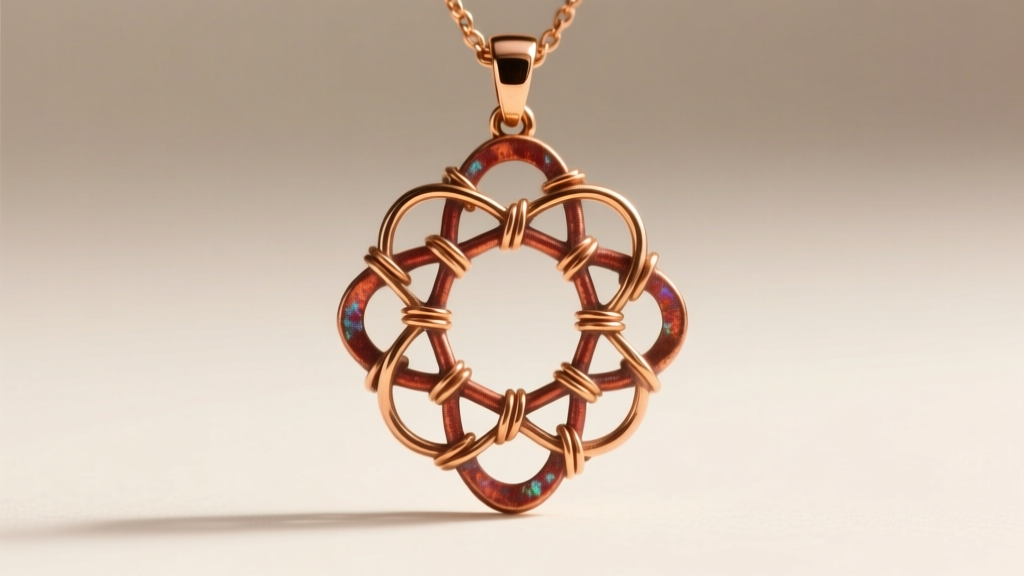
The Copper Oxidation Factor
Vintage rose gold and even some early 20th-century yellow gold pieces contain significantly higher copper content than modern equivalents to achieve specific hues or structural hardness. When exposed to the sulfur in the air, the chlorine in tap water, or the lactic acid in human sweat, the copper oxidizes, creating a dark, sometimes greenish patina. While some collectors value this patina as a mark of authenticity, improper polishing will strip away the top layer of gold, destroying the hand-engraved milgrain details.
- 18k Yellow Gold (75% Au): Highly resistant to tarnish but softer. Prone to warping if the pendant bail is pulled.
- 14k Rose Gold (58.5% Au, high Cu): Susceptible to copper oxidation. Requires pH-neutral cleaning to prevent accelerating the tarnish.
- 9k or 10k Archival Gold: Often found in Victorian mourning jewelry. Contains high silver and zinc, making it prone to blackening if exposed to harsh chemicals.
The Cardinal Sins of Vintage Necklace Maintenance
The most common mistake owners make after purchasing a piece similar to those seen in the taylor swift necklace controversy is tossing it into an ultrasonic cleaner. Never use ultrasonic cavitation on antique jewelry. The high-frequency sound waves create microscopic bubbles that implode against the metal. While this is excellent for removing dirt from a modern, solid-cast diamond solitaire, it will violently shake loose the fragile solder joints of an antique filigree pendant and shatter any glass-based enamel.
Similarly, commercial silver and gold dips contain thiourea and harsh acids that strip the historical finish. The Gemological Institute of America (GIA) strongly advises against using chemical dips on porous gemstones (like pearls, opals, or turquoise) often found in vintage pendants, as the chemicals will seep into the stone's matrix and cause internal cracking.
Chemical Reactions in Vintage Alloys
| Cleaning Agent | Effect on Modern 14k/18k Gold | Effect on Antique/Vintage Gold & Enamel |
|---|---|---|
| Ultrasonic Cleaners | Safe for solid cast pieces | Shatters enamel; breaks hand-soldered chain links |
| Ammonia-based Dips | Restores shine quickly | Causes stress-corrosion cracking in copper-heavy alloys |
| Toothpaste / Baking Soda | Scratches high-polish finishes | Permanently erodes soft historical engravings and milgrain |
| Distilled Water + Baby Shampoo | Safe, mild cleaning | Conservator-approved; lifts oils without chemical reaction |
A Conservator’s Guide to Safe Cleaning
If you own a delicate chain or an enamel pendant that requires cleaning, adopt the museum-conservation method. This process relies on mechanical agitation rather than chemical dissolution.
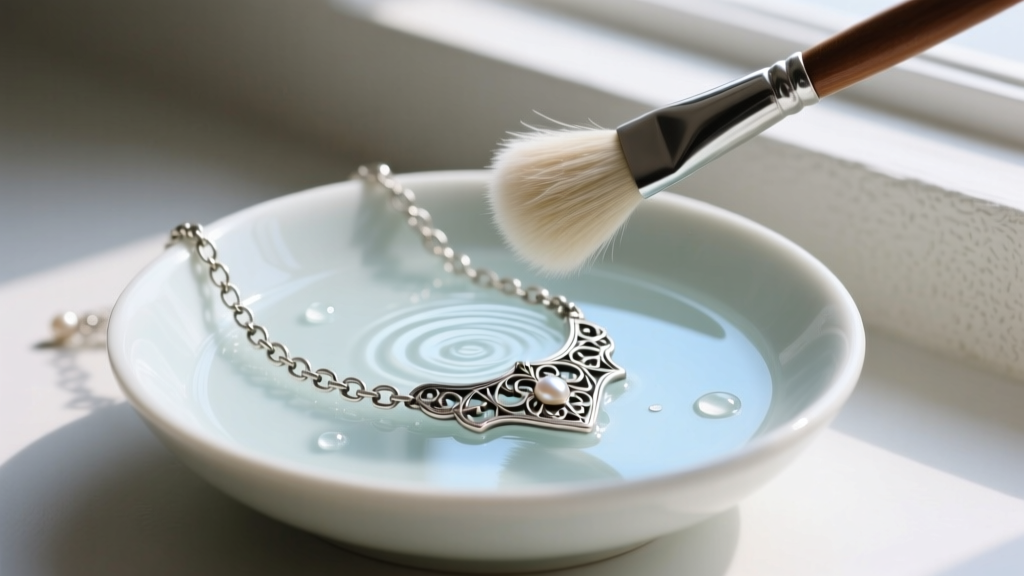
- Prepare the Solution: Mix lukewarm distilled water (never tap water, which contains chlorine and fluoride) with a single drop of pH-neutral baby shampoo or conservation-grade Orvus WA Paste.
- Inspect the Solder Points: Use a 10x jeweler's loupe to examine the chain links and the pendant bail. If you see any dark lines or movement, do not submerge the piece; take it to a master jeweler.
- Gentle Agitation: Submerge the necklace for no more than three minutes. Using a soft goat-hair brush (never nylon, which causes micro-scratches), gently sweep the bristles across the filigree and chain links.
- The Rinse: Rinse under a gentle stream of distilled water. Ensure the drain is securely plugged or use a mesh strainer.
- Drying: Pat dry with a lint-free microfiber cloth. Use a can of compressed air to blow water out of the intricate crevices of the pendant.
Storing Sentimental and High-Profile Pendants
The way you store a vintage necklace is just as critical as how you clean it. Many collectors inadvertently destroy their pieces by storing them in the velvet boxes they came in or in plastic ziplock bags.
Standard commercial velvet is often treated with dyes and sizing chemicals that can off-gas and react with the copper in vintage gold alloys. Furthermore, storing jewelry in standard PVC (polyvinyl chloride) plastics releases hydrogen chloride gas over time, which rapidly tarnishes and pits the metal surface.
Archival Storage Protocols
- Acid-Free Tissue: Wrap the necklace in unbuffered, acid-free archival tissue paper to prevent micro-abrasions between the chain links.
- Polyethylene Bags: If you must use plastic, ensure it is specifically marked as polyethylene or polypropylene, which are chemically inert and safe for precious metals.
- Silica Gel Desiccants: Include a small packet of indicating silica gel in your storage box to control ambient humidity, which is the primary catalyst for copper oxidation in rose gold pieces.
- Lay Flat: Never hang a vintage festoon or book chain on a jewelry stand. The weight of the chain will slowly pull the antique solder joints apart over time. Always store them flat.
When to Call a Master Jeweler
The taylor swift necklace controversy serves as a brilliant reminder that high-value, historically significant jewelry requires a team of experts. If your vintage pendant features a damaged spring-ring clasp, a cracked enamel dial, or a loose gemstone set in a closed-back bezel, do not attempt a DIY fix. Seek out a jeweler who specializes in horological and antique conservation. They possess the specialized low-temperature solders and laser-welding equipment necessary to repair a 100-year-old necklace without melting its original hand-crafted details.
By treating your vintage gold and enamel pendants with the same reverence and scientific care as a museum curator, you ensure that these wearable pieces of history survive to spark conversation—and perhaps a little controversy—for another century.


