The Dazzlings Necklace: 2026 Trend Analysis & Style Guide
Explore the dazzlings necklace trend for 2026. Discover expert layering techniques, material grading, and styling tips for this viral cluster pendant.

The Shift to Kinetic Refraction
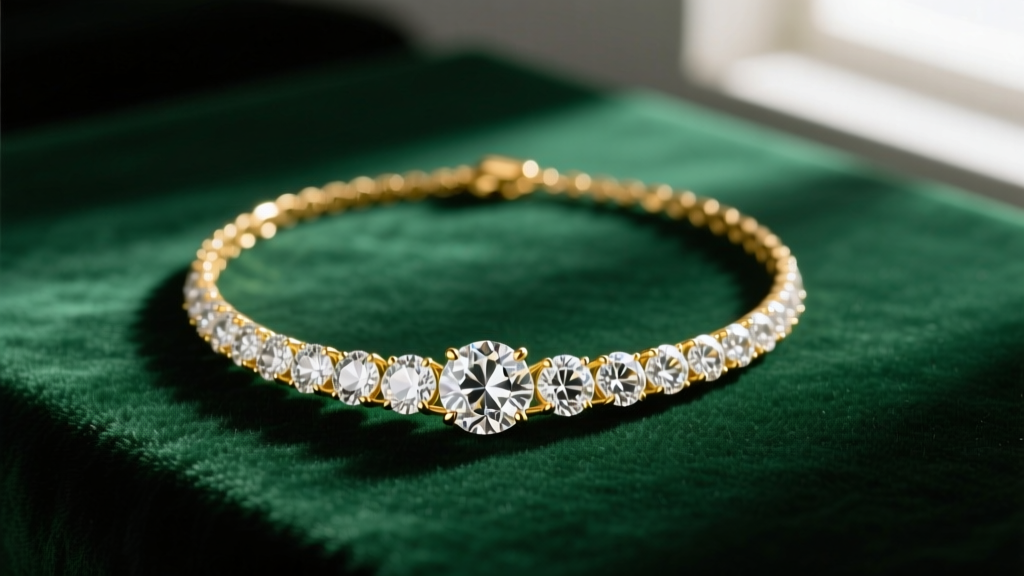
In the landscape of 2026 demi-fine jewelry, the transition from static minimalism to dynamic, light-catching maximalism has been spearheaded by one distinct silhouette: the dazzlings necklace. Characterized by its asymmetric cluster pendants, mixed gemstone cuts, and delicate but resilient chains, this style represents a masterclass in kinetic refraction. Unlike traditional solitaire pendants that rely on a single focal point, the dazzlings aesthetic utilizes a scattered arrangement of melee stones—typically ranging from 0.01 to 0.05 carats each—set in a deliberate combination of bezel and prong settings. This juxtaposition creates a 'dazzling' effect where light bounces unpredictably across the décolletage, mimicking the high-jewelry looks seen on recent runways but adapted for everyday wearability.
According to market analysts at The Business of Fashion, the surge in cluster and asymmetric pendant styles is driven by a consumer desire for 'expressive luxury'—pieces that offer the visual weight of fine jewelry without the prohibitive price tag. However, as the market floods with imitations, understanding the precise anatomy and material grading of an authentic dazzlings piece is critical for both stylists and collectors.
Anatomy of the Dazzlings Aesthetic
To truly evaluate the quality of a dazzlings necklace, one must look beyond the surface sparkle and examine the structural engineering of the piece. The chain architecture is the first point of assessment. Industry experts look for a 1.2mm to 1.5mm rolo or cable chain. Anything thinner than 1.0mm risks structural failure and kinking under the uneven weight distribution of a 10-to-15-gram cluster pendant. Conversely, chains thicker than 2.0mm visually compete with the delicate stone arrangements, ruining the intended ethereal aesthetic.
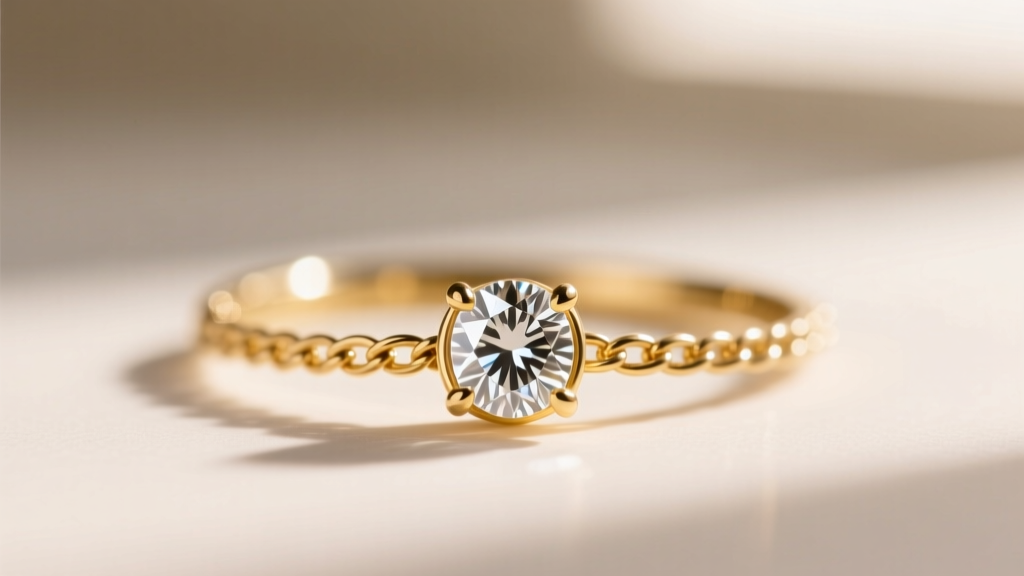
The clasp mechanics are equally critical to the longevity of the piece. The industry standard for high-end demi-fine iterations is a 5mm lobster clasp paired with a 2-inch extender chain, allowing for micro-adjustments across different necklines. Spring ring clasps, while cheaper to produce, suffer from a significantly higher failure rate in daily wear due to their internal tension spring mechanisms degrading when exposed to cosmetics and skin oils. Furthermore, the gemstone settings should feature a mix of bezel-set round brilliants and prong-set marquise or pear cuts. This specific combination maximizes the surface area for light return while protecting the more fragile pointed tips of the fancy-cut stones.
Material Breakdown & Price Matrix
When shopping for the dazzlings necklace, consumers are generally presented with three distinct market tiers. Understanding the metallurgical and gemological differences between these tiers is essential for making an informed investment. The Gemological Institute of America (GIA) provides rigorous grading standards for lab-grown diamonds, which are the primary stones used in the mid-tier demi-fine category. Below is a comprehensive breakdown of what to expect across the current market spectrum.
| Market Tier | Base Metal | Plating / Finish | Stone Quality | Est. Price Range |
|---|---|---|---|---|
| Fashion | Brass or Alloy | Flash Plated (0.1 - 0.5 microns) | Cubic Zirconia (CZ) | $40 - $90 |
| Demi-Fine | 925 Sterling Silver | Heavy Vermeil (2.5+ microns of 14k/18k gold) | Lab-Grown Diamonds (VS clarity, F-G color) | $180 - $450 |
| Fine Jewelry | Solid 14k or 18k Gold | N/A (Solid throughout) | Natural or Premium Lab Diamonds (VVS clarity) | $1,200 - $3,500+ |
For the quintessential 2026 dazzlings look, the Demi-Fine tier offers the optimal balance of longevity and visual impact. Ensure the product description explicitly states '2.5 microns' or higher for gold vermeil; anything less will wear through to the silver base within months of daily friction.
The Layering Framework: Rule of Thirds
The dazzlings necklace is rarely worn in isolation. Its asymmetric, scattered design makes it the perfect 'hero' piece in a curated stack. To achieve a balanced, editorial look without tangling, employ the 'Rule of Thirds' for necklace layering, maintaining a strict 2-inch variance between each chain length.
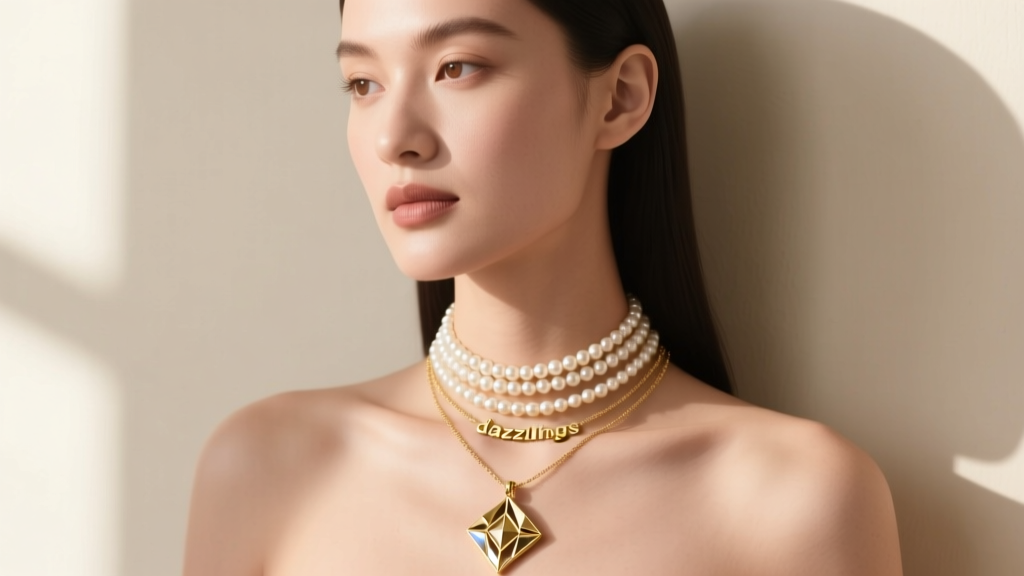
- The Anchor (14-15 inches): Start with a solid, textural base. A 2.5mm snake chain or a continuous freshwater pearl choker provides a visual foundation that grounds the erratic sparkle of the dazzlings pendant.
- The Hero (16-17 inches): This is where the dazzlings necklace sits. At this length, the cluster pendant rests perfectly in the suprasternal notch (the hollow of the collarbone), ensuring it catches light directly when the wearer is facing forward.
- The Elongator (18-20 inches): Finish the stack with a minimalist, open-link design, such as a 1.5mm paperclip chain or a simple lariat. This draws the eye downward, elongating the neck and preventing the stack from looking top-heavy.
Neckline Pairings for Maximum Refraction
The visual impact of a cluster pendant is heavily dictated by the fabric framing it. Because the dazzlings necklace relies on light refraction, it requires contrasting backgrounds and strategic skin exposure to truly pop.
The Deep V-Neck
A deep V-neck naturally mirrors the elongated, asymmetric drop of the dazzlings pendant. The fabric acts as a directional frame, pointing the viewer's eye directly toward the clustered gemstones. For this neckline, utilize the 2-inch extender to ensure the pendant sits slightly above the fabric line, preventing the metal from snagging on knitwear or silk.
The Square Neckline
Square necklines create a horizontal canvas across the upper chest. The scattered, organic arrangement of the dazzlings stones provides a brilliant contrast to the rigid, geometric lines of the garment. Opt for a shorter 16-inch chain length here to keep the cluster tightly grouped within the exposed skin area.
The Boatneck (Bateau)
Boatnecks can easily swallow delicate jewelry. If pairing a dazzlings necklace with a high, wide neckline, you must scale up. Choose a piece with a larger overall pendant drop (25mm or more) and utilize the longest chain setting to ensure the stones rest entirely on the fabric, creating a striking metallic contrast against dark, solid colors like navy or emerald.
Longevity and Care Protocols
To maintain the high-refraction sparkle of the lab-grown melee diamonds and the integrity of the gold vermeil, strict care protocols must be followed. Never use ultrasonic cleaners on demi-fine dazzlings pieces; the high-frequency vibrations can loosen the delicate prongs holding the 0.02-carat accent stones. Instead, clean the piece bi-weekly using a soft-bristled baby toothbrush, a drop of mild dish soap, and lukewarm water. Dry immediately with a microfiber cloth to prevent water spots from dulling the diamond facets. By treating the piece with the same respect as fine jewelry, the dazzlings necklace will remain a cornerstone of your 2026 wardrobe for years to come.


