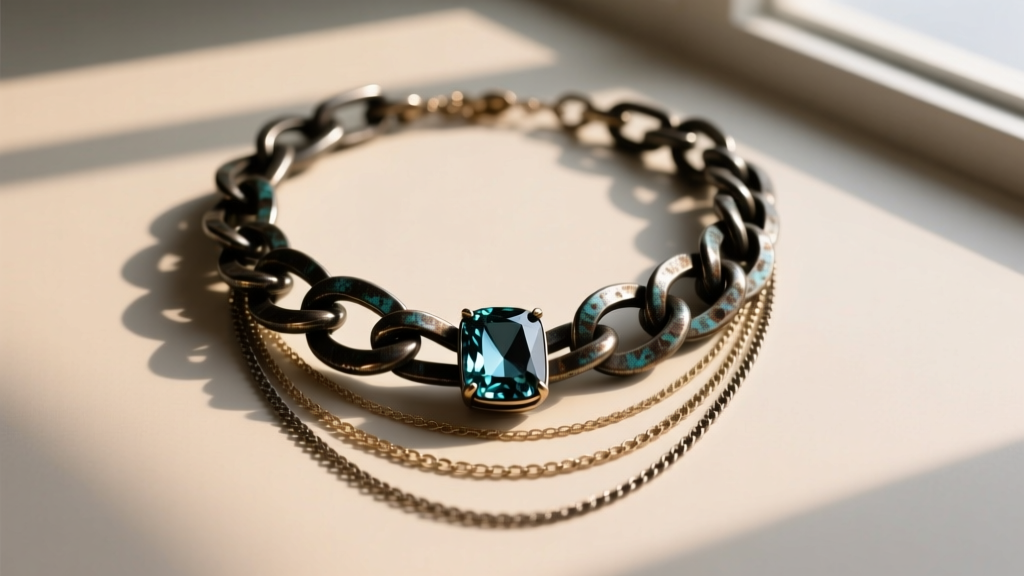
How the Theme of Necklace Design Dictates Material Choices
Discover how the theme of necklace design influences material selection. Compare gold, platinum, and titanium alloys for durability and aesthetics.

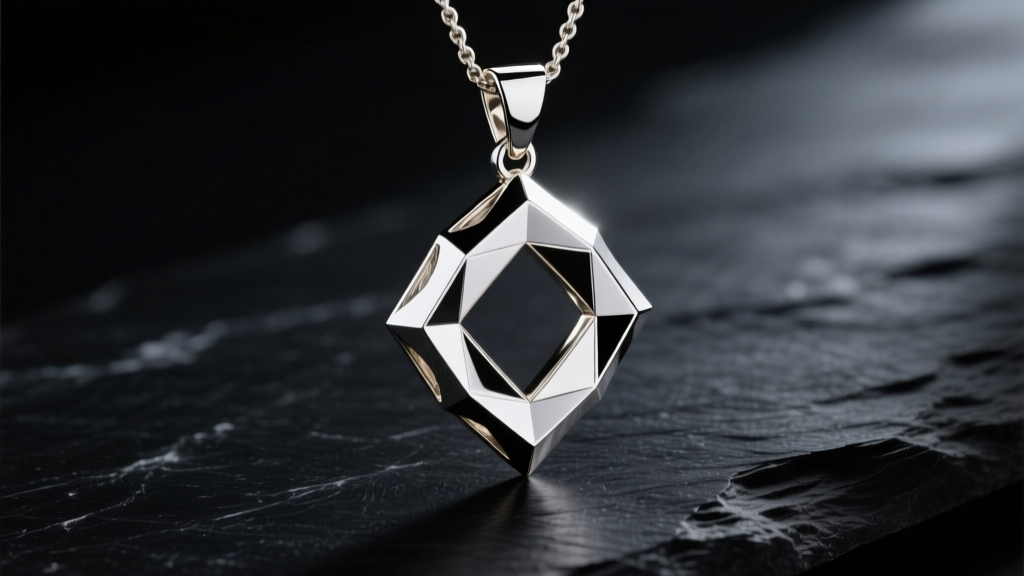
When a master jeweler begins to conceptualize a new collection, the theme of necklace design is never purely visual; it is fundamentally structural. The aesthetic vision—whether it leans toward ultra-minimalism, ornate vintage revival, or industrial avant-garde—dictates the exact metallurgical properties required for the piece to survive daily wear. In 2026, as consumers demand both hyper-specific aesthetics and lifelong durability, understanding the intersection of design themes and material science is critical for both creators and collectors.
The Intersection of Aesthetics and Metallurgy
Every design theme imposes unique physical stresses on a necklace. A delicate, sweeping floral motif requires a metal with high malleability to allow for deep relief carving and intricate wirework. Conversely, a brutalist, geometric pendant demands high Vickers hardness (HV) to maintain razor-sharp edges without deforming when bumped against a desk or collarbone. Selecting the wrong alloy for a specific theme results in rapid aesthetic degradation: soft metals lose their architectural lines, while overly hard metals can snap under the tension of intricate filigree work.
Minimalist and Architectural Themes: The Need for High Hardness
Minimalist jewelry relies on clean lines, mirror finishes, and precise geometric angles. The primary enemy of this theme is micro-abrasion and edge rounding. To maintain the crispness of an architectural pendant or a perfectly flat bar necklace, jewelers must select alloys with a high Vickers hardness rating and excellent work-hardening capabilities.
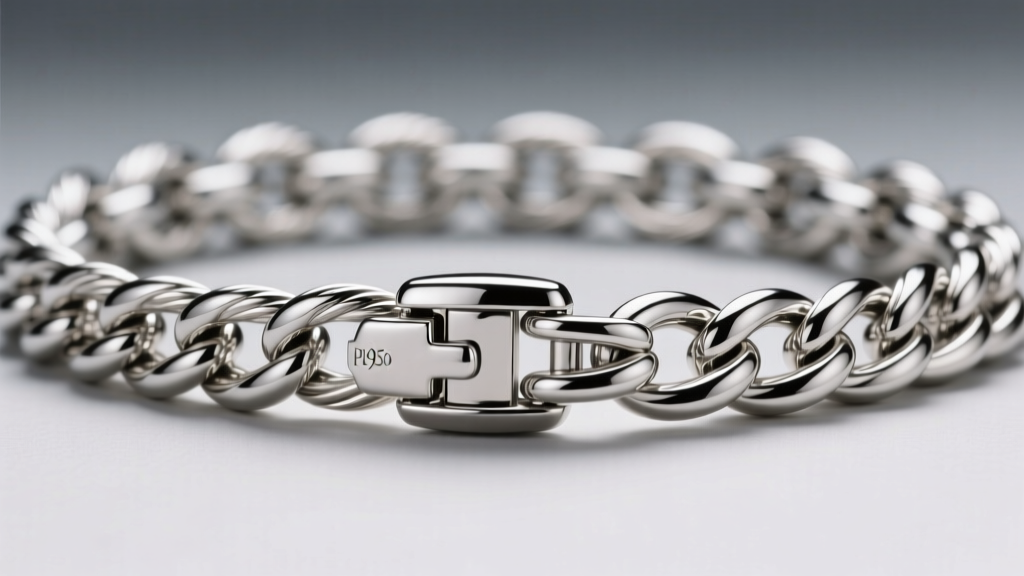
Platinum (Pt950) vs. 18k White Gold
For high-end minimalist pieces, the choice often narrows to Pt950 (95% platinum, usually alloyed with 5% ruthenium or cobalt) and 18k white gold (75% gold, alloyed with palladium or nickel). While 18k white gold possesses a higher baseline hardness (approximately 120-130 HV depending on the exact alloy mix) compared to Pt950 (around 90-110 HV), platinum's density and wear characteristics make it superior for certain minimalist applications.
"Platinum does not lose metal when scratched; it merely displaces. White gold, however, loses microscopic layers of metal and rhodium plating over time, eventually revealing the warm undertones of the gold alloy beneath." — Gemological Institute of America (GIA)
For a minimalist bezel-set diamond pendant where the bezel wall is exceptionally thin (under 0.5mm), Pt950 is the mandatory choice. Its tensile strength and malleability allow the metal to be burnished tightly against the stone's girdle without the risk of the prong or bezel wall snapping, a common failure mode in overly hardened white gold alloys.
Vintage and Heirloom Themes: Malleability and Patina
When the theme of necklace creation shifts toward vintage, Art Nouveau, or heirloom styles, the metallurgical requirements invert. These designs feature high-relief repoussé, intricate milgrain, and delicate granulation. The metal must be highly malleable, capable of being pushed, pulled, and carved without fracturing.
High-Karat Gold and Sterling Silver
22k gold (91.6% pure gold) and traditional Sterling Silver (92.5% silver, 7.5% copper) are the gold standards for vintage themes. 22k gold offers a rich, buttery yellow hue that is historically accurate for Middle Eastern and South Asian heirloom designs. However, its low hardness (roughly 70 HV) means it is highly susceptible to deformation. Chain links made of 22k gold will stretch over time if the wire gauge is too thin; a minimum of 14-gauge (1.6mm) wire is recommended for 22k gold cable chains to prevent structural elongation.
| Material / Alloy | Vickers Hardness (HV) | Malleability | Best Suited Theme | Common Failure Mode |
|---|---|---|---|---|
| 24k Pure Gold | ~40 HV | Extremely High | Ceremonial / Investment | Severe bending, link stretching |
| 22k Gold (91.6%) | ~70 HV | Very High | Vintage / Heirloom | Edge rounding, surface scratching |
| 18k Yellow Gold | ~125 HV | Moderate | Classic / Everyday Luxury | Prong wear over decades |
| 14k White Gold | ~135 HV | Low-Moderate | Geometric / Minimalist | Rhodium plating wear, brittleness |
| Pt950 (Ruthenium) | ~110 HV | Moderate | Architectural / Bridal | Surface patina (displaced metal) |
| Grade 5 Titanium | ~349 HV | Very Low | Industrial / Avant-Garde | Impossible to resize or solder |
Sterling silver, while highly workable for vintage filigree, is prone to tarnishing due to the copper content reacting with atmospheric sulfur to form silver sulfide. For vintage-themed silver necklaces, applying a micro-thin layer of Renaissance Wax or utilizing anti-tarnish e-coatings is essential to preserve the intricate shadows of the metalwork without requiring aggressive polishing that would erase the milgrain details.
Avant-Garde and Industrial Themes: Alternative Alloys
The avant-garde theme embraces the unconventional, often utilizing dark metals, matte finishes, and non-traditional textures. This design space is dominated by alternative alloys that prioritize extreme strength-to-weight ratios and unique surface treatments over traditional precious metal value.
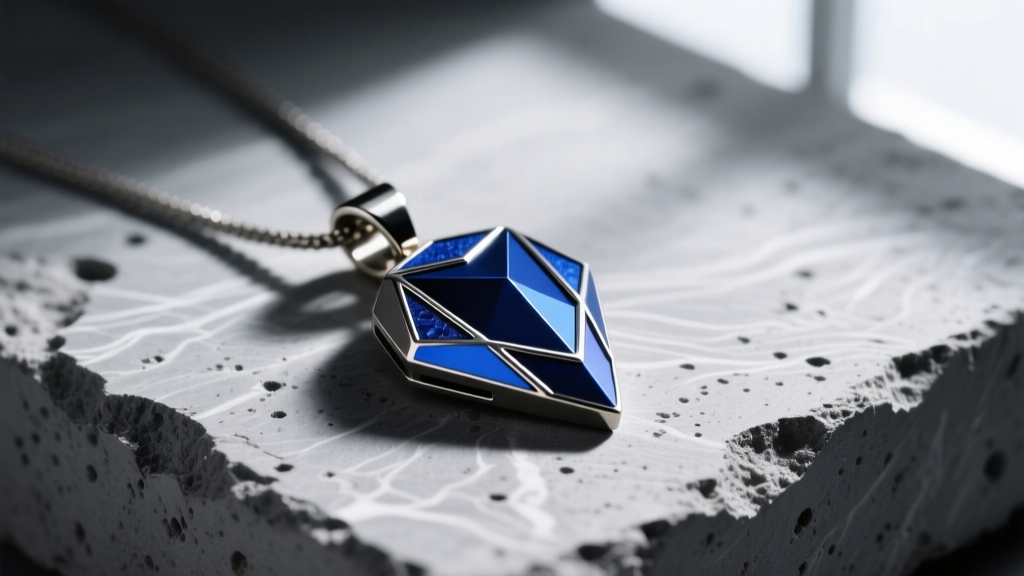
Grade 5 Titanium and 316L Surgical Steel
Grade 5 Titanium (Ti-6Al-4V) is an aerospace-grade alloy containing 6% aluminum and 4% vanadium. It is nearly four times stronger than commercially pure titanium and boasts a Vickers hardness of around 349 HV. For industrial-themed necklaces, Grade 5 titanium is unparalleled. It can be anodized using electrolytic processes to produce vibrant, permanent colors (like deep blues and purples) without the use of dyes or plating. However, its extreme hardness means it cannot be cast using traditional lost-wax methods; it must be CNC milled or 3D printed using Direct Metal Laser Sintering (DMLS).
Alternatively, 316L stainless steel is the workhorse for affordable industrial themes. Unlike 304 stainless steel, the 316L grade contains 2-3% molybdenum, which drastically increases its resistance to pitting and crevice corrosion from chlorides (like sweat and swimming pool water). According to technical data from Rio Grande, 316L's low carbon content ('L' stands for low carbon) prevents chromium carbide precipitation during welding, making it ideal for necklaces that require laser-welded structural joints.
Troubleshooting Common Material Failures
Understanding material properties allows jewelers to preemptively design out common failure modes associated with specific necklace themes:
- Clasp Spring Fatigue: In minimalist designs using lightweight 18k gold, the internal spring mechanism of a lobster clasp can lose tension. Upgrading the clasp component to stainless steel or Pt900 ensures the spring retains its memory over thousands of articulation cycles.
- Chain Link Elongation: Heavy architectural pendants placed on delicate 14k gold chains will cause the links to stretch due to the constant gravitational load. A general rule of thumb is that the chain's breaking strength should be at least 10 times the weight of the pendant.
- Galvanic Corrosion: In mixed-metal avant-garde pieces, pairing highly anodic metals (like aluminum or sterling silver) with cathodic metals (like platinum or high-karat gold) in the presence of sweat (an electrolyte) will cause rapid galvanic corrosion of the anodic metal. Always use inert barriers or nylon washers between dissimilar metals.
Sourcing and Pricing Benchmarks
Material selection is ultimately constrained by budget. As noted by the World Gold Council, the spot price of gold remains a primary driver, but the alloying metals introduce significant variables. Palladium-alloyed white gold is significantly more expensive than nickel-alloyed white gold, though the latter is increasingly avoided due to contact dermatitis risks. Platinum's high density means a Pt950 pendant will weigh roughly 60% more than an identically sized 18k gold piece, compounding the cost difference not just in spot price, but in raw gram weight.
Conclusion
Ultimately, the theme of necklace design is a negotiation between the artist's vision and the laws of physics. By matching the metallurgical properties of gold, platinum, titanium, and steel to the specific structural demands of minimalist, vintage, or avant-garde themes, jewelers can create pieces that are not only visually striking but engineered to endure. Whether you are sourcing materials for a new collection or evaluating the longevity of an heirloom piece, respecting the underlying science of the alloy is the true mark of fine jewelry craftsmanship.