The Ultimate Three Color Gold Necklace Gift Guide for 2026
Discover the perfect three color gold necklace for every milestone. Our 2026 gift guide covers karat weights, chain weaves, and occasion matching.

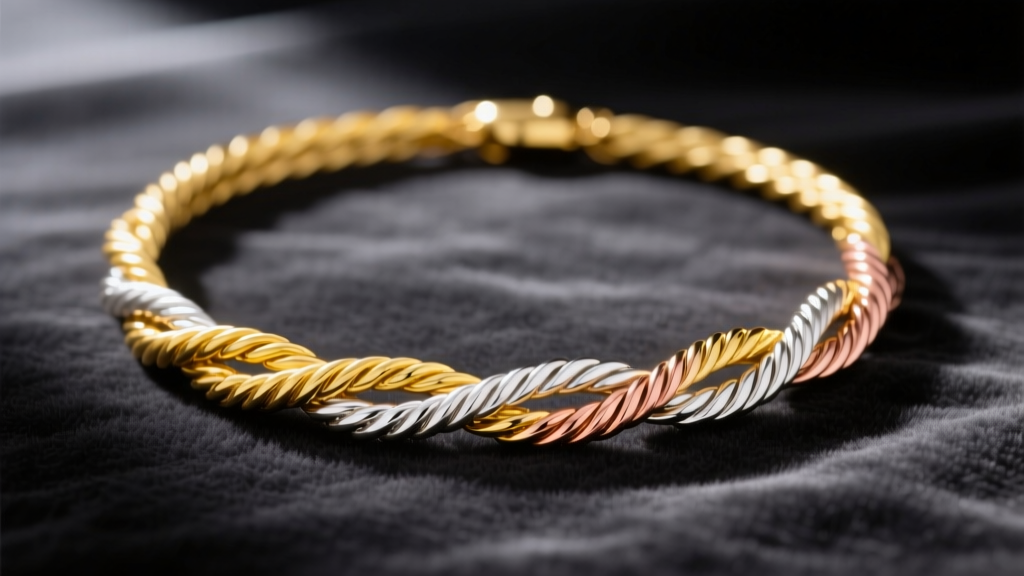
The Renaissance of Mixed Metals: Why Tri-Color Gold Dominates 2026
In the contemporary jewelry landscape, the rigid rules of matching metals have completely dissolved. As we navigate through 2026, the mixed-metal aesthetic is no longer just a passing trend; it is a foundational element of modern personal style. At the forefront of this movement is the three color gold necklace. Combining yellow, white, and rose gold into a single cohesive piece, these necklaces offer unparalleled versatility, allowing the wearer to seamlessly pair them with any other jewelry in their collection. However, gifting a tri-color gold piece requires more than just picking a pretty design. It demands an understanding of metallurgy, chain mechanics, and occasion-specific styling. This comprehensive guide will equip you with the expert knowledge needed to select a tri-color gold necklace that is both structurally enduring and emotionally resonant.
The Metallurgy of a Three Color Gold Necklace
To truly appreciate the value of a tri-color piece, one must understand the complex metallurgy required to create it. Pure 24k gold is too soft for daily wear, so it is alloyed with other metals to achieve durability and color. According to the Gemological Institute of America (GIA), the specific alloy ratios dictate not only the hue but also the melting point and tensile strength of the final piece.
Decoding the Alloys
- Yellow Gold: The baseline alloy. In 14k yellow gold, the composition is roughly 58.5% pure gold, mixed with equal parts copper and zinc to maintain a warm, traditional hue without compromising structural integrity.
- Rose Gold: The pinkish tint is achieved by significantly increasing the copper content. A standard 14k rose gold alloy contains up to 33% copper and a touch of silver. This high copper content lowers the melting point, which poses a challenge during the manufacturing process.
- White Gold: Created by alloying gold with white metals like palladium or nickel. Because natural white gold still retains a faint yellowish-gray tint, it is electroplated with a microscopic layer (usually 0.75 to 1.0 microns) of rhodium to achieve a brilliant, mirror-like white finish.
Expert Insight: The true mark of a high-quality three color gold necklace lies in its solder joints. Because rose gold melts at a lower temperature than white or yellow gold, traditional torch soldering can easily 'blow out' or melt the rose gold links. Premium manufacturers in 2026 utilize precision laser welding to fuse the different alloys without compromising the structural integrity of the adjacent links.
Occasion Matching: Gifting by Milestone
A tri-color necklace is a highly symbolic gift, often representing the intertwining of different paths, relationships, or phases of life. Here is how to match the style of the necklace to the specific occasion.
Anniversaries and Romantic Milestones
For anniversaries, the interlocking circle motif (often referred to as a Trinity or Russian wedding ring style) remains the gold standard. The three continuous, unbroken loops represent the past, present, and future of a relationship. For a 10th or 15th anniversary, opt for an 18k gold pendant on a delicate 16-inch or 18-inch cable chain. The higher gold content (75% pure) gives the piece a richer luster and a heavier, more luxurious drape that signifies a mature, enduring bond.
Graduations and Career Milestones
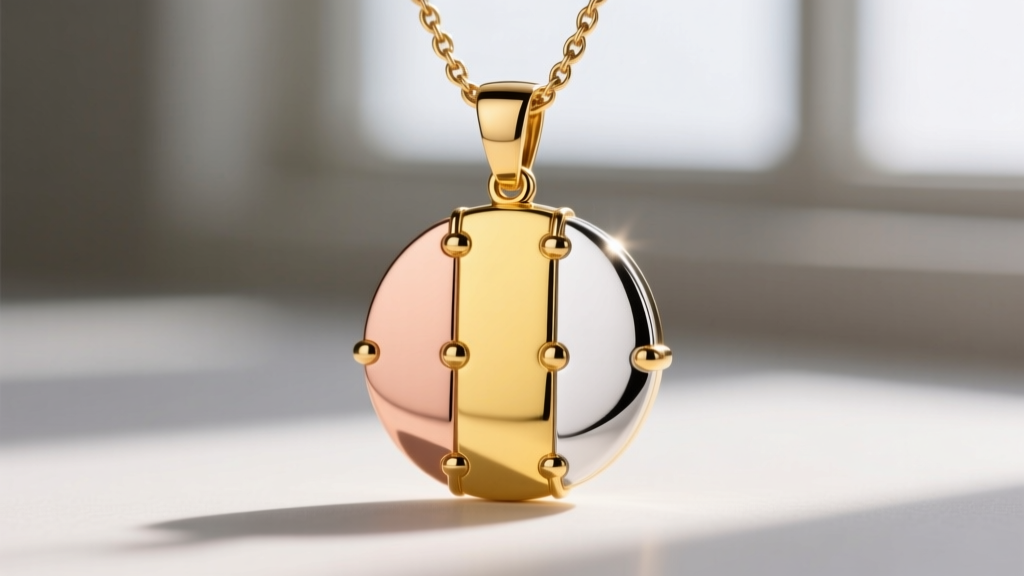
When gifting a necklace for a graduation or a significant career promotion, lean towards geometric pendants or sleek, modern chain weaves. A tri-color bar pendant or a minimalist woven rope chain in 14k gold offers a sophisticated, professional aesthetic that transitions easily from the boardroom to evening events. The 14k alloy is harder and more scratch-resistant, making it ideal for a young professional entering a fast-paced environment.
Generational and Heritage Gifts
For milestone birthdays (such as a 50th or 60th) or generational gifts passed from mother to daughter, weight and presence are key. A heavy tri-color Figaro or Curb chain, weighing between 15 and 25 grams, serves as a substantial heirloom piece. These thicker chains often feature hollow-core or semi-solid links to keep the price accessible while maintaining a bold visual footprint.
Chain Weave Matrix: Durability and Pricing
Selecting the right chain weave is critical for both the aesthetic and the longevity of the necklace. Below is a 2026 buyer’s matrix detailing the most common tri-color chain weaves, their durability profiles, and current market pricing for a standard 18-inch length.
| Chain Weave | Durability Profile | Average 14k Price (3mm) | Average 18k Price (3mm) | Best Occasion |
|---|---|---|---|---|
| Rope Chain | High (twisted links distribute tension evenly) | $650 - $900 | $1,800 - $2,400 | Everyday wear, Pendants |
| Figaro Chain | Medium-High (patterned links can snag if pulled) | $550 - $800 | $1,500 - $2,100 | Statement pieces, Men's gifts |
| Curb Chain | Very High (flat, interlocking links lay flush) | $700 - $1,100 | $2,000 - $2,800 | Heirloom gifts, Heavy pendants |
| Box Chain | Medium (square links can kink if bent sharply) | $450 - $650 | $1,200 - $1,700 | Delicate pendants, Layering |
Hardware and Clasp Mechanics
The clasp is the most common point of failure on any necklace, and this is especially true for multi-alloy pieces where the weight distribution can be uneven. When investing in a three color gold necklace, scrutinizing the hardware is non-negotiable.
The Spring Ring Failure Point
Many entry-level tri-color necklaces are fitted with spring ring clasps to cut manufacturing costs. A spring ring contains a tiny internal steel spring that keeps the clasp closed. Over time, exposure to moisture, lotions, and natural skin acids can cause this steel spring to rust or lose tension, resulting in a clasp that fails to close securely. Furthermore, the internal spring is not made of gold, meaning the clasp is not entirely hypoallergenic.
The Lobster Claw Advantage
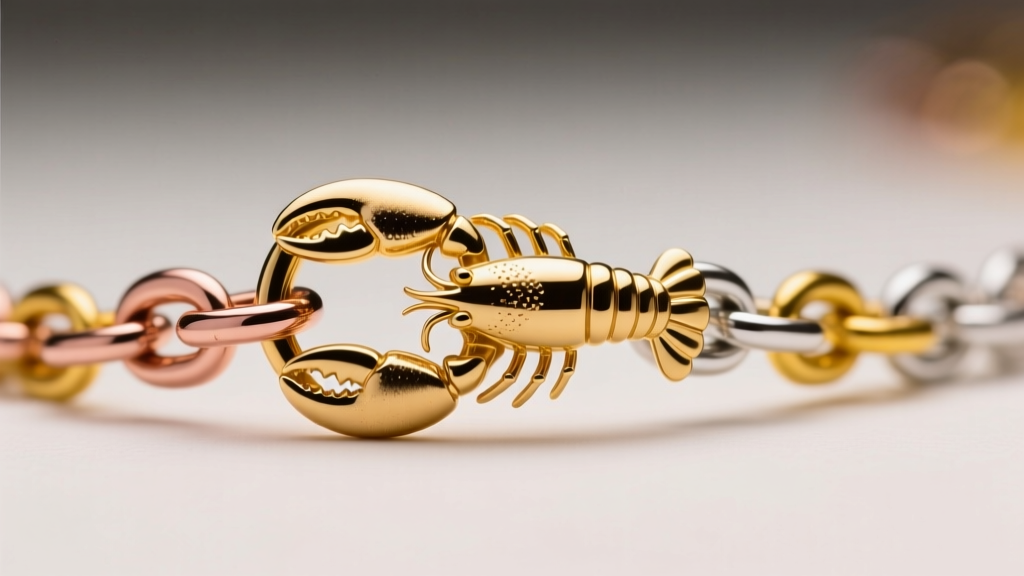
For any tri-color chain weighing over 5 grams, a solid gold lobster claw clasp is mandatory. Lobster clasps utilize a solid metal trigger mechanism without the vulnerable internal steel spring found in spring rings. When evaluating a lobster clasp, check the 'throw' of the trigger—it should open smoothly and snap back with a definitive, crisp click. Additionally, ensure the jump ring (the small loop the clasp hooks into) is fully soldered closed. An unsoldered jump ring will eventually pull apart under the weight of a tri-color chain.
Maintenance and Rhodium Replating
Owning a tri-color necklace requires a specific maintenance routine, primarily due to the white gold segments. As mentioned, white gold relies on rhodium plating for its bright white color. With daily wear, the friction against the skin and clothing will eventually wear away this microscopic layer, revealing the naturally yellowish-gray alloy beneath. This is not a defect; it is a fundamental characteristic of white gold.
Expert Tip: Never use abrasive polishing cloths on the white gold segments of your tri-color necklace. Polishing cloths contain mild abrasives that will strip the rhodium plating prematurely. Instead, use a soft microfiber cloth and warm, soapy water for routine cleaning.
To maintain the stark contrast between the three colors, the white gold segments will need to be professionally replated with rhodium every 12 to 18 months, depending on the wearer's body chemistry and wear habits. The Jewelers of America recommends having a professional jeweler inspect the solder joints and clasp mechanism during this replating service to ensure the structural integrity of the multi-alloy piece remains intact. By understanding these metallurgical nuances and hardware specifics, you can confidently select a three color gold necklace that will serve as a flawless, enduring gift for any of life's major milestones.


