The Three Strand Pearl Necklace: Budget & Value Guide
Discover the true value of a three strand pearl necklace. We break down 2026 pricing tiers, pearl grades, and construction costs for smart buyers.

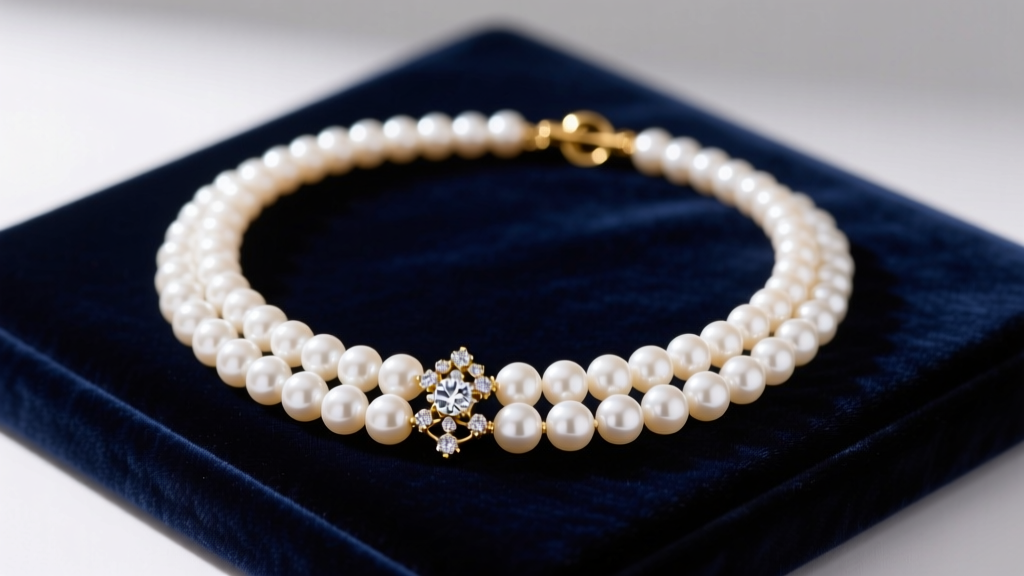
The True Cost of Elegance: Understanding the Three Strand Pearl Necklace
A multi-strand pearl piece is a masterclass in jewelry engineering and aesthetic balance. However, evaluating a three strand pearl necklace requires looking far beyond the surface luster. As we navigate the luxury market in 2026, the shift toward transparent nacre-thickness reporting and sustainable farming has fundamentally changed how we assess value. Unlike a single strand, a three-strand piece introduces complex variables: the matching premium, specialized clasp mechanics, and compounding maintenance costs. This guide deconstructs the budget and true value of these heirloom pieces, separating marketing markup from genuine gemological quality.
The "Matching Premium" in Multi-Strand Jewelry
The most misunderstood value driver in pearl jewelry is the matching premium. To create a high-quality 18-inch three-strand necklace, a jeweler needs approximately 150 to 180 perfectly matched pearls. According to the Gemological Institute of America (GIA), matching pearls for body color, overtone, luster, and surface cleanliness is exponentially more difficult than sourcing a single strand.
Pearl harvests yield thousands of gems, but only a tiny fraction share identical optical properties. When a buyer purchases a premium three-strand piece, they are paying for the labor-intensive sorting process. A reputable dealer will reject hundreds of pearls to ensure the inner, middle, and outer strands exhibit a unified overtone (such as a consistent rose or silver hue). Consequently, a three-strand necklace often costs 20% to 35% more than the combined price of three individual, separately purchased single strands of the exact same grade.
Pearl Varieties and 2026 Market Valuations
The baseline budget for your necklace is dictated by the mollusk species and cultivation method. Below is a breakdown of the primary pearl types used in multi-strand configurations, reflecting current 2026 retail pricing for an 18-inch, three-strand layout.
| Pearl Type | Typical Size Range | Target Grade | Estimated Retail Value |
|---|---|---|---|
| Freshwater (Round) | 7.0mm - 9.0mm | AAA (Top 5%) | $800 - $1,800 |
| Akoya (Japanese) | 7.0mm - 8.5mm | Hanadama / AAAA | $3,500 - $7,500 |
| White South Sea | 10.0mm - 13.0mm | AAA / Gem Grade | $25,000 - $60,000+ |
Freshwater: The Budget-Conscious Choice
Modern Edison and tissue-nucleated freshwater pearls offer incredible luster at a fraction of the cost of saltwater varieties. However, in a three-strand configuration, lower-grade freshwater pearls will quickly reveal their flaws. The sheer volume of pearls (over 150) means any slight variation in shape (off-round or oval) or surface blemishes will be magnified. Only purchase AAA-grade freshwater pearls for multi-strand designs.
Akoya: The Classic Standard
Akoya pearls are the traditional choice for three-strand necklaces due to their sharp, mirror-like luster and perfect spherical shape. For investment value, insist on Hanadama certification or verified nacre thickness of at least 0.6mm. Thin-nacre Akoya pearls (under 0.3mm) will peel and lose their luster within a decade, rendering the necklace worthless.
Construction, Knotting, and Clasp Mechanics
The physical assembly of a three strand pearl necklace dictates its longevity and daily wearability. Because three strands constantly rub against one another, individual knotting is non-negotiable. Knots prevent pearl-on-pearl abrasion, which can permanently dull the nacre. Furthermore, if the silk breaks, knotting ensures you lose only one pearl rather than an entire strand.
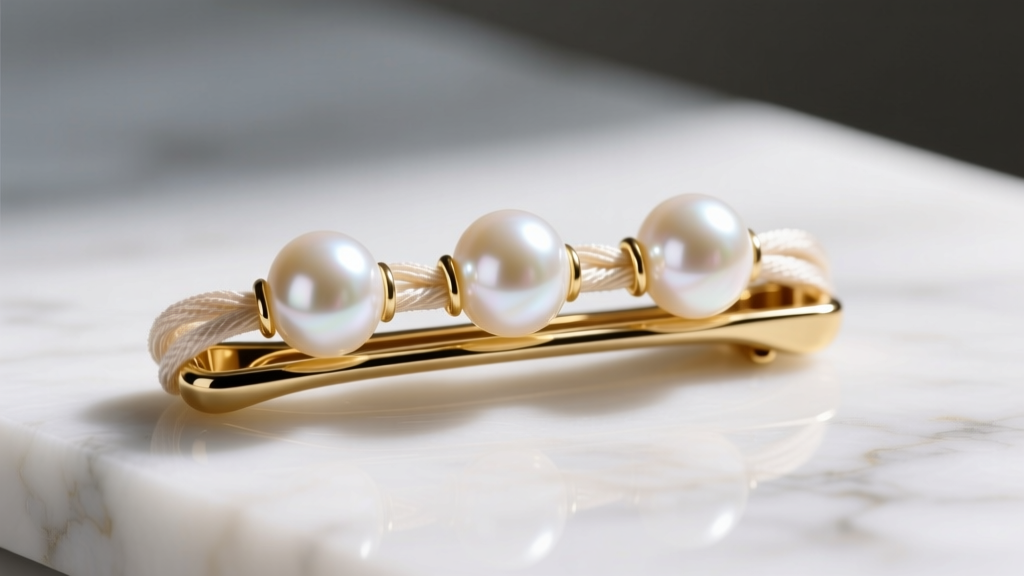
The Clasp: A Critical Point of Failure
Multi-strand necklaces require specialized clasps to hold the combined weight and tension of three silk threads.
- Tongue Clasps (Recommended): A fold-over tongue mechanism that locks into a box. High-end versions include a figure-8 safety wire on each side to prevent catastrophic loss if the primary latch fails.
- Pearl Clasps: A decorative clasp featuring a central pearl. While beautiful, they often lack the structural tension required for three heavy strands and should be avoided for necklaces over 50 grams.
- Barrel Clasps (Avoid): These screw together and are a major red flag. They warp over time, strip their threads, and are notoriously difficult to fasten without assistance. Their presence on a three-strand piece usually indicates mass-produced, low-tier manufacturing.
Additionally, inspect the "French wire" (or gimp)—the tiny coiled metal spring where the silk thread meets the metal clasp. This prevents the metal from slicing through the silk. If a three-strand necklace lacks French wire or flexible nylon guards, walk away.
The Hidden Cost of Ownership: Restringing
When budgeting for fine jewelry, buyers often ignore maintenance. Pearls are organic gems; they absorb oils, sweat, and cosmetics, which degrade the silk thread they are strung on. The American Gem Society recommends restringing pearl necklaces worn frequently every one to two years.
Restringing a three strand pearl necklace is a highly specialized, labor-intensive process. Jewelers typically charge per knot or per strand. In 2026, the average cost to restring a single strand is $35 to $50. Therefore, maintaining a three-strand piece will cost between $105 and $150 every time it requires servicing. When assessing the value of a vintage or estate piece, always factor in an immediate $150 restringing bill, as the original silk is likely compromised.
Budget Breakdown: What Your Money Actually Buys
To help you allocate your budget effectively, here is a practical decision framework based on current market pricing.
Tier 1: Under $1,500 (Commercial Freshwater)
At this price point, you are purchasing high-quality freshwater pearls. Expect excellent luster and near-perfect roundness. The clasps will likely be 14k gold-filled or sterling silver. This is the best value for buyers who want the visual impact of a multi-strand piece without the saltwater premium.
Tier 2: $3,000 - $8,000 (Fine Akoya)
This is the sweet spot for heirloom-quality jewelry. You will receive AAAA or Hanadama grade Akoya pearls with thick nacre (0.5mm+), individually knotted on pure silk with French wire, and finished with a solid 18k gold tongue clasp featuring diamond accents. This tier holds its resale value best among pearl jewelry.
Tier 3: $20,000+ (South Sea Luxury)
White or Golden South Sea pearls in a three-strand configuration are rare and exceptionally heavy. At this tier, you are paying for extreme scarcity. Ensure the piece comes with a reputable gemological lab report verifying the pearls are bead-nucleated and untreated. The clasp should feature significant diamond pavé to visually balance the massive 12mm+ pearls.
Assessing Vintage and Estate Pieces
Buying a vintage three strand pearl necklace can yield incredible value, but it requires strict due diligence. Older pieces (pre-1990s) often suffer from nacre degradation. Hold the necklace under a bright LED light and roll the pearls. If you see a "blinking" effect—where the dark bead nucleus shows through the thin nacre—the pearls are structurally compromised and cannot be restored.
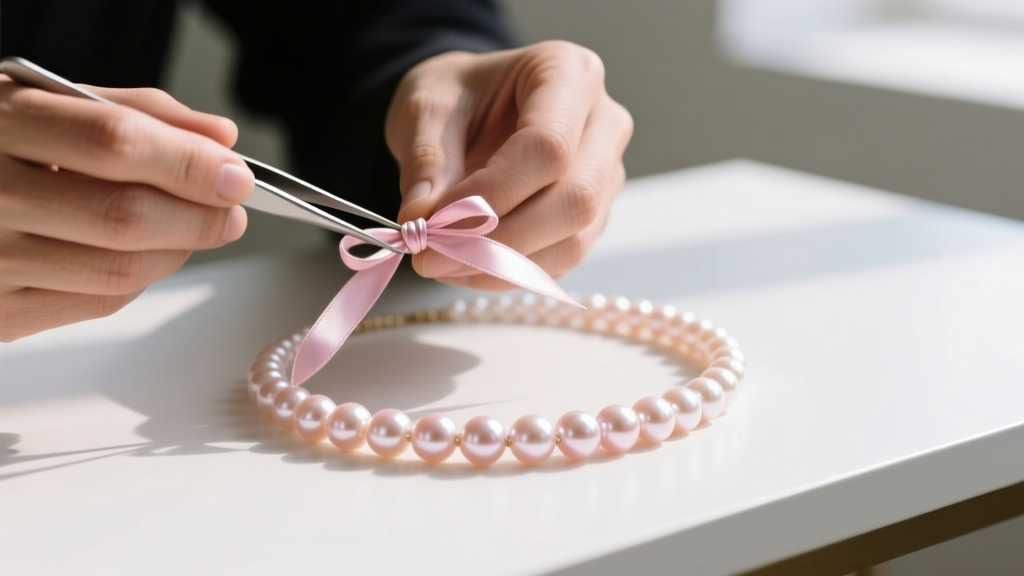
Furthermore, check for yellowing. While some collectors appreciate the patina of aged ivory pearls, severe yellowing caused by acidic sweat and perfume exposure indicates structural damage to the conchiolin (the organic protein binding the nacre). Always negotiate the price of estate pieces down by at least 20% to account for the mandatory professional restringing and ultrasonic clasp cleaning required before wear.
Final Verdict on Value Assessment
A three strand pearl necklace is not merely three necklaces combined; it is a complex feat of gemological sorting and structural engineering. True value lies in the matching premium, the thickness of the nacre, and the mechanical integrity of the tongue clasp. By prioritizing knotting quality and verifying nacre depth over sheer size, buyers can secure a multi-strand masterpiece that retains both its physical beauty and its financial value for generations.


