Thunderbird Necklace Materials: Silver, Turquoise & Metal Alloys
Compare traditional and modern materials for a thunderbird necklace. Explore sterling silver, turquoise, brass, and titanium properties.

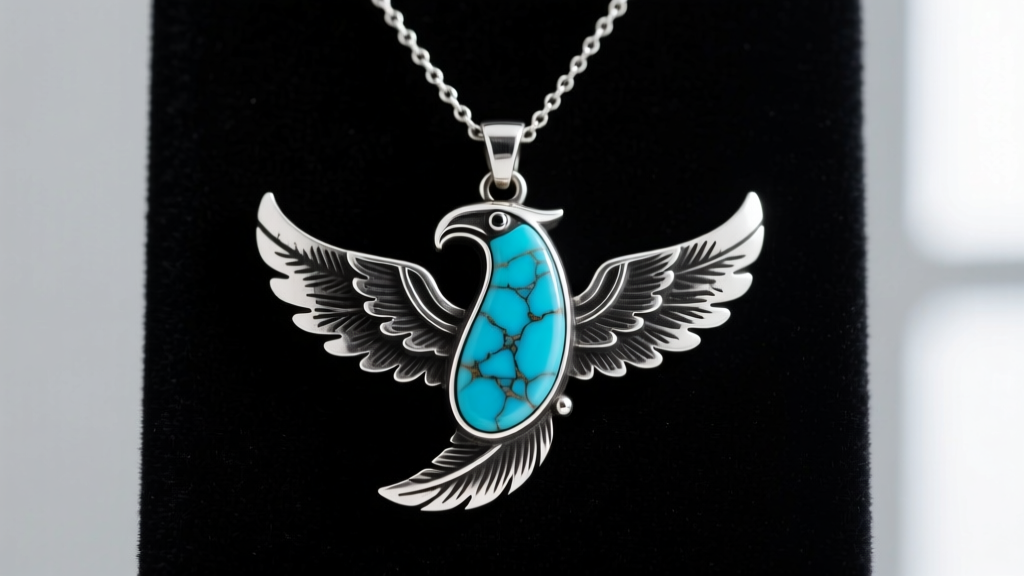
The thunderbird is a legendary supernatural creature of profound spiritual significance across numerous Indigenous North American cultures, symbolizing power, protection, and the life-giving forces of rain and storms. When translated into jewelry, a thunderbird necklace serves as both a striking aesthetic statement and a wearable talisman. However, the longevity, skin reactivity, and cultural authenticity of these pieces are entirely dictated by their material composition. Whether you are investing in a vintage Navajo stamp-work piece or a contemporary Pacific Northwest carved pendant, understanding the metallurgical and gemological properties of the materials involved is critical for making an informed purchase.
Traditional Metals: Sterling Silver vs. Coin Silver
Historically, Indigenous silversmiths in the American Southwest utilized whatever metals were available, leading to a distinct divergence in the alloys used for thunderbird pendants. Today, collectors and artisans primarily work with two silver grades, each offering unique mechanical properties.
Sterling Silver (.925)
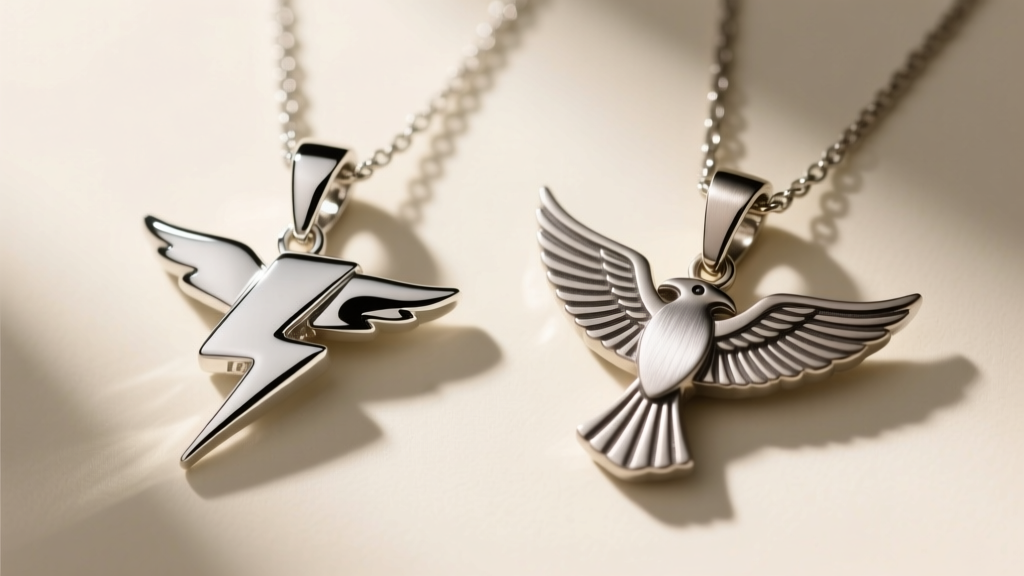
Sterling silver consists of 92.5% pure silver and 7.5% copper. The addition of copper increases the Vickers Hardness (HV) from roughly 25 HV (pure silver) to about 65 HV, making it durable enough for intricate stone setting and channel inlay. However, the copper content makes sterling silver highly susceptible to sulfur-induced tarnishing. According to the Indian Arts and Crafts Board, genuine Native American sterling silver jewelry must be stamped ".925" or "Sterling" to comply with federal authenticity regulations.
Coin Silver (.900)
Prior to the widespread availability of commercial silver sheeting, Navajo and Zuni artisans melted down US silver coins to forge their jewelry. Coin silver is an alloy of 90% silver and 10% copper. Because of the higher copper content, coin silver is slightly softer (approx. 55 HV) and more malleable than sterling, making it the preferred metal for deep, traditional stamp-work and repoussé techniques. Visually, coin silver develops a warmer, darker patina over time compared to the brighter, cooler oxidation of sterling silver.
Gemstone & Inlay Properties: Turquoise, Coral, and Lapis
The thunderbird motif is frequently brought to life through vibrant gemstone inlays. The structural integrity of these stones varies wildly, requiring specific care and setting techniques.
Turquoise: Natural vs. Stabilized
Turquoise is a hydrous phosphate of copper and aluminum, registering between 5 and 6 on the Mohs hardness scale. Because it is inherently porous, natural turquoise can absorb skin oils, cosmetics, and environmental pollutants, which may alter its color matrix over time. To combat this, modern artisans often use stabilized turquoise. As detailed by the Gemological Institute of America (GIA), stabilization involves infusing the porous stone with a clear epoxy resin under pressure. This process raises the effective hardness to a 6 or 7, seals the porosity, and locks in the vibrant blue-green hue without adding artificial dyes. When buying a thunderbird necklace with turquoise inlay, always ask the artisan if the stone is natural, stabilized, or dyed (reconstituted).
Red Coral and Lapis Lazuli
Genuine Mediterranean red coral (Corallium rubrum) is an organic calcium carbonate gemstone with a low Mohs hardness of 3.5 to 4. It is highly reactive to acids, meaning exposure to citrus, vinegar, or even acidic perspiration can permanently etch the surface. Due to CITES restrictions and environmental protections, many contemporary thunderbird pieces now utilize bamboo coral dyed red, or synthetic alternatives. Lapis lazuli (Mohs 5-5.5) contains calcite and pyrite inclusions; the calcite veins are particularly vulnerable to scratching and chemical degradation from harsh jewelry cleaners.
Material Hardness & Reactivity Chart
| Material | Mohs Hardness | Porosity / Reactivity | Best Setting Style |
|---|---|---|---|
| Natural Turquoise | 5.0 - 6.0 | High porosity; color shifts with oils | Bezel set with sealed backing |
| Stabilized Turquoise | 6.0 - 7.0 | Non-porous; highly stable | Channel inlay, flush setting |
| Red Coral (Natural) | 3.5 - 4.0 | Reacts to acids and heat | Protected bezel, low-profile |
| Lapis Lazuli | 5.0 - 5.5 | Calcite veins prone to etching | Solid bezel, avoid ultrasonic |
Organic & Carved Materials: Bone, Horn, and Antler
In Pacific Northwest and Plains Indian traditions, the thunderbird is frequently carved from organic materials rather than cast in metal. Bone, antler, and horn offer a lightweight, earthy alternative to heavy silver pendants, but they present unique structural challenges.
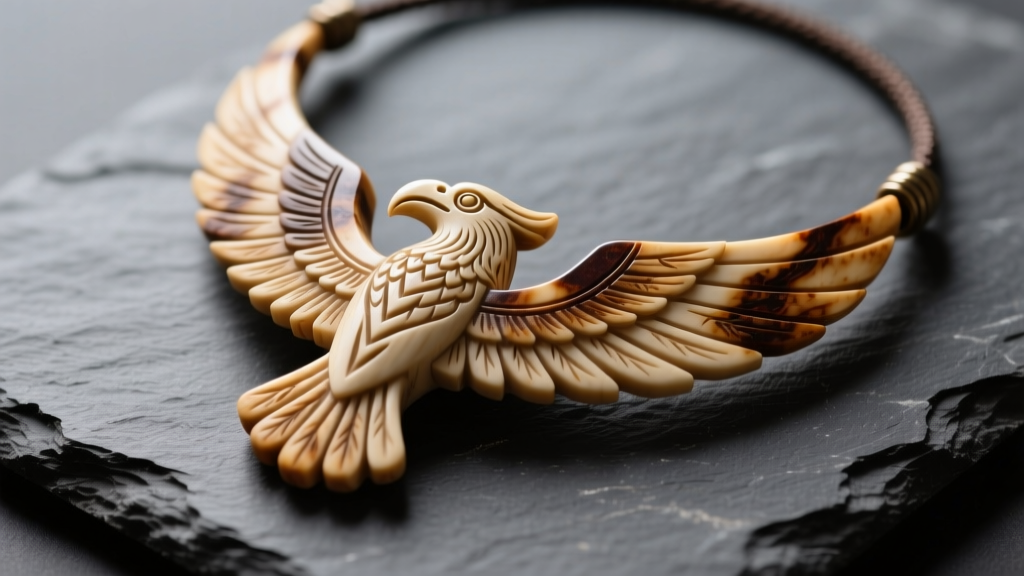
These materials are hygroscopic, meaning they readily absorb and release moisture from the surrounding environment. A bone-carved thunderbird pendant worn directly against the skin during high-humidity summer months will absorb perspiration, causing the organic matrix to swell. When moved to a dry, climate-controlled interior, the rapid loss of moisture can lead to micro-fissures, warping, or outright cracking. To mitigate this, master carvers treat organic pendants with microcrystalline wax or natural oils (like jojoba or mineral oil) to seal the microscopic pores. When evaluating a carved organic thunderbird necklace, inspect the thinnest points of the wings and tail feathers for stress fractures, which are common failure points due to the natural grain structure of the bone.
Modern Alternatives: Titanium and Surgical Steel
While traditionalists favor silver and stone, a new generation of Indigenous and contemporary metalsmiths are forging thunderbird necklaces from advanced alloys like Titanium and 316L Surgical Stainless Steel.
Titanium (Grade 2 vs. Grade 5)
Titanium is prized for its exceptional strength-to-weight ratio. A large, intricate thunderbird pendant that would weigh a burdensome 80 grams in sterling silver will weigh less than 45 grams in titanium, drastically reducing neck strain. Artisans typically use Grade 2 (Commercially Pure) titanium for its superior malleability and ability to be anodized into vibrant, permanent colors without the use of toxic dyes. Grade 5 (Ti-6Al-4V) is harder and used for CNC-milled or precision-cut modern interpretations, though it is nearly impossible to resize or repair using traditional soldering techniques.
316L Surgical Steel
For wearers with severe contact dermatitis or nickel allergies, 316L stainless steel offers a hypoallergenic, highly tarnish-resistant alternative. The "L" denotes low carbon, which prevents chromium depletion at the grain boundaries during the laser-cutting process often used to create modern thunderbird silhouettes. While it lacks the historical prestige and intrinsic resale value of coin silver, 316L requires virtually zero maintenance and withstands harsh environmental exposure, making it ideal for daily, active wear.
Care and Maintenance Framework
Preserving the material integrity of your thunderbird necklace requires a tailored approach based on its specific composition. Follow this actionable maintenance framework:
- For Sterling & Coin Silver: Use a sulfur-free polishing cloth. Never use liquid silver dips on pieces with turquoise or coral inlays, as the thiourea chemicals will permanently strip the polish from the stones and degrade organic adhesives.
- For Natural Turquoise & Coral: Wipe gently with a damp, lint-free microfiber cloth after wearing to remove acidic skin oils. Store in a breathable cotton pouch; storing turquoise in airtight plastic can cause the stone to dehydrate and crack.
- For Bone & Antler Carvings: Re-condition the carving once every six months using a light coat of food-grade mineral oil. Avoid sudden temperature shocks, such as leaving the necklace in a freezing car overnight before bringing it into a heated room.
- For Titanium & Steel: Clean with warm water and a mild dish detergent. Use a soft-bristled toothbrush to clear debris from laser-cut crevices. Titanium anodized colors can be dulled by abrasive polishing compounds, so avoid harsh scrubbing.
"Understanding the geology and metallurgy behind Indigenous jewelry transforms you from a passive consumer into an informed custodian of cultural art." — Curatorial insights from the Smithsonian National Museum of the American Indian.
Final Considerations for Collectors
Selecting the right thunderbird necklace is a balance between aesthetic preference, material durability, and respect for cultural origins. If you prioritize historical authenticity and collectible value, seek out hallmarked coin silver pieces with natural, untreated turquoise. If your priority is lightweight, hypoallergenic daily wear that withstands the elements, a Grade 2 anodized titanium or 316L steel pendant will serve you best. By matching the material properties to your lifestyle, you ensure that this powerful symbol of protection remains pristine for generations.


