Tigger Necklace Buying Guide: What to Look For in 2026
Discover our 2026 Tigger necklace buying guide. Learn how to choose licensed character jewelry, compare enamel types, and select durable chain gauges.
The Rise of Nostalgic Character Jewelry in 2026
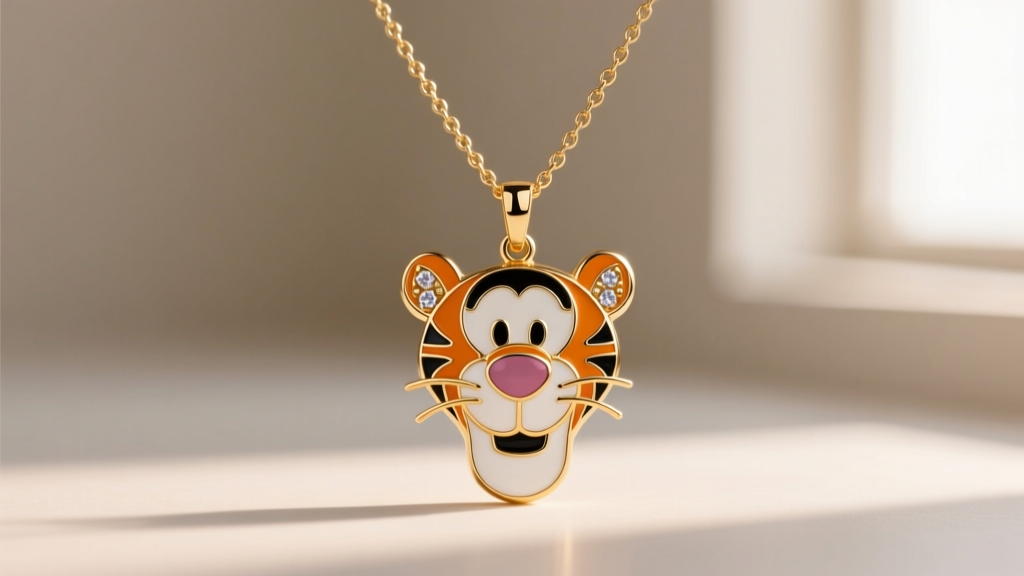
Character-inspired jewelry has transcended childhood accessories to become a staple of nostalgic, everyday adult fashion. Among the most beloved motifs is the energetic, honey-loving tiger from the Hundred Acre Wood. When shopping for a tigger necklace, buyers are no longer limited to cheap, carnival-prize metals. Today's market offers sophisticated, high-quality interpretations that balance playful character design with fine jewelry craftsmanship. However, navigating the intersection of intellectual property licensing, enamel durability, and precious metal grading requires a discerning eye.
This comprehensive buying guide will walk you through the exact specifications, material grades, and structural details you need to evaluate before investing in a character pendant. Whether you are purchasing a gift or adding to your own nostalgic collection, understanding these nuances will ensure your jewelry lasts for decades, not just months.
Licensed Merchandise vs. Custom Artisan Pieces
The first decision in your buying journey is choosing between officially licensed merchandise and independent artisan interpretations. Officially licensed pieces, typically found through the Disney Store or authorized theme park retailers, guarantee exact character proportions and trademark accuracy. These pieces are usually mass-produced using standardized molds and cold enamel techniques.
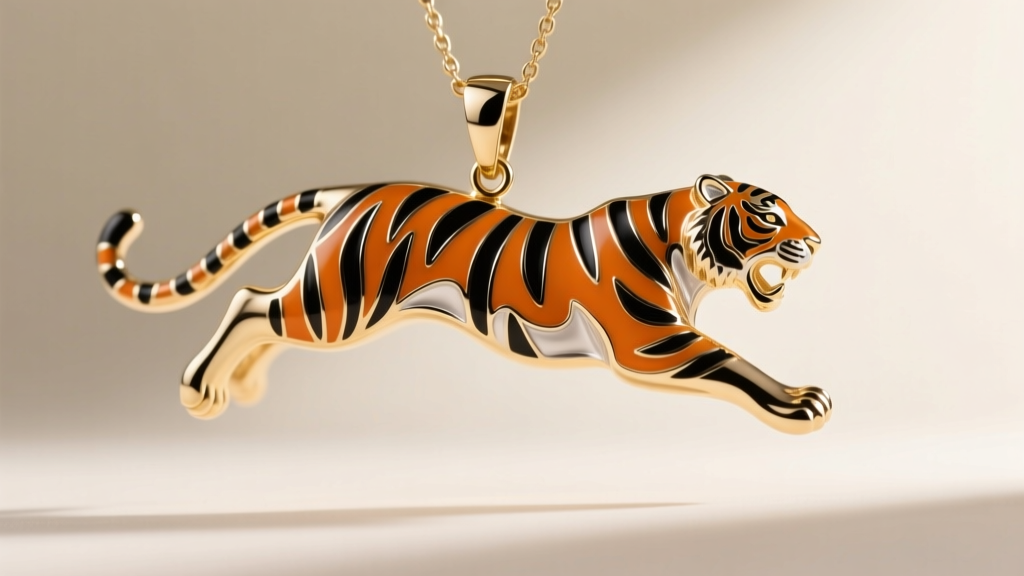
Conversely, independent jewelers on platforms like Etsy often create 'character-inspired' silhouettes that evoke the bouncy tiger's essence without infringing on copyrights. Artisan pieces often feature superior metallurgical choices, such as solid 14k gold or kiln-fired vitreous enamel, but they may lack the exact, recognizable facial details of the official character. When buying licensed jewelry, always look for the hallmark or stamp indicating the manufacturer's authorization to ensure you are not purchasing counterfeit goods plated in hazardous base metals.
Decoding the Materials: Enamel and Base Metals
The visual appeal of any character necklace relies heavily on its coloration. Because gemstones cannot easily replicate the bright orange and black stripes of a tiger motif, jewelers turn to enamel. Understanding the difference between enamel types is critical for long-term wearability.
Cold Enamel (Epoxy Resin) vs. Vitreous Enamel
Most commercial character pendants utilize cold enamel, which is technically an epoxy resin. It is poured into metal cavities and cured at room temperature or with low heat. While it offers vibrant, opaque colors, cold enamel sits slightly below the metal bezel walls to protect it from impacts. Over time, epoxy can yellow from UV exposure or chip if dropped on a hard surface. According to the Gemological Institute of America (GIA), traditional vitreous enamel is made from powdered glass fired at temperatures exceeding 1400°F. Vitreous enamel is significantly harder, scratch-resistant, and will never yellow, making it the superior choice for heirloom-quality character jewelry, though it is much rarer and more expensive.
Gold Vermeil vs. Flash Plating
If your pendant features gold tones over a silver base, you must verify the plating thickness. The Federal Trade Commission (FTC) Jewelry Guides strictly define gold vermeil as a sterling silver base plated with at least 10k gold that is a minimum of 2.5 microns thick. This thickness ensures the gold layer will not rub off against the wearer's skin or clothing within the first year. In contrast, 'flash-plated' or 'gold-washed' items contain less than 0.5 microns of gold and will quickly tarnish, exposing the brass or copper base metal underneath, which can cause skin discoloration and allergic reactions.
Selecting the Right Chain Gauge and Clasp
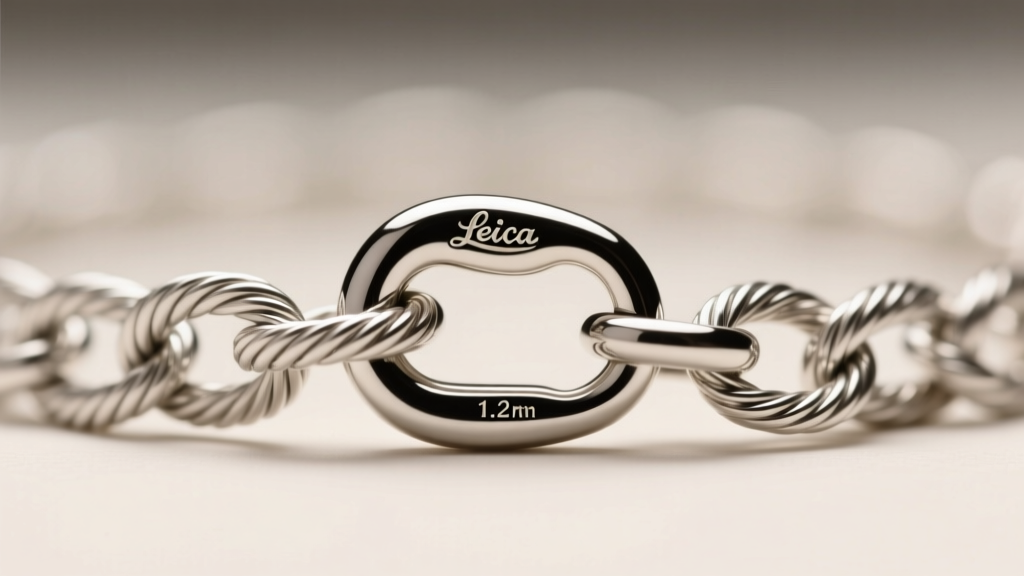
A common mistake buyers make is pairing a heavy, detailed character pendant with an inadequate chain. A standard enameled tiger pendant typically weighs between 8 and 15 grams. Suspending this weight requires a chain with high tensile strength and properly soldered jump rings.
| Chain Style | Recommended Gauge | Best For Pendant Weight | Durability Rating |
|---|---|---|---|
| Cable Chain | 1.2mm - 1.5mm | 5g - 15g | High |
| Rolo Chain | 1.5mm - 2.0mm | 10g - 25g | Very High |
| Box Chain | 0.9mm - 1.2mm | Under 8g | Medium |
| Wheat Chain | 1.0mm - 1.5mm | 8g - 20g | Very High |
Clasp Selection: Always avoid spring-ring clasps for character pendants. The internal springs fail frequently, and the small loops can easily pull open under the dynamic weight of a bouncing pendant. Insist on a lobster clasp with a soldered jump ring at the attachment point. An unsoldered jump ring (one with a visible slit) will eventually snag on clothing and pull apart, resulting in the loss of your necklace.
Proportions, Bail Sizing, and Necklace Length
The dimensions of the pendant dictate how it will sit on the chest. A typical Tigger silhouette pendant measures roughly 25mm in height and 15mm in width. Because character silhouettes are often asymmetrical (e.g., a leaping pose with an extended tail), the placement of the bail (the loop that connects the pendant to the chain) is crucial. An improperly placed bail will cause the pendant to flip upside down or lay crookedly against the sternum.
For a 25mm pendant, an 18-inch 'princess' length chain is generally the most flattering, allowing the character to rest just below the collarbone. If the pendant features a large, integrated bail (common in cast-metal character pieces), ensure the inner diameter of the bail is at least 4mm to accommodate a 1.5mm chain without causing excessive friction and metal wear.
Long-Term Care and Enamel Preservation
Character jewelry requires specific maintenance routines to preserve the vibrant enamel and metal finishes. Never use ultrasonic cleaners on enameled jewelry. The high-frequency vibrations can easily shatter vitreous enamel or cause cold epoxy resin to detach from the metal cavity walls.
- Cleaning: Use only a soft, lint-free microfiber cloth and warm water with a drop of mild dish soap. Avoid abrasive polishing cloths, as they contain micro-compounds that will scratch the enamel and strip gold vermeil.
- Chemical Exposure: Remove the necklace before swimming in chlorinated pools or using household cleaners. Chlorine reacts aggressively with the copper alloys often found in sterling silver and brass bases, leading to structural brittleness.
- Storage: Store the necklace flat or hung on a jewelry stand. Tossing enameled pendants into a crowded jewelry box guarantees micro-chipping along the raised metal bezel edges.
Final Verdict: Investing in Quality Nostalgia
Finding the perfect tigger necklace is about balancing emotional resonance with objective jewelry standards. By prioritizing sterling silver bases, verifying gold vermeil thickness, demanding soldered lobster clasps, and understanding the limitations of cold enamel, you can secure a piece of wearable nostalgia that withstands the test of time. Whether you opt for an officially licensed theme park exclusive or a custom-enameled artisan piece, applying these rigorous buying criteria will ensure your jewelry remains as bouncy and resilient as the character it represents.


