The Titanic Necklace: A Material and Gemstone Guide
Explore the materials behind the Titanic necklace. We compare sapphire, tanzanite, and CZ gems alongside platinum, white gold, and silver settings.

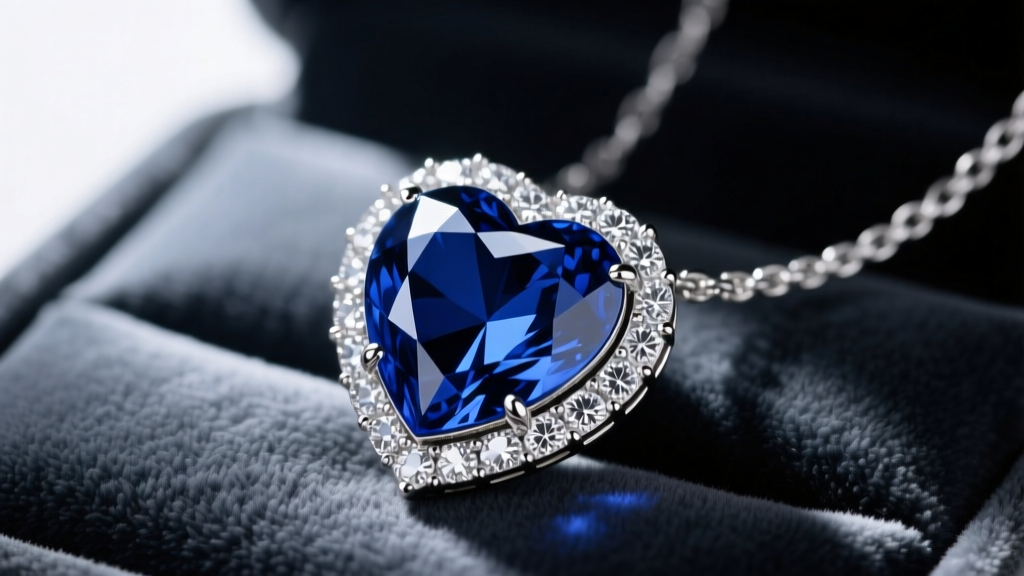
The Legacy of the Heart of the Ocean
Few pieces of cinematic jewelry have captured the global imagination quite like the Titanic necklace, famously known as the 'Heart of the Ocean.' While the original 1997 film prop was crafted from white gold and a blue cubic zirconia, its cultural impact spawned a massive market for replicas and high-end homages. Today, in 2026, jewelers utilize a vast spectrum of materials to recreate this iconic piece, ranging from affordable fashion alloys to investment-grade platinum and natural Ceylon sapphires.
Understanding the material properties of these replicas is crucial for collectors and enthusiasts. The longevity, brilliance, and intrinsic value of a Titanic-inspired pendant depend entirely on the specific gemological and metallurgical choices made by the artisan. Below, we deconstruct the gems and metals that define this legendary necklace.
Gemstone Breakdown: Sapphire vs. Tanzanite vs. Cubic Zirconia
The defining feature of the Titanic necklace is its massive, heart-shaped blue center stone. Replicas typically rely on four primary gemstones, each with distinct optical and physical properties.
Natural and Lab-Created Sapphires
The most prestigious replicas, including the legendary 171-carat Ceylon sapphire piece crafted by Asprey & Garrard for Celine Dion, utilize natural blue sapphire (corundum). Sapphires boast a Mohs hardness of 9, making them exceptionally resistant to scratching. In 2026, lab-created sapphires grown via the Verneuil or flux-melt processes dominate the mid-tier market. These lab stones offer identical chemical compositions (Al2O3) and refractive indices (1.76–1.77) to mined stones, providing deep, velvety blue saturation without the ethical concerns or exorbitant costs of natural gems. For a comprehensive breakdown of corundum properties, refer to the Gemological Institute of America (GIA).
Tanzanite and Blue Topaz
For buyers seeking a natural stone at a lower price point, tanzanite and blue topaz are common alternatives. Tanzanite offers a stunning violet-blue pleochroism, meaning it flashes different colors depending on the viewing angle. However, with a Mohs hardness of only 6 to 7, tanzanite is highly susceptible to chipping and requires protective bezel or halo settings. Blue topaz (Mohs 8) is more durable but often exhibits a lighter, more 'electric' blue that lacks the deep, inky oceanic hue of the original movie prop.
Cubic Zirconia (CZ) and Glass
Budget replicas rely on cubic zirconia or faceted blue glass. CZ has a high refractive index (2.15–2.18), giving it an intense, fiery sparkle that actually exceeds that of a sapphire. While visually striking, CZ is softer (Mohs 8–8.5) and tends to accumulate microscopic surface abrasions over time, leading to a cloudy appearance after a few years of daily wear.
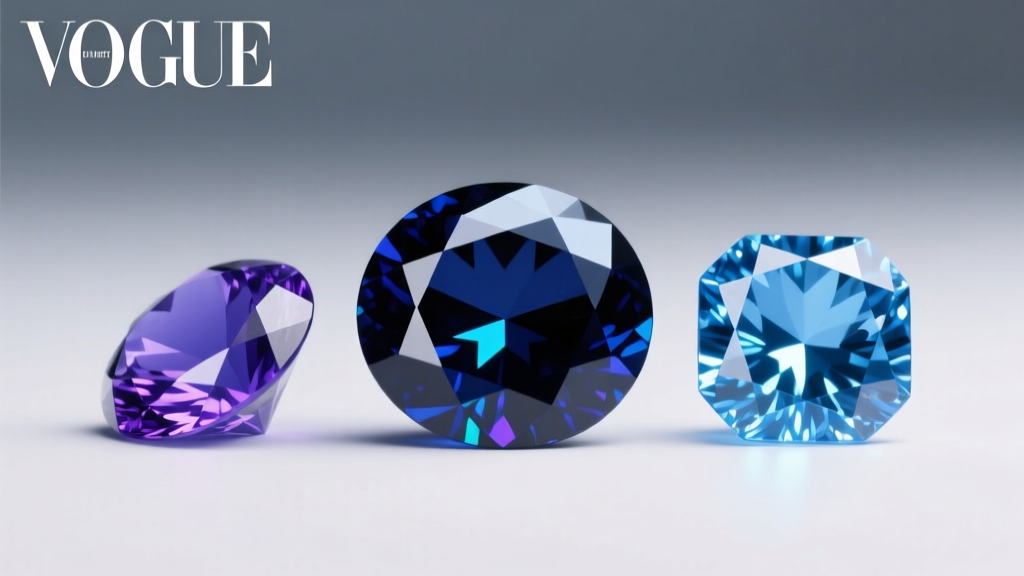
Comparative Gemstone Data
| Gemstone | Mohs Hardness | Refractive Index | Typical Price per Carat (2026) |
|---|---|---|---|
| Natural Ceylon Sapphire | 9.0 | 1.76 - 1.77 | $2,500 - $10,000+ |
| Lab-Created Sapphire | 9.0 | 1.76 - 1.77 | $50 - $150 |
| Tanzanite | 6.0 - 7.0 | 1.69 - 1.70 | $400 - $800 |
| Cubic Zirconia | 8.0 - 8.5 | 2.15 - 2.18 | $1 - $5 |
Metal Settings: Platinum, White Gold, and Sterling Silver
The intricate, articulated chain and the diamond-encrusted halo of the Titanic necklace require a metal that can withstand tension while maintaining a bright, silvery luster. The choice of metal dictates the necklace's weight, hypoallergenic properties, and long-term maintenance requirements.
Platinum (950 Pt)
High-end, investment-grade replicas are cast in 950 platinum (95% platinum, 5% ruthenium or iridium). Platinum is incredibly dense, giving the necklace a substantial, luxurious heft. Unlike plated metals, platinum's white color is natural and will never fade. When scratched, platinum develops a 'patina' rather than losing metal mass, meaning the prongs securing the center stone remain structurally sound for generations. The GIA notes that platinum's durability makes it the premier choice for securing high-value, heavy center stones like large cabochon or heart-cut sapphires.
18k and 14k White Gold
White gold is an alloy of yellow gold mixed with white metals like palladium, nickel, or silver. Because the underlying alloy still retains a faint yellowish or grayish tint, white gold jewelry is electroplated with rhodium to achieve a mirror-like, brilliant white finish. A standard rhodium plating is between 0.75 and 1.0 microns thick. In 2026, advanced nano-ceramic topcoats are sometimes applied over the rhodium to extend its lifespan, but eventually, white gold chains will require re-plating every 2 to 5 years to prevent the yellowish under-alloy from showing through at the friction points of the chain links.
Sterling Silver and Brass Alloys
Fashion-tier replicas utilize sterling silver (92.5% silver, 7.5% copper) or brass bases. Sterling silver is highly prone to oxidation and tarnishing when exposed to sulfur and moisture in the air. To mitigate this, silver Titanic replicas are heavily flash-plated with rhodium. While beautiful initially, once the thin flash plating wears off at the clasp and jump rings, the underlying silver will rapidly tarnish, requiring frequent polishing with a specialized jeweler's cloth.

Chain Construction and Articulation
A frequently overlooked aspect of the Titanic necklace is its complex chain. The original design does not use a simple cable or rolo chain; it features custom-articulated white gold links interspersed with smaller diamond and CZ stations. Replicating this requires advanced metallurgical engineering.
- Laser Welding: Premium replicas use laser welding to close the jump rings connecting the articulated links, ensuring the heavy pendant does not pull the chain apart.
- Clasp Mechanics: High-quality versions employ a lobster clasp with a secondary safety catch (a figure-8 wire), essential for supporting the 20-50 gram weight of a large stone and metal pendant.
- Link Flexibility: The chain must drape fluidly over the collarbone. Stiff chains indicate poor casting or inadequate polishing of the interior link surfaces, causing the metal to bind against itself.
How to Choose Your Replica Based on Material Longevity
When selecting a Titanic necklace, align your material choices with your intended wear frequency and budget. For occasional, costume-inspired wear, a sterling silver and cubic zirconia piece (typically $80–$200) offers maximum visual impact for minimal investment. However, keep it away from perfumes and lotions to preserve the rhodium flash.
For a lifelong heirloom piece, bypass white gold and opt for a lab-created sapphire set in solid 950 platinum (typically $1,500–$3,500). This combination guarantees that the stone will never scratch, the metal will never tarnish or require re-plating, and the prongs will securely hold the stone for decades.
Expert Maintenance Tip: Never use ultrasonic cleaners on Titanic replicas featuring tanzanite or fracture-filled sapphires. The high-frequency vibrations can cause internal inclusions to expand, shattering the stone. Stick to a soft-bristled brush, warm water, and mild dish soap for safe at-home cleaning.
Conclusion
The enduring allure of the Titanic necklace lies not just in its cinematic romance, but in its striking visual design. By understanding the distinct properties of sapphires, tanzanites, platinum, and white gold, buyers can navigate the saturated replica market with confidence. Whether you are investing in a natural Ceylon masterpiece or a meticulously crafted lab-grown homage, prioritizing material integrity ensures your 'Heart of the Ocean' will continue to sparkle for generations.


