Titanic Necklace Style Guide: Heart of the Ocean 2026 Trends
Discover how the iconic Titanic necklace is evolving in 2026. Explore Heart of the Ocean styling tips, material grades, and modern sapphire trends.

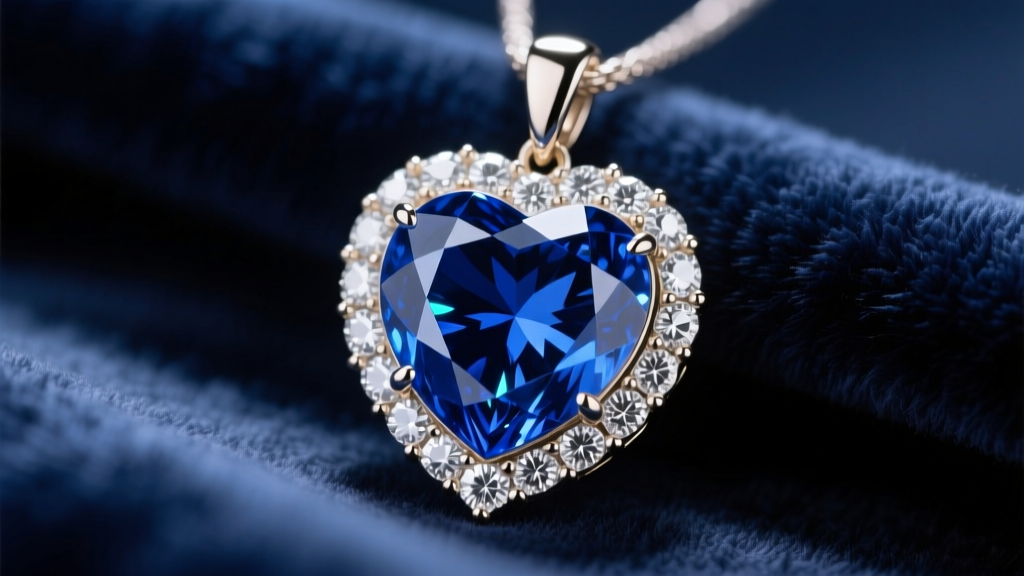
The Enduring Allure of the Titanic Necklace
Decades after James Cameron’s 1997 cinematic masterpiece captivated the globe, the titanic necklace remains one of the most searched and culturally significant jewelry motifs in history. Originally conceived as the 'Heart of the Ocean,' the piece bridges the gap between historical Edwardian elegance and modern romanticism. While the original movie prop was crafted by London jeweler Asprey & Garrard using a blue zirconium oxide heart surrounded by cubic zirconia, the cultural footprint it left spawned a massive market for replicas, homages, and high-end sapphire interpretations.
As we navigate the jewelry landscape of 2026, the titanic necklace has transcended its origins as a mere movie prop or prom-night costume accessory. Today’s collectors and style enthusiasts are seeking sophisticated, ethically sourced, and structurally sound interpretations of this iconic heart pendant. The modern Heart of the Ocean is less about mimicking a 1990s red-carpet look and more about integrating a bold, cinematic statement piece into contemporary, minimalist wardrobes.
Material Breakdown: Beyond the Movie Prop
The most critical decision when investing in a high-quality titanic necklace is the center stone. The original 1997 film used zirconium oxide, but the subsequent real-world Asprey & Garrard piece featured a staggering 171-carat Ceylon sapphire. In 2026, the market is dominated by three primary gemstones, each offering distinct advantages in hardness, color saturation, and price.
| Gemstone | Mohs Hardness | Avg. Price per Carat | Durability & Notes |
|---|---|---|---|
| Natural Ceylon Sapphire | 9.0 | $1,500 - $5,000+ | Exceptional. Ideal for heirloom pieces. Look for unheated stones with vivid cornflower blue saturation. |
| Lab-Grown Sapphire | 9.0 | $300 - $800 | Exceptional. Chemically identical to natural sapphire. The top choice for eco-conscious buyers wanting massive carat weights. |
| Tanzanite | 6.5 - 7.0 | $400 - $1,200 | Good, but requires care. Offers a unique violet-blue pleochroism that mimics the movie prop's depth under studio lighting. |
| Swiss Blue Topaz | 8.0 | $20 - $50 | Fair. Prone to cleavage if struck. Best for occasional wear rather than daily use. |
According to the Gemological Institute of America (GIA), sapphire is a 9 on the Mohs scale, making it the second hardest natural gemstone after diamond. This is crucial for a heart-shaped stone, as the sharp 'cleft' at the top of the heart is a vulnerability point where chipping can occur if a softer stone like tanzanite is used in a bezel or tight prong setting.
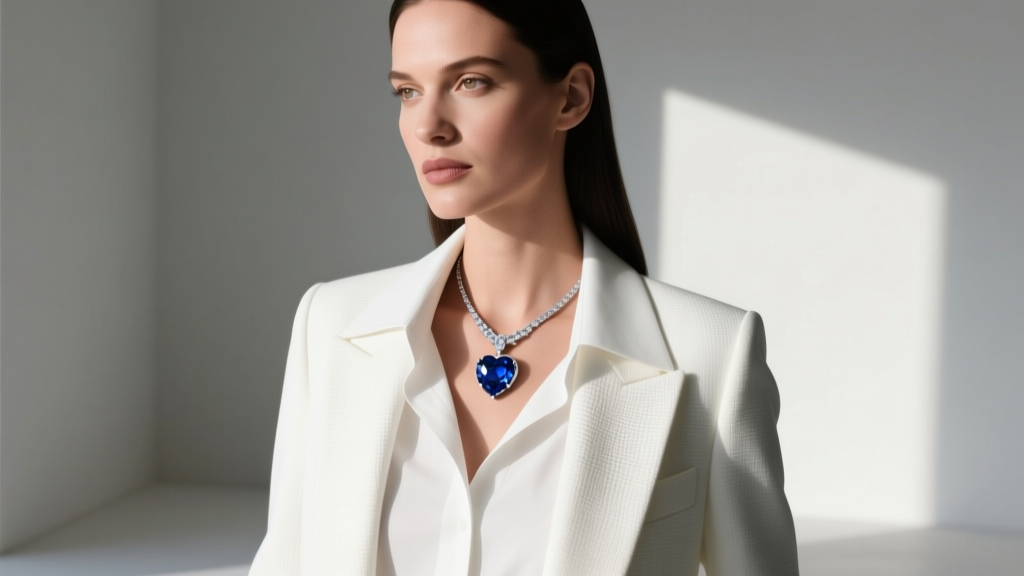
2026 Styling: Modernizing the Heart of the Ocean
The most common styling mistake with a titanic necklace is treating it exclusively as formalwear. The 2026 trend cycle heavily favors 'editorial contrast'—pairing historically opulent jewelry with relaxed, structured, or streetwear-inspired tailoring.
The Editorial Contrast
Rather than pairing a heavy sapphire heart pendant with a deep-V ballgown, contemporary stylists recommend wearing it against a crisp, oversized white poplin button-down or a structured charcoal wool blazer. The stark contrast between the masculine tailoring and the hyper-romantic, glittering heart pendant creates a striking visual tension. For a more casual approach, layering a 5-carat lab-grown sapphire heart over a simple ribbed white tank top elevates an everyday outfit into high-fashion territory.
Chain Upgrades and Fittings
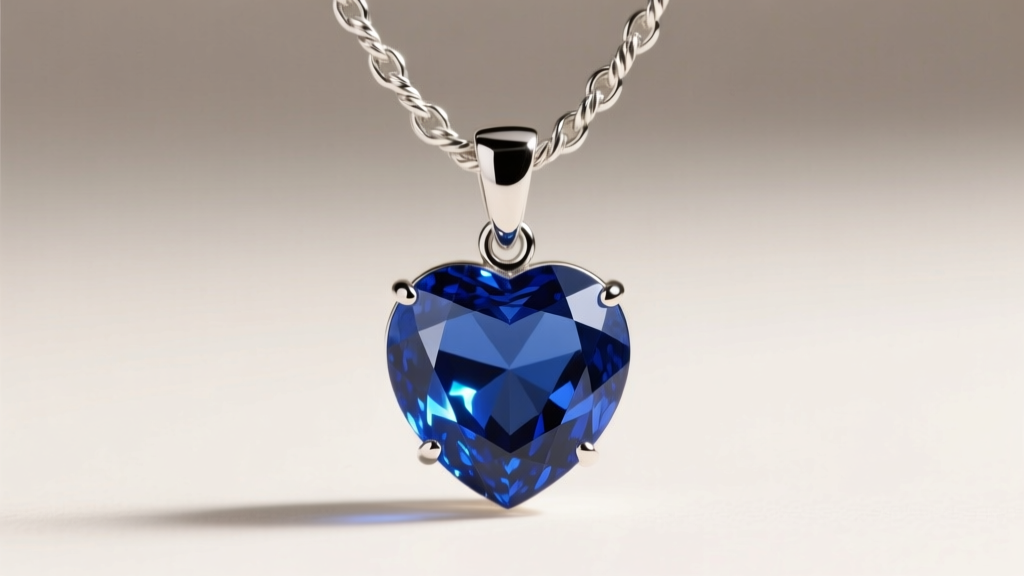
A major trend this year is the rejection of the traditional, overly ornate white gold chains that characterized late-90s jewelry. Instead, the modern titanic necklace utilizes industrial-leaning chain profiles. A polished platinum or 18k white gold rope chain provides a liquid-metal aesthetic that allows the pendant to take center stage without competing with the chain's design.
'The key to wearing cinematic jewelry in the 2020s is subversion. You want the Heart of the Ocean, but you want to wear it like it’s an architectural artifact, not a costume piece.' — Elara Vance, Senior Jewelry Historian
Engineering Heavy Pendants: Chain and Bail Mechanics
One of the most overlooked aspects of buying a large heart pendant is the structural engineering required to support it. A 15-carat sapphire heart, combined with a diamond halo and the precious metal setting, can easily weigh between 8 and 12 grams. When worn, the dynamic load of the pendant swinging against the chest creates immense focal stress at the bail (the loop connecting the pendant to the chain).
- Chain Thickness: Never hang a heavy heart pendant on a standard 1.2mm or 1.5mm cable chain. The dynamic stress will eventually cause the links to stretch and snap. Opt for a minimum 3.0mm to 4.0mm solid rope or wheat chain.
- Bail Reinforcement: Avoid 'hidden bails' that are merely glued or lightly soldered to the back of the halo. A European bail (a continuous, soldered loop integrated into the setting's gallery) or a reinforced V-bail is mandatory for stones over 10 carats.
- Clasp Security: The weight of the pendant will constantly pull the chain forward, putting stress on the clasp. Always use a lobster clasp with a secondary safety catch, or a secure tongue-and-groove box clasp.
Investment and Pricing Tiers
Understanding the market segmentation for titanic necklaces helps buyers avoid overpaying for brand names while ensuring they receive quality materials. Here is a breakdown of what to expect in the current market:
1. The Demi-Fine Tier ($800 - $2,500)
This tier typically features lab-grown sapphires (5 to 10 carats) set in solid 14k or 18k white gold, surrounded by a halo of lab-grown melee diamonds. This is the sweet spot for buyers who want the authentic weight, cold-to-the-touch feel, and optical brilliance of real gemstones without the high-jewelry premium.
2. The Fine Jewelry Tier ($5,000 - $25,000)
At this level, you are looking at natural, earth-mined sapphires (often with origins in Sri Lanka or Madagascar), set in 18k white gold or platinum. The melee diamonds in the halo will be natural, VS-clarity stones. These pieces often come with independent gemological certificates detailing the stone's exact color grade and any heat treatments.
3. The High Jewelry / Heritage Tier ($50,000+)
Reserved for unheated, Kashmir or Burmese sapphires of exceptional carat weight (20+ carats), set in platinum by heritage houses. These are investment-grade assets that appreciate over time, functioning as much as a store of wealth as a wearable art piece.
Care and Maintenance for Heart-Cut Stones
Heart-shaped gemstones require specific maintenance routines due to their complex faceting and vulnerable points. The cleft (the dip at the top of the heart) and the point (the bottom tip) are highly susceptible to accumulating skin oils, lotions, and soap residue, which can drastically reduce the stone's brilliance.
According to GIA's tanzanite care guidelines and general gemological best practices, ultrasonic cleaners should be used with extreme caution. While ultrasonic waves are generally safe for flawless sapphires, they can shatter tanzanite or heavily included stones due to internal vibrations. The safest and most effective method for cleaning a titanic necklace at home is to soak it in a bowl of lukewarm water with a few drops of mild, ammonia-free dish soap for 15 minutes, then gently agitate the cleft and pavilion (the back of the stone) with a soft-bristled baby toothbrush. Always dry the piece with a lint-free microfiber cloth to prevent water spots on the diamond halo.
Final Verdict: A Timeless Silhouette Reimagined
The titanic necklace is no longer just a nostalgic relic of late-90s cinema; it has cemented its place in the permanent lexicon of romantic jewelry design. By prioritizing structural integrity in the chain and bail, selecting ethically sourced or lab-grown sapphires for superior durability, and styling the piece with modern, contrasting silhouettes, the Heart of the Ocean motif remains as breathtaking in 2026 as it was on the silver screen. For further reading on the evolution of cinematic jewelry and its impact on market trends, the GIA News & Research archives offer excellent historical context on how pop culture dictates gemstone demand.


