The Titanium Sports Necklace: 2026 Trend Analysis
Explore the 2026 trend of the titanium sports necklace. We analyze Grade 5 metallurgy, PVD coatings, clasp mechanics, and athleisure styling.

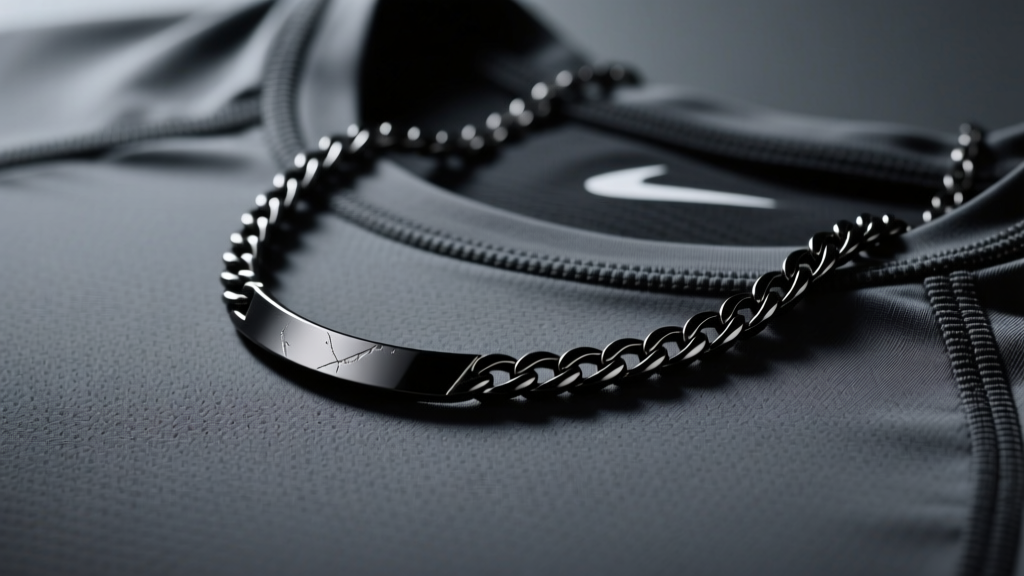
The Evolution of Athletic Jewelry in 2026
The modern athleisure movement has long transcended technical fabrics and performance footwear. In 2026, the focus has shifted decisively toward utilitarian hardware, with the titanium sports necklace emerging as the definitive accessory for both high-performance athletes and streetwear enthusiasts. Unlike traditional sterling silver, which tarnishes when exposed to the sulfur and salts in human sweat, or heavy stainless steel, which causes neck fatigue during high-intensity interval training (HIIT), titanium offers an unparalleled strength-to-weight ratio. This year's trend analysis reveals a consumer base that demands jewelry to perform as rigorously as their activewear, driving a massive surge in aerospace-grade metallurgy adapted for everyday wear.
According to recent market data, searches for hypoallergenic, sweat-proof athletic jewelry have increased by over 40% year-over-year. The titanium sports necklace sits at the exact intersection of bio-hacking aesthetics, stealth wealth, and functional durability. But not all titanium is created equal. To truly understand this trend, we must look past the marketing jargon and examine the material science, engineering, and styling frameworks that define the category today.
Metallurgy in Motion: Grade 2 vs. Grade 5 Titanium
The most critical factor in purchasing a titanium sports necklace is understanding the alloy grading system governed by ASTM International's B348 standard. The market is currently saturated with two primary grades, and knowing the difference is essential for assessing durability, weight, and price.
Grade 2 (Commercially Pure Titanium): This is unalloyed, commercially pure titanium. It is exceptionally hypoallergenic and highly resistant to corrosion. However, it is relatively soft. A Grade 2 titanium chain is more prone to micro-scratches and stretching under heavy tensile loads. It is the standard for entry-level sports jewelry.
Grade 5 (Ti-6Al-4V): Often referred to as aerospace or surgical titanium, this alloy contains 90% titanium, 6% aluminum, and 4% vanadium. It is significantly harder, more scratch-resistant, and boasts a tensile strength nearly triple that of Grade 2. Premium sports necklaces utilize Grade 5 to ensure the links never warp, even during contact sports like Brazilian Jiu-Jitsu or rugby.
| Property | Grade 2 (CP Titanium) | Grade 5 (Ti-6Al-4V) |
|---|---|---|
| Tensile Strength | 345 MPa | 895 MPa |
| Weight (6mm Chain, 20") | ~18 grams | ~17 grams |
| Scratch Resistance | Moderate | Exceptional |
| Average Price Range | $25 - $45 | $75 - $150+ |
| Best Use Case | Running, Gym, Daily Wear | Contact Sports, CrossFit, Tactical |
Furthermore, titanium's biocompatibility is well-documented in medical literature. As noted in research published by the National Institutes of Health, titanium naturally forms a passive oxide layer when exposed to oxygen, making it completely inert to human skin. This means zero nickel leaching and zero contact dermatitis, even during marathon-length sweat sessions.
Surface Treatments: PVD vs. Anodizing
In 2026, the raw, brushed grey of natural titanium is sharing the spotlight with deep matte blacks, gunmetals, and rose golds. However, the method used to achieve these colors dictates the necklace's lifespan in harsh athletic environments.
The Superiority of PVD Coating
Physical Vapor Deposition (PVD) is the gold standard for premium titanium sports necklaces. In a vacuum chamber, titanium is vaporized using an argon plasma arc and bonded to the necklace substrate at a molecular level. This creates a finish that is up to 10 times more resistant to the acidity of human sweat (which typically ranges from a pH of 4.5 to 7.0) than traditional electroplating. A PVD-coated black titanium necklace will not flake, peel, or turn your skin green, even after years of daily gym use.
The Limitations of Anodizing
Anodizing uses an electrical current to thicken titanium's natural oxide layer, creating vibrant colors like blues, purples, and golds through light refraction. While visually striking and completely hypoallergenic, anodized layers are superficial. High-friction sports (like wrestling or weightlifting) can easily wear away the anodized color over time, revealing the raw silver-grey titanium beneath.
Engineering the Weakest Link: Clasp Mechanics
A titanium chain is only as strong as its clasp. Standard lobster clasps, while fine for lightweight pendants, are a catastrophic failure point for sports necklaces. The dynamic tensile loads generated during sudden movements can easily bend the tiny metal arms of a traditional clasp.
"In high-impact sports, your jewelry must fail safely or not fail at all. A broken clasp mid-sprint is a distraction; a caught chain is a hazard."
To solve this, top-tier brands have adopted two distinct clasp technologies for 2026:
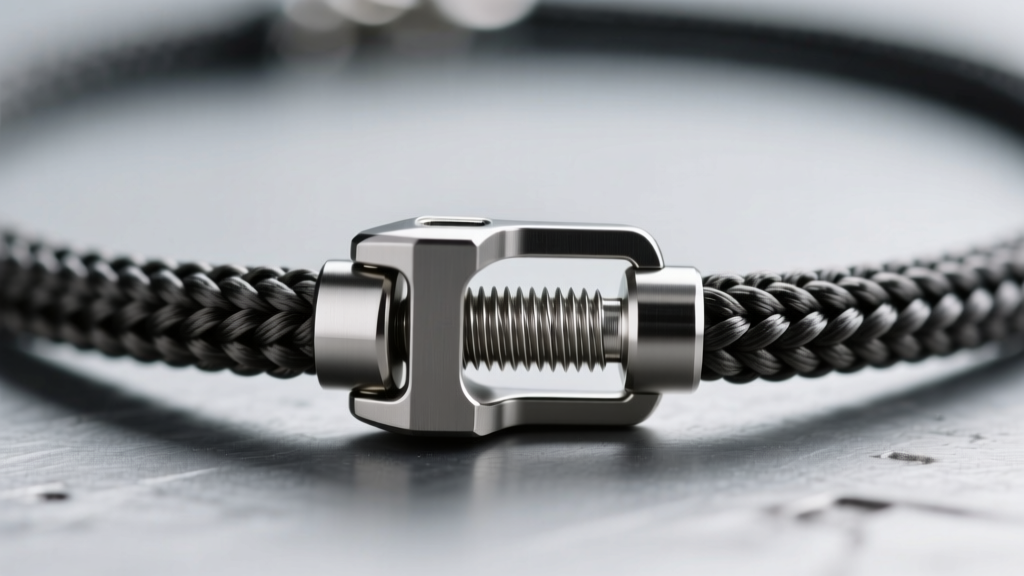
- CNC Screw-In Barrel Clasps: Machined from solid Grade 5 titanium, these clasps feature internal threading that screws together flush with the chain. They offer a shear strength exceeding 150 Newtons, making them virtually impossible to snap during athletic exertion.
- Neodymium Magnetic Locks: Utilizing N52-grade rare-earth magnets encased in titanium housings, these clasps offer a secure hold (often rated for 20+ lbs of pull force) but are designed to release under extreme, sudden shock. This acts as a safety breakaway feature, preventing choking hazards if the chain gets snagged on gym equipment.

Styling Framework: From the Gym to the Street
The versatility of the titanium sports necklace lies in its understated, industrial aesthetic. It bridges the gap between performance gear and casual streetwear seamlessly. Here is a practical framework for selecting the right dimensions based on your wardrobe and neckline:
Dimensional Guidelines
- 3mm - 4mm Width (18" to 20" Length): The minimalist approach. Ideal for wearing under or just above the collar of a crewneck performance shirt. It provides a subtle metallic accent without overpowering the outfit. Perfect for runners and cyclists who prefer zero bounce.
- 5mm - 6mm Width (22" to 24" Length): The statement piece. A flat-curb or rope chain in this thickness offers significant visual weight. Best paired with deep V-necks, unbuttoned camp-collar shirts, or worn over a plain white tee for a classic streetwear silhouette.
- Braided Titanium Wire (Adjustable): Often integrated with silicone or carbon fiber beads, this style leans heavily into the surfer/outdoor enthusiast aesthetic. The adjustable cord allows for a custom fit over hoodies or wetsuits.
Market Leaders and Price Tiers
The 2026 market for titanium sports necklaces is distinctly segmented. Understanding these tiers will help you allocate your budget effectively.
Entry-Level ($25 - $45): Dominated by Grade 2 CP titanium. Expect machine-stamped links, basic lobster clasps, and anodized colors. Brands in this tier offer excellent value for casual gym-goers, but the hardware may degrade over years of heavy use.
Mid-Tier ($50 - $95): The sweet spot for most consumers. You will find Grade 5 alloys, PVD matte black or gunmetal finishes, and upgraded magnetic clasps. The links are often CNC-milled for smoother articulation, preventing chest hair pulling.
Premium ($100 - $250+): Bespoke and tactical brands occupy this space. Features include hand-polished Grade 5 titanium, custom-designed screw-barrel clasps, and sometimes integrated smart-tracker housings or biometric sensor mounts woven directly into the chain architecture.
Final Verdict
The titanium sports necklace is no longer a niche alternative to stainless steel; it is the apex predator of athletic jewelry. By prioritizing Grade 5 metallurgy, PVD surface treatments, and engineered safety clasps, you secure an accessory that will outlast your favorite pair of running shoes. As the boundaries between athletic performance and daily fashion continue to dissolve in 2026, investing in high-grade titanium is a definitive style upgrade that pays dividends in both durability and aesthetics.


