Tooth Necklace Holder: 2026 Baby Tooth Keepsake Gift Guide
Discover the best tooth necklace holder keepsakes for 2026. Our gift guide covers materials, sizing, and sealing methods for baby tooth pendants.

The Rise of Wearable Milestone Keepsakes
For generations, parents have stashed baby teeth in velvet boxes, cedar chests, or taped them into the pages of baby books. But as we move through 2026, the sentimental jewelry market has seen a massive shift toward wearable memories. The modern tooth necklace holder transforms a fleeting childhood milestone into a permanent, elegant piece of keepsake jewelry. Whether you are shopping for an expectant mother, celebrating a first birthday, or looking for a unique 'Tooth Fairy' alternative for an older child, these pendants offer a deeply personal gifting experience.
However, not all keepsake lockets are created equal. A poorly designed pendant can lead to tarnished metal, degraded seals, or worse—a lost tooth. This comprehensive gift guide breaks down the exact material grades, chamber dimensions, and sealing mechanisms you need to consider before purchasing a tooth necklace holder as a milestone gift.
Matching the Tooth Necklace Holder to the Occasion
The beauty of a tooth necklace holder lies in its versatility, but the style you choose should align with the specific gifting occasion. Here is how to match the pendant to the milestone.
Baby Showers and Push Presents
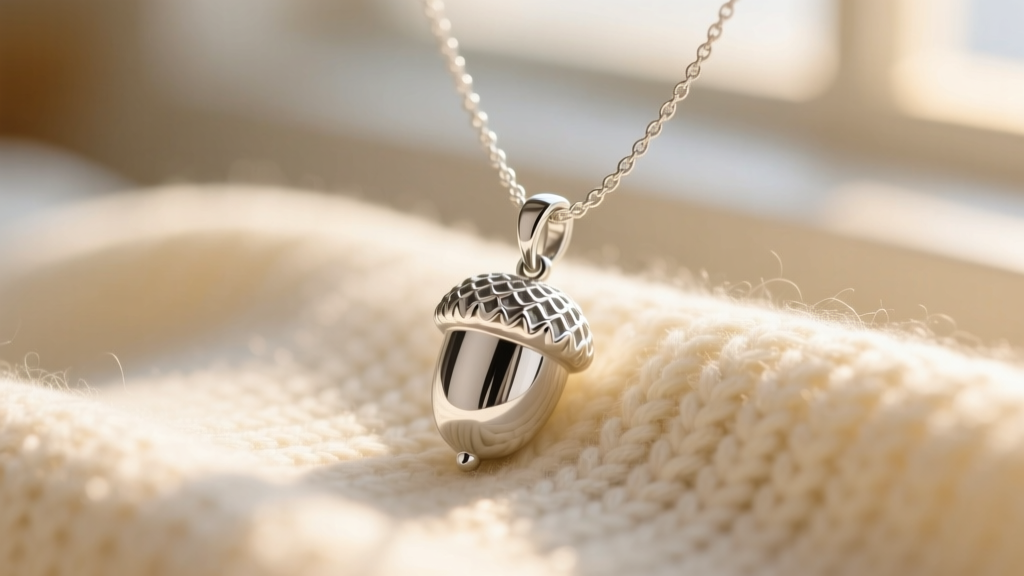
When gifting to an expectant mother, the tooth has not yet arrived, meaning the necklace must serve as a symbolic placeholder. Opt for a sterling silver acorn or seed pod locket. These designs represent growth and potential. Since the mother will likely wear it for years before the first tooth falls out, prioritize hypoallergenic metals like rhodium-plated 925 sterling silver or 14k gold-filled components to prevent skin irritation during daily wear.
The First Birthday Time Capsule
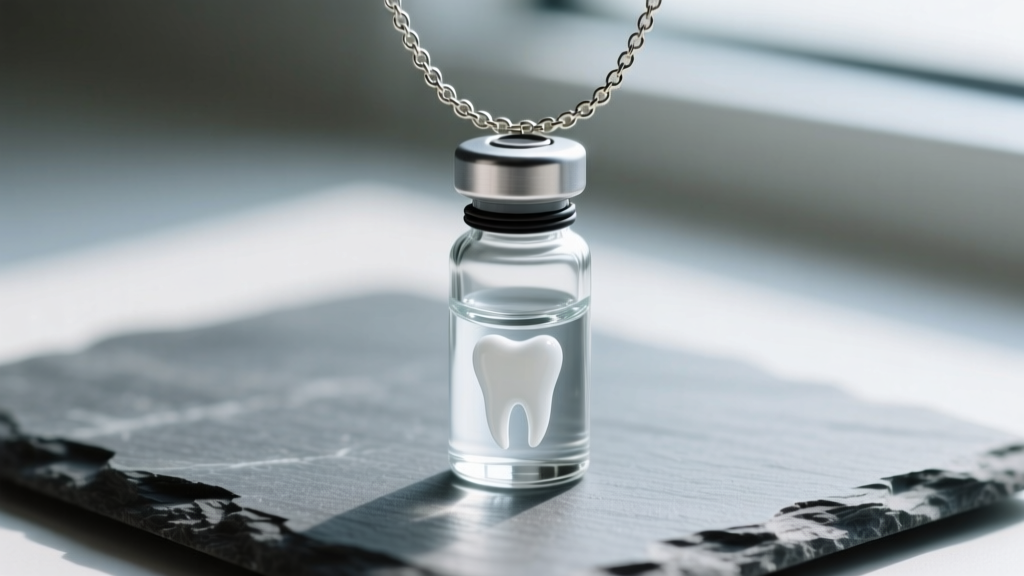
A first birthday is a time capsule moment. While baby teeth typically begin shedding around age six, many parents save the umbilical cord stump or a lock of hair in the interim. A borosilicate glass vial pendant with a threaded metal cap is the perfect gift here. It allows the parents to safely store a curl of hair now, and seamlessly transition to a baby tooth later without needing to buy a new piece of jewelry.
The 'Tooth Fairy' Upgrade (Ages 5 to 7)
When a child loses their first central incisor, it is a momentous occasion. According to parenting experts at BabyCenter, modern families are increasingly moving away from the traditional 'money under the pillow' route in favor of lasting keepsakes. Gifting a high-quality tooth necklace holder to the parents at this stage allows them to reclaim the tooth from the 'Tooth Fairy' and wear it close to their heart. For this age group, a resin-cast pendant or a minimalist surgical steel cylinder offers a contemporary, gender-neutral aesthetic that fits everyday adult wardrobes.
Material and Design Comparison Matrix
Choosing the right material is critical for both the longevity of the keepsake and the comfort of the wearer. Below is a technical comparison of the most common tooth necklace holder designs available on the market today.
| Material Type | Durability & Pros | Cons & Risks | Average Price Range | Best Gifting Scenario |
|---|---|---|---|---|
| 925 Sterling Silver Locket | Classic heirloom quality; easily engraved; high resale value. | Prone to tarnish if exposed to moisture; requires rhodium plating. | $65 - $150 | Baby showers, generational heirlooms. |
| Borosilicate Glass Vial | Shatter-resistant; waterproof; allows visual inspection of the tooth. | Heavier than metal; glass can scratch if dropped on concrete. | $30 - $80 | First birthdays, hair-and-tooth combos. |
| 316L Surgical Steel Cylinder | 100% hypoallergenic; rust-proof; highly affordable; modern aesthetic. | Cannot be easily engraved; lacks traditional 'fine jewelry' prestige. | $20 - $45 | Tooth Fairy upgrades, minimalist parents. |
| Epoxy Resin Cast | Permanently seals the tooth; lightweight; highly customizable shapes. | Irreversible (tooth cannot be removed); UV resin may yellow over time. | $80 - $200 | Sentimental mothers, custom art jewelry. |
Technical Specifications: Sizing and Chamber Dimensions
The most common failure point when gifting a tooth necklace holder is purchasing a pendant that is simply too small. Baby teeth vary wildly in size depending on their location in the mouth. According to dental anatomy data from the American Dental Association (ADA), primary central incisors average about 10mm to 11mm in length and 8mm in width. However, primary second molars are significantly bulkier, often reaching 12mm in mesiodistal width and 9mm in depth.
The Golden Rule of Sizing: To ensure the locket can accommodate any tooth, the internal chamber must measure a minimum of 14mm in depth and 15mm in width. If you are gifting a delicate, heart-shaped locket that only measures 8mm across, it will only fit a tiny lower incisor, rendering it useless when the molars eventually fall out. Always check the internal cavity dimensions, not just the exterior pendant size, before purchasing.
Preparation and Sanitization: A Crucial Gifting Step
When you gift a tooth necklace holder, it is highly recommended to include a 'prep kit' or a beautifully printed instruction card. Placing a freshly extracted, uncleaned tooth into a sealed metal or glass environment will trap bacteria, leading to foul odors and internal degradation. Here is the professional protocol for preparing the tooth for encasement:
- Initial Rinse: Gently rinse the tooth in cool water to remove surface debris. Avoid hot water, which can cause micro-fractures in the enamel.
- Sanitization Soak: Submerge the tooth in a small glass jar filled with standard 3% hydrogen peroxide for 24 to 48 hours. This kills bacteria and naturally whitens the enamel.
- Agitation: Use a soft-bristled infant toothbrush to gently clean the root crevices.
- Desiccation: This is the most critical step. The tooth must be completely dehydrated before sealing. Let it air dry on a paper towel in a low-humidity room for at least 72 hours. Any trapped moisture will cause the tooth to rot inside the locket.
Sealing Mechanisms and Chain Pairings
Once the tooth is prepped, the security of the pendant relies entirely on its sealing mechanism and the chain that supports it.
Sealing the Chamber
For screw-top glass vials and metal cylinders, look for pendants that utilize an EPDM rubber O-ring. EPDM is vastly superior to standard nitrile or silicone rings because it resists degradation from body oils and temperature fluctuations. For parents who want a permanent seal, jewelers often recommend applying a microscopic drop of cyanoacrylate adhesive or jeweler's epoxy to the threads before the final twist.
Selecting the Right Chain
A tooth necklace holder, especially one made of glass or solid silver, carries unexpected weight. A delicate 1.0mm cable chain is a recipe for a broken clasp and a lost keepsake. When selecting or upgrading the chain, adhere to these specifications:
- Chain Style: Opt for a Box Chain or a Rolo Chain. These interlocking link styles offer superior tensile strength compared to standard cable or snake chains.
- Gauge Size: Choose a thickness between 1.2mm and 1.5mm. This provides enough structural integrity to hold an 8-12 gram pendant without looking bulky or masculine.
- Clasp Security: Avoid spring-ring clasps, which are notorious for failing under pendulum-like movement. Always ensure the chain is fitted with a sturdy lobster claw clasp with a soldered jump ring.
- Length: An 18-inch chain is the industry standard for women, allowing the pendant to rest perfectly on the sternum, below the collarbone, where it is visible but protected from catching on high necklines.
Final Gifting Advice for 2026
A tooth necklace holder is more than just a piece of jewelry; it is a physical manifestation of the bond between parent and child. When presenting this gift, elevate the experience by packaging the pendant inside a wooden keepsake box alongside a small glass vial of 3% hydrogen peroxide, a soft polishing cloth, and a handwritten note explaining the significance of the wearable memory. By paying attention to the metallurgical quality, precise chamber dimensions, and proper sealing mechanisms, you are gifting a flawless heirloom that will safely preserve a family's most intimate milestone for decades to come. For more insights on jewelry care and material longevity, resources like The Spruce Crafts offer excellent guides on maintaining sterling silver and resin keepsakes over time.


