Choosing the Perfect Transgender Necklace: Material & Metal Guide
Discover the best metals and enamels for a transgender necklace. Compare titanium, surgical steel, and resin for hypoallergenic, lasting pride jewelry.

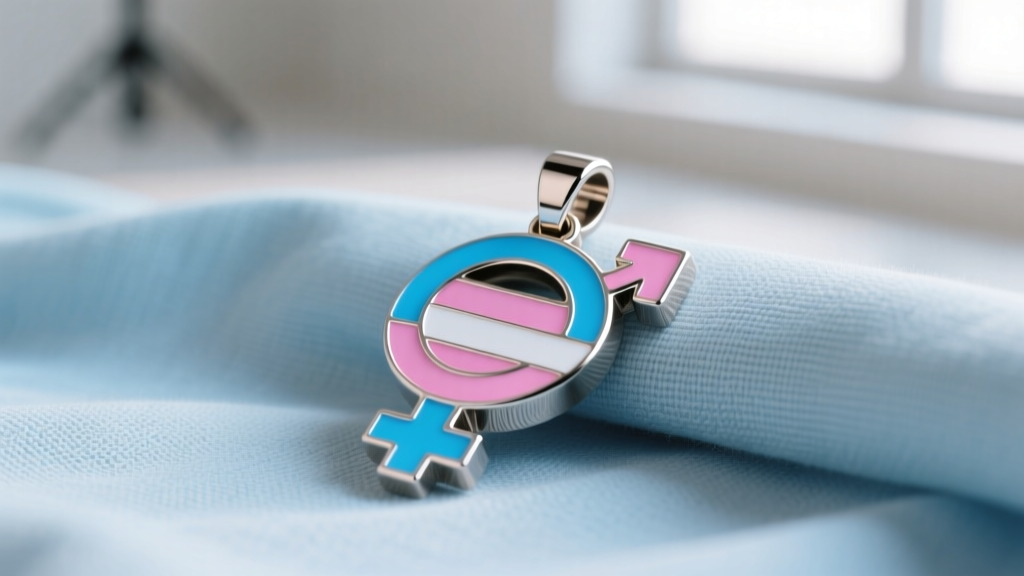
Why Material Matters in Gender-Affirming Jewelry
A transgender necklace is far more than a simple accessory; it is a profound statement of identity, a source of comfort during dysphoria, and a daily celebration of authenticity. Whether you are selecting a subtle trans symbol pendant, a bold transgender pride flag centerpiece, or a customized nameplate, the metallurgical and material properties of your jewelry dictate its longevity, safety, and visual impact. Many buyers focus exclusively on the aesthetic design, overlooking the base metals and color applications that determine whether a piece will survive daily wear or cause severe contact dermatitis.
In this comprehensive guide, we break down the exact material specifications, hypoallergenic thresholds, and enamel durability factors you need to consider when investing in a high-quality transgender necklace. By understanding the science behind jewelry materials, you can choose a piece that remains as resilient and vibrant as your personal journey.
Base Metals: Hypoallergenic Needs and HRT Skin Changes
One of the most critical, yet rarely discussed, factors in choosing gender-affirming jewelry is how Hormone Replacement Therapy (HRT) can alter your skin's biology. Testosterone and estrogen therapies frequently change sebum production, sweat composition, and the skin's natural acid mantle. A metal that you tolerated perfectly before starting HRT may suddenly cause irritation or green discoloration due to shifts in your skin's pH levels and moisture output.
Implant-Grade Titanium (ASTM F136)
For individuals experiencing heightened skin sensitivity or sensory processing discomfort, implant-grade titanium is the undisputed gold standard. Specifically, you should look for titanium that meets the ASTM F136 standard, which is the exact specification used for medical implants. Unlike commercial-grade titanium, ASTM F136 contains virtually zero nickel and is exceptionally lightweight. A heavy pendant can cause sensory fatigue or tug uncomfortably on the delicate skin of the neck; titanium's high strength-to-weight ratio allows for larger, bolder transgender pride pendants without the physical burden. Furthermore, titanium is completely impervious to the acidic shifts in sweat that can occur during endocrine transitions.
Surgical Stainless Steel (316L vs. 304)
Surgical stainless steel is ubiquitous in the pride jewelry market, but not all steel is created equal. The 316L variant contains molybdenum for increased corrosion resistance and lower carbon, making it highly durable and affordable. However, it is vital to understand that 316L steel still contains between 8% and 10% nickel. According to the American Academy of Dermatology, nickel is the most common cause of allergic contact dermatitis. If your skin's barrier has been compromised by HRT-induced dryness or topical estrogen gels applied near the chest, 316L steel may trigger a reaction. If you opt for steel, ensure it is heavily polished to minimize microscopic pores where sweat and bacteria accumulate.
Niobium: The Color-Anodized Alternative
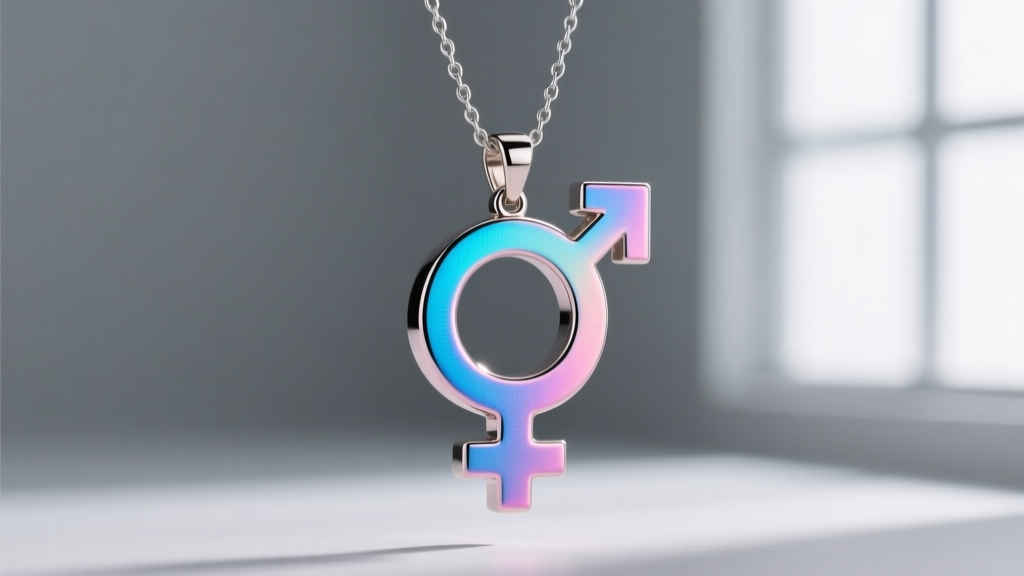
Niobium is a spectacular, underutilized reactive metal that is 100% hypoallergenic and nickel-free. Its most remarkable property for a transgender necklace is its anodization potential. By applying specific electrical voltages to the metal in an electrolytic bath, the surface oxide layer thickens and refracts light, creating vivid, permanent colors without using any dyes or paints. A jeweler can anodize a niobium trans symbol pendant in the exact light blue and pink hues of the pride flag. Because the color is structurally integrated into the metal's oxide layer, it will never peel, chip, or fade, making it an exceptional choice for lifelong wear.
Enamel, Resin, and Gemstones: Preserving the Trans Pride Colors
The transgender pride flag, designed by Monica Helms in 1999, relies on specific, striking bands of light blue, pink, and white. Replicating these colors in jewelry requires careful material selection, as the white and light pastel shades are notoriously vulnerable to environmental staining and UV degradation.
Hard-Fired Vitreous Enamel vs. Cold Enamel
Vitreous enamel is created by fusing powdered glass to a metal substrate at temperatures exceeding 1,400°F. This results in a brilliant, scratch-resistant, and completely UV-stable finish. A transgender necklace crafted with vitreous enamel will maintain its crisp white and pastel pink stripes for decades. Conversely, 'cold enamel' (which is actually a two-part epoxy resin) is cured at room temperature. While cheaper and capable of producing vibrant colors, cold resin is highly susceptible to yellowing when exposed to ultraviolet light and will permanently stain if exposed to self-tanners, bronzers, or heavily pigmented lotions. Always verify that your jeweler uses kiln-fired vitreous enamel for pride flag designs.
Lab-Created Sapphire and Pink Spinel
For those who prefer gemstones over enamel, lab-created sapphires (for the light blue) and pink spinels offer incredible durability. Ranking at a 9 and 8 on the Mohs hardness scale respectively, these stones resist scratching and can be safely cleaned in ultrasonic jewelry baths. Be wary of dyed quartz or glass imitations, which often feature surface coatings that wear away rapidly against the collarbone.
Material Comparison Chart: Longevity, Cost, and Sensitivity
To help you make an informed decision, we have compiled a data-driven comparison of the most common materials used in transgender pride necklaces. This matrix evaluates hypoallergenic safety, color application methods, and average market pricing for high-quality pendants.
| Material | Hypoallergenic Rating | Flag Color Application | Avg. Price Range | Best For |
|---|---|---|---|---|
| ASTM F136 Titanium | Excellent (Nickel-Free) | Vitreous Enamel Inlay | $85 - $160 | Sensory sensitivity, daily wear |
| Niobium | Excellent (Nickel-Free) | Voltage Anodization | $60 - $120 | Permanent color, lightweight |
| 316L Surgical Steel | Moderate (Contains Nickel) | Cold Resin / Soft Enamel | $25 - $55 | Budget-friendly, occasional wear |
| 14k Solid Gold | Very Good (Alloy Dependent) | Gemstone / Enamel | $300 - $800+ | Heirloom pieces, luxury |
Chain Mechanics: Clasp and Link Durability for Daily Wear
A beautiful pendant is useless if the chain snaps or the clasp fails. The National Institutes of Health notes that the physical weight of jewelry can exacerbate contact dermatitis if the chain creates excessive friction. Therefore, selecting the right chain gauge and link style is paramount.
Gauge and Link Styles
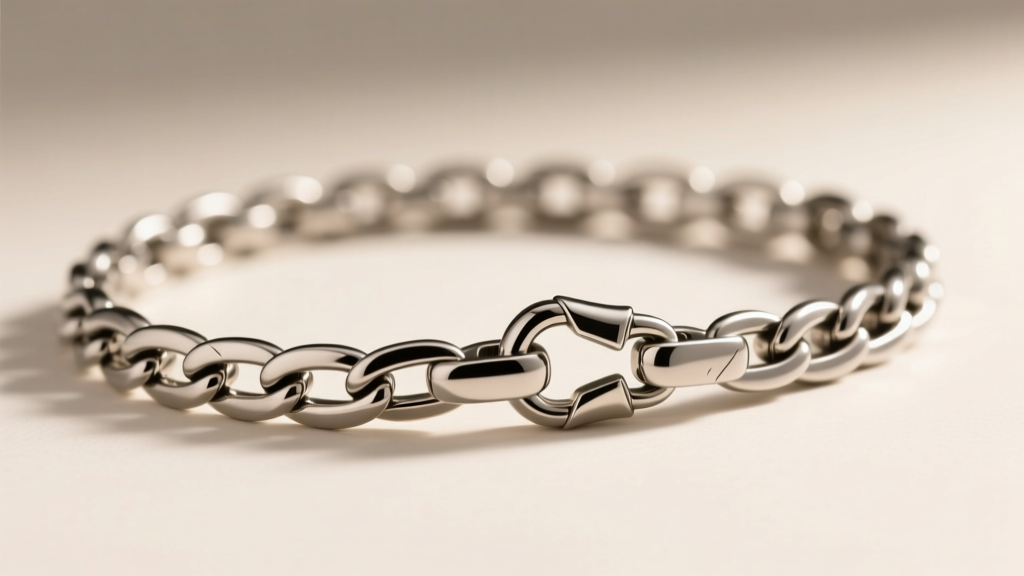
For a standard transgender pride pendant weighing between 4 and 10 grams, avoid delicate 0.8mm or 1.0mm cable chains. These thin links are prone to kinking and snapping under the dynamic stress of daily movement. Instead, opt for a 1.4mm to 1.6mm Rolo or Wheat chain. Rolo chains feature uniform, round links that distribute weight evenly, while Wheat chains offer a braided, semi-rigid structure that resists tangling in long hair—a common consideration for individuals growing their hair out during social or medical transition.
Clasp Security
Standard spring-ring clasps are notoriously difficult to operate with one hand and contain internal steel springs that can rust when exposed to shower moisture. Upgrade your necklace to a solid 14k gold or titanium lobster clasp. Lobster clasps feature a robust, spring-loaded lever that securely locks into the jump ring, providing peace of mind that your meaningful jewelry will not slip off in crowded spaces or during physical activity.
Expert Care Tips for Longevity
Maintaining the pristine condition of your transgender necklace requires a mindful care routine, especially regarding the delicate white and pastel elements of the pride flag.
- Avoid Chemical Exposure: Always apply perfumes, hairsprays, and body lotions before putting on your necklace. Alcohol and essential oils can degrade cold resin and dull the polish of raw metals.
- Gentle Cleaning: For vitreous enamel and titanium, use a few drops of mild, phosphate-free dish soap and warm water. Gently agitate with a soft-bristled baby toothbrush to remove sebum and dead skin cells from the link crevices.
- Proper Storage: Store your necklace flat in a sealed anti-tarnish bag or a dedicated jewelry box with a silica gel packet. Leaving silver or steel chains exposed to ambient humidity accelerates oxidation, which can transfer onto your clothing and skin.
By prioritizing biocompatible metals like ASTM F136 titanium and niobium, and insisting on kiln-fired vitreous enamels, you ensure that your transgender necklace remains a safe, vibrant, and enduring symbol of your identity for years to come.


