The Tri Color Herringbone Necklace: 2026 Style & Trend Analysis
Discover how to style the tri color herringbone necklace in 2026. Expert trend analysis, material guides, and layering tips for this fluid metal staple.

The 2026 Resurgence: Why Tri-Color Herringbone is Back
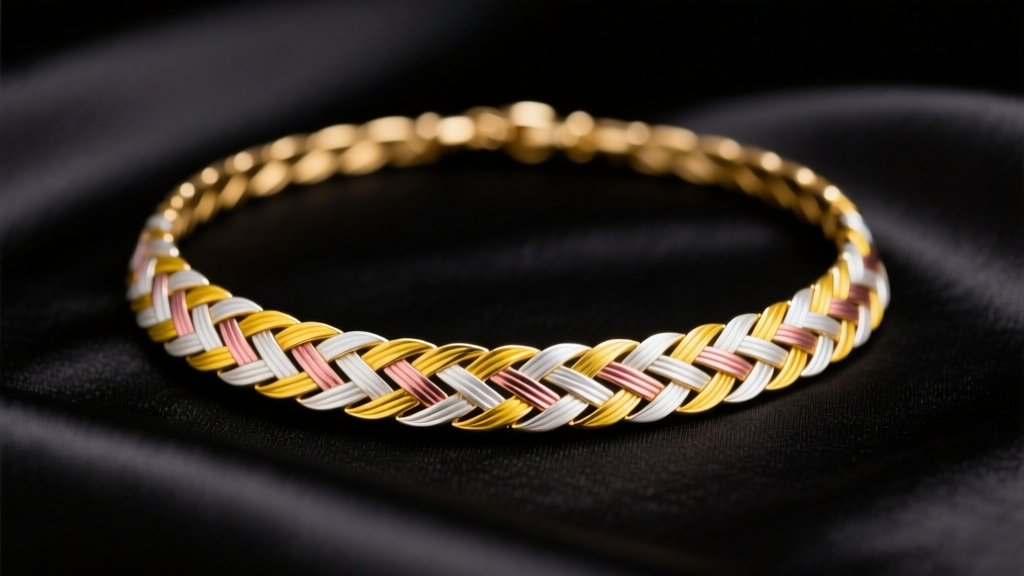
The jewelry landscape of 2026 has decisively pivoted away from the ultra-minimalist, barely-there chains that dominated the late 2010s. In its place, we are seeing a massive resurgence in textured, high-impact metallics that offer fluid movement and vintage-inspired nostalgia. At the forefront of this shift is the tri color herringbone necklace. Originally peaking in popularity during the late 1980s and early 1990s, this specific chain weave is being reclaimed by modern stylists and luxury houses alike, reimagined with updated proportions and advanced metallurgical techniques.
Unlike standard cable or curb chains, the herringbone weave consists of short, flat, parallel links set in a continuous V-shaped pattern. When executed in a tri-color format—typically interweaving yellow gold, rose gold, and white gold (or silver) alloys—the result is a liquid-metal effect that catches the light from multiple angles. According to recent market analyses from the Jewelers of America, consumer demand for multi-tone gold jewelry has risen by 22% year-over-year, driven largely by a desire for versatile pieces that bridge the gap between warm and cool metal wardrobes.
Anatomy of the Weave: Engineering and Vulnerabilities
To truly appreciate the tri color herringbone necklace, one must understand its structural engineering. The chain is created by feeding multiple strands of flat wire through a series of rollers and dies, compressing the links so they lay completely flush against one another. This creates a surface that mimics a solid ribbon of metal, offering an unparalleled, heavy drape that conforms perfectly to the collarbone.
The Kink Factor and Clasp Mechanics
The very feature that makes the herringbone chain so beautiful—its flat, fluid lack of structural rigidity—is also its greatest vulnerability. Herringbone chains are notoriously prone to kinking. If folded sharply or twisted, the V-links can permanently bend out of alignment, creating a visible, weak fracture point in the chain.
To mitigate this, the clasp mechanism is critical. A high-quality tri color herringbone necklace must feature a freely rotating jump ring connecting the chain to the clasp. If the jump ring is soldered shut, the chain cannot rotate naturally with your body's movements. This built-up torsion will inevitably cause the chain to twist upon itself and kink within weeks of wear. Always inspect the connection point before purchasing; the jump ring should spin 360 degrees with zero resistance.
The Pinch Factor: Skin and Hair Catching
Because the links are compressed flat, microscopic gaps remain between the V-patterns. On wider chains (7mm and above), these gaps can act like tiny tweezers, catching fine chest hair or delicate skin. When selecting your width, be mindful of your skin sensitivity. Chains in the 3mm to 5mm range generally have tighter link tolerances and are significantly less prone to pinching than their heavier, wider counterparts.
Material Breakdown: Solid vs. Plated Tri-Color
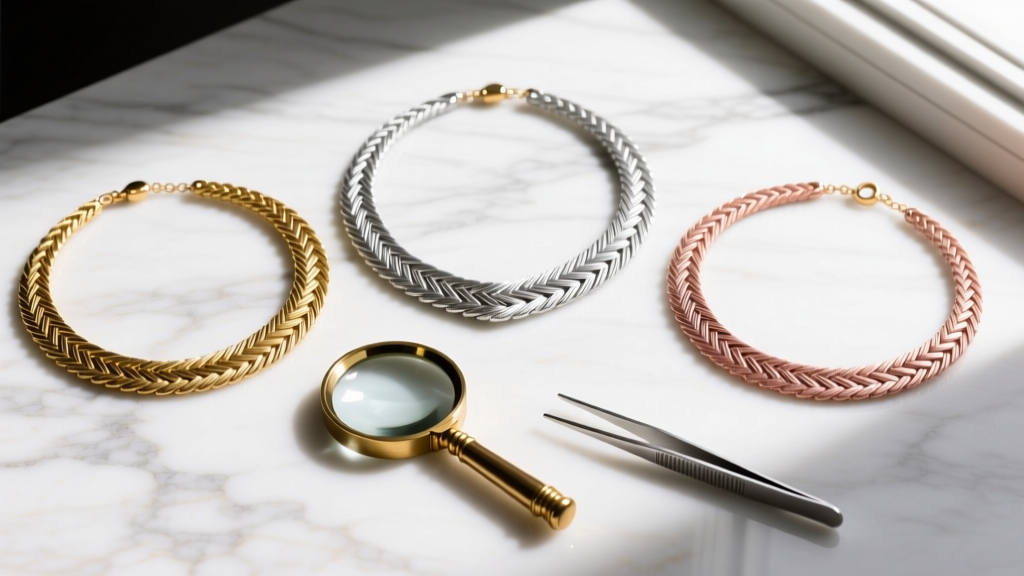
The term "tri-color" can mean vastly different things depending on the manufacturing process. In solid precious metals, the chain is woven from three distinct strands of different karat alloys. In fashion or demi-fine jewelry, the tri-color effect is often achieved through selective plating or Physical Vapor Deposition (PVD). The Gemological Institute of America (GIA) notes that the specific alloy mixtures used in rose and white gold dramatically affect both the color longevity and the tensile strength of the final chain.
| Material Type | Composition | Price Range (2026) | Durability & Kink Risk |
|---|---|---|---|
| Solid 14k Tri-Color | 14k Yellow, Rose, and White Gold alloys woven together | $450 - $1,200+ | High value, moderate kink risk, requires professional polishing to maintain tri-tone contrast |
| Gold Vermeil over Silver | Sterling silver base with 2.5+ microns of varied gold plating | $120 - $280 | Prone to plating wear at friction points, high kink risk due to soft silver core |
| PVD Stainless Steel | 316L surgical steel with Physical Vapor Deposition coloring | $45 - $95 | Extremely durable, lowest kink risk, but lacks the fluid, heavy drape of precious metals |
For an investment piece that will last decades, solid 14k or 18k is the only viable option. The copper used to create rose gold and the nickel or palladium used for white gold alter the hardness of the wire. A master jeweler must carefully balance the annealing process so that all three colors possess the exact same tensile strength; otherwise, the softer strands will stretch and warp under the weight of the harder strands.
How to Style and Layer Without Tangling
Styling a tri color herringbone necklace in 2026 requires a departure from the chaotic, heavily tangled layering trends of previous years. Because the herringbone weave acts like a metallic ribbon, it demands space to lay flat and reflect light. If you crowd it with intricate pendant chains or heavy cable links, it will bunch up, lose its signature drape, and increase the risk of kinking.
The Two-Chain Rule
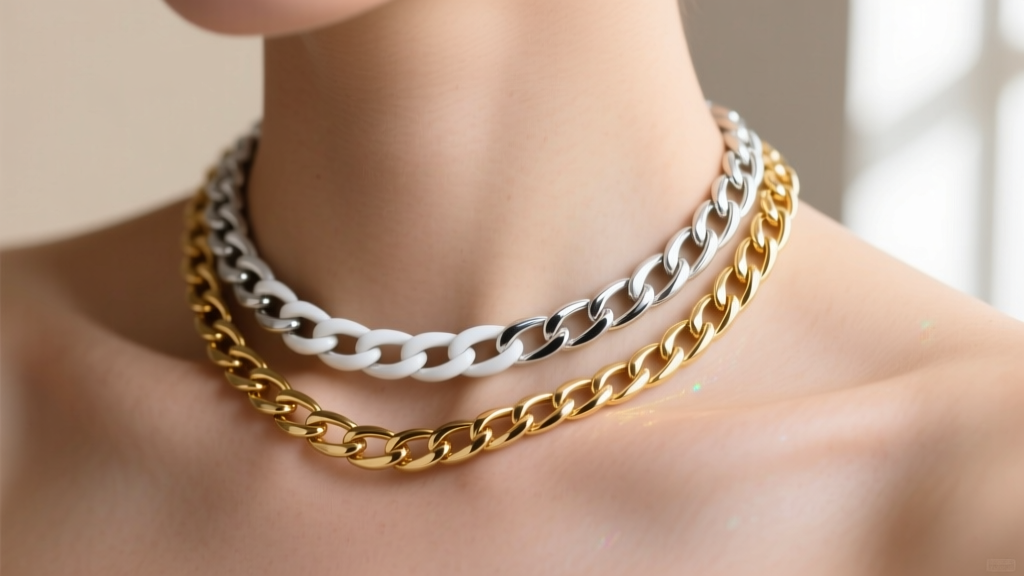
When layering, adhere to the two-chain maximum. Pair your tri color herringbone necklace with one contrasting texture. For example, a 4mm tri-color herringbone chain (worn at 16 inches) pairs beautifully with a chunky, 18-inch white gold paperclip chain. The open links of the paperclip chain allow the herringbone to remain the focal point, while the mixed metals in the herringbone naturally tie the white gold paperclip into the overall look.
Neckline Pairings
- Deep V-Necks: A 16-inch or 18-inch herringbone chain perfectly mirrors the geometry of a V-neckline, drawing the eye downward and elongating the neck.
- Off-the-Shoulder & Boat Necks: Opt for a shorter, 14-inch or 15-inch choker-length herringbone. The wide, horizontal expanse of exposed skin provides a blank canvas for the liquid-metal effect to shine without competing with fabric folds.
- Silk Button-Downs: Wear a 5mm or 6mm herringbone chain directly against the skin, unbuttoned to the mid-chest. The contrast between the fluid metal and the matte texture of silk is a hallmark of elevated 2026 office-to-evening styling.
Maintenance, Storage, and Kink Repair
Owning a herringbone chain requires a strict maintenance protocol. The way you store this necklace is just as important as how you wear it. Never toss a herringbone chain into a jewelry box where it can be crushed by heavier items.
Proper Storage Techniques
Always store your tri color herringbone necklace completely flat. The best method is to lay it out straight inside a zip-top plastic bag, pressing the air out before sealing. This prevents the chain from shifting and twisting in your drawer. Alternatively, you can wrap it gently around a velvet jewelry roll, ensuring it does not overlap itself.
What to Do If It Kinks
If your chain develops a kink, do not attempt to pull it apart with your fingers, as this will stretch the links and cause a permanent weak point. Instead, lay the chain perfectly flat on a smooth glass surface (like a mirror or a glass table). Using a soft microfiber cloth, gently rub the chain in a circular motion, applying light, even pressure. For severe kinks, a professional jeweler can use a specialized rolling mill to gently compress the links back into their original V-alignment without snapping the solder joints.
Final Verdict: Is It Worth the Investment?
The tri color herringbone necklace is not a low-maintenance, wear-and-forget piece. It is a high-impact, tactile accessory that demands care and intentional styling. However, for those willing to respect its structural quirks, it offers a level of liquid luxury and vintage-modern sophistication that very few other chain weaves can achieve. In 2026, as the industry continues to embrace bold, multi-tonal metallics, a well-crafted, solid gold herringbone chain remains a masterclass in fluid jewelry design.


