Why Your Yellow Crystal Necklace is Fading (And How to Fix It)
Is your yellow crystal necklace losing its color or luster? Discover the exact causes of fading, how to identify your stone, and expert restoration tips.

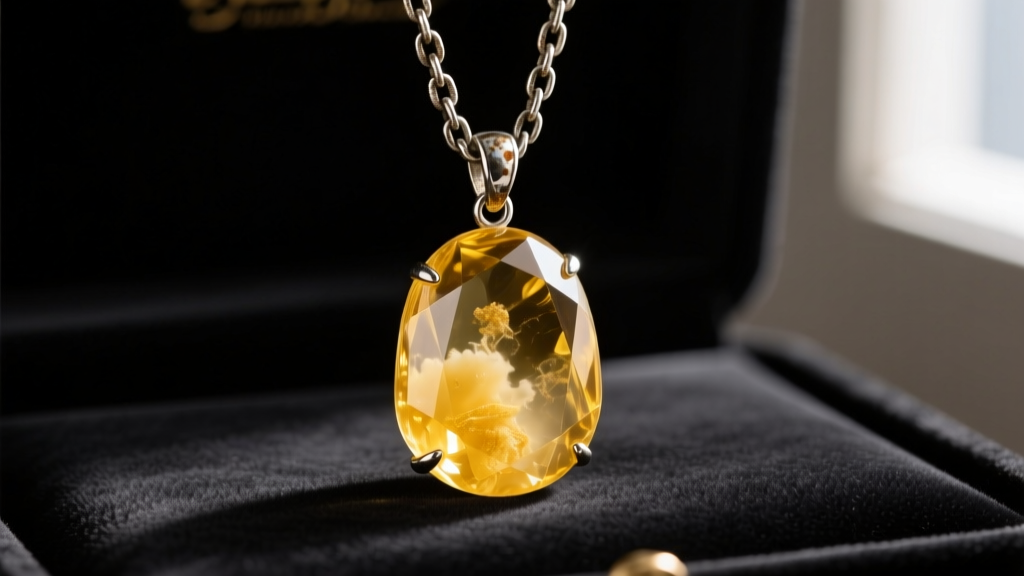
The Anatomy of a Fading Yellow Crystal Necklace
There are few things more disappointing to a jewelry collector than watching a beloved piece lose its brilliance. If your once-vibrant yellow crystal necklace is beginning to look dull, cloudy, or noticeably lighter in hue, you are likely dealing with a combination of material misidentification, environmental damage, or improper care. The term "yellow crystal" is frequently used as a catch-all in the commercial jewelry market, encompassing everything from natural citrine and yellow sapphires to irradiated topaz and organic amber. Each of these materials possesses a unique crystalline structure and chemical composition, meaning they react very differently to ultraviolet (UV) light, heat, and chemical cleaners.
To effectively troubleshoot a fading or damaged yellow crystal necklace, we must first identify the exact mineral or organic compound you are wearing. A stone that fades in direct sunlight requires a completely different restoration approach than a stone that has simply accumulated a micro-layer of cosmetic oils or suffered thermal shock. According to the Gemological Institute of America (GIA), understanding the specific treatment history of your gemstone—such as heat treatment or lattice diffusion—is the critical first step in any restoration protocol.
Heat-Treated Amethyst vs. Natural Citrine
The vast majority of commercial "citrine" necklaces on the market are actually amethyst that has been heat-treated at temperatures around 470°C to 550°C to alter its color from purple to yellow or orange. While this process is permanent under normal conditions, extreme and prolonged exposure to intense heat or direct UV radiation can sometimes cause the color centers to destabilize, leading to a washed-out or pale appearance. Natural, unheated citrine is exceptionally rare and typically exhibits a pale, smoky yellow hue rather than the deep, saturated orange-yellow seen in treated stones.
Irradiated Yellow Topaz and UV Sensitivity
Yellow topaz is another frequent culprit in fading complaints. Many yellow and blue topaz stones are subjected to artificial irradiation to enhance their color. If the irradiation process was not properly stabilized by the lapidary, the stone can be highly photosensitive. Wearing an irradiated yellow topaz necklace during prolonged outdoor activities, such as beach vacations or hiking, can cause the gemstone to revert to its original, colorless state over time.
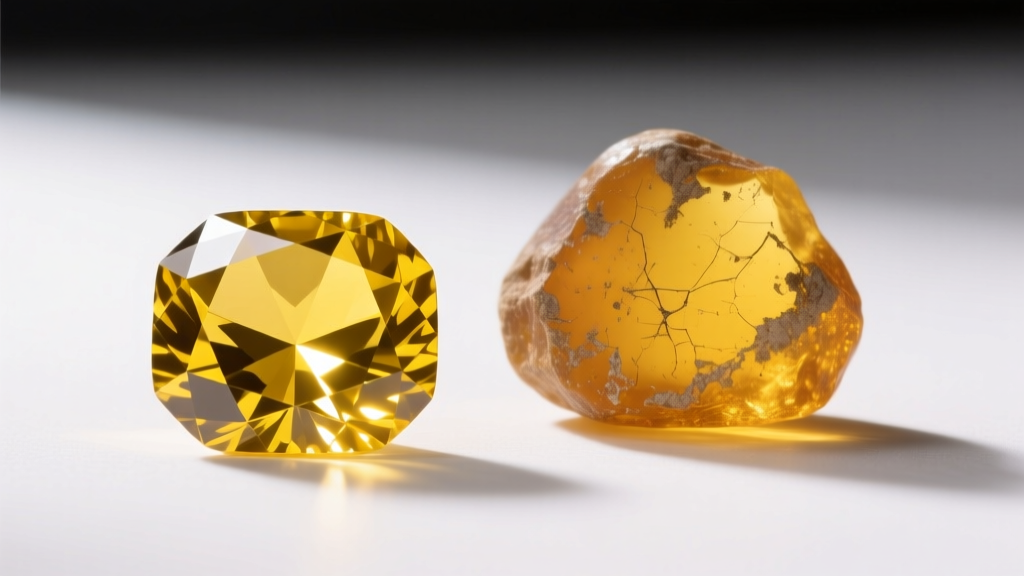
Diagnostic Table: Identifying Your Yellow Stone
Before attempting any cleaning or repair, use this diagnostic framework to narrow down the likely material of your yellow crystal necklace. You can verify the Mohs hardness by observing how easily the stone scratches, or consult a professional gemologist for a refractive index (RI) test.
| Material | Mohs Hardness | UV / Heat Sensitivity | Safe Cleaning Method |
|---|---|---|---|
| Natural Citrine (Quartz) | 7.0 | Low (Stable under normal wear) | Ultrasonic (if no inclusions), Warm Soapy Water |
| Heat-Treated Amethyst | 7.0 | Moderate (Prolonged UV may fade) | Warm Soapy Water, Soft Brush |
| Yellow Topaz | 8.0 | High (Irradiated stones can fade) | Warm Soapy Water ONLY (No Ultrasonic) |
| Yellow Sapphire | 9.0 | Very Low (Highly stable) | Ultrasonic, Steam, Soapy Water |
| Amber (Organic) | 2.0 - 2.5 | High (Degrades, darkens, or cracks) | Damp Cloth Only (No chemicals) |
For deeper mineralogical data, including fluorescence reactions under shortwave and longwave UV light, the Mindat mineral database remains an indispensable resource for identifying untreated versus treated quartz-family crystals.
Troubleshooting Common Yellow Crystal Necklace Failures
Once you have identified your stone, you can address the specific failure mode affecting your necklace. Fading is not always a loss of internal color; often, it is an optical illusion caused by surface degradation.
Problem 1: Cloudiness and Surface Scratches
If your yellow crystal necklace appears cloudy or milky, the stone may not be fading at all. Instead, the surface may be covered in a film of lotions, perfumes, and sebum, or it may have accumulated micro-scratches. This is incredibly common with amber and moldavite. Because amber has a Mohs hardness of just 2.5, simply wiping it with a dry, coarse microfiber cloth can create thousands of microscopic abrasions that scatter light, making the stone look dull and pale.
The Fix: For hard stones (Mohs 7+), a jeweler can re-polish the facet junctions using a progressive diamond grit pad (600 to 3000 grit) followed by a cerium oxide slurry on a felt wheel. This restores the optical window of the crystal. For amber, avoid machine polishing; instead, gently hand-polish with a specialized plastic polish and re-hydrate the surface with a microscopic drop of mineral oil to restore the refractive index.
Problem 2: Sudden Cracking or Fracturing
Have you ever left your necklace in a hot car and then brought it into an air-conditioned room, only to find a new fracture line running through the yellow crystal? This is thermal shock. While yellow sapphire is highly resistant to temperature changes, citrine and topaz possess distinct cleavage planes and internal stress points. Sudden temperature fluctuations cause the outer layer of the stone to contract faster than the core, resulting in internal fracturing that ruins the stone's light return and makes it look washed out.
The Fix: Internal fractures cannot be chemically reversed. However, a lapidary can sometimes stabilize the stone using a high-grade, optically matched epoxy resin to prevent the crack from propagating and to improve light transmission. If the stone is heavily fractured, the only true solution is to have the gemstone re-cut and re-faceted, which will result in a smaller, but visually superior, stone.
The Safe Cleaning Protocol for Yellow Gemstones
Improper cleaning is the leading cause of irreversible damage to yellow crystal necklaces. Many well-meaning owners drop their jewelry into commercial ultrasonic cleaners or use harsh chemical dips, which can strip the polish, dissolve fracture fillings, or shatter included stones. Follow this universal, low-risk cleaning protocol to restore your necklace's luster safely:
- Step 1: The Soak. Fill a ceramic or glass bowl with lukewarm distilled water. Add three drops of a pH-neutral, lotion-free dish soap (such as original Dawn). Avoid hot water to prevent thermal shock.
- Step 2: The Agitation. Submerge the necklace for no more than 5 minutes. Use a soft, natural horsehair brush to gently dislodge debris from the pavilion (the back facets of the stone) and the prong settings.
- Step 3: The Rinse. Rinse the necklace under a gentle stream of lukewarm distilled water. Do not use tap water, as the dissolved minerals and chlorine can leave a hard water film that mimics cloudiness.
- Step 4: The Dry. Pat the stone dry with a lint-free, untreated cotton cloth. Use a hair dryer on the "cool" setting to blow water spots out from beneath the setting prongs.
Expert Warning: Never use ultrasonic cleaners on yellow topaz, amber, or any citrine that has visible internal inclusions (often called "jardin" or garden inclusions). The high-frequency acoustic cavitation can cause these internal flaws to expand, literally shattering the crystal from the inside out.
Preventative Storage to Preserve Color
If you have successfully restored your yellow crystal necklace, or if you want to ensure a natural, untreated stone never fades, your storage habits must be as meticulous as your cleaning routine. UV radiation is the silent enemy of many treated gemstones.
Always store your necklace in a light-proof environment. A cedar-lined jewelry box with individual, fabric-lined compartments is ideal. This prevents the yellow crystal from being scratched by harder gemstones (like diamonds or sapphires) while completely blocking ambient sunlight. If you live in a high-humidity climate, include a small silica gel desiccant packet in the jewelry box to protect the metal chain from tarnishing, which can cast a dark, muddy reflection onto the yellow stone above it, creating the false illusion that the crystal itself has darkened or faded. By combining proper material identification with disciplined, science-backed care, your yellow crystal necklace will retain its radiant, sunlit hue for decades to come.


