Four Leaf Clover Necklace Gold: Troubleshooting Enamel & Chain Wear
Is your four leaf clover necklace gold fading or chipping? Learn expert troubleshooting tips for enamel repair, chain tangling, and clasp fixes.

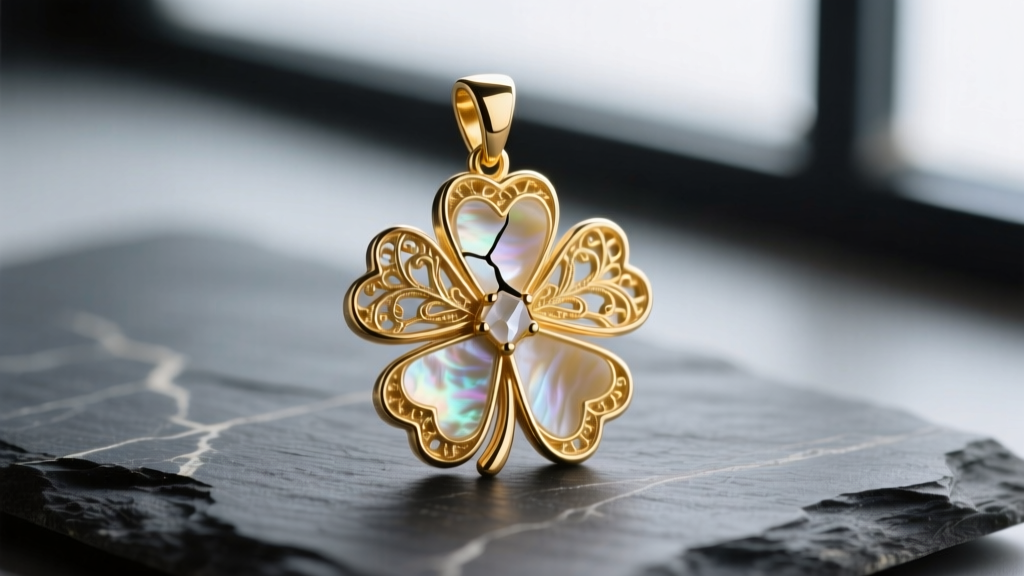
The iconic four-leaf clover motif has remained a dominant force in fine jewelry for decades. However, when investing in a four leaf clover necklace gold design, whether it is a luxury heritage piece from Van Cleef & Arpels or a high-quality 2026 CAD-cast alternative, owners frequently encounter specific structural vulnerabilities. The combination of delicate bezel settings, intricate milgrain edging, and varying gemstone inlays creates unique wear-and-tear challenges. This comprehensive troubleshooting guide addresses the most common failures in gold clover pendants and provides actionable, expert-level solutions to restore and protect your jewelry.
The Anatomy of Wear: Why Gold Clover Pendants Degrade
To effectively troubleshoot damage, you must first understand the anatomy of a clover pendant. The design typically features a gold bezel wall (usually 0.8mm to 1.2mm thick) that wraps around a carved stone or enamel inlay. The gold edge is often finished with milgrain (tiny beaded detailing). Over time, friction from clothing, exposure to cosmetics, and accidental impacts compromise both the metal and the inlay. According to the FTC Jewelry Guides, the longevity of the gold exterior depends heavily on whether the piece is solid gold, gold-filled, or vermeil, each of which requires a vastly different restoration approach.
Troubleshooting Stone and Enamel Inlay Damage
The inlay is the most vulnerable component of any clover necklace. Different materials react to stress in entirely different ways. Below is a diagnostic matrix to help you identify your inlay material and its specific failure modes.
| Inlay Material | Mohs Hardness | Common Failure Mode | Ultrasonic Safe? |
|---|---|---|---|
| Mother-of-Pearl (MOP) | 2.5 - 3.0 | Surface scratching, edge chipping, delamination | No |
| Malachite | 3.5 - 4.0 | Micro-fractures, acid etching from sweat | No |
| Black Onyx | 7.0 | Bezel separation, dulling from oils | Yes (with caution) |
| Cold Enamel | N/A (Resin) | Yellowing, cracking, shrinking from bezel | No |
Chipped Mother-of-Pearl or Malachite
Because MOP and malachite rank very low on the Mohs hardness scale, they are highly susceptible to edge chipping if the pendant is dropped or struck against a hard surface. If the chip is minor (under 2mm), a professional lapidary can sometimes re-polish the stone edge and re-seat it deeper into the bezel. However, if the stone has fractured through the banding, replacement is the only viable option. Never attempt to fill a stone chip with UV resin, as the refractive index will not match the natural stone, resulting in a glaring, glass-like blemish.
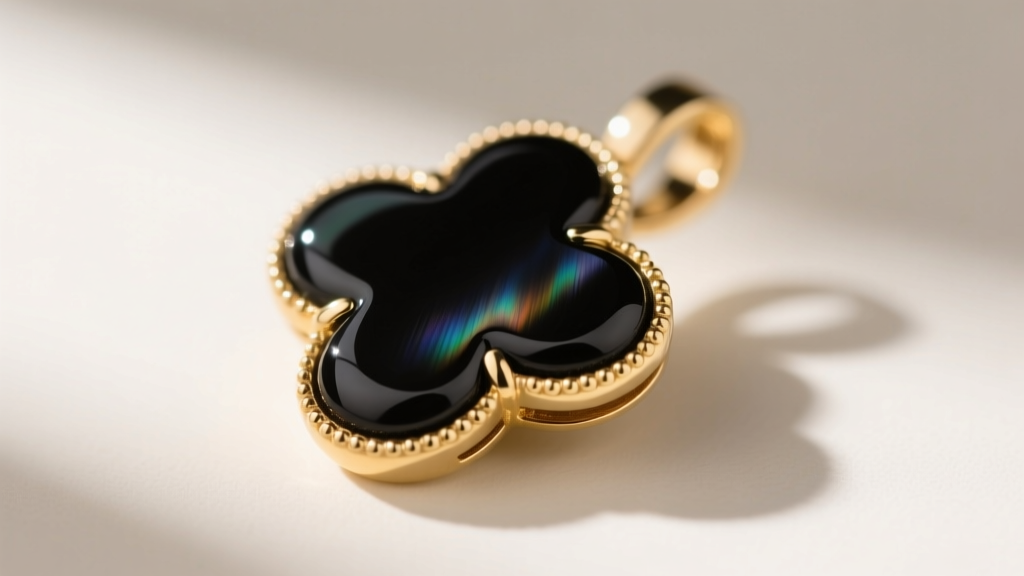
Cracked or Shrinking Cold Enamel
Many modern 2026 alternatives utilize cold enamel (an epoxy-based resin) rather than traditional vitreous enamel. Cold enamel can shrink over time, pulling away from the gold bezel and creating a visible gap where dirt accumulates. If your enamel is cracking, do not attempt a DIY patch. The chemical solvents required to prep the surface will melt the surrounding intact enamel. Send the piece to a specialist who can safely drill out the old resin, re-prep the gold backing with a micro-abrasive, and pour a color-matched jeweler's grade epoxy.
Never attempt to glue a loose clover inlay back into the bezel using standard cyanoacrylate (Super Glue). The fumes will permanently cloud the surface of porous stones like malachite and mother-of-pearl. Use a two-part clear epoxy formulated specifically for lapidary work.
Solving Chain Tangling and Clasp Failures
The delicate chains paired with clover pendants are notorious for tangling and breaking. The weight of the gold and stone pendant creates a pendulum effect, putting immense stress on the jump rings and clasp mechanisms.
The 0.8mm Cable Chain Weak Point
Most clover necklaces are suspended on delicate cable chains ranging from 0.8mm to 1.2mm in thickness. If your chain keeps snapping near the clasp, the issue is likely work-hardening. As the metal bends repeatedly at the jump ring connection, it becomes brittle. To troubleshoot this, a jeweler must replace the standard split jump ring with a soldered closed ring, or upgrade the chain to a slightly heavier 1.5mm box chain, which distributes the pendant's weight more evenly and resists kinking.
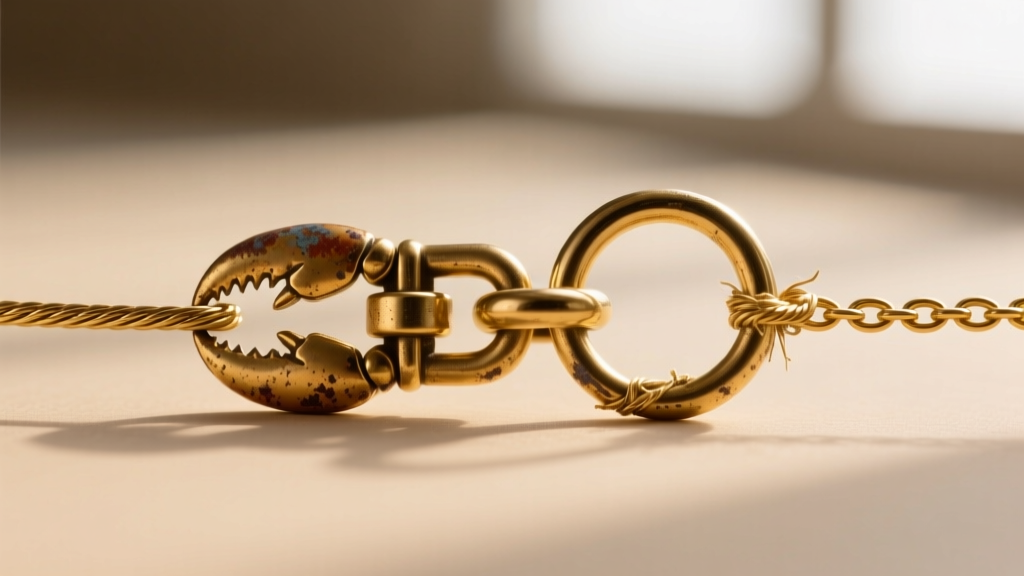
Fixing a Stuck or Weak Lobster Clasp
If your lobster clasp is stiff or fails to snap shut, the internal spring mechanism is likely compromised by lotion buildup or metal fatigue.
- For stiffness: Soak the clasp in a solution of warm water and a single drop of mild dish soap for 10 minutes. Use a soft-bristled baby toothbrush to gently scrub the trigger crevice. Rinse and dry completely.
- For a weak spring: Do not attempt to bend the trigger back into place with pliers; this will snap the internal tension wire. The clasp must be replaced. Opt for a 'trigger-style' spring ring if you prefer a lighter feel, or a heavy-duty lobster clasp with a reinforced lever for security.
Restoring Faded Gold Plating and Vermeil
One of the most frequent complaints regarding a four leaf clover necklace gold alternative is the fading of the gold finish, revealing the base metal beneath. The troubleshooting approach depends entirely on the plating thickness.
According to industry standards cited by the Gemological Institute of America (GIA) and federal guidelines, gold vermeil must consist of a sterling silver base plated with at least 2.5 microns of gold. Flash-plated items, however, often have less than 0.5 microns of gold. If you use a standard treated jewelry polishing cloth on a flash-plated clover pendant, you will strip the remaining gold instantly due to the mild abrasives in the cloth. For vermeil pieces that have worn thin on the high-relief milgrain edges, professional electroplating is required. A jeweler will polish out the micro-scratches, ultrasonically clean the piece, and submerge it in an 18k or 24k gold plating bath to restore the original 2.5-micron thickness.
Preventative Maintenance Framework
To prevent recurring damage to your clover necklace, implement this strict maintenance protocol:
- The 'Last On, First Off' Rule: Always put your necklace on after applying perfumes, hairsprays, and lotions. The alcohol and chemicals in cosmetics will degrade cold enamel and strip gold plating.
- Storage Isolation: Never store your clover pendant in a communal jewelry box. The gold bezel can easily scratch adjacent diamonds, while harder gemstones can chip the clover's inlay. Store it flat in a dedicated, anti-tarnish microfiber pouch.
- Bi-Annual Jump Ring Check: Every six months, use a 10x jeweler's loupe to inspect the jump ring connecting the pendant to the chain. If the gap in the ring has widened even slightly, take it to a jeweler to be squeezed shut with nylon-jaw pliers before the pendant slips off and is lost.
By understanding the specific metallurgical and gemological vulnerabilities of your jewelry, you can effectively troubleshoot issues and ensure your iconic clover pendant remains pristine for decades.


