Troubleshooting Your Long Gold Pendant Necklace: Fixes & Tips
Is your long gold pendant necklace constantly tangling or flipping? Discover expert troubleshooting tips, chain weaves, and bail fixes to wear it flawlessly.


The Unique Physics of Long Gold Pendant Necklaces
A beautifully draped long gold pendant necklace—typically ranging from 24 to 36 inches in length—creates an elegant, elongating silhouette. However, the increased length introduces unique mechanical challenges. The extra kinetic energy generated by a swinging 30-inch chain, combined with the fulcrum effect of the pendant bail, often leads to frustrating issues like constant tangling, pendant flipping, and premature metal fatigue. In this comprehensive troubleshooting guide, we break down the exact physics behind these failures and provide actionable, expert-level solutions to keep your jewelry looking flawless.
Problem 1: The Pendant Won't Stay Upright (The Flip)
Nothing is more annoying than adjusting a pendant only for it to flip upside down the moment you take a step. This happens when the center of gravity is misaligned with the chain's drape. The bail (the loop connecting the pendant to the chain) acts as a pivot point. If the chain is too thick or rigid, it forces the bail outward, pushing the top of the pendant away from your chest and causing the heavier bottom to swing forward and invert.
Bail and Chain Gauge Mismatches
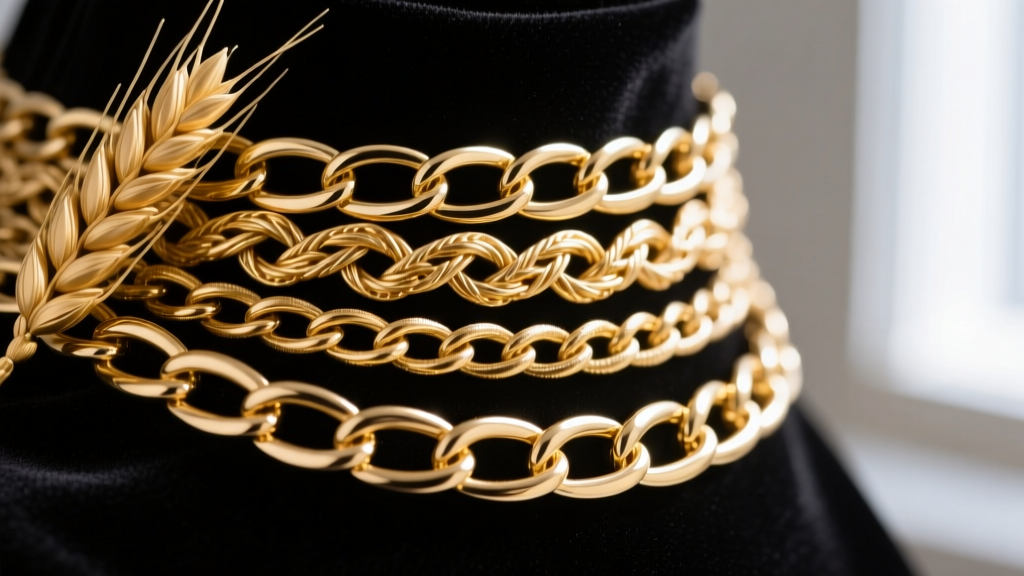
The most common culprit is a gauge mismatch. For long chains (28+ inches), you generally want a chain gauge between 1.2mm and 1.5mm to maintain a fluid drape. If you pair a 2.5mm box chain with a pendant that has a narrow 3mm inner bail diameter, the chain cannot bend smoothly through the bail. The Fix: Switch to a highly flexible chain weave, such as a 1.2mm rope or wheat chain. Alternatively, have a jeweler replace the standard loop bail with a V-bail or tapered pinch bail, which naturally forces the chain to sit at a downward angle, keeping the pendant anchored flat against your sternum.
Problem 2: Chain Tangling and Knotting
Long chains are highly susceptible to tangling because they swing freely and catch on clothing, hair, and themselves. The structural geometry of the chain links dictates its tangle resistance. While delicate chains look beautiful, certain weaves are practically guaranteed to knot if worn at opera or matinee lengths.
Best Chain Weaves for 24-36 Inch Lengths
To minimize tangling, you must choose a chain with interlocking or twisted links that resist catching on one another. Below is a diagnostic comparison of popular gold chain weaves for long pendant necklaces:
| Chain Weave | Tangle Resistance | Drape Quality | Best Pendant Weight |
|---|---|---|---|
| Rope Chain | Excellent (Twisted links deflect snags) | Fluid, heavy swing | Medium to Heavy (5g - 15g) |
| Wheat Chain | Very Good (Woven oval links lay flat) | Structured, elegant | Light to Medium (2g - 8g) |
| Figaro Chain | Good (Flat links, but pattern can catch) | Stiff, masculine drape | Heavy (10g+) |
| Box Chain | Poor (Square links easily interlock) | Stiff, geometric | Light (Under 5g) |
| Herringbone | Terrible (Kinks permanently if bent) | Lays flat, no swing | Not recommended for pendants |
Pro Tip: Avoid herringbone or snake chains entirely for long pendant necklaces. According to the Jewelers of America, these flat, fluid weaves lack structural memory and will permanently kink if subjected to the torque of a heavy pendant swinging on a long chain.
Problem 3: The Clasp Slides to the Front
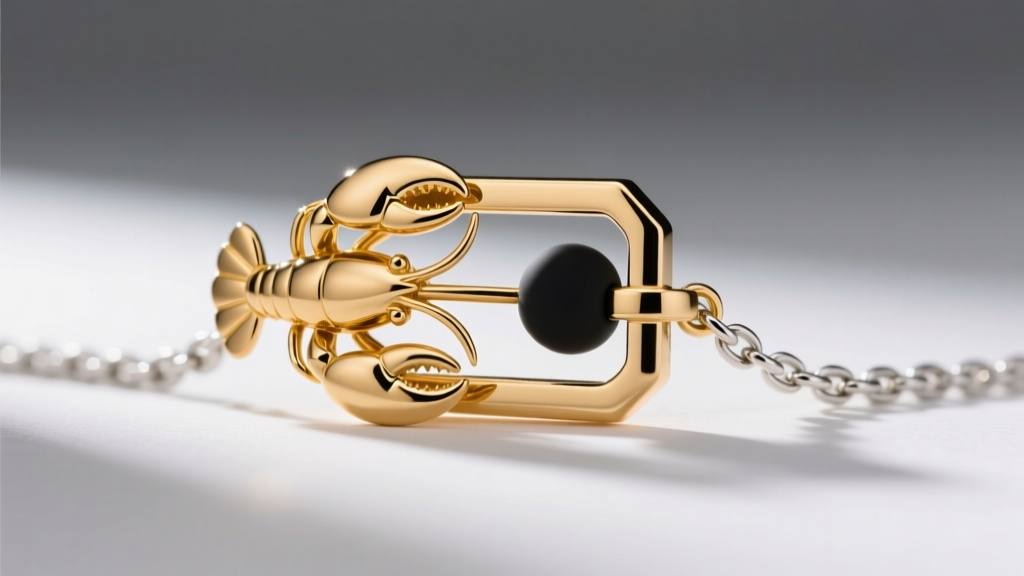
Also known as "necklace migration," this occurs when the clasp gradually works its way from the nape of your neck to the front, sitting right next to your pendant. This is a simple issue of weight distribution. The lobster clasp and its accompanying jump rings are often the heaviest components on the entire chain. As you move, gravity pulls the heaviest point to the lowest possible position—which, on a long 30-inch chain, is the bottom center.
Friction and Weight Distribution Fixes
To solve this, you need to counterbalance the clasp. The Fix: Have a jeweler thread a small, discreet 2.5mm to 3mm solid gold bead onto the chain, positioned exactly opposite the clasp, and secure it with two tiny silicone o-rings or by lightly crimping the links on either side. This acts as a counterweight, anchoring the back of the necklace. Additionally, ensure your jeweler uses a lightweight 5mm or 7mm lobster clasp rather than a bulky 12mm trigger clasp, which drastically reduces the frontward pull.
Problem 4: Premature Wear and Gold Fading
Long chains experience significantly more kinetic friction than chokers or princess-length necklaces. They swing against your body, rub against fabrics, and catch on seatbelts. Over time, this micro-abrasion can wear down the gold, especially at the link joints and the bail.
Choosing the Right Karat for Long Chains
When investing in a long gold pendant necklace, understanding metallurgy is crucial. Pure 24k gold is far too soft and will stretch or snap under the dynamic weight of a swinging pendant. While 18k gold (75% pure gold) offers a rich, buttery yellow hue, it is still relatively soft. The Gemological Institute of America (GIA) notes that the alloy metals mixed with gold dictate its tensile strength and scratch resistance.
For long chains that will be worn daily, 14k solid gold (58.3% pure gold, alloyed with copper, silver, and zinc) is the optimal choice. It provides superior structural integrity, meaning the links will not elongate or thin out at the friction points as quickly as 18k gold. A solid 14k gold 30-inch rope chain (weighing approximately 4 to 6 grams) typically ranges from $450 to $850, offering a perfect balance of luxury, durability, and pricing.
The 5-Point Troubleshooting Diagnostic Checklist
Before wearing your long gold pendant necklace for a full day, run it through this quick diagnostic checklist to preemptively solve common issues:
- The Bail Slide Test: Hold the chain taut. Does the pendant slide smoothly across the links, or does it catch? If it catches, the chain gauge is too thick for the bail.
- The Drape Test: Hold the necklace by the clasp and let it hang freely. Does it twist into a spiral? If so, the chain has residual torque and needs to be gently steamed or manually untwisted by a jeweler to prevent future knotting.
- The Clasp Weight Check: Flick the clasp with your finger. If it feels heavy and clunky, swap it for a smaller, lightweight lobster or spring-ring clasp to prevent frontward migration.
- The Link Integrity Check: Use a jeweler's loupe to inspect the jump ring connecting the pendant to the bail. Long chains generate high torque; ensure this ring is fully soldered shut, not just pushed closed.
- The Friction Audit: Check the back of the pendant bail for deep grooves. If the gold is wearing thin, apply a tiny drop of clear, jewelry-safe UV resin to the inside of the bail to act as a sacrificial friction buffer.
Expert Maintenance for Long Chains
Because long chains accumulate more skin oils, lotions, and environmental dust over their extended surface area, they require specific cleaning protocols. Never toss a 30-inch chain into an ultrasonic cleaner; the high-frequency vibrations can loosen the prongs on your pendant or weaken hollow links. Instead, coil the chain loosely in a figure-eight pattern, soak it in a bowl of warm water with a few drops of mild, phosphate-free dish soap, and gently agitate it with a soft-bristled baby toothbrush. Rinse thoroughly and lay it flat on a microfiber cloth to dry, ensuring it doesn't hang and stretch while wet. By respecting the physics and metallurgy of your jewelry, your long gold pendant necklace will remain a stunning, trouble-free staple in your collection for decades.


