Troubleshooting Your Tarnish-Resist Necklace: Why It Turns Green
Is your tarnish-resist necklace turning green? Discover the science behind PVD coating failures, galvanic corrosion, and how to restore your chains.

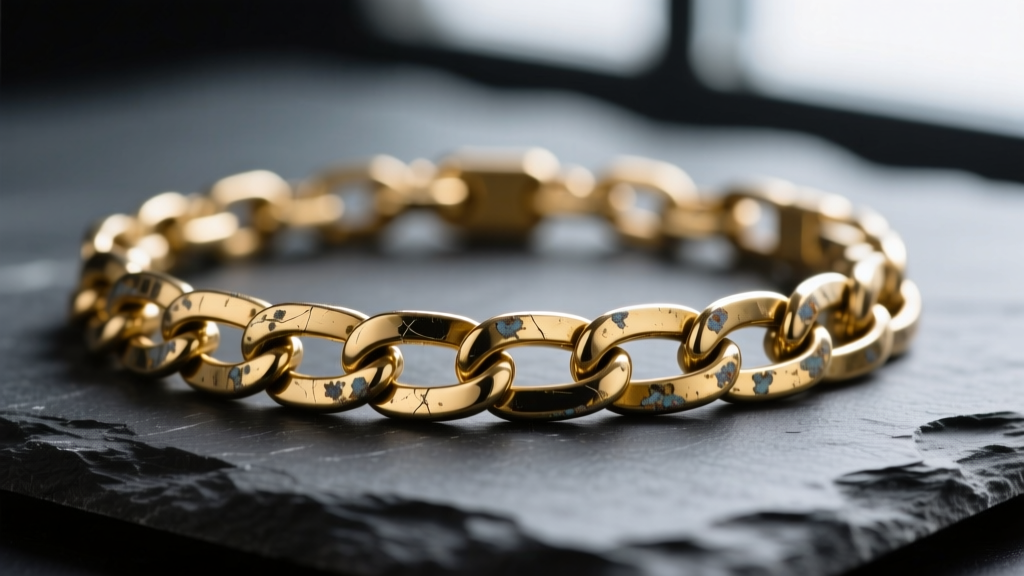
The Myth of the Indestructible Tarnish-Resist Necklace
The modern jewelry market is saturated with aggressive marketing claims of waterproof, sweat-proof, and tarnish-proof accessories. Yet, thousands of consumers experience the frustrating reality of a green neck or a dull, patchy chain after just a few months of daily wear. If you have invested in a high-quality tarnish-resist necklace, only to find it failing and leaving dark marks on your collarbone, you are not alone. The issue rarely lies in your unique body chemistry or a supposed skin allergy. Instead, it almost always stems from a fundamental misunderstanding of metallurgical limits, coating thicknesses, and environmental stressors.
In this comprehensive troubleshooting guide, we will dissect the exact failure modes of modern alternative metals. We will move past the marketing fluff and look at the actual material science, providing actionable solutions to salvage, clean, and maintain your jewelry for the long term. Whether you are dealing with a PVD-coated stainless steel chain or a gold vermeil pendant, understanding why the breakdown occurs is the first step toward fixing it.
Diagnosing the Green: 3 Common Failure Modes
When your supposedly waterproof jewelry starts leaving a green or black ring around your neck, it is an electrochemical reaction. Here is what is actually happening at the microscopic level.
1. PVD Coating Delamination and Micro-Abrasions
Physical Vapor Deposition (PVD) is a vacuum-coating process that bonds titanium nitride or gold ions to a base metal at the molecular level. While vastly superior to traditional wet electroplating, PVD coatings on commercial fashion jewelry typically range from 0.1 to 0.5 microns in thickness. For context, a single human hair is about 70 microns thick. Daily friction from clothing, micro-abrasions from airborne dust particles (which often contain quartz and silica), and the mechanical stress of putting on and taking off the necklace slowly wear away this sub-micron layer. Once the base metal—often brass or a porous zinc alloy—is exposed, it reacts with the carbon dioxide and moisture in the air, forming copper carbonate. This is the notorious green residue left on your skin.
2. Galvanic Corrosion from Mixed Alloys
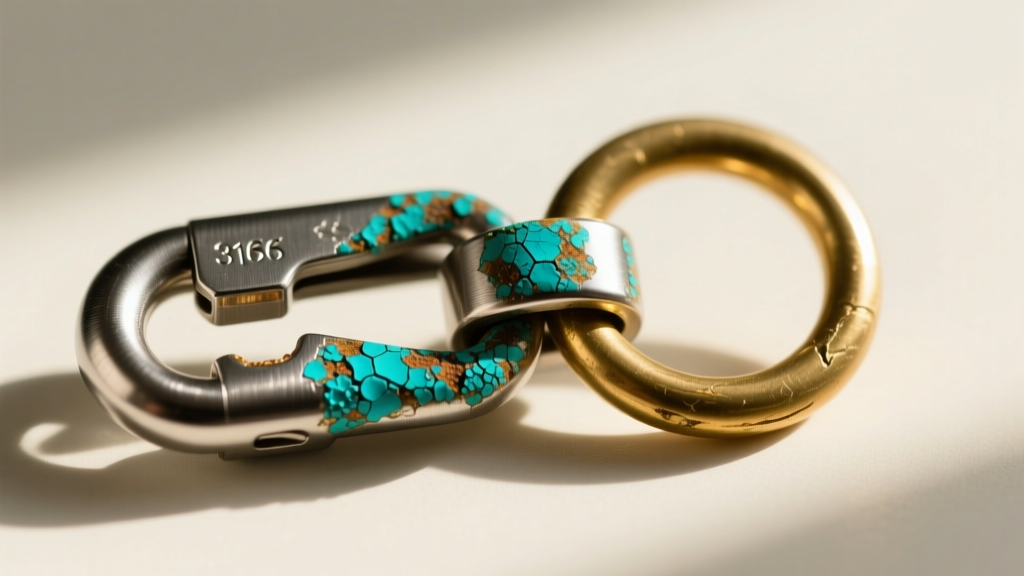
Galvanic corrosion is an electrochemical process that occurs when two dissimilar metals are in direct physical contact in the presence of an electrolyte, such as human sweat. A common manufacturing flaw in mid-tier jewelry is using a 316L stainless steel chain but attaching it with a brass or copper jump ring and lobster clasp to cut production costs. When you sweat, the saltwater acts as an electrolyte, creating a tiny, invisible battery. The more reactive metal (the brass clasp) becomes the anode and corrodes rapidly. This leads to localized pitting, structural weakness at the clasp, and severe skin discoloration right at the nape of the neck where the clasp rests.
3. The pH and Chlorine Factor
Human sweat has a pH ranging from 4.5 to 7.0, making it mildly acidic. While medical-grade 316L stainless steel can easily withstand this, lower-grade 304 stainless steel or sterling silver will eventually pit and tarnish under constant acidic exposure. Furthermore, chlorine is the ultimate enemy of karat gold and silver alloys. If you wear your necklace in a swimming pool or hot tub, the chlorine reacts aggressively with the copper and silver alloys mixed into 14k or 18k gold. According to the Gemological Institute of America (GIA), this causes a phenomenon known as chlorine stress corrosion cracking, which can literally cause solid gold chains to become brittle and snap at the links.
Material Breakdown: What Actually Resists Tarnish?
To troubleshoot your necklace, you must first identify what it is actually made of. The term tarnish-resist necklace is often used as a marketing catch-all, blurring the lines between solid alloys and thinly plated base metals. Below is a diagnostic breakdown of common materials and their true longevity.
| Material Grade | Core Composition | Outer Layer Thickness | True Tarnish Resistance | Primary Failure Mode |
|---|---|---|---|---|
| Solid 14k/18k Gold | Gold, Copper, Silver, Zinc | N/A (Solid Alloy) | High (Resists sweat/water) | Chlorine stress cracking; surface scratches |
| 316L Surgical Steel | Iron, Chromium, Nickel, Molybdenum | N/A (Solid Alloy) | Extremely High | Galvanic corrosion if paired with brass findings |
| 14k Gold-Filled | Brass or Copper Core | Minimum 5% of total weight (approx. 2-5 microns) | Moderate to High | Wear-through at high-friction points (clasps, links) |
| Gold Vermeil | Sterling Silver (925) | Minimum 2.0 microns (per FTC Guidelines) | Moderate | Silver sulfide tarnishing if outer gold layer is breached |
| PVD Plated Brass | Brass (Copper/Zinc) | 0.1 to 0.5 microns | Low (Temporary barrier) | Micro-abrasion delamination; rapid copper oxidation |
Step-by-Step Troubleshooting Guide for Discolored Chains
If your necklace has already started to tarnish or turn your skin green, follow this diagnostic protocol to determine if it can be saved.
Step 1: The Magnet and Visual Inspection
First, test the chain with a strong neodymium magnet. 316L and 304 stainless steel are generally non-magnetic or only very slightly magnetic due to their austenitic crystal structure. If your chain is strongly magnetic, it is likely a lower-grade carbon steel or iron alloy that has been plated, meaning rust is inevitable once the plating fails. Next, inspect the clasp and jump rings. Look for any color discrepancies between the chain links and the clasp. If the clasp shows a yellowish or reddish hue beneath the gold tone, you have a mixed-metal galvanic issue.
Step 2: Deep Cleaning vs. Chemical Stripping
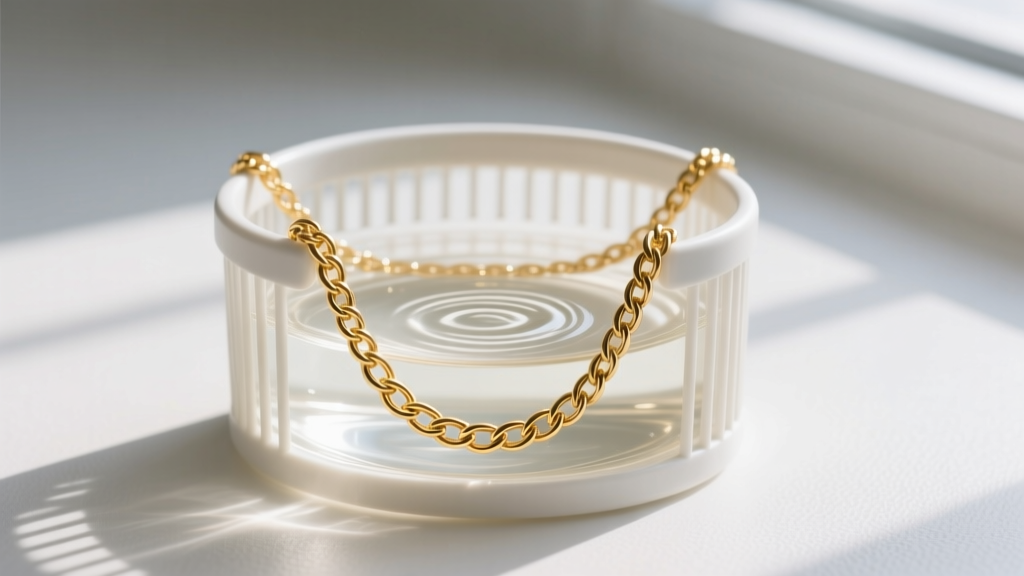
For solid metals and gold-filled pieces, an ultrasonic cleaner with a mild alkaline solution (like a few drops of phosphate-free dish soap in distilled water) will safely remove oxidized oils and environmental dirt. However, never use commercial silver dip solutions or harsh chemical cleaners on PVD-coated or gold vermeil necklaces. The thiourea and sulfuric acid in these dips can strip the microscopic outer layers, permanently ruining the finish.
Step 3: Sealing Exposed Base Metals
If your PVD-coated necklace has worn down to the brass core, you cannot simply clean the green away permanently; the oxidation will return within hours of touching your skin. As a temporary troubleshooting fix, you can apply a micro-crystalline wax, such as Renaissance Wax, to the inner links and clasp. This museum-grade wax creates a physical, moisture-proof barrier between the reactive copper and your skin. For a permanent fix, you must take the piece to a local bench jeweler to have it professionally electroplated with a new layer of rhodium or heavy gold.
Preventative Maintenance Protocol
To ensure your tarnish-resist necklace actually lives up to its name, you must implement a proactive maintenance routine that mitigates environmental stressors.
- Neutralize Acids Post-Wear: After a day of heavy sweating or wearing the necklace in high humidity, rinse the chain briefly under distilled water and pat it completely dry with a microfiber cloth. This removes the acidic salt residue before it can etch into the metal.
- Optimize Storage Environments: Do not leave your necklaces exposed to ambient air and sunlight. Store them in airtight ziplock bags with activated carbon anti-tarnish strips. These strips absorb hydrogen sulfide and other airborne pollutants that cause silver and copper alloys to oxidize.
- The 'Last On, First Off' Rule: Always put your necklace on after applying perfumes, lotions, and sunscreens. The alcohols and emulsifiers in cosmetics can degrade PVD coatings and break down the protective oxide layer on stainless steel.
- Avoid Ultrasonic Cavitation on Plated Items: While ultrasonic cleaners are excellent for solid gold and platinum, the microscopic cavitation bubbles they produce can literally blast thin layers of gold vermeil and PVD coating right off the base metal. Stick to gentle hand-washing for anything plated.
Final Verdict: Investing in True Longevity
The jewelry industry's reliance on the term tarnish-resist necklace often sets consumers up for disappointment. True resistance to tarnish, sweat, and water is a matter of physics and chemistry, not marketing. By understanding the limitations of PVD coatings, recognizing the dangers of galvanic corrosion from mixed findings, and adhering to a strict maintenance protocol, you can dramatically extend the lifespan of your favorite pieces. When shopping for your next everyday chain, look beyond the waterproof labels and demand transparency regarding core metals, coating thicknesses, and finding materials. Your skin—and your wallet—will thank you.


