15 Inch Necklace Length: Troubleshooting Fit, Clasps & Extenders
Solve fit issues with the 15 inch necklace length. Learn how to add extenders, fix broken clasps, and troubleshoot tension failures.

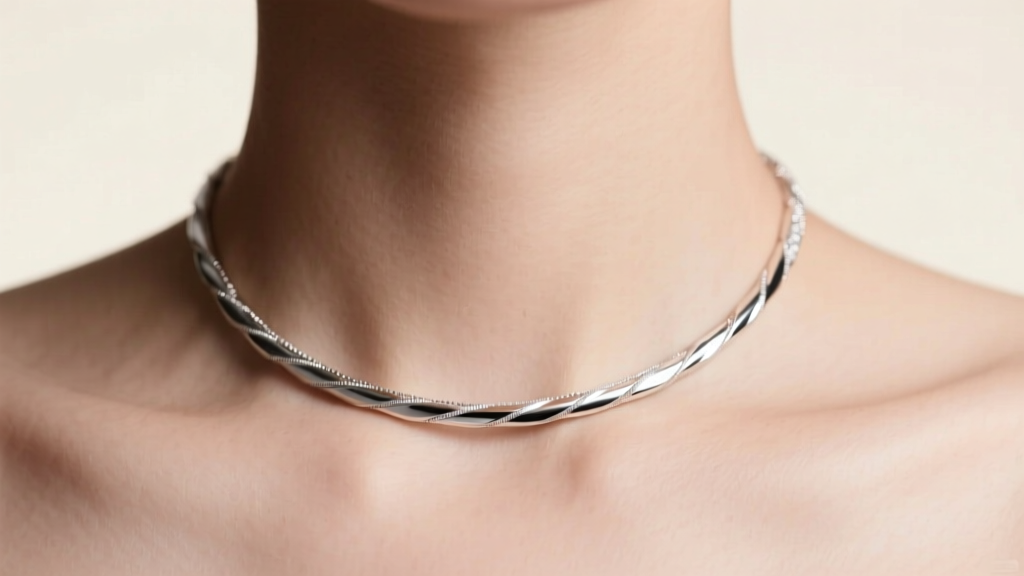
The 15 inch necklace length occupies a notoriously tricky real estate on the human neck. Sitting squarely between a standard choker (14 inches) and a classic princess-length collarbone drape (18 inches), a 15-inch chain is designed to rest precisely on or just above the collarbone. However, because human neck circumferences vary wildly—from 11 inches to over 16 inches—this specific measurement is a frequent source of customer complaints, discomfort, and hardware failure. If your chain feels like a garrote, constantly unclasps, or suffers from broken solder rings, you are experiencing the unique mechanical stresses of this length.
The Anatomy of a 15-Inch Necklace (And Why It Fails)
Before troubleshooting, we must understand the geometry of the 15 inch necklace length. According to The Knot's comprehensive jewelry guide, a 15-inch chain is categorized as a "collar" or "choker" depending on the wearer's anatomy. The primary issue with this length is lateral tension. Unlike an 18-inch chain that hangs in a relaxed parabolic curve, a 15-inch chain often wraps horizontally around the base of the neck. This horizontal wrap means that every time the wearer turns their head, swallows, or catches the chain on a shirt collar, the lateral force is transferred directly to the weakest points: the jump rings and the clasp mechanism.
The Solder Ring Vulnerability
The most common failure mode for a 15-inch chain is the snapping of the solder ring (the single closed ring that connects the chain to the clasp). Because the chain lacks the slack to absorb kinetic movement, the torque applied to the solder ring during daily wear can easily exceed the tensile strength of a standard 22-gauge or 24-gauge wire, leading to micro-fractures and eventual snapping.

Diagnostic Guide: Is Your Chain Too Tight?
Troubleshooting begins with accurate measurement. Do not guess your neck size. Use a flexible tailor's tape measure, wrap it snugly around the base of your neck where a collar would sit, and record the exact circumference. Use the diagnostic matrix below to determine your required intervention.
| Neck Circumference | Fit Profile at 15 Inches | Troubleshooting Action Required |
|---|---|---|
| 11.0" - 12.5" | Loose Collarbone Drape | No fix needed. Add a 3-5 gram pendant to prevent the clasp from migrating to the front. |
| 13.0" - 14.0" | Snug Collarbone / Ideal | Monitor clasp integrity. Ensure jump rings are fully closed and soldered if possible. |
| 14.25" - 15.0" | Tight Choker / Restrictive | Mandatory 2-inch to 3-inch extender chain installation to relieve lateral tension. |
| 15.25"+ | Unwearable / Choking Hazard | Requires full chain reconstruction or wearing unclasped as a layered lariat. |
Hardware Solutions: Extenders, Clasps, and Modifiers
If your diagnostic indicates a tight fit, you must alter the hardware. Simply forcing a tight 15 inch necklace length to work will result in metal fatigue.
Choosing the Right Extender Chain
An extender chain is a short segment of chain (usually 2 to 3 inches) attached to the female end of the clasp. When sourcing or fabricating an extender, you must match the wire gauge and link style of the original chain to prevent uneven stress distribution. If your 15-inch chain is a 22-gauge cable chain, use a 22-gauge or slightly thicker 20-gauge extender. Using a thinner 24-gauge extender will cause the extender to stretch and deform under the tension of a tight neck fit.
Upgrading the Clasp Mechanism
Spring ring clasps are notorious for failing on 15-inch chains. The internal spring mechanism is weak, and the tiny lever is easily pulled open by lateral neck movements. Troubleshooting fix: Replace the spring ring with a 5mm or 6mm lobster claw clasp. Lobster claws feature a heavier internal spring and a more robust casting, providing up to 40% more resistance to lateral pull. For high-end pieces, consider a magnetic barrel clasp, which eliminates the mechanical failure point of a spring entirely.
Material-Specific Troubleshooting at High Tension
The material composition of your necklace dictates how it will fail under the high-tension environment of a 15-inch fit.
- Sterling Silver (925): Silver is highly susceptible to work-hardening. When a 15-inch silver chain is constantly stretched taut, the links at the nape of the neck will work-harden, become brittle, and eventually snap. Fix: Anneal the chain links with a micro-torch if you possess the skills, or aggressively polish and condition the chain to prevent micro-corrosion that accelerates brittle failure.
- Gold-Filled (14/20): Gold-filled wire consists of a brass core bonded to a karat gold exterior. If you attempt to cut and resize a gold-filled 15-inch chain using dull flush cutters, you will crush the wire, causing the gold layer to peel away from the brass core, exposing it to rapid oxidation. Fix: Only use precision, razor-flush cutters (like Lindstrom RX series) to ensure a clean, flat cut that preserves the gold cladding.
- Surgical Steel / Titanium: These metals possess immense tensile strength and will not stretch or snap under neck tension. However, their rigidity means the tension is transferred entirely to the clasp. If wearing steel or titanium at 15 inches, the clasp must be heavy-duty, or the jump rings must be laser-welded shut.
Step-by-Step: DIY Extension and Clasp Replacement
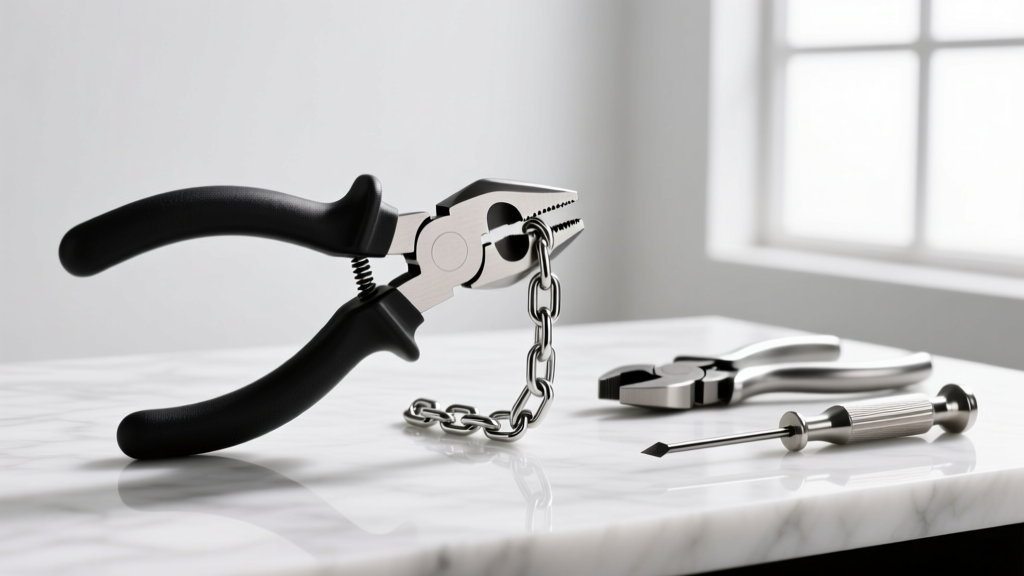
If you need to salvage a tight 15 inch necklace length by adding an extender and upgrading the clasp, follow this professional bench protocol. Jewelry supply experts at Rio Grande emphasize the importance of using non-marring tools when working with finished chains.
"Never use standard steel flat-nose pliers on finished precious metal chains. The serrated teeth will permanently mar the links. Always use nylon-jaw pliers or wrap your steel pliers in painter's tape."
Required Tools and Materials
- Nylon jaw pliers
- Precision flush cutters
- Two 4mm or 5mm open jump rings (matching the metal and gauge of your chain)
- 1x 2-inch or 3-inch extender chain segment
- 1x 5mm Lobster claw clasp
The Procedure
Step 1: Use your flush cutters to carefully snip the existing solder ring or jump ring connecting the old clasp to the chain. Do not cut the actual chain links.
Step 2: Take one 4mm open jump ring and thread it through the last link of your 15-inch chain, then through the top loop of the new lobster claw clasp. Using two pairs of pliers (or one pliers and your fingers), twist the jump ring closed laterally. Never pull the ring apart outward, as this distorts the circle and weakens the metal.
Step 3: Attach the second jump ring to the opposite end of the chain, connecting it to the first link of your extender chain segment. Close the jump ring securely.
Step 4: Test the tension. Clasp the lobster claw onto the furthest link of the extender. The chain should now measure 17 or 18 inches, allowing it to drape comfortably over the collarbone without lateral strain.
Styling Workarounds When You Can't Alter the Chain
Sometimes, you inherit a vintage 15 inch necklace length piece where altering the hardware would destroy its historical or monetary value. If you cannot add an extender, you must change how you style it to mitigate the tight fit visually and physically.
The Lariat Illusion
If the chain is too tight to clasp comfortably, do not force it. Instead, use a tiny, clear silicone earring backing or a specialized jewelry stopper bead on one end of the chain. Thread the opposite end of the chain through a decorative pendant bail, and let the chain hang unclasped down your chest. This transforms a restrictive 15-inch choker into a relaxed, adjustable Y-necklace (lariat), completely bypassing the neck circumference issue while creating a striking, avant-garde silhouette.
Strategic Layering
If the 15-inch chain fits but feels visually suffocating, you must break up the horizontal line it creates across your neck. Pair it immediately with a 20-inch or 22-inch heavy chain (like a 4mm Cuban link or a thick paperclip chain). The deep V-shape of the longer chain draws the eye downward, creating a visual illusion that elongates the neck and makes the 15-inch piece look like an intentional, high-fashion collar rather than a sizing mistake.