Troubleshooting Your Custom Necklace With Kids Birthstones
Discover expert solutions for common design flaws, chain breakage, and fading stones in your custom necklace with kids birthstones.

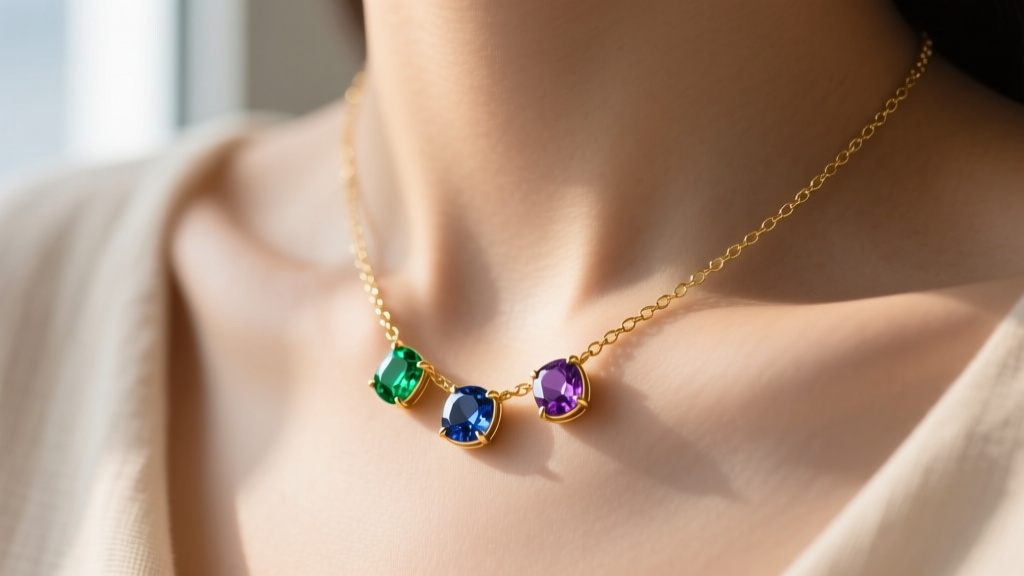
A custom necklace with kids birthstones is more than just an accessory; it is a deeply personal talisman that keeps your family close to your heart. However, the emotional weight of these pieces often outlasts their physical durability. Many mothers and grandmothers invest in custom birthstone jewelry, only to face a frustrating cycle of snapped chains, cloudy gemstones, and settings that snag on everyday clothing. The custom jewelry market is saturated with mass-produced components that fail under the stress of daily wear.
As a jewelry design specialist, I see the same structural and aesthetic failures repeatedly. Designing a multi-stone pendant requires a firm understanding of metallurgy, gemological hardness, and tensile strength. If your cherished piece is currently sitting in a drawer because it broke, looks cluttered, or lost its sparkle, this troubleshooting guide will help you diagnose the failure points and engineer a lasting solution.
The "Grape Cluster" Effect: Troubleshooting Visual Clutter
The most common aesthetic complaint regarding a necklace with kids birthstones is the "grape cluster" syndrome. When jewelers cram three, four, or five gemstones onto a single, centralized pendant bail, the result is a heavy, chaotic focal point that lacks elegance. The stones compete for light, and the metalwork often looks like an afterthought.
The Solution: Asymmetry and Station Chains
Instead of forcing every birthstone into a single pendant, troubleshoot the design by distributing the visual weight. A station chain integrates the birthstones directly into the chain links at asymmetrical intervals. For a three-child necklace, place the stones at the 10 o'clock, 12 o'clock, and 2 o'clock positions along the collarbone. This allows each stone to catch the light independently. If you prefer a centralized pendant, opt for a horizontal bar setting or a cascading tiered design where each stone hangs from a delicate, soldered jump ring of varying lengths (e.g., 15mm, 20mm, and 25mm drops). This creates movement and prevents the stones from overlapping and scratching one another.
Tensile Failure: Why Your Chain Keeps Snapping
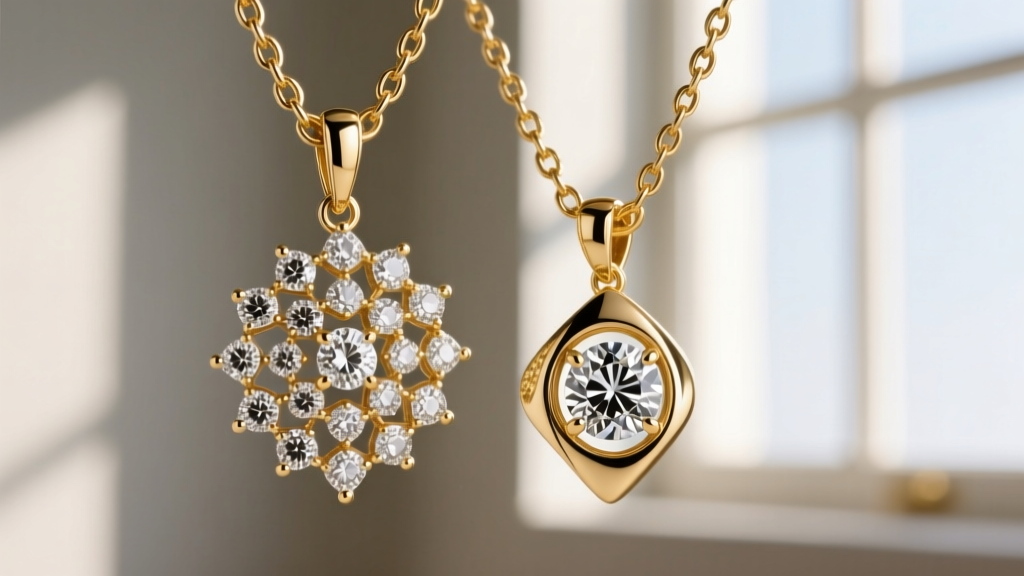
Gemstones are surprisingly heavy. A standard 4mm round gemstone weighs approximately 0.30 to 0.50 carats depending on the specific gravity of the mineral. When you combine three or four stones, plus the metal settings, the total pendant weight can easily exceed 8 grams. Many commercial jewelers pair these heavy pendants with flimsy 0.8mm cable chains to cut costs, resulting in inevitable tensile failure at the clasp or the bail.
Chain Gauge and Weight Capacity Matrix
To troubleshoot chain breakage, you must upgrade the chain profile and gauge. Avoid standard cable chains entirely for multi-stone pendants. Instead, look for laser-welded or traditionally soldered links. Below is a diagnostic matrix to help you select the correct chain for your specific pendant weight.
| Chain Type & Gauge | Max Safe Weight | Ideal For | Failure Mode |
|---|---|---|---|
| 0.8mm Cable Chain | ~3.0 grams | Single, lightweight stone | Links pull apart under multi-stone weight |
| 1.2mm Box Chain | ~8.0 grams | 2 to 3 birthstones | Bail friction wears down the top link |
| 1.5mm Rope Chain | ~15.0 grams | 3 to 4 birthstones | Highly durable; clasp spring-ring fails first |
| 2.0mm Figaro Chain | ~25.0 grams | 5+ stones or solid gold settings | Virtually indestructible for daily wear |
Pro-Tip: Always upgrade the clasp. A standard spring-ring clasp is the weakest point of any necklace. Swap it for a lobster clasp or, ideally, a custom soldered S-hook or magnetic neodymium clasp rated for heavy pendants.
The Fading Phenomenon: Gemstone Hardness and Dye Leaching
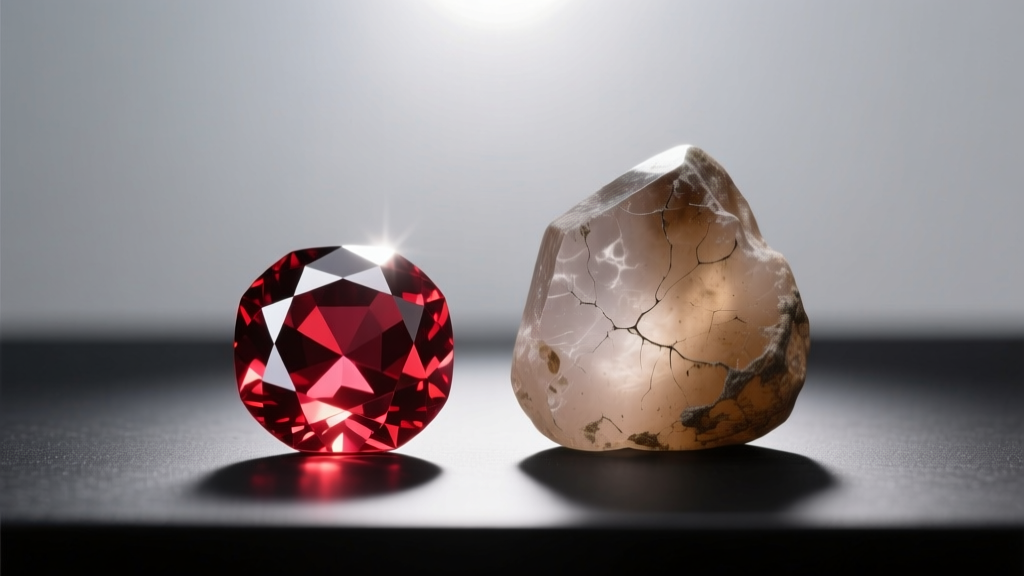
Have you noticed the vibrant ruby or deep sapphire in your necklace with kids birthstones turning cloudy, pink, or completely clear after a few months of wear? This is a rampant issue in the custom jewelry sector. Many budget-friendly jewelers use dyed howlite, coated glass, or low-grade porous quartz to represent expensive birthstones. When these stones come into contact with body oils, lotions, and the natural acidity of your skin, the chemical dyes leach out, leaving you with a dull, scratched pebble.
Consulting the Mohs Scale for Daily Wear
To ensure your stones survive a lifetime of wear, you must understand the Mohs scale of mineral hardness. According to the Gemological Institute of America (GIA), any stone worn daily in a necklace or ring should ideally have a hardness of 7 or higher to resist scratching from ambient dust (which contains quartz particles).
- High Durability (Mohs 8-9): Lab-created sapphires and rubies (corundum), genuine topaz, and spinel. These are virtually scratch-proof for daily wear.
- Medium Durability (Mohs 7-7.5): Genuine amethyst, citrine, and garnet. These will hold up well but may require occasional repolishing after years of wear.
- High Risk (Mohs 5-6.5): Genuine opals (October), pearls (June), and turquoise (December). These are highly porous and soft. They will crack, craze, or lose their luster if worn in the shower or exposed to perfumes.
Expert Workaround: If your child was born in October or June, do not use genuine opals or pearls for a daily-wear pendant. Instead, opt for lab-created nano-sapphires in opalescent white or moonstone, which offer the aesthetic vibe of the birth month but possess the structural integrity of corundum (Mohs 9).
Snag Hazards: Prong Settings vs. Bezel Security
Traditional four-prong or six-prong settings are designed to maximize light entry into a diamond. However, in a multi-stone birthstone necklace, prongs are a structural liability. They act like tiny hooks, catching on knit sweaters, scarves, and baby blankets. When a prong snags, it pulls upward, bending the metal and popping the gemstone out of its seat.
The definitive troubleshooting fix for stone loss is the bezel setting. A bezel setting involves a continuous rim of metal that wraps entirely around the girdle (the widest edge) of the gemstone. Not only does a bezel setting eliminate all snag points, but it also protects the fragile edges of the stone from chipping if the necklace is dropped or bumped against a hard surface. For a modern, sleek look, request a half-bezel or a flush/gypsy setting, where the stone is set directly into a drilled hole in a solid metal bar, leaving the surface completely smooth.
A Troubleshooting Protocol for Cloudy Stones and Tarnish
Even high-quality birthstones will accumulate a film of sebum, dead skin cells, and cosmetic residue, causing them to look cloudy and lifeless. Furthermore, if your necklace is crafted from sterling silver (925), the copper alloyed within it will oxidize and tarnish when exposed to sulfur in the air and water.
Follow this strict maintenance protocol recommended by industry experts at Jewelers of America to restore your necklace without damaging the stones:
- The Soak: Mix a few drops of mild, phosphate-free dish soap (like Dawn) into a bowl of lukewarm water. Never use hot water, as thermal shock can fracture heat-treated stones like tanzanite or emeralds.
- The Agitation: Submerge the necklace for 10 minutes. Use an extra-soft, baby-bristle toothbrush to gently sweep the underside of the bezels and the chain links. Do not scrub the face of softer stones like turquoise.
- The Rinse & Dry: Rinse thoroughly under lukewarm running water. Pat dry with a lint-free microfiber cloth. Never use paper towels, as the wood fibers will leave microscopic scratches on polished gold and silver.
- Tarnish Removal: For sterling silver chains, use a specialized silver polishing cloth infused with anti-tarnish agents. Avoid liquid silver dips, as the harsh chemicals can strip the polish from your gemstones and degrade the solder joints on your chain links.
By addressing these structural and material vulnerabilities, your necklace with kids birthstones will transition from a fragile, frustrating trinket into a robust, heirloom-quality piece that you can wear proudly every single day.


