Tungsten Cross Necklace Value: Budget & Durability Guide
Is a tungsten cross necklace worth the investment? We break down pricing tiers, carbide binders, shatter risks, and true budget value.

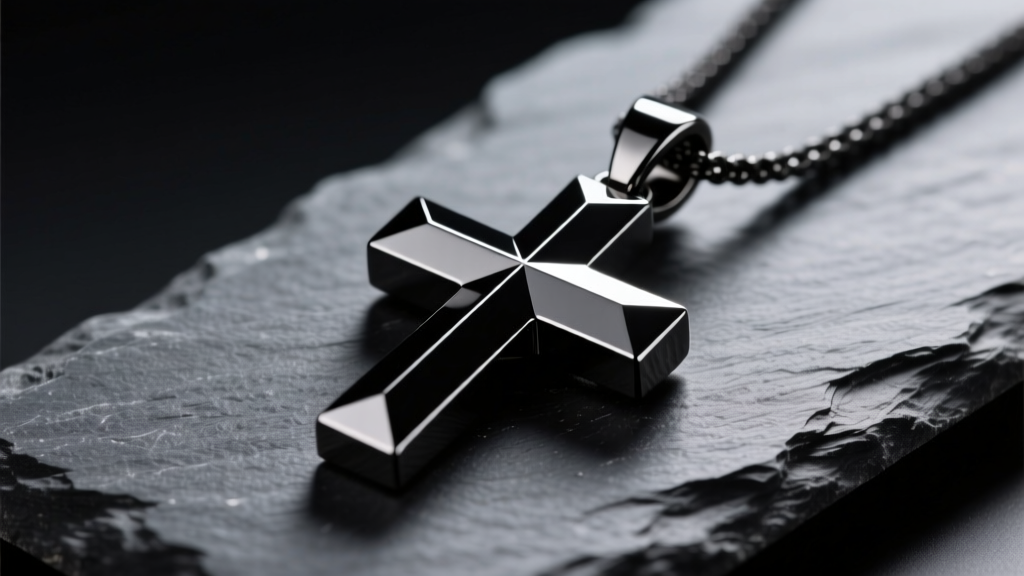
When shopping for men's jewelry or minimalist everyday accessories, the tungsten cross necklace frequently emerges as a top contender for buyers seeking a bold aesthetic without the exorbitant price tag of precious metals. However, the intersection of budget pricing and extreme durability claims often masks a complex metallurgical reality. As of 2026, advancements in CNC milling have made tungsten carbide jewelry more precise and accessible than ever, but not all crosses are created equal. To truly assess the value of a tungsten pendant, we must look past the marketing jargon and evaluate the raw materials, manufacturing methods, and long-term wearability of this incredibly dense alloy.
The Real Cost of Tungsten Carbide Cross Pendants
The primary appeal of a tungsten cross necklace is its budget-friendly price point, typically ranging from $15 to $60. But why is it so affordable compared to sterling silver or 10k gold? The answer lies in the raw material costs and the manufacturing scale. Tungsten is an abundant transition metal, and the carbide powder used in jewelry is relatively inexpensive to source in bulk. Unlike gold or platinum, where you are paying a premium for the intrinsic commodity value of the metal, a tungsten purchase is strictly a transaction for labor and machining.
Because tungsten carbide has a melting point of over 5,000°F (2,760°C), it cannot be cast using traditional jewelry lost-wax casting methods. Instead, it is sintered—compressed into a mold and baked in a vacuum furnace. Basic, mass-produced crosses are pressed into simple molds, keeping costs near the $15 mark. Premium crosses, however, undergo hours of CNC (Computer Numerical Control) milling and diamond-polishing, which justifies the $40 to $60 price range. Understanding this distinction is the first step in accurately assessing budget value.
Material Breakdown: Binders, Alloys, and Skin Safety
Pure tungsten is far too brittle for jewelry; it would shatter like glass if dropped. To create a wearable material, jewelers use tungsten carbide, which combines tungsten with equal parts carbon atoms. Yet, even tungsten carbide requires a metallic "binder" to hold the microscopic grains together during the sintering process. This binder is the most critical factor in determining both the safety and the true value of your necklace.
Cobalt vs. Nickel Binders
Cheaper tungsten crosses (usually under $20) often use nickel as a binder. Nickel is highly effective and cheap, but it is a notorious contact allergen. Over time, oxidation and skin oils can cause the nickel to leach, resulting in green skin discoloration or severe contact dermatitis. Higher-quality brands use a cobalt or specialized non-allergenic binder. Cobalt-bound tungsten is far more stable, hypoallergenic, and resistant to oxidation. When evaluating a budget necklace, always verify the binder material. If the product description does not explicitly state "cobalt-free" or "nickel-free," assume it contains nickel and proceed with caution.
"Tungsten carbide is not a pure metal; it is a composite material. The choice of binder alloy dictates not only the hypoallergenic properties of the jewelry but also its resistance to environmental corrosion over years of daily wear." — Halstead Jewelry Manufacturing Resources
Durability vs. Brittleness: The Shatter Risk
The most common selling point for tungsten jewelry is its position on the Mohs scale of mineral hardness. Rating between 8.5 and 9, tungsten carbide is vastly harder than titanium (6), stainless steel (4.5), and even 18k gold (2.5). In practical terms, this means a tungsten cross pendant is virtually scratch-proof. It will not scuff against keys, zippers, or tools, maintaining its mirror or brushed finish for decades.
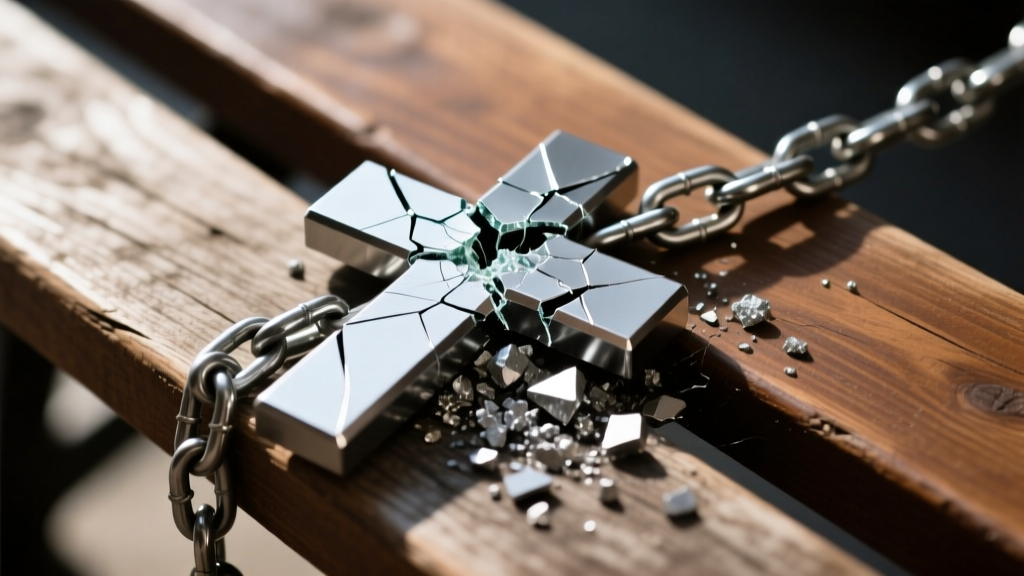
However, extreme hardness comes with a severe trade-off: low tensile and impact strength. Tungsten is incredibly dense and heavy, which gives it a satisfying, premium feel on the chest. But if a heavy tungsten cross falls from neck-height onto a hard surface like a ceramic tile floor or a granite countertop, the kinetic energy cannot be absorbed through bending or denting. Instead, the pendant will likely shatter into jagged pieces. This brittle failure mode is an inherent property of the carbide structure. For desk workers or those in low-impact environments, this is a non-issue. For construction workers or athletes who might drop or strike their pendant against hard surfaces, this shatter risk severely diminishes the long-term value proposition.
Pricing Tiers: What $20 vs $60 Actually Gets You
To help you navigate the market, we have broken down the pricing tiers you will encounter when shopping for a tungsten cross necklace. This framework separates the disposable fashion jewelry from the genuine value propositions.
| Price Tier | Manufacturing Method | Binder Type | Design Features | Value Verdict |
|---|---|---|---|---|
| $10 - $25 | Die-pressed, basic tumble polish | Nickel (High allergy risk) | Flat, generic shapes, sharp unmilled edges | Poor. High risk of skin irritation and edge chipping. |
| $25 - $45 | CNC milled, multi-step polishing | Cobalt / Hypoallergenic | Beveled edges, brushed/satin finishes | Excellent. The sweet spot for budget buyers seeking safe, durable wear. |
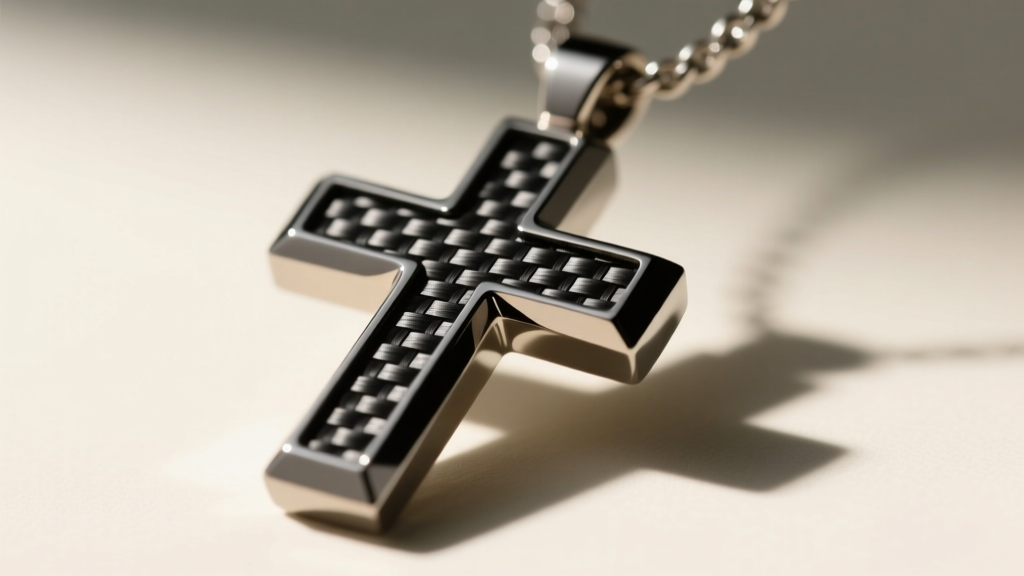
| $45 - $75 | Precision CNC, laser engraving | Cobalt / Hypoallergenic | Carbon fiber, wood, or precious metal inlays | Good. You are paying for aesthetic inlays, not structural superiority. |
| $80+ | Varies | Varies | Brand name markup, designer packaging | Poor. The material does not justify the premium price tag. |
For the best budget value, aim for the $25 to $45 range from reputable alternative metal jewelers like King Will or Triton, ensuring you receive a cobalt-bound, CNC-finished piece.
Chain Pairing and Hardware Realities
A common mistake buyers make when investing in a tungsten pendant is pairing it with the wrong chain. Because tungsten is so dense, a standard 1.5-inch cross pendant can easily weigh 25 to 35 grams. This requires a chain with high tensile strength and appropriate hardware.
- Avoid Tungsten Chains: While tungsten chains exist, they are notoriously stiff, heavy, and prone to pulling chest hair. They also lack the flexibility to drape naturally over the collarbone.
- Opt for 316L Stainless Steel: A 3mm to 5mm 316L stainless steel rope or Cuban link chain is the ideal companion. It offers the necessary tensile strength to hold the heavy pendant, matches the gunmetal or silver tone of the tungsten, and remains flexible and comfortable.
- Consider Leather Cords: For a more rugged, outdoorsy aesthetic, a 3mm braided leather cord with a stainless steel clasp provides a lightweight, comfortable contrast to the heavy metal cross.
- Check the Bail Size: Tungsten cannot be easily soldered. Therefore, the bail (the loop connecting the pendant to the chain) is usually integrated into the CNC design or attached via industrial adhesives and tension pins. Ensure the bail opening is at least 5mm wide to accommodate thicker, durable chains like rope or Figaro styles.
Final Verdict: Who Should Buy Tungsten?
So, is a tungsten cross necklace a good investment? If your definition of investment is financial resale value, the answer is no. Tungsten holds virtually zero scrap or resale value. However, if your definition of value is cost-per-wear and aesthetic longevity, tungsten is arguably the best budget metal on the market. According to Blue Nile's metal education guide, alternative metals like tungsten offer unparalleled scratch resistance for daily wearers who refuse to baby their jewelry.
For the budget-conscious buyer who wants a heavy, masculine, scratch-proof pendant that will look exactly the same in ten years as it does today, a cobalt-bound tungsten cross in the $30 to $50 range is an exceptional purchase. Just be mindful of the shatter risk, avoid nickel binders, and pair it with a high-quality stainless steel chain to maximize your investment.


