Turquoise Concho Necklace: 2026 Budget & Value Guide
Discover how to evaluate a turquoise concho necklace in 2026. We break down silver purity, stone treatments, and pricing tiers to ensure you get true value.

The Anatomy of Value: Metal, Stone, and Make
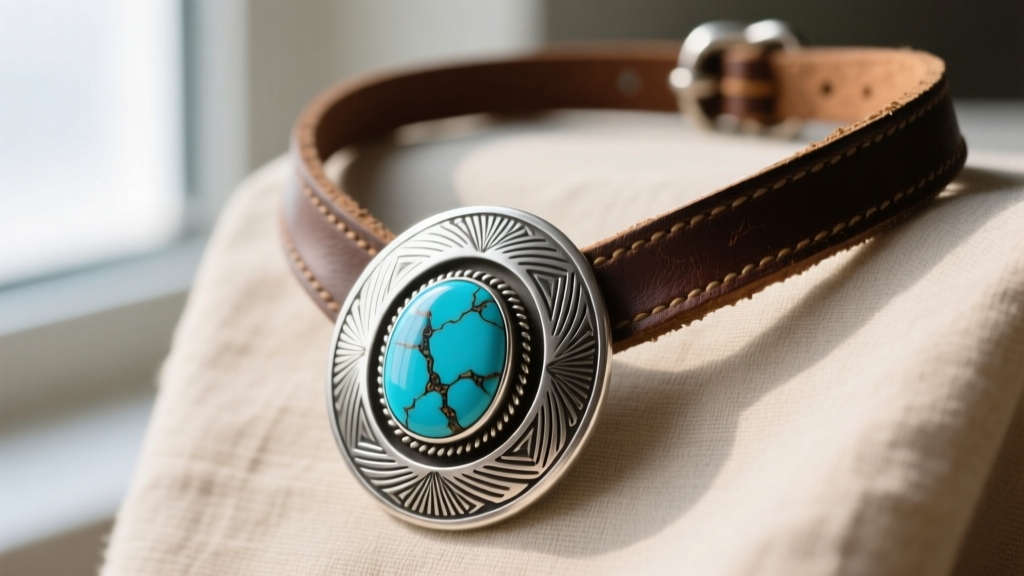
The turquoise concho necklace stands as one of the most iconic silhouettes in Southwestern and Native American jewelry. Originating from the Navajo and Zuni silversmithing traditions of the late 19th century, the "concho" (derived from the Spanish word for shell) evolved from functional hair plates and belt buckles into the elaborate, heavy-gauge necklaces we see today. In 2026, the market for these pieces is highly stratified. Mass-produced imports flood the lower end, while museum-quality, hand-stamped heirlooms command premium prices at auction. For collectors and enthusiasts, conducting a rigorous budget and value assessment is critical before making a purchase. This guide breaks down the exact metallurgical, gemological, and historical factors that dictate the true worth of a turquoise concho necklace.
Silver Purity and Gauge Thickness
The foundation of any high-value concho necklace is its metalwork. Authentic, high-end pieces are crafted from solid sterling silver (925 purity) or, in the case of vintage and historically accurate contemporary pieces, coin silver (900 purity). Coin silver, traditionally forged from melted US silver dollars, has a slightly lower copper content, which makes it softer to work with and allows for deeper, more fluid hand-stamping.
When assessing value, pay close attention to the silver gauge. Premium conchos are typically cut from 16-gauge to 18-gauge silver sheet. This thickness is necessary to support the deep repoussé (raised) stamping and heavy stone settings without warping. If a concho feels unusually light, bends easily under slight pressure, or rings with a high-pitched "tinny" sound when tapped, it is likely made from a base metal alloy or a very thin 22-gauge commercial silver sheet. Avoid "nickel silver" or "German silver" entirely; these contain zero actual silver and hold no intrinsic precious metal value.
Construction Techniques: Hand-Stamped vs. Cast
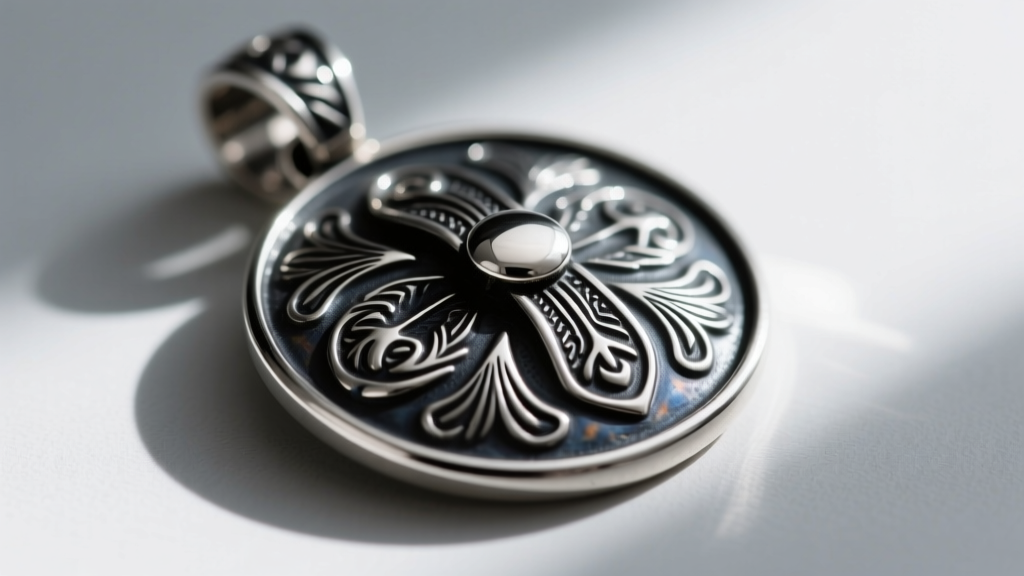
The method of fabrication is the single largest differentiator in the mid-to-high tier market. Hand-stamped conchos are individually struck using hardened steel dies and a heavy mallet. This process compresses the silver, increasing its structural integrity and creating a distinct, slightly asymmetrical texture that catches the light beautifully. The oxidation (darkening) is typically rubbed into the recesses by hand, creating high contrast.
Conversely, cast conchos are produced by pouring molten silver into rubber molds. While casting is faster and cheaper, it results in a porous, brittle metal structure. Cast pieces often have a "mushy" or blurred appearance in their detailing, and the edges lack the crisp, sharp undercut of hand-chiseled work. In 2026, a genuine hand-stamped turquoise concho necklace will cost at least three to four times more than a cast equivalent due to the sheer labor hours involved.
Decoding the Turquoise Cabochon
The turquoise stones set into the conchos dictate the ceiling of the necklace's value. The Gemological Institute of America (GIA) notes that turquoise is frequently treated to enhance its durability and color. Understanding these treatments is non-negotiable for value assessment.
- Natural, Untreated Turquoise: This is the holy grail. Only about 10% of all mined turquoise is hard enough to be cut and polished without chemical stabilization. Natural stones from legendary, now-closed mines like Bisbee, Lander Blue, or Number 8 command massive premiums. Look for natural variations in color and authentic matrix (the host rock webbing).
- Stabilized Turquoise: This is the industry standard for high-quality jewelry. Soft, chalky turquoise is infused with a clear epoxy or resin under pressure. This process hardens the stone and locks in its color without adding artificial dyes. Stabilized turquoise is highly durable and holds solid mid-tier value, provided the silverwork is exceptional.
- Dyed and Block Turquoise: Block turquoise is entirely synthetic (often a plastic polymer mixed with copper dust), while dyed turquoise involves injecting cheap, white howlite or chalk with blue pigments. These materials possess virtually zero collector value and are strictly relegated to the budget fashion tier.
Bezel Settings and Leather Backing
Examine how the stone is held in place. High-end silversmiths use a "sawtooth" or serrated bezel for larger, irregular cabochons, which requires painstakingly filing each individual tooth to grip the stone perfectly. Smooth, machine-pressed bezels are a hallmark of mass production.
Furthermore, many vintage and contemporary concho necklaces feature a leather backing soldered or glued to the silver. This protects the wearer's clothing from the rough underside of the stampwork and adds structural rigidity. When evaluating vintage pieces, check the leather for dry rot, cracking, or separation from the silver, as replacing original leather on a historical piece can slightly diminish its provenance value.

2026 Pricing Tiers and Market Value
To help you budget effectively, we have categorized the current market into three distinct tiers based on materials, craftsmanship, and provenance. Use this framework to ensure you are paying a fair price for the quality offered.
| Tier | Price Range (2026) | Silver & Construction | Turquoise Quality |
|---|---|---|---|
| Budget / Fashion | $75 - $250 | Thin gauge (22g+), cast, nickel silver alloys, machine-stamped. | Dyed howlite, block plastic, or heavily dyed chalk. |
| Mid-Range / Artisan | $400 - $1,200 | 18g-20g sterling silver, mix of cast and hand-finished, smooth bezels. | High-quality stabilized turquoise, clear color, minimal matrix. |
| Investment / Heirloom | $1,800 - $8,000+ | 16g-18g coin or sterling silver, deep hand-stamped repoussé, sawtooth bezels. | Natural, untreated, high-grade stones from closed mines (e.g., Bisbee, #8). |
Authentication and the Indian Arts and Crafts Act
When buying Native American jewelry, legal and ethical authenticity is paramount. The Indian Arts and Crafts Board enforces the Indian Arts and Crafts Act of 1990, which makes it illegal to market jewelry as "Native American," "Navajo," or "Zuni" unless it is entirely made by an enrolled member of a federally or state-recognized tribe.
Red Flags to Watch For:
- "Native American Style": This legal loophole indicates the piece is an import, often manufactured in the Philippines or China, designed to mimic Southwestern aesthetics.
- Missing Hallmarks: While not all vintage pieces are signed, contemporary high-end conchos should bear the artist's stamped hallmark and a "Sterling" or "925" mark.
- Uniformity: If a seller has dozens of identical, heavy concho necklaces in various sizes, they are almost certainly cast imports. Handmade pieces are inherently unique.
- The Magnet Test: Silver is non-magnetic. If a clasp or chain link sticks to a rare-earth magnet, the core is ferrous metal, and the piece is a counterfeit.
Final Verdict on Value Assessment
Investing in a turquoise concho necklace is an exercise in appreciating functional art. True value is not merely the melt weight of the silver or the carat weight of the stone; it is the synthesis of heavy-gauge metal, masterful hand-stamping, and ethically sourced, high-grade turquoise. By scrutinizing the bezel work, verifying the silver gauge, and demanding transparency regarding stone treatments, you can confidently navigate the 2026 market and acquire a piece that will appreciate in both cultural and financial value over time.


