Turquoise Necklace Men: Troubleshooting Fakes, Fading & Cord Rot
Fix common issues with your turquoise necklace men. Learn to spot fakes, prevent fading, repair cord rot, and stabilize stones like a pro.


The Rise of Men's Turquoise and the Hidden Pitfalls
Turquoise has firmly cemented its place in men's fashion, transitioning from traditional Southwestern and bohemian aesthetics into modern streetwear and high-end minimalist styling. A well-chosen turquoise necklace men can serve as a striking focal point, adding a pop of organic color and texture to everything from a plain white tee to a tailored denim jacket. However, the surge in popularity has brought a wave of structural and material problems. Men's jewelry often faces harsher environmental conditions—exposure to sweat, gym environments, and accidental impacts—making troubleshooting a necessary skill for any collector or daily wearer.
Whether you are dealing with a sudden color shift, a snapped cord, or the sinking realization that your prized stone might be dyed howlite, this guide provides expert-level troubleshooting frameworks. We will dive deep into the gemological and structural realities of wearing turquoise, equipping you with actionable fixes to preserve your investment.
Problem 1: Authenticity and the 'Fake' Turquoise Epidemic
The most common issue buyers face is discovering their 'natural' turquoise is actually an imitation. Because high-grade natural turquoise is incredibly rare and expensive, the market is flooded with lookalikes. The three most common culprits are dyed howlite, dyed magnesite, and reconstituted turquoise dust bound with epoxy.
The Scratch and Hardness Test
Genuine turquoise ranks between 5 and 6 on the Mohs hardness scale. Howlite, the most frequent imitator, is much softer at 3.5. If you can easily scratch the surface of the bead with a standard copper coin or a fingernail, you are likely dealing with howlite. Furthermore, according to the Mindat mineral database, genuine turquoise features a distinct waxy to sub-vitreous luster, whereas dyed howlite often appears overly glossy due to the polymer sealants used to lock in the artificial blue dye.
The Acetone and UV Troubleshooting Methods
If you suspect your necklace is dyed, perform the acetone test. Dip a cotton swab in pure nail polish remover (acetone) and rub it discreetly on the back of a single bead or near the drill hole. If the swab turns blue, the stone is dyed. For reconstituted turquoise (which is essentially turquoise dust mixed with plastic resins), a UV blacklight will often cause the epoxy binder to fluoresce with a milky, unnatural glow, whereas natural turquoise typically remains inert or shows very weak, patchy fluorescence.
Expert Insight: Never use the 'hot point' test (heating a needle and touching the stone) on a finished necklace. While it will melt plastic resins in reconstituted stones, it will also permanently scar and damage genuine, untreated turquoise.
Problem 2: Troubleshooting Color Fading and Stone Damage
Turquoise is a porous, hydrous phosphate of copper and aluminum. Its signature blue comes from copper, while iron shifts the color toward green. Because of its porosity, untreated turquoise acts like a sponge, absorbing oils, lotions, and sweat. Over time, this absorption alters the stone's refractive index, causing vibrant sky-blue stones to fade or shift to a muddy, dark green.
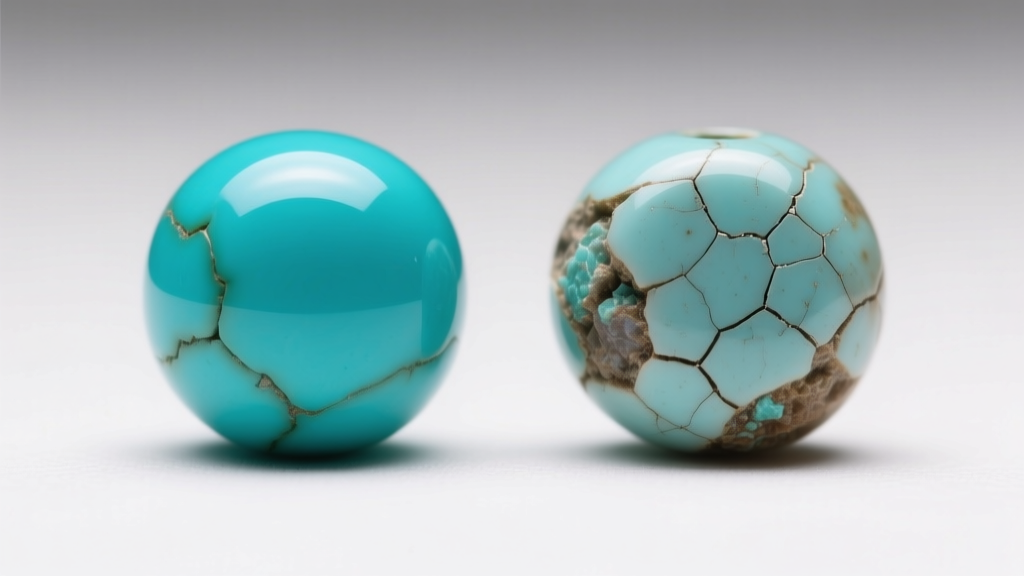
Understanding Stabilization vs. Natural Stones
To combat fading and structural fragility, over 90% of turquoise on the market is 'stabilized.' This is a legitimate, industry-accepted process where a clear epoxy or liquid plastic is forced into the stone's pores under pressure. Stabilization does not fake the color; it locks it in and increases the Mohs hardness to around 7, making it suitable for daily wear. If your necklace is turning green and feeling chalky, it is likely untreated 'chalk' turquoise that was never stabilized, or the stabilization has failed due to exposure to harsh chemicals.
| Treatment Type | Description | Vulnerability | Price Range (per carat) |
|---|---|---|---|
| Natural | Untreated, cut and polished only. | Highly porous; prone to color shifting and cracking. | $15 - $100+ |
| Stabilized | Epoxy/resin infused under pressure. | Resistant to oils; can be damaged by extreme heat. | $2 - $20 |
| Enhanced | Stabilized with added color dyes. | Dyes can bleed with prolonged acetone exposure. | $1 - $5 |
| Reconstituted | Turquoise dust mixed with binders. | Brittle; lacks natural matrix; low value. | Pennies |
Problem 3: Structural Failures, Cord Rot, and Clasp Breakage
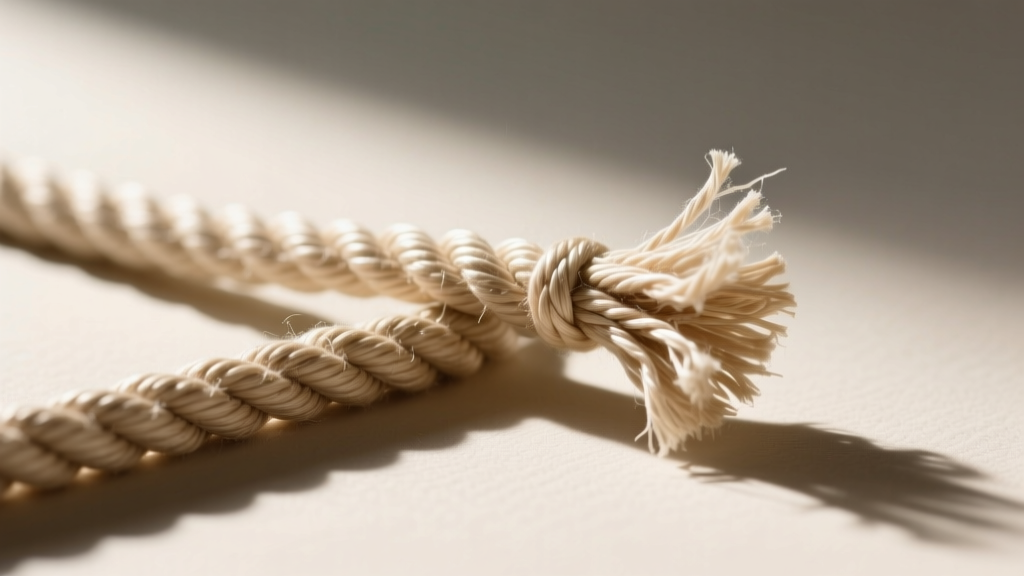
Men's body chemistry and lifestyle habits put immense stress on necklace cords. Apocrine sweat glands produce sweat that is slightly acidic (typically a pH between 4.5 and 6.0). When this acidic moisture is absorbed by traditional silk or cheap cotton cords, it accelerates fiber degradation, leading to 'cord rot.' If your turquoise bead necklace suddenly snaps, the cord likely rotted from the inside out.
Upgrading the Cord and Wire
To troubleshoot and prevent future breakage, abandon silk entirely for men's turquoise necklaces. Instead, restring your beads using 1.0mm waxed polyester cord or 49-strand nylon-coated stainless steel beading wire. Waxed polyester is impervious to sweat and water, while the 49-strand wire offers incredible tensile strength and flexibility. When restringing, ensure the drill holes of your turquoise beads are smooth; rough drill holes will act like tiny saws, eventually fraying even the strongest wire. A jeweler can use a diamond-coated bead reamer to smooth the interior of the drill holes.
Fixing Bead-on-Bead Abrasion
Another structural issue is bead abrasion. When turquoise beads rub against each other constantly, the friction wears down the edges, creating flat spots and damaging the polish. To solve this, incorporate micro-knotting between each bead (if using cord) or use 1.5mm clear silicone spacer beads. This not only protects the turquoise but also gives the necklace a fluid, high-end drape rather than a stiff, rigid look.
Problem 4: Clasp Corrosion and Skin Discoloration
Many men experience a green or black ring around their neck after wearing a turquoise necklace. This is rarely the turquoise itself; it is almost always the result of a cheap base-metal clasp reacting with sweat. Brass and copper clasps oxidize rapidly, leaving metallic salts on the skin.
The Hardware Upgrade
Replace any questionable clasps with 316L Surgical Stainless Steel or Grade 5 Titanium. Titanium is entirely hypoallergenic, incredibly lightweight, and will never corrode or tarnish, making it the ultimate hardware choice for men who wear their jewelry in the gym, the ocean, or the shower. If you prefer the look of silver, ensure it is stamped .925 Sterling Silver, and commit to polishing it weekly with a treated jeweler's cloth to remove sulfur-induced tarnish before it transfers to your skin or the porous turquoise.
Expert Maintenance and Cleaning Protocol
Proper maintenance is the key to longevity. Never use ultrasonic cleaners or steam cleaners on turquoise. The high-frequency vibrations can shatter the stone along its natural matrix lines (the host rock, often limonite or sandstone), and the heat can melt the stabilizing resins. According to the Gemological Institute of America (GIA), warm, soapy water is generally safe for stabilized turquoise, but untreated stones should only be wiped with a damp cloth.
The 5-Step Troubleshooting Checklist
- Post-Wear Wipe: Always wipe the beads with a dry, lint-free microfiber cloth after wearing to remove acidic sweat and skin oils.
- Chemical Avoidance: Apply colognes, hairsprays, and lotions at least 10 minutes before putting on the necklace. Alcohol and aerosols can strip the polish and degrade stabilizing resins.
- Storage Protocol: Store the necklace flat in a breathable cotton pouch. Do not store it in an airtight plastic bag, as trapped humidity can promote mold on organic cords or degrade certain matrix minerals.
- Annual Restringing: If worn daily, have the necklace professionally inspected and restrung every 12 to 18 months, regardless of whether the cord looks frayed.
- Impact Protection: Remove the necklace during weightlifting or manual labor. Turquoise has perfect to good cleavage in some directions and can easily chip if struck against a metal dumbbell or workbench.
By understanding the gemological properties of turquoise and proactively upgrading the structural components of your necklace, you can ensure your piece remains a durable, vibrant staple in your wardrobe for decades. Troubleshooting isn't just about fixing what's broken; it's about optimizing your jewelry to withstand the realities of daily wear.


