The True Cost of a 12 Inch Necklace: Budget & Value Guide
Discover the true value of a 12 inch necklace. We break down pricing tiers, material grades, and hidden costs to help you budget for the perfect choker.

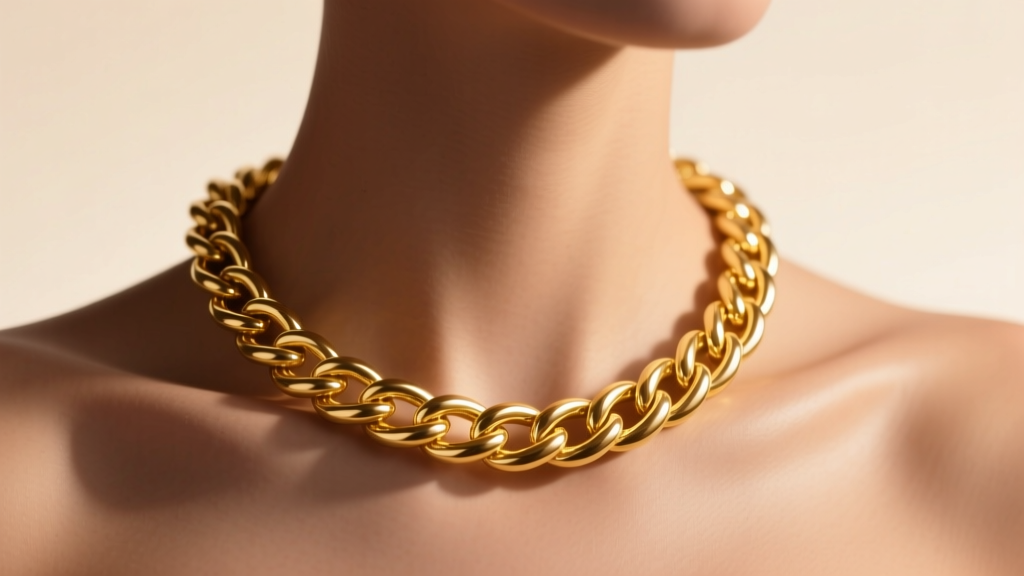
When evaluating jewelry investments, consumers often assume that less metal equates to a lower price tag. However, the 12 inch necklace—a length that sits snugly against the base of the throat as a collar or tight choker—defies this simplistic pricing logic. From a budget and value assessment perspective, a 12 inch necklace requires specialized engineering, higher-tension components, and precise sizing that can make it surprisingly complex to price. In this comprehensive guide, we break down the real-world economics, material depreciation, and hidden structural costs of buying a 12 inch chain in today's market.
The Economics of the 12 Inch Necklace: Why Shorter Doesn't Mean Cheaper
The baseline cost of any chain necklace is determined by its melt value and labor. At first glance, a 12 inch necklace uses 33% less metal than a standard 18 inch chain. However, jewelry manufacturing is not purely linear. The labor required to cast, polish, and solder a 12 inch chain is nearly identical to longer lengths. Furthermore, because a 12 inch necklace sits high on the neck, it is subjected to constant friction, hair-pulling, and lateral tension from head movement.
To prevent structural failure, reputable jewelers must use heavier jump rings, thicker wire gauges, and more robust clasps on a 12 inch necklace than they would on a loose 24 inch rope chain. Consequently, the cost-per-gram of manufacturing a short choker is often 15% to 20% higher than longer counterparts. When budgeting, you are paying for structural reinforcement, not just raw material weight.
Material Tiers and Real-World Pricing Matrix
To accurately assess value, we must look at the 2026 market pricing for a standard 1.2mm cable chain at exactly 12 inches. The table below outlines the expected retail ranges, material longevity, and true investment value for each tier.
| Material Grade | Avg. Weight (12") | Estimated Price Range | Lifespan & Value Retention |
|---|---|---|---|
| Sterling Silver (925) | 2.5 - 3.2 grams | $45 - $85 | 5-10 years; tarnishes, low resale value. |
| Gold Vermeil (2.5µm) | 2.5 - 3.2 grams | $70 - $130 | 2-4 years; plating wears off at the clasp. |
| 10k Solid Gold | 2.8 - 3.5 grams | $140 - $210 | Lifetime; excellent durability, low melt value. |
| 14k Solid Gold | 2.8 - 3.5 grams | $220 - $340 | Lifetime; best balance of wear and scrap value. |
As noted by the Gemological Institute of America (GIA), 14k gold remains the global standard for fine jewelry due to its optimal ratio of pure gold to strengthening alloys. For a 12 inch necklace, the price gap between high-end vermeil and entry-level 10k solid gold has narrowed significantly, making solid gold the superior long-term financial choice.
Hidden Costs and Failure Points in Short Chains
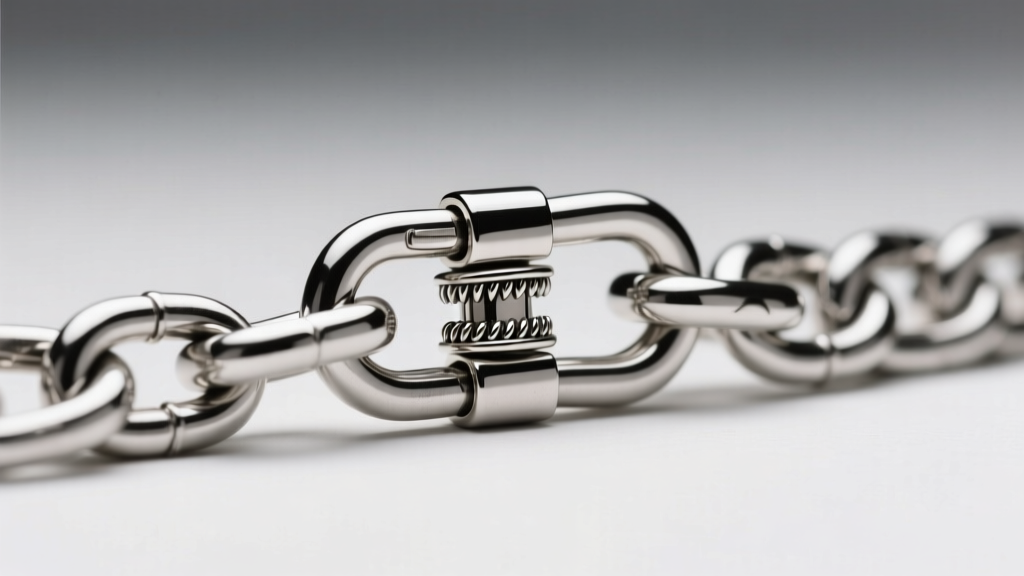
A critical aspect of value assessment is calculating the "cost of failure." A broken necklace requires repair fees that can easily exceed the original purchase price of a budget chain. The 12 inch length is uniquely vulnerable to specific mechanical failures:
- Gauge Thickness Vulnerability: Many budget brands sell 12 inch chains at 0.8mm thickness to save on gold costs. At this high-tension neck zone, a 0.8mm chain will stretch and snap within months. Always mandate a minimum 1.2mm gauge for a 12 inch necklace to ensure tensile strength.
- Clasp Tension Fatigue: Standard spring-ring clasps rely on a tiny internal coil spring. The constant pulling of a tight 12 inch choker causes these springs to fatigue and fail up to four times faster than on longer chains. Upgrading to a lobster claw or a magnetic neodymium clasp adds $15-$30 to the upfront cost but prevents the loss of the entire piece.
- Soldered vs. Unsoldered Links: Cheaper chains feature unsoldered links that can pull apart when snagged on a collar. Investing in laser-soldered links ensures the chain's structural integrity, a vital feature for snug-fitting collars.
Vermeil vs. Solid Gold: The Depreciation Factor
When assessing the budget for a 12 inch necklace, buyers frequently debate between gold vermeil and solid gold. According to the Federal Trade Commission (FTC) Jewelry Guides, true vermeil must consist of a sterling silver base plated with at least 2.5 microns of gold.
While vermeil offers a luxurious look at a fraction of the price, its depreciation curve is steep. The friction from a 12 inch necklace rubbing against the skin and clothing accelerates the wear of the gold plating, particularly around the clasp and the center-back links. Within 18 to 24 months, a vermeil choker will likely require re-plating (costing $40-$60) or will be relegated to the back of the jewelry box. Conversely, a solid 14k gold 12 inch necklace will never require re-plating, can be polished indefinitely, and retains intrinsic melt value. From a strict cost-per-wear perspective, solid gold becomes the more economical choice after year three of ownership.

Strategic Buying Framework: Maximizing Your Budget
To ensure you extract maximum value from your purchase, apply this decision framework when shopping for a 12 inch necklace:
- Demand Weight Transparency: Never buy a 12 inch gold chain without knowing its gram weight. Reputable dealers will list the exact weight. If a 14k chain is priced at $180 but weighs only 1.5 grams, it is likely hollow or heavily marked up.
- Avoid Hollow Chains: Hollow tube chains are lightweight and cheap, but they crush easily. Because a 12 inch choker is constantly subjected to pressure from neck movement and tight clothing, hollow chains will dent and permanently deform.
- Prioritize Diamond-Cut Finishes: If you are buying a budget-friendly sterling silver 12 inch necklace, opt for a diamond-cut or textured finish (like a rope or Bebe chain). These textures reflect light brilliantly, mimicking the look of higher-carat gold while masking minor surface scratches that inevitably occur on tight-fitting jewelry.
Expert Sizing Tip: Before purchasing a 12 inch necklace, use a flexible measuring tape to verify your neck circumference. A true 12 inch chain leaves virtually no room for swelling or thick winter turtlenecks. If your neck measures exactly 12 inches, size up to a 13 or 14 inch choker and utilize an extender chain for a safer, more comfortable fit.
Ultimately, the value of a 12 inch necklace is not found in the sheer volume of its metal, but in the precision of its craftsmanship. By prioritizing structural gauge thickness, secure clasps, and solid materials over deceptive hollow designs, you can secure a timeless, high-value piece that withstands the unique physical demands of the choker silhouette.


