Ultimate Care Guide for Your Twilight Bella Necklace
Learn expert cleaning and maintenance tips for your Twilight Bella necklace. Protect sterling silver and oxidized finishes from tarnish and damage.

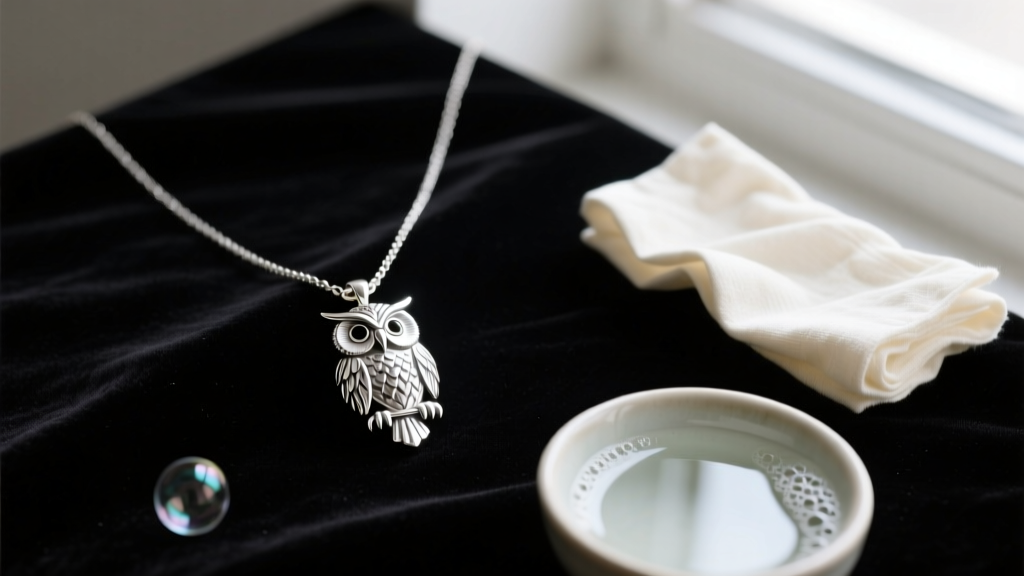
The Legacy and Material Reality of Cinematic Replicas
The iconic twilight bella necklace—most notably the intricate owl pendant or the official saga crest—remains a highly sought-after staple in cinematic jewelry collections. Whether you own a premium 925 sterling silver replica, a rhodium-plated brass version from a mall kiosk, or an artisan-casted piece with intentional antiquing, maintaining its original luster requires a nuanced approach. Many fans mistakenly treat these delicate pendants like standard stainless steel or pure platinum jewelry, leading to stripped finishes, ruined patinas, and degraded chains.
According to the Gemological Institute of America (GIA), silver alloys require specific environmental controls and chemical awareness to prevent irreversible damage. This comprehensive guide will walk you through the exact chemistry, cleaning protocols, and storage frameworks necessary to preserve your twilight bella necklace for decades.
Understanding Your Necklace's Metallurgy
Before applying any cleaning solution, you must identify the exact metallurgical composition of your pendant and chain. The twilight bella necklace typically falls into one of three categories:
- Solid 925 Sterling Silver: Composed of 92.5% pure silver and 7.5% copper. The copper provides structural integrity but is highly reactive to sulfur, causing the black tarnish (silver sulfide) that plagues unworn jewelry.
- Rhodium-Plated Base Metal: Often brass or zinc alloy coated in a microscopically thin layer of rhodium (a platinum group metal). These resist tarnish but are highly susceptible to abrasive scratching.
- Oxidized (Antiqued) Silver: Sterling silver that has been intentionally exposed to sulfur compounds to darken the recessed areas (like the feathers on the owl pendant), creating a high-contrast, vintage aesthetic.
The Dangers of Standard Silver Cleaners on Movie Replicas
The most common mistake collectors make is submerging their twilight bella necklace in commercial liquid silver dips. These dips rely on thiourea, a highly toxic and aggressive chemical compound that instantly strips tarnish. While this sounds ideal, thiourea completely dissolves intentional oxidation. If your owl pendant or crest features darkened grooves to highlight the intricate detailing, a liquid dip will strip the piece down to a flat, blindingly white, and unnatural finish.
Expert Warning: Never use ultrasonic cleaners on plated or oxidized replicas. The high-frequency cavitation bubbles can literally blast the rhodium plating off base metals and loosen any micro-prong settings if your pendant features accent stones.
Step-by-Step Cleaning Guide for Sterling Silver Pendants
For solid 925 sterling silver pieces with or without intentional antiquing, a gentle, manual cleaning process is the only safe method. This protocol removes daily sebum, cosmetics, and environmental sulfur without damaging the patina.
What You Need
- Phosphate-free, mild dish soap (e.g., original blue Dawn)
- Distilled water (tap water contains chlorine and minerals that cause water spots)
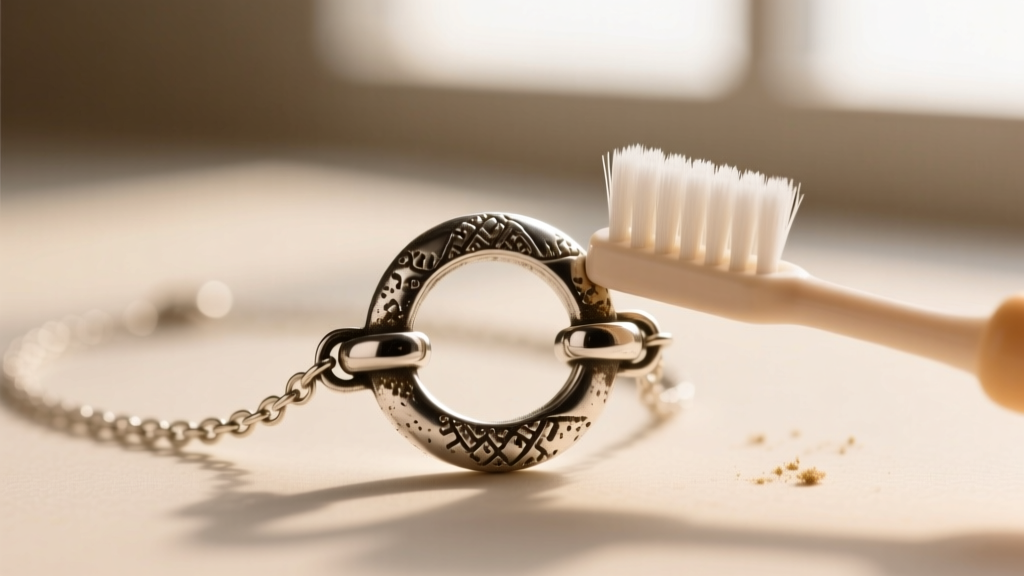
- A soft-bristled baby toothbrush (adult toothbrushes are too abrasive and will micro-scratch silver)
- 100% cotton flannel or a dedicated untreated silver polishing cloth
The Cleaning Process
- Prepare the Solution: Mix three drops of mild dish soap into a bowl of lukewarm distilled water. Avoid hot water, which can accelerate chemical reactions on certain alloys.
- Agitate Gently: Submerge the twilight bella necklace for no more than 60 seconds. Use the baby toothbrush to gently sweep the bristles into the crevices of the pendant. Brush in a single direction to avoid creating cross-hatch micro-scratches.
- The Distilled Rinse: Rinse the necklace thoroughly under a slow stream of distilled water to remove all soap residue.
- Dry and Buff: Pat the piece completely dry with a lint-free microfiber towel. Follow up by gently buffing the high-polish areas (avoiding the darkened recesses) with your cotton silver cloth.
For deeper insights into historical metal conservation, the Victoria and Albert Museum (V&A) recommends avoiding all abrasive pastes on detailed silverwork, as they accumulate in the grooves and dry into a chalky, white residue that is nearly impossible to remove.
Maintenance Comparison: Plated vs. Solid 925 Silver
Not all twilight bella necklaces are created equal. Use the table below to determine the appropriate maintenance schedule based on your specific replica's construction.
| Material Type | Primary Vulnerability | Recommended Cleaner | Polishing Frequency | Expected Lifespan |
|---|---|---|---|---|
| Solid 925 Sterling Silver | Sulfur tarnish (blackening) | Mild soap & untreated cloth | Once every 2-3 months | Lifetime (Generational) |
| Rhodium-Plated Brass | Plating wear & base metal bleed | Soap & water ONLY | Never (Wipe only) | 1-3 years before replating |
| Oxidized Sterling Silver | Loss of intentional patina | Dry microfiber cloth | As needed (Light dusting) | Lifetime (If patina preserved) |
Proper Storage Techniques to Prevent Tarnish and Tangling
How you store your twilight bella necklace when it is not draped around your neck is arguably more important than how you clean it. Silver tarnishes when exposed to hydrogen sulfide in the ambient air. Furthermore, the delicate cable or box chains used for these pendants are notorious for tangling and kinking, which weakens the structural integrity of the links.
The Pacific SilverCloth Method
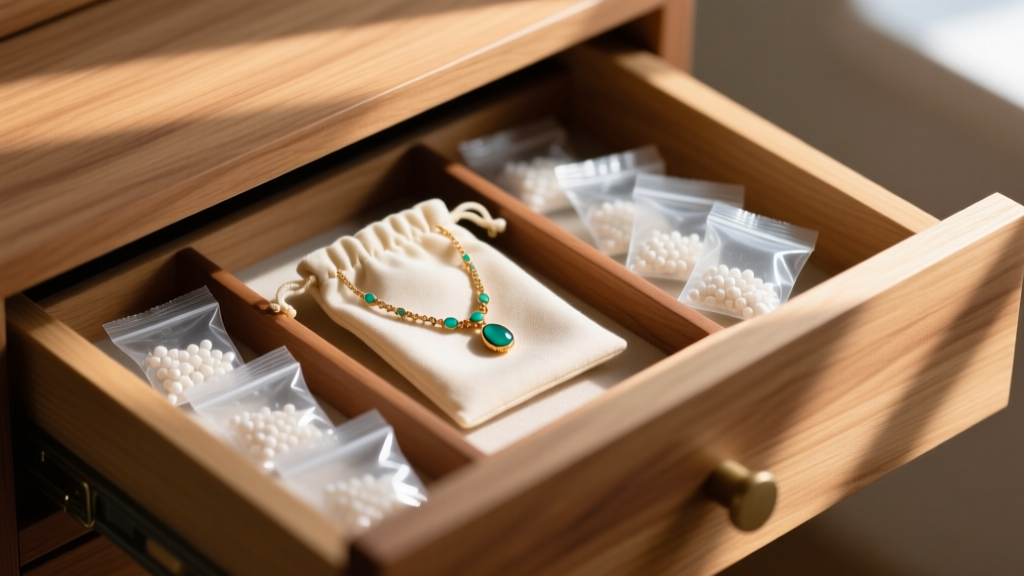
Invest in a Pacific SilverCloth pouch. Unlike standard anti-tarnish strips that merely absorb sulfur until they are saturated, Pacific SilverCloth is embedded with microscopic silver particles. These particles act as a sacrificial anode, capturing the sulfur in the air before it can reach your necklace. Store the pendant flat inside the pouch, and include a small, jewelry-safe silica gel packet to control ambient humidity.
Preventing Chain Kinks
Never toss the necklace into a communal jewelry box. To prevent the chain from knotting, thread one end of the chain through a clean, flexible plastic straw before clasping it. This keeps the chain rigid and entirely eliminates the possibility of micro-tangles that lead to link fatigue and snapping.
Troubleshooting Common Issues
The 'Green Neck' Phenomenon
If your twilight bella necklace leaves a green or black ring around your neck, it is not an allergy; it is a chemical reaction. The copper in the 925 alloy (or the brass base metal) is reacting with the acidic pH of your sweat and your skincare products. The Fix: Coat the back of the pendant and the inner links of the chain with a thin layer of clear, hypoallergenic nail polish or a specialized jewelry coating like Jewelerskin. Reapply every six months.
Stuck Lobster Clasps
The tiny lever on a lobster clasp can easily become clogged with lotion or skin cells, causing it to stick open or refuse to snap shut. Do not force it with pliers, as this will snap the internal spring. Instead, apply a microscopic drop of sewing machine oil or WD-44 Specialist Dry Lube to the hinge, work the lever back and forth gently, and wipe away all excess oil with a cotton swab.
Restoring Lost Oxidation
If a previous owner ruined the antiqued details on your owl pendant using a harsh chemical dip, you can restore the contrast at home using a liver of sulfur solution. By diluting a tiny chip of liver of sulfur in warm water and briefly dipping the pendant, you can re-blacken the silver. Immediately buff the raised, high-polish areas with a polishing cloth, leaving the dark sulfide layer only in the deep grooves. This advanced technique requires patience but will completely resurrect the cinematic accuracy of your twilight bella necklace.


