Twin Necklace Value Guide: Are Matching Pendants Worth the Price?
Discover if a twin necklace is worth your budget. We break down pricing tiers, metal grades, and manufacturing costs for matching pendant sets.

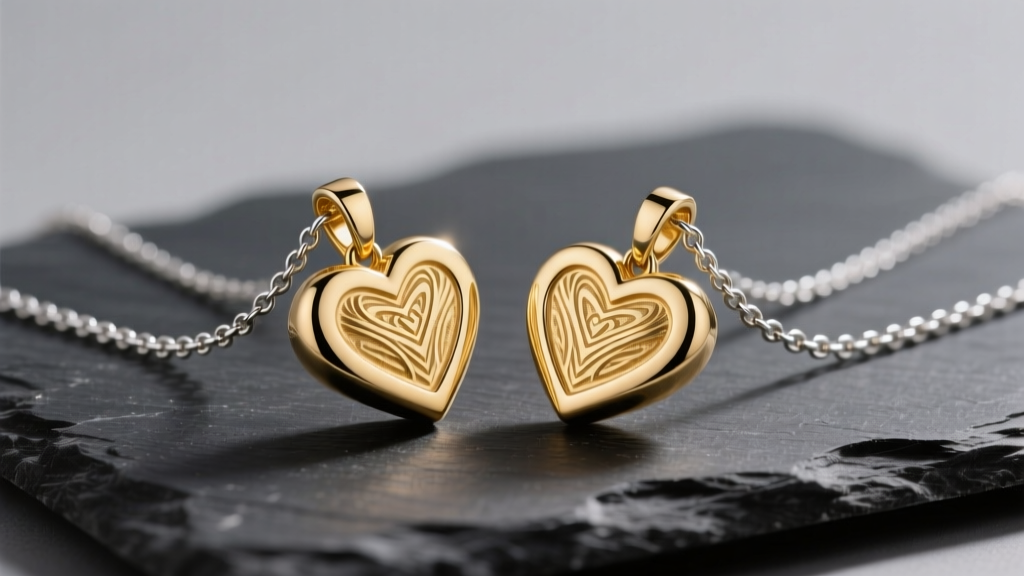
The Sentimental Tax: Why Twin Sets Cost More
The concept of a twin necklace—whether it features two identical pendants on a single chain or a matched set of two separate necklaces for couples, best friends, or mother and child—has dominated the direct-to-consumer (DTC) jewelry market. However, from a strict value-assessment perspective, buyers must navigate what industry insiders call the "sentimental tax." When jewelers market pieces as "matching sets" or "twin pendants," they often apply a 20% to 35% markup over the cost of buying two individual, non-marketed pendants. This markup covers the labor of calibrating gemstones to ensure identical color and clarity, matched packaging, and targeted digital marketing.
To determine if a twin necklace is genuinely worth your budget, you must strip away the emotional marketing and evaluate the piece based on its metallurgical composition, manufacturing method, and structural integrity. In 2026, with the rising costs of precious metals and lab-grown diamonds, understanding where your money actually goes is critical to avoiding overpriced fashion jewelry disguised as fine jewelry.
Metallurgy & Material Tiers: Where Your Money Goes
The foundation of any necklace's value lies in its base metal and surface treatments. When assessing a twin necklace set, categorize it into one of three distinct pricing and material tiers.
The $30–$80 Tier: Brass, Flash Plating, and Cubic Zirconia
At the entry-level, most twin necklaces are cast from brass or zinc alloys and coated with a "flash" layer of gold or rhodium plating. According to the Federal Trade Commission (FTC) Jewelry Guides, flash plating is typically less than 0.5 microns thick. While these sets look identical to fine jewelry on day one, the friction from daily wear and exposure to skin acidity will cause the plating to wear off within three to six months, revealing the base metal beneath. The gemstones in this tier are almost exclusively mass-produced Cubic Zirconia (CZ), which has a Mohs hardness of 8 to 8.5 but tends to cloud and scratch over time. Value Verdict: Poor long-term value. Buy only for occasional, short-term wear.
The $90–$250 Tier: Vermeil, Gold-Filled, and Lab Stones
This is the sweet spot for budget-conscious buyers seeking durability. Genuine gold vermeil requires a sterling silver (925) base coated with at least 2.5 microns of 10k, 14k, or 18k gold. Gold-filled pieces feature a much thicker layer of gold (at least 5% of the total weight) mechanically bonded to a brass core. Twin necklaces in this tier often feature high-quality lab-grown moissanite or lab-grown diamonds, which offer identical optical and physical properties to mined stones at a fraction of the cost. Value Verdict: Excellent value for daily wear, provided you verify the 925 stamp and vermeil thickness.
The $350–$1,200+ Tier: Solid 14k/18k and Natural/Lab Diamonds
Solid gold twin necklaces are heirloom-quality investments. A 14k gold piece contains 58.5% pure gold (stamped "14K" or "585"), offering the perfect balance of rich color and tensile strength for delicate chains. In this tier, you are paying for the intrinsic melt value of the gold, the precision of the laser welding, and the certified quality of the diamonds. If opting for lab-grown diamonds in solid gold, expect to pay 40% to 60% less than natural diamond equivalents, allowing you to upgrade to a higher carat weight or better clarity grade (VS1 or higher) for your twin pendants.
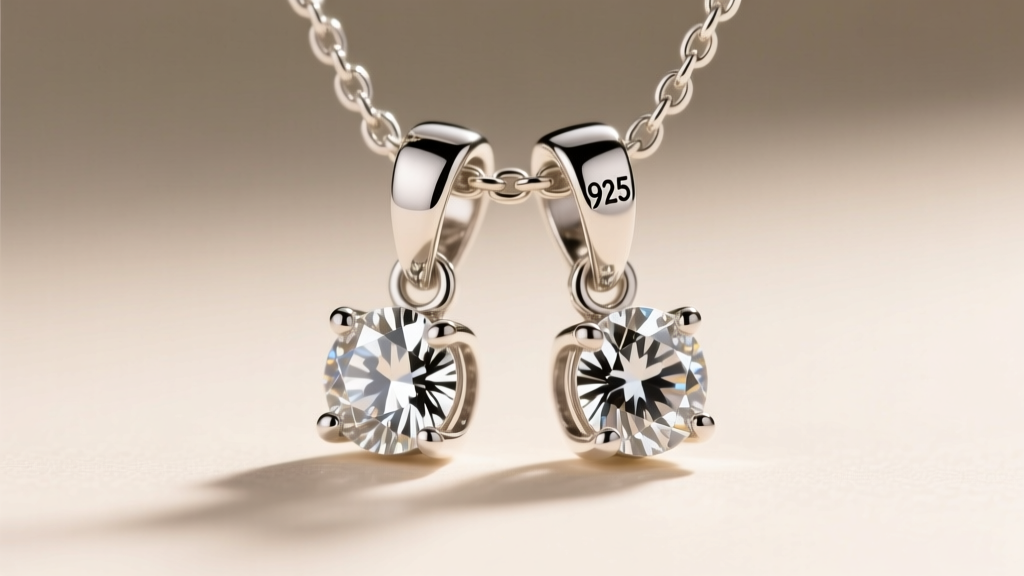
Chain Mechanics: The Hidden Cost of Twin Necklaces
A common trap in the twin necklace market is pairing a heavy, high-quality dual-pendant charm with a weak, hollow chain to keep the overall retail price down. When evaluating the budget, scrutinize the chain's width and clasp mechanism.
- Cable and Rolo Chains (1.2mm - 1.5mm): These are the most durable options for twin pendants. The interlocking round or oval links distribute weight evenly and resist snapping if caught.
- Box and Snake Chains (Under 1.2mm): Avoid these for heavier twin sets. Snake chains are notorious for kinking permanently, and delicate box chains lack the tensile strength to support dual pendants, leading to structural failure at the jump rings.
- Clasp Hardware: Always insist on a solid lobster clasp. Spring-ring clasps, frequently used on budget sets to save $4 to $8 in manufacturing costs, have a high failure rate due to their weak internal springs.
Manufacturing Methods: Cast vs. Die-Struck Pendants
How the twin pendants are formed drastically impacts both the price and the longevity of the jewelry. The Gemological Institute of America (GIA) and industry metallurgists note distinct differences in metal density based on the manufacturing process.
| Manufacturing Method | Process Description | Impact on Twin Necklaces | Price Impact |
|---|---|---|---|
| Die-Struck | Metal is stamped under immense pressure, compressing the grain structure. | Creates incredibly dense, durable pendants. Ideal for flat twin discs, bars, and simple geometric shapes. Highly resistant to bending. | Lower cost per unit in high volumes; excellent budget value. |
| Lost-Wax Casting | Molten metal is poured into a plaster mold created from a wax carving. | Allows for intricate, 3D twin charms (e.g., interlocking hands, detailed animals). However, cheap casting can result in porosity (tiny air bubbles), making the pendants brittle. | Higher labor and finishing costs; commands a premium price. |
| Electroforming | Metal is electrodeposited over a wax or resin core, which is later melted out. | Creates large, voluminous twin pendants that are incredibly lightweight. However, they are hollow and will dent irreparably if dropped or squeezed. | Deceptively high retail prices due to size, but very low intrinsic material value. |

Red Flags and Value Traps
When shopping for a twin necklace, be highly skeptical of the following marketing tactics that inflate prices without adding material value:
- "Magnetic" or "Friction" Clasps on Budget Sets: Often marketed as "innovative," these clasps frequently fail and are used to mask cheap chain manufacturing.
- Hollow "Puffy" Charms: If a 14k gold twin heart pendant seems unusually large for a $150 price tag, it is likely hollow or filled with resin. Solid gold of that size would weigh upwards of 4 grams and cost significantly more based on current spot prices.
- Vague Gemstone Disclosures: Terms like "simulated diamond," "diamond accent," or "crystal" are often used to obscure the use of cheap glass or low-grade CZ. Always look for explicit "lab-grown diamond" or "natural diamond" certifications from reputable labs like IGI or GIA.
The Verdict: How to Maximize Your Twin Necklace Budget
A twin necklace is absolutely worth the investment if you allocate your budget correctly. To maximize value, bypass the heavily marketed "matching set" bundles from fast-fashion jewelry brands. Instead, purchase two identical, high-quality individual pendants and pair them with a robust, solid 14k gold or sterling silver rolo chain. This approach eliminates the sentimental markup, ensures you are paying strictly for metal weight and gemstone quality, and guarantees that if one chain breaks, you do not lose the entire matched set. For a budget of $150 to $250, prioritize heavy gold vermeil or 14k gold-filled chains paired with lab-grown moissanite or sapphire pendants, ensuring your twin necklaces remain vibrant and structurally sound for decades.


