Twista Bead Necklace Materials: A 2026 Metal Guide
Compare 316L steel, titanium, and sterling silver for your twista bead necklace. Expert 2026 guide on alloys, skin safety, and torsion durability.

The Mechanics of the Twista: More Than Just Aesthetics
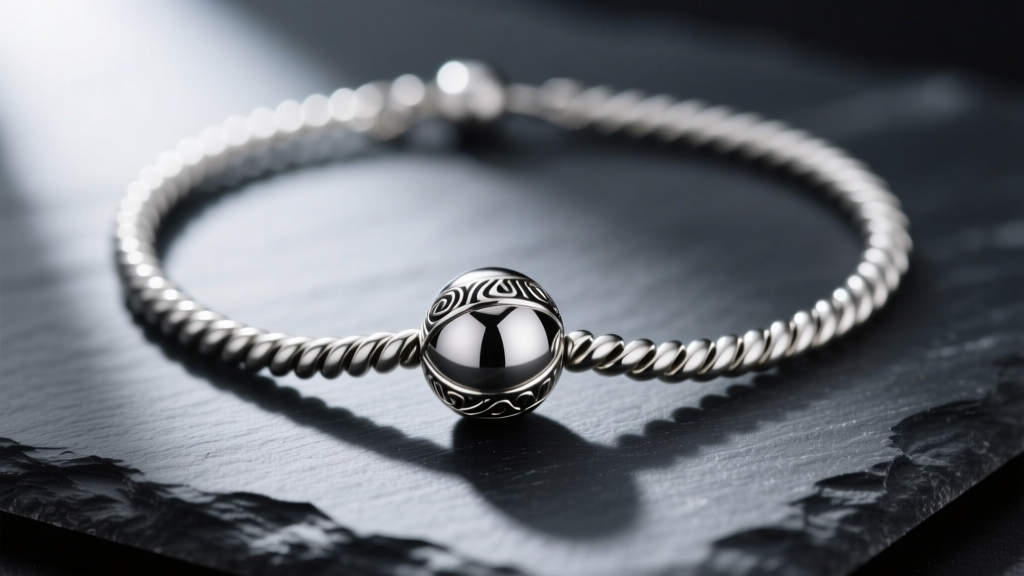
The twista bead necklace has surged in popularity through 2025 and into 2026, prized for its kinetic, industrial-chic aesthetic. Unlike standard cable or curb chains that simply drape, the twista design relies on a spiral or twisted wire that literally screws into or friction-locks around a central focal bead. While most style guides focus on the visual impact of the central gemstone or metal sphere, the true longevity of a twista bead necklace depends entirely on its metallurgical properties and mechanical tolerances.
Because the chain itself acts as a threaded or high-friction housing, the metal must withstand repetitive torsional stress. If the alloy is too soft, the spiral will warp, stripping the internal grip and causing the bead to slide off. If the metal is too brittle or prone to galvanic corrosion, the friction points will degrade, leading to a snapped chain. As jewelry metallurgy advances, understanding the specific alloy grades available for twista necklaces is critical for making an investment that survives daily wear.
Material Breakdown: Alloys, Grades, and Torsion Limits
Not all "silver" or "steel" jewelry is created equal. When shopping for a twista bead necklace, you must look past generic marketing terms and identify the exact alloy grade. Below is a comprehensive comparison of the most common metals used in premium twista designs, evaluating their structural integrity, biocompatibility, and market pricing in 2026.
| Material | Alloy Grade | Nickel-Free? | Patina & Tarnish Risk | Price Range (USD) |
|---|---|---|---|---|
| Surgical Steel | 316L | No (Trace 8-10%) | Very Low | $35 - $65 |
| Titanium | Grade 23 (6AL-4V ELI) | Yes (100%) | None | $85 - $140 |
| Sterling Silver | 925 (Copper Alloyed) | Yes | High (Oxidizes) | $90 - $180 |
| Niobium | Reactive Pure (99.9%) | Yes (100%) | None (Anodized) | $70 - $120 |
| Solid Gold | 14k (585) or 18k (750) | Varies by Alloy | Low | $450 - $950+ |
316L Surgical Steel: The Budget Workhorse
316L stainless steel is the most common material for entry-level twista bead necklaces. The "L" stands for low carbon, which increases corrosion resistance. It boasts a high tensile strength, meaning the spiral chain will not easily stretch under the weight of a heavy steel or glass bead. However, 316L contains up to 10.5% nickel. While the nickel is generally bound within the chromium-oxide passive layer, the constant friction of the twista mechanism can cause microscopic abrasions, releasing nickel salts that trigger contact dermatitis in sensitive individuals.
Grade 23 Titanium: The Biocompatible Standard
For those with metal sensitivities, Grade 23 Titanium (also known as 6AL-4V ELI, or Extra Low Interstitial) is the gold standard. According to the Mayo Clinic's guidelines on nickel allergies, avoiding nickel-releasing alloys is the only way to prevent allergic contact dermatitis. Grade 23 is entirely nickel-free and boasts an exceptional strength-to-weight ratio. A titanium twista chain will maintain its spiral tension indefinitely without warping, ensuring the central bead remains securely locked in place.
Sterling Silver: The High-Maintenance Classic
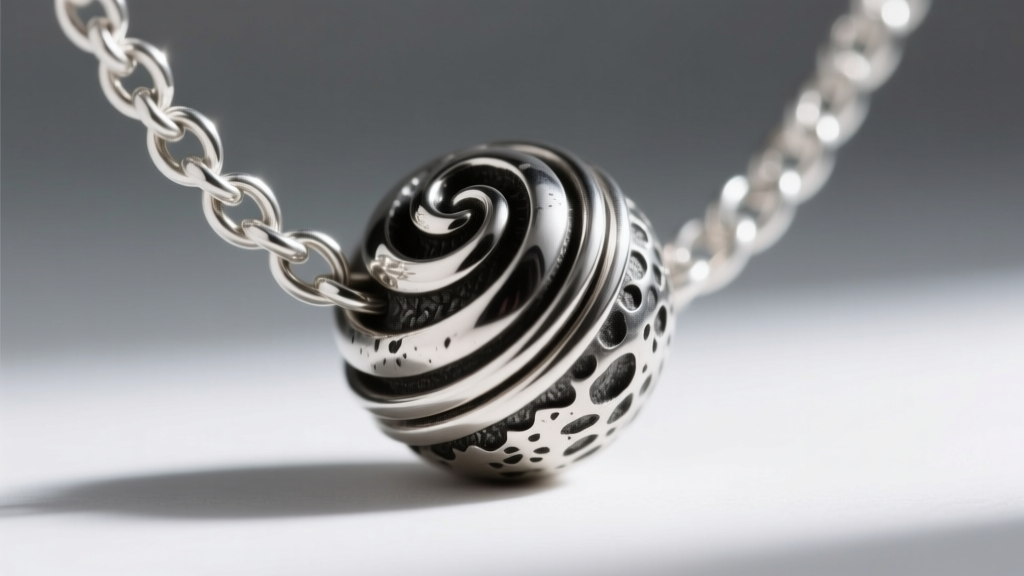
Sterling silver (92.5% silver, 7.5% copper) offers a brilliant luster but introduces mechanical challenges for the twista design. Pure silver is too soft for jewelry, so copper is added for hardness. Unfortunately, the friction required to screw a bead onto a spiral silver chain can slowly wear down the threads or twist the wire out of its spiral alignment over time. Furthermore, the copper content reacts with sulfur and moisture in the air (and human sweat), leading to tarnish. If tarnish builds up inside the spiral grooves, the bead will seize and become difficult to remove or adjust.
Sizing, Gauge, and the Physics of the Spiral
The structural success of a twista bead necklace relies heavily on wire gauge. The gauge dictates the thickness of the wire used to form the spiral chain. If the wire is too thin, the necklace will kink; if it is too thick, it will feel rigid and fail to drape naturally across the collarbone.
- 18-Gauge (1.0mm): Best for lightweight, minimalist twista necklaces featuring small (6mm-8mm) pearls or lightweight resin beads. Offers excellent drape but is prone to bending if snagged.
- 14-Gauge (1.6mm): The industry sweet spot for daily wear. Provides enough torsional rigidity to support mediumnaked or to a jeweler specializing in kinetic jewelry to have the spiral tension recalibrated using a mandrel.
2026 Care and Maintenance Protocols
Maintaining a twista bead necklace requires a departure from standard jewelry care. Because of the deep grooves in the spiral wire, ultrasonic cleaners are highly recommended for steel and titanium, as the cavitation bubbles can reach inside the threads to dislodge sebum and dead skin cells. However, never use ultrasonic cleaners on twista necklaces featuring porous beads (like turquoise, opal, or pearls), as the vibrations can fracture the stone.
For sterling silver twista chains, avoid liquid dip polishes. These harsh chemicals can strip the oxidized detailing often found on the focal14-gauge titanium twista bead necklace featuring a central polished lapis lazuli sphere, photographed from a high angle against a matte black background.">
Final Verdict: Choosing Your Metal
If your priority is absolute durability, zero maintenance, and hypoallergenic safety, Grade 23 Titanium is the undisputed champion for a twista bead necklace in 2026. It will not tarnish, it will not trigger allergies, and its spiral memory will outlast any other metal on the market. For those who prefer the traditional warmth and prestige of precious metals, 14k Solid Gold offers a luxurious compromise, provided you are willing to pay the premium for the alloy's weight and craftsmanship. Avoid 316L steel if you have a history of contact dermatitis, and reserve Sterling Silver for occasional wear where you can diligently manage its oxidation.


