Tyler The Creator Necklace Guide: Spotting Fakes & Fixing Tarnish
Learn how to authenticate a Tyler The Creator necklace, troubleshoot Golf le Fleur enamel damage, and restore tarnished streetwear chains.

The Secondary Market Boom and the Counterfeit Crisis
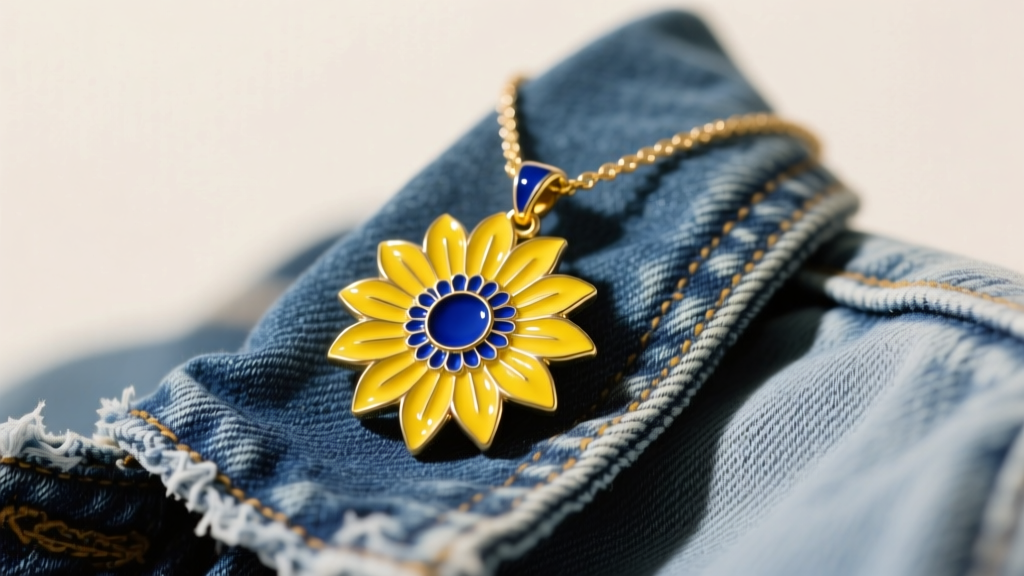
As we navigate the jewelry landscape in 2026, the cultural footprint of the Tyler The Creator necklace remains undeniable. From the early, raw DIY pieces of the Odd Future era to the highly refined, luxury-adjacent drops under the Golf le Fleur* banner, Tyler’s jewelry has transcended mere merchandise to become highly sought-after collector's items. However, this immense popularity has spawned a sophisticated counterfeit market. Whether you are holding a sunflower pendant, a French Waltz locket, or a heavy Cuban link chain, troubleshooting the authenticity and material degradation of these pieces is a critical skill for any streetwear jewelry collector.
This guide bypasses generic styling advice to focus strictly on problem-solving: authenticating your pieces, reversing severe tarnish without destroying delicate enamel, and upgrading weak hardware that plagues mass-produced streetwear drops.
Authentication Troubleshooting: Spotting Fake Golf le Fleur* Pendants
The most common issue collectors face is verifying authenticity. Counterfeiters have become adept at replicating the visual aesthetics of a Tyler The Creator necklace, but they consistently fail on metallurgical density and hallmarking precision. According to the Federal Trade Commission (FTC), precious metal markings must be strictly accurate, a rule that illicit manufacturers routinely ignore.
Weight and Material Density
Authentic Golf le Fleur* pendants are typically cast in 925 sterling silver or high-grade brass with thick silver or gold vermeil plating. Counterfeits almost exclusively use Zamak (a zinc-aluminum-magnesium-copper alloy). Zamak is significantly less dense than sterling silver. An authentic Tyler sunflower pendant should feel surprisingly heavy and cold to the touch. If your pendant feels suspiciously light or warms up instantly against your skin, it is likely a zinc-alloy fake.
Enamel Quality and Hallmarks
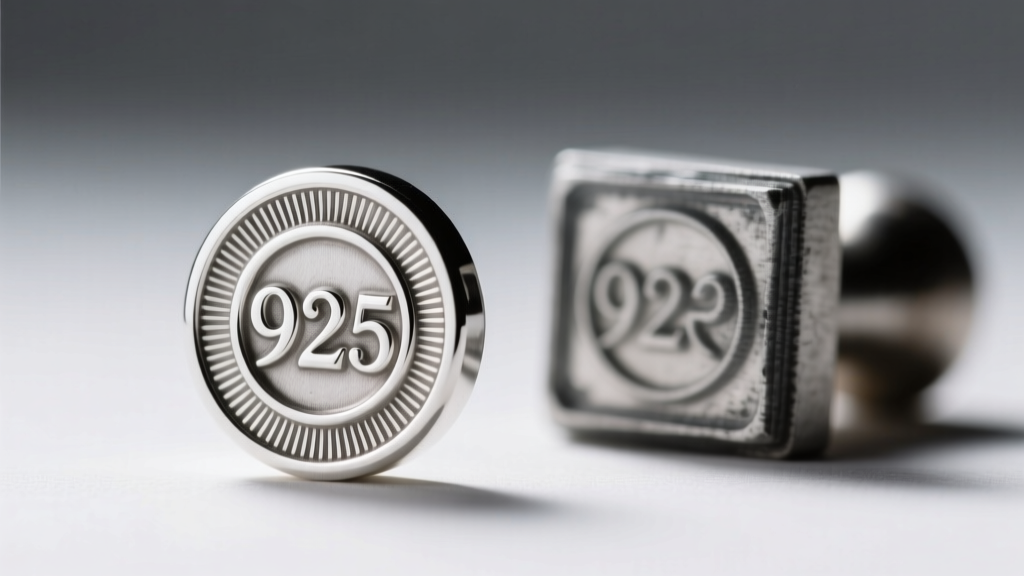
Streetwear jewelry relies heavily on enamel for its vibrant colorways. Authentic pieces use high-grade cold enamel (epoxy resin) or kiln-fired vitreous enamel, which sits perfectly flush with the metal bezels. Fakes use cheap UV-cured acrylics that often bleed over the metal lines, trap microscopic air bubbles, and chip within weeks. Furthermore, inspect the chain's lobster clasp. Authentic hallmarks are deeply stamped with a crisp, sans-serif '925' or 'GLF'. Fakes often feature shallow, laser-etched, or blurry stamps.
| Feature | Authentic (Golf le Fleur*) | Counterfeit / Bootleg |
|---|---|---|
| Base Metal | 925 Sterling Silver or Solid Brass | Zamak (Zinc Alloy) or Pot Metal |
| Enamel Finish | Flush, bubble-free, hard-cured | Domed, uneven, prone to peeling |
| Chain Clasp | Custom branded or high-grade 925 | Generic, lightweight brass/alloy |
| Weight (Avg Pendant) | 15g - 35g (Substantial heft) | 5g - 12g (Noticeably hollow) |
Troubleshooting Tarnish and Brass Bleed-Through
Even 100% authentic streetwear jewelry requires rigorous maintenance. Sterling silver is an alloy composed of 92.5% pure silver and 7.5% copper. It is this copper content that reacts with sulfur and moisture in the air, causing the black tarnish that plagues neglected chains. The Gemological Institute of America (GIA) notes that improper cleaning can cause irreversible damage to mixed-material jewelry.
The Galvanic Bath Method (For Silver Chains Only)
If your sterling silver Cuban chain is heavily oxidized, avoid commercial liquid dips like Tarn-X. These contain thiourea, which strips the metal's natural patina and can permanently cloud any rhodium plating. Instead, use a galvanic reduction bath:
- Line a glass bowl with aluminum foil (shiny side up).
- Boil water and pour it into the bowl.
- Add 2 tablespoons of baking soda and 1 tablespoon of sea salt.
- Submerge the silver chain only for 3 to 5 minutes. The electrochemical reaction transfers sulfur from the silver to the aluminum.
- Rinse with distilled water and buff with a microfiber cloth.
Warning: Never submerge enameled Tyler The Creator pendants in this bath. The alkaline solution can degrade the epoxy resins used in Golf le Fleur* colorways, causing the enamel to cloud or detach from the metal bezel.
Dealing with Skin Discoloration (The Green Neck Effect)
If your authentic brass-based pendant is turning your skin green, this is not a sign of a fake; it is a natural oxidation reaction between copper alloys and your skin's acidity. To troubleshoot this without ruining the piece, apply a micro-thin layer of clear, non-yellowing polyurethane or specialized jewelry barrier coating to the back of the pendant. For a permanent, professional fix, take the piece to a local jeweler and request a 'flash rhodium plating' on the backside, which creates a hypoallergenic, non-reactive barrier.
Fixing Broken Hardware: Clasps and Jump Rings
A recurring structural failure in heavy streetwear pendants is the separation of the bail from the chain. Many Tyler The Creator necklace drops feature heavy, solid metal pendants (often exceeding 30 grams) suspended on chains with inadequate hardware. The dynamic load of a heavy pendant swinging against your chest creates immense friction and tensile stress on the connecting jump ring.
Upgrading the Weak Link
Stock jump rings on mass-produced drops are frequently 5mm in diameter and made from 20-gauge wire. This is insufficient for a 30g+ pendant. Over time, the ring will warp into an oval shape and eventually snap open, leading to lost pendants.
Pro-Troubleshooting Fix: Visit a bench jeweler and have the stock jump ring replaced with a 6mm, 16-gauge soldered jump ring. A soldered ring has no seam, making it physically impossible for the pendant to slip through, effectively bulletproofing your chain against dynamic stress.
Similarly, if the stock lobster clasp feels stiff or fails to snap back with authority, the internal spring mechanism has likely corroded. Upgrading to a 12mm 925 sterling silver trigger clasp (available via suppliers like Rio Grande Jewelry Supply) ensures the clasp can handle the weight of the chain without the internal pin bending.
Maintenance Framework: Preserving Your Investment
Preventing damage is always more cost-effective than restoration. To keep your Tyler The Creator necklace in archival condition, implement the following storage protocol:
- Isolate from UV Light: UV exposure degrades cold enamel over time, causing white and pastel colorways to yellow. Store pieces in a dark, opaque drawer.
- Control Humidity: Drop two 3-gram silica gel packets into your jewelry box to keep ambient humidity below 40%, drastically slowing copper oxidation.
- Use Anti-Tarnish Strips: Place 3M anti-tarnish tabs in your storage container. These absorb atmospheric sulfur compounds before they can react with your sterling silver chains.
- Avoid Chemical Contact: Always put your necklace on after applying cologne, sunscreen, or hairspray. The alcohols and aerosols in these products will strip gold vermeil plating and cloud enamel finishes.
Conclusion
Owning a piece of music and fashion history requires more than just wearing it; it demands an understanding of the materials and mechanics involved. By knowing how to spot the metallurgical flaws of counterfeits, utilizing safe galvanic cleaning methods for tarnished silver, and proactively upgrading weak jump rings, you ensure that your Tyler The Creator necklace remains a pristine, wearable asset for years to come. Treat your streetwear jewelry with the same technical respect you would afford high-end luxury pieces, and it will reward you with lasting durability.


