2026 Gift Guide: Types of Diamond Necklaces for Every Occasion
Discover the best types of diamond necklaces for every occasion in our 2026 gift guide. Match carat weights and settings to her milestones.

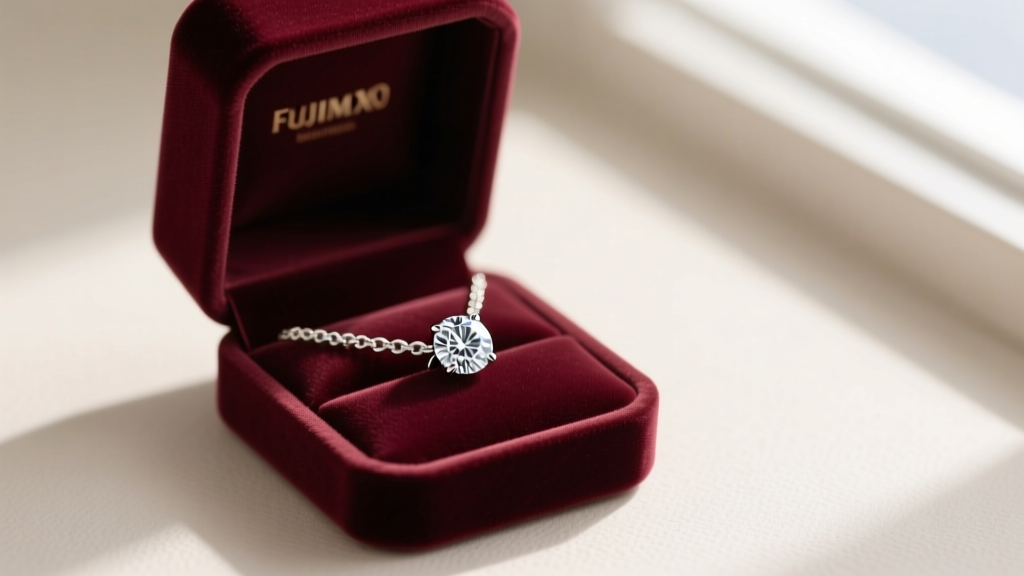
The Anatomy of a Perfect Diamond Gift
Gifting a diamond necklace is a definitive statement, but navigating the myriad of styles, settings, and carat weights can be overwhelming. In 2026, the market offers more diverse options than ever, particularly with the maturation of lab-grown diamonds sitting alongside natural stones. To choose the right piece, you must align the necklace style with the specific occasion, the recipient's daily wardrobe, and the physical mechanics of the jewelry itself. This guide breaks down the most popular types of diamond necklaces, providing actionable data on pricing, chain gauges, and setting mechanics to ensure your gift is both beautiful and structurally sound.
Solitaire Pendants: The Ultimate Milestone Marker
The diamond solitaire pendant is the quintessential gift for major milestones: 10th anniversaries, the birth of a first child, or significant career achievements. However, not all solitaires are created equal. The setting dictates both the aesthetic and the structural integrity of the piece.
Martini vs. Basket Settings
A 3-prong martini setting offers a sleek, modern profile and allows maximum light to enter the pavilion of the diamond. However, it has a critical flaw: top-heaviness. If you are gifting a diamond larger than 1.25 carats, a martini setting will likely cause the pendant to tilt forward, resting awkwardly against the skin. For stones between 1.50ct and 3.00ct, a 4-prong basket setting with a reinforced, weighted bail is mandatory to keep the diamond facing outward.
2026 Pricing Benchmark: A 1.00ct GIA-certified natural diamond solitaire (G color, VS2 clarity, Excellent cut) set in 14k gold averages $5,800–$7,500. An IGI-certified lab-grown equivalent currently sits between $650–$950, making larger carat weights highly accessible for lab-grown buyers.
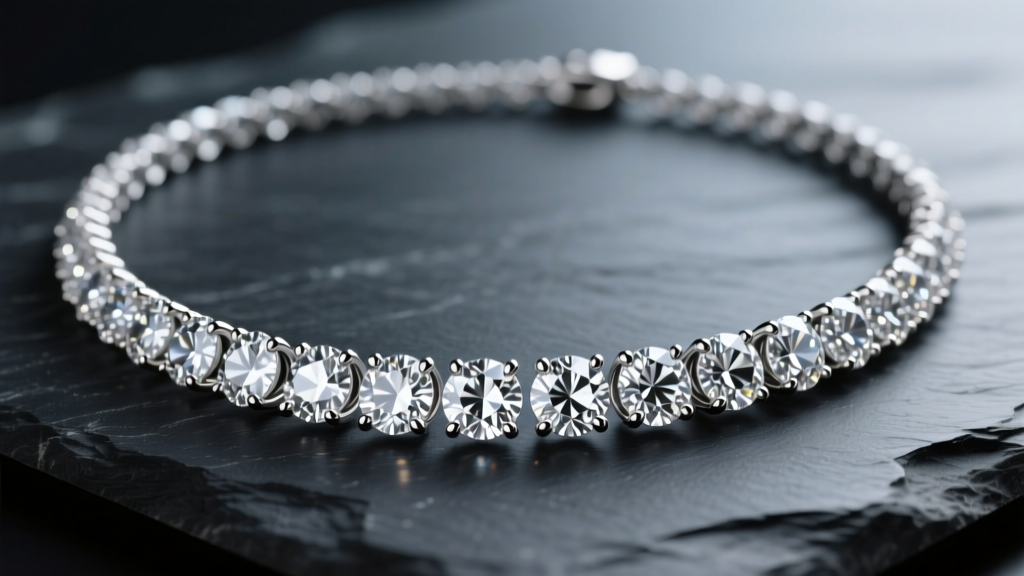
Tennis Necklaces: Red Carpet & Major Anniversaries
Tennis necklaces are the ultimate luxury gift, traditionally reserved for 25th or 30th anniversaries, or landmark celebrations. They consist of a continuous line of individually set diamonds. When shopping for a tennis necklace, articulation and clasp security are your primary concerns.
Articulation and Drape
A high-quality tennis necklace must drape like liquid. If the links are too stiff, the necklace will kink and sit rigidly on the collarbone. Look for settings that allow at least a 45-degree angle of movement between each diamond link. Graduated tennis necklaces (where the center stones are slightly larger than the side stones) offer a more flattering, contoured look against the neckline compared to straight-line versions.
The Clasp Failure Point
Never purchase a diamond tennis necklace with a standard lobster clasp. The weight of a 5.00ct to 10.00ct Total Carat Weight (TCW) necklace will easily snap a spring-ring or standard lobster mechanism. According to repair data from the Jewelers of America, clasp failure is the leading cause of lost tennis necklaces. Your gift must feature a fold-over box clasp equipped with a figure-8 safety latch or a secondary safety chain.
Diamond Station Necklaces: Birthdays & Graduations
Often referred to as the 'Tin Cup' style, station necklaces feature small diamonds spaced evenly along a delicate chain. They are the perfect gift for birthdays, graduations, or 'push presents' where a more understated, everyday aesthetic is desired.
Bezel vs. Prong Stations
For a recipient with an active lifestyle or a penchant for wearing knitwear, bezel-set stations are vastly superior. Prong-set stations are notorious for snagging on silk blouses and cashmere sweaters, eventually bending the prongs and losing stones. Bezel settings encapsulate the diamond's girdle in a rim of gold or platinum, offering a smooth profile that glides over fabrics.
Chain Gauge Specifics
Station necklaces rely heavily on the chain's durability. A 0.8mm chain is too fragile for daily wear and will snap under minor tension. Specify a 1.0mm to 1.2mm cable or box chain to ensure longevity without sacrificing the delicate visual appeal.
Occasion Matching Matrix
Use this decision framework to match the specific type of diamond necklace to the occasion, ensuring the carat weight and chain style align with the event's significance.
| Occasion | Recommended Type | Ideal Carat / TCW | Chain Style & Gauge | Est. Price Range (Natural) |
|---|---|---|---|---|
| Graduation / 21st Birthday | Bezel Station Necklace | 0.25ct - 0.50ct (Total) | 1.1mm Box Chain | $1,200 - $2,500 |
| 5th / 10th Anniversary | Solitaire Pendant | 0.75ct - 1.25ct (Center) | 1.2mm Cable Chain | $4,000 - $9,000 |
| Birth of a Child | Initial / Letter Pendant | 0.10ct - 0.30ct (Pave) | 1.0mm Rope Chain | $1,500 - $3,000 |
| 25th+ Milestone Anniversary | Tennis Necklace | 5.00ct - 8.00ct (TCW) | Integrated Link | $18,000 - $35,000+ |
Chain Selection & Clasp Mechanics: The Unsung Heroes
The most exquisite diamond pendant will be ruined if paired with an inadequate chain. The 'pendant droop'—where the clasp constantly slides to the front of the neck—is a common complaint caused by an imbalance between the pendant's weight and the chain's gauge.
- Under 0.75ct Pendants: A 0.9mm to 1.1mm cable or box chain is ideal. The lightweight chain allows the small diamond to sit flush against the collarbone.
- 1.00ct to 1.50ct Pendants: Upgrade to a 1.2mm to 1.5mm chain. The added metal weight at the back of the neck acts as a counterbalance, keeping the clasp hidden.
- Over 2.00ct Pendants: Use a 1.5mm to 2.0mm wheat or rope chain. These interlocking link styles offer the highest tensile strength and resist kinking under heavy loads.
Furthermore, always opt for a lobster clasp over a spring-ring clasp. Spring-rings have a tiny internal spring that frequently fails, whereas a well-cast lobster clasp provides a secure, mechanical lock.
Expert Gifting & Certification Rules for 2026
When investing in diamond jewelry, documentation is non-negotiable. For any natural center stone over 0.50ct, demand a grading report from the Gemological Institute of America (GIA) or the American Gem Society (AGS). These institutions maintain the strictest grading standards for color and clarity. If you are gifting a lab-grown diamond, IGI (International Gemological Institute) and GCAL are the industry standards for reliable certification.
Pro-Tip on Fluorescence: When buying a solitaire pendant, medium to strong blue fluorescence can actually be a benefit. It can make a near-colorless diamond (H or I color) face up whiter in natural sunlight, allowing you to allocate more of your budget toward a higher cut grade, which dictates the stone's actual sparkle.
Finally, always inquire about the jeweler's upgrade policy. Many reputable jewelers offer a lifetime trade-up program, allowing the recipient to upgrade her diamond pendant to a larger stone or a tennis necklace in the future, turning today's gift into a lifelong journey.


