Vergina Sun Necklace Value Guide: Pricing, Metals & Worth
Discover the true value of a Vergina sun necklace. Our 2026 pricing guide breaks down metal grades, craftsmanship, and how to avoid cheap replicas.

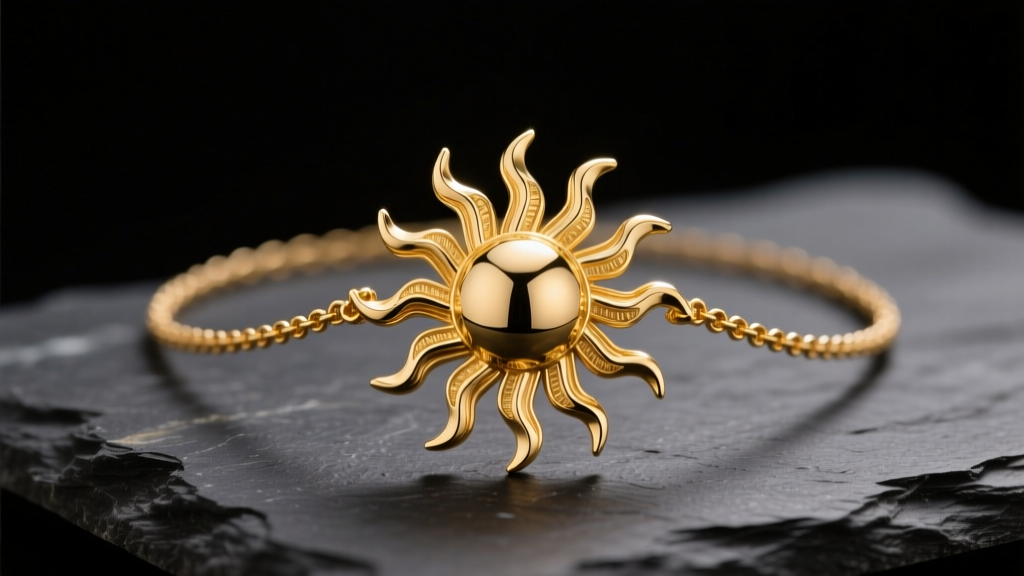
The Historical Allure Meets Modern Metallurgy
The Vergina Sun, also known as the Star of Vergina or the Macedonian Star, is one of the most recognizable symbols of ancient Hellenic history. Originally discovered on the royal larnax of Philip II of Macedon in the royal tombs at Aigai, this rayed solar symbol has transcended its archaeological roots to become a highly sought-after motif in modern jewelry. For collectors, history enthusiasts, and those honoring their Greek heritage, a Vergina sun necklace is more than an accessory; it is a wearable piece of antiquity. However, the modern jewelry market is flooded with everything from $15 tourist-trap trinkets to $2,000 artisan-crafted heirlooms.
As we navigate the 2026 jewelry market, understanding the true value of these pendants requires looking past the aesthetic and diving deep into metallurgy, casting techniques, and structural integrity. Whether you are eyeing a classic 16-ray design or a simplified 8-ray variant, this comprehensive value assessment will help you determine exactly what you should be paying for.
Material Grades & Price Tiers: What Are You Actually Paying For?
The single largest determinant of a Vergina sun necklace's value is its base metal. Because the symbol features sharp, radiating points, the metal must possess adequate tensile strength to prevent the rays from bending or snapping during daily wear. Below is a breakdown of the materials dominating the current market.
| Material Grade | Typical 2026 Price Range | Longevity & Durability | Value Verdict |
|---|---|---|---|
| Zamak / Zinc Alloy (Gold-Plated) | $15 - $35 | Poor. Plating flakes; brittle rays snap easily. | Avoid. High failure rate. |
| Solid Brass / Bronze | $40 - $85 | Moderate. Will oxidize and cause skin discoloration. | Fair for historical reenactment. |
| 925 Sterling Silver (Bare) | $65 - $140 | High. Prone to tarnish but easily polished and repaired. | Excellent everyday value. |
| 925 Sterling Silver (Rhodium-Plated) | $90 - $180 | Very High. Resists tarnish; plating may wear after 3-5 years. | Best for low-maintenance wearers. |
| 14k Solid Gold (Yellow or White) | $450 - $950 | Exceptional. Ideal balance of purity and tensile strength. | Premium investment piece. |
| 18k Solid Gold | $1,100 - $2,500+ | High, but softer. Thin rays may bend under pressure. | Luxury collector grade. |
When evaluating precious metals, it is crucial to understand the historical context of Hellenistic goldsmithing. Ancient Greek artisans were masters of granulation and repoussé, techniques that modern casters often try to mimic. According to the Metropolitan Museum of Art's archives on Hellenistic gold, ancient jewelers favored high-purity gold, but modern wearability demands the structural resilience of 14k alloys for intricate, spiky designs like the Vergina Sun.
Identifying Authentic Craftsmanship vs. Mass-Produced Replicas
The market is currently saturated with die-struck or cheaply cast replicas originating from mass-production hubs. To ensure you are investing in a piece with genuine value, you must inspect the manufacturing method.
The Lost-Wax Casting Advantage
High-end Vergina sun pendants are typically produced using the lost-wax casting method. This allows for deep undercuts, crisp beveling on the sun rays, and a substantial three-dimensional profile. Mass-produced alternatives often use rubber mold die-casting, which results in rounded, blurred edges and a flat, lifeless backplate.
Casting Porosity and Ray Integrity
A common failure mode in mid-tier silver Vergina necklaces is casting porosity—tiny air bubbles trapped in the metal during the cooling process. This is especially prevalent at the very tips of the 16 rays. If you examine the pendant under a jeweler's loupe and notice pitting or a spongy texture near the points, the structural integrity is compromised. A high-value piece will have smooth, polished ray tips with zero surface pitting.
The Bail: Soldered vs. Glued
The bail (the loop that connects the pendant to the chain) is a critical stress point. Cheap manufacturers use industrial adhesives to attach the bail to the flat backplate of the sun. Over time, body heat and sweat degrade the glue, leading to the loss of the pendant. A valuable, artisan-crafted Vergina sun necklace will feature a soldered bail, where the metal is fused directly to the pendant body using a high-temperature torch, ensuring a permanent bond.
Chain Quality: The Hidden Cost Center
A heavy, intricate pendant requires a chain capable of supporting its weight without succumbing to friction wear. A standard 24mm solid silver Vergina sun pendant weighs between 5 and 8 grams.
- Avoid: Standard 0.8mm cable chains or spring-ring clasps. The thin links will elongate, and the bail will eventually saw through the chain.
- Recommend: A 1.5mm to 2.0mm rope chain or a 2.0mm box chain. The multi-faceted links of a rope chain distribute weight evenly and resist friction wear from the pendant bail.
- Clasp Hardware: Insist on a lobster clasp with a welded jump ring. Spring rings are notorious for failing under the pendulum-like motion of a heavy pendant.
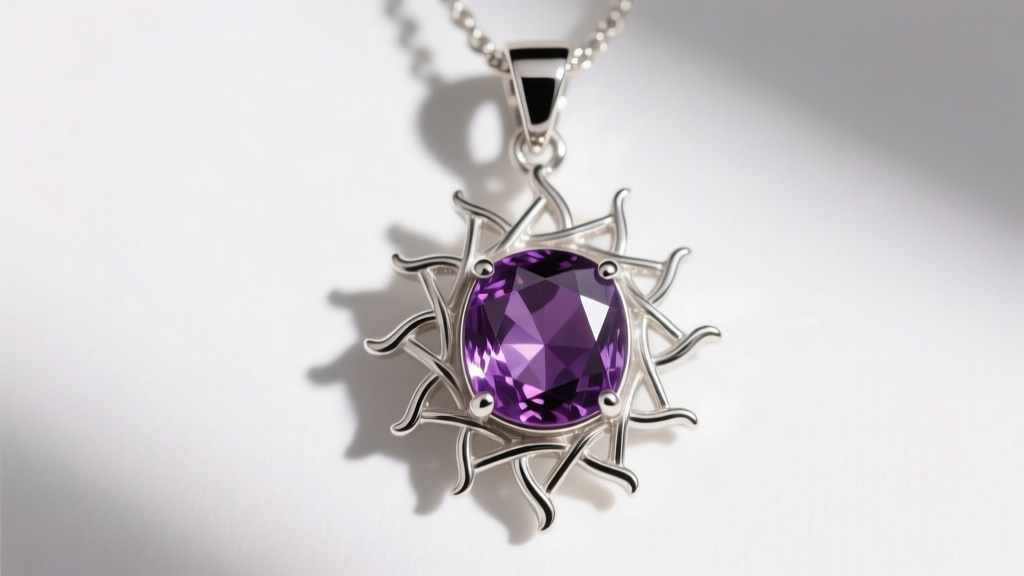
For those exploring gemstone inlays, the Gemological Institute of America (GIA) notes that natural amethyst and garnet are historically appropriate and physically durable choices for center-set pendants. However, ensure the stones are bezel-set or secured with heavy prongs; glued-in cabochons are a hallmark of low-value tourist jewelry.
The Ray Count Conundrum: 16 vs. 12 vs. 8
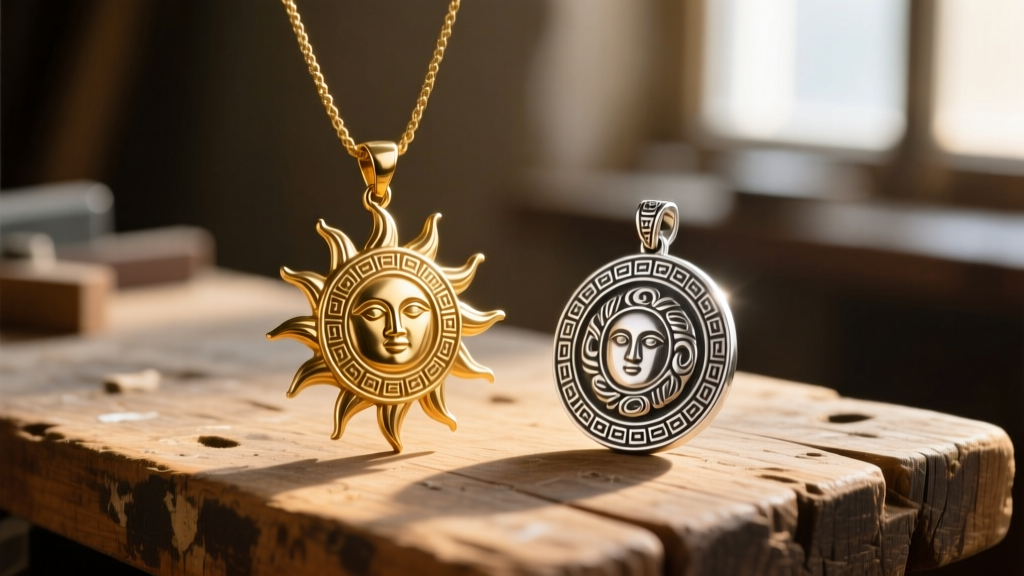
Historically, the 16-ray sun is the most accurate representation of the royal Macedonian symbol found in the Aigai tombs. However, from a jewelry-making perspective, the 16-ray design is significantly more difficult to cast and finish than the 12-ray or 8-ray variations.
The tight angles between the 16 rays require meticulous polishing; if done by machine tumbling rather than by hand, the inner corners become muddy and lose their sharp definition. Therefore, a 16-ray Vergina sun necklace commands a 20% to 30% premium over an 8-ray design of the exact same weight and metal, purely due to the increased labor and higher rejection rate during the quality control phase.
Final Verdict: Is a Vergina Sun Necklace a Good Investment?
From a purely financial standpoint, jewelry is rarely a liquid investment unless it features high-carat gemstones or is a signed piece from a heritage maison. However, from a value and longevity perspective, a well-crafted Vergina sun necklace in 925 sterling silver or 14k gold offers exceptional cost-per-wear and enduring aesthetic appeal.
Expert Sourcing Tip: When purchasing from Greek artisans or specialized Hellenic jewelers, always ask for the exact gram weight of the pendant. Value in precious metal jewelry is intrinsically tied to weight. If a seller cannot provide the gram weight of a solid silver or gold Vergina pendant, assume it is a hollow-cast or base-metal replica and adjust your budget expectations accordingly.
Ultimately, the true value of a Vergina sun necklace lies in the intersection of historical reverence and metallurgical excellence. By prioritizing soldered hardware, appropriate chain gauges, and verified metal hallmarks, you can secure a piece that honors ancient Macedonian heritage while standing the test of modern daily wear.


