Beginner's Guide to Buying a Vintage Erwin Pearl Necklace
Discover how to identify, price, and style a vintage Erwin Pearl necklace. Our beginner's guide covers authentication, materials, and care tips.

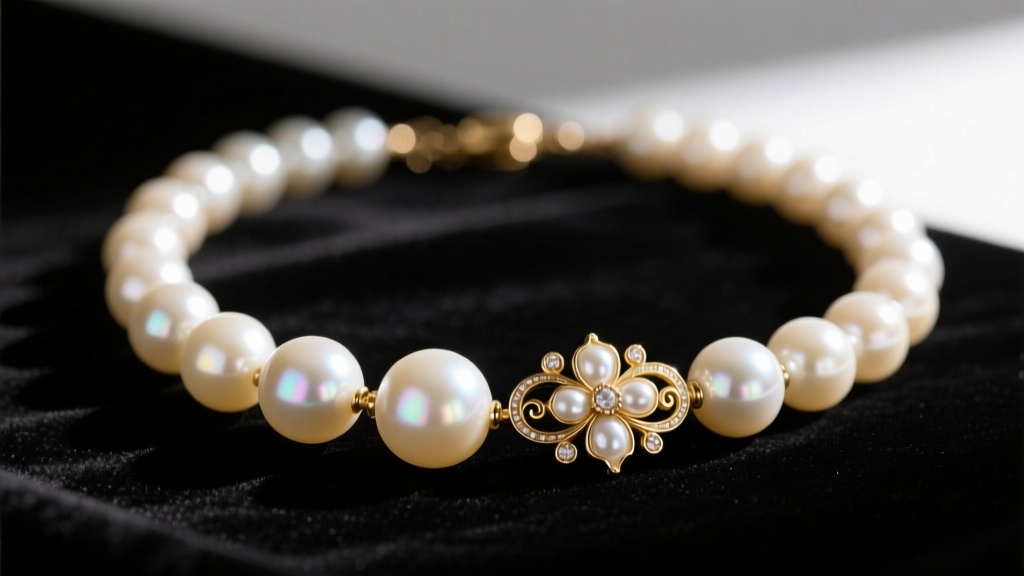
When you begin exploring the world of vintage costume jewelry, few names command as much immediate respect and recognition as Erwin Pearl. For beginners, navigating the secondary market for vintage necklaces can feel overwhelming, filled with mislabeled items and confusing terminology. However, learning how to identify, evaluate, and style an authentic Erwin Pearl necklace is a highly rewarding endeavor. Known for his impeccable craftsmanship, innovative use of faux pearls, and striking enamel work, Pearl created pieces that bridged the gap between high-end fine jewelry and accessible fashion accessories. This comprehensive beginner’s guide will walk you through the history, authentication markers, market pricing, and modern styling techniques for these highly sought-after mid-century and late-century treasures.
The Legacy and Materials Behind the Brand
Erwin Pearl (1931–2012) was a titan of the American costume jewelry industry. Starting his career in the 1950s, he eventually launched his eponymous brand, which became a staple in high-end department stores like Neiman Marcus and Saks Fifth Avenue throughout the 1970s, 1980s, and 1990s. Unlike many costume jewelers of the era who relied on cheap plastics, Pearl insisted on premium materials. His signature faux pearls were not simple plastic beads; they were meticulously crafted from high-grade glass or resin cores, dipped multiple times in a proprietary pearlescent coating. Historically, this coating often utilized guanine (derived from fish scales) or advanced synthetic mica to replicate the deep, luminous nacre of real saltwater pearls.
Furthermore, the hardware of an Erwin Pearl necklace is a masterclass in durability. The brand frequently utilized solid brass as a base metal, finished with thick gold electroplating—often stamped as 14K or 18K HGE (Heavy Gold Electroplate). This substantial base gives the necklaces a satisfying, luxurious weight that is immediately noticeable when you hold one, distinguishing it from the feather-light, hollow-feeling costume jewelry produced by lesser manufacturers.
How to Authenticate Vintage Erwin Pearl Pieces
Authentication is the most critical skill for any beginner. Because of the brand's prestige, misattributed pieces are common on platforms like Ruby Lane and eBay. Here is what you need to look for:
- The Hallmark Stamp: Authentic pieces are almost always signed. Look for a clear stamp reading "Erwin Pearl", "Erwin Pearl NY", or a stylized "EP" enclosed in an oval cartouche. This mark is typically located on the back of the clasp, on a hangtag attached to the clasp, or stamped directly onto the metal of a pendant.
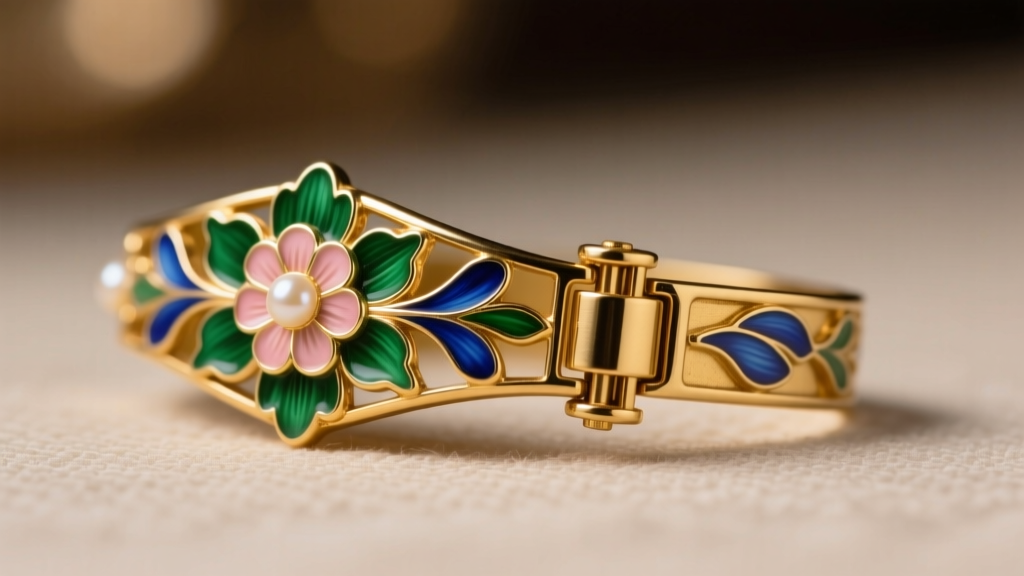
- Clasp Construction: Erwin Pearl utilized high-quality, custom-designed clasps. You will frequently see heavy barrel clasps with intricate floral enamel detailing, secure box clasps equipped with figure-eight safety latches, or robust lobster clasps. If the clasp feels flimsy, stamped with generic base metal marks, or lacks a safety catch on heavier multi-strand pieces, proceed with caution.
- Weight and Drape: As mentioned, the use of solid brass and glass pearls gives these necklaces a substantial heft. A genuine multi-strand pearl bib necklace will drape heavily and elegantly, whereas a plastic imitation will sit stiffly and feel unusually light.
Common Flaws and Condition Issues to Avoid
Even the finest vintage jewelry suffers from the passage of time. When evaluating an Erwin Pearl necklace, you must know which flaws are dealbreakers and which are acceptable signs of age. The most common failure mode for vintage faux pearls is "peeling" or "flaking" of the pearlescent coating. This usually occurs if the necklace was frequently exposed to sweat, perfume, or harsh chemicals. While a missing rhinestone can be replaced by a jeweler, peeling pearls cannot be repaired; the entire bead must be replaced, which destroys the originality of the piece. Additionally, inspect the gold plating on the clasps and links. Minor rubbing on the high points of the metal is normal patina, but deep green corrosion (verdigris) indicates that the base brass has been exposed to prolonged moisture and is actively degrading.
2026 Market Pricing and Value Guide
The market for vintage costume jewelry has seen a significant resurgence, with collectors actively seeking out pristine examples of 1980s power-dressing accessories. According to market data aggregated from high-end vintage platforms like 1stDibs, pricing varies wildly based on complexity, rarity, and condition. Below is a general pricing framework for the current market.
| Necklace Style | Defining Characteristics | Average Price Range (2026) | Rarity Level |
|---|---|---|---|
| Single Strand Faux Pearl | Classic 18-inch strand, gold-tone clasp | $45 – $85 | Common |
| Enamel & Pearl Choker | Wide gold-tone bands with painted enamel | $120 – $180 | Moderate |
| Multi-Strand Bib Necklace | 3+ strands, heavy brass, floral motifs | $200 – $350 | High |
| Pearl & Gemstone Lariat | Y-drop style, faux turquoise or lapis | $150 – $275 | Moderate |
Styling Vintage Erwin Pearl for Modern Wardrobes
The biggest mistake beginners make with vintage pearl jewelry is treating it as a fragile museum piece meant only for formal events. Erwin Pearl designed his jewelry for the modern, dynamic woman of his era, and that translates beautifully to contemporary styling. The key to wearing a vintage Erwin Pearl necklace today is contrast.
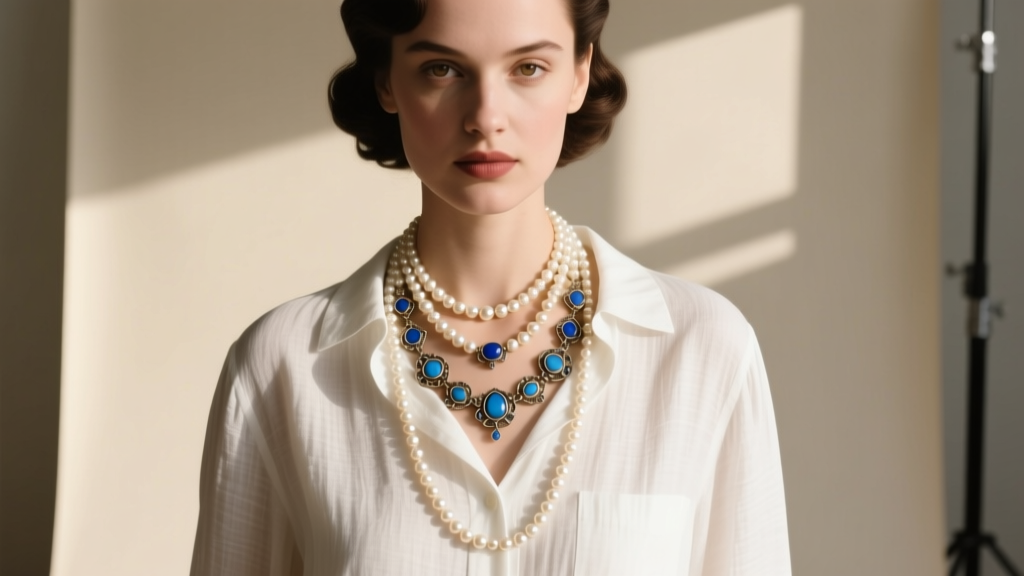
The High-Low Mix
Take a heavy, multi-strand Erwin Pearl bib necklace and pair it with a relaxed, oversized vintage denim jacket or a crisp, unbuttoned white linen shirt. The juxtaposition of the formal, luminous pearls against casual, structured fabrics creates an effortlessly chic, editorial look. Avoid wearing these pieces with highly patterned or ruffled blouses, as the intricate enamel work and pearl clusters will get lost in the visual noise.
Strategic Layering
While layering is a massive trend, you must be careful not to damage your vintage pieces. If you choose to layer a shorter Erwin Pearl choker with longer chains, ensure the accompanying chains are made of smooth, polished metals (like a simple sterling silver cable chain). Avoid layering pearls with rough, unpolished, or heavily textured metal chains, as the friction will scratch and wear away the delicate pearlescent coating over time.
Essential Care and Maintenance Protocols
Preserving the coating on vintage faux pearls requires a different approach than caring for organic saltwater pearls. Because the coating is essentially a specialized paint or lacquer over a glass or resin core, it is highly sensitive to solvents.
- Never Use Ultrasonic Cleaners: The high-frequency vibrations and chemical baths used in ultrasonic cleaners will strip the pearlescent coating off the beads in a matter of minutes.
- Avoid Liquid Cleaners: Do not submerge the necklace in water or use commercial jewelry dips. Even mild soap can degrade the binders in the vintage coating.
- The Microfiber Method: After every wear, gently wipe the pearls and metal hardware with a clean, dry, lint-free microfiber cloth. This removes acidic skin oils and environmental pollutants before they can etch into the finish.
- Proper Storage: Store your Erwin Pearl necklaces flat in a lined jewelry box or a soft cotton pouch. Never hang heavy multi-strand necklaces on a hook, as the gravitational pull will stretch the vintage silk or nylon threading, leading to catastrophic breakage.
By understanding the rich history, recognizing the hallmarks of quality, and applying proper care techniques, you can confidently build a stunning collection of vintage Erwin Pearl necklaces that will elevate your personal style for decades to come.


