Gifting A Vintage Grosse Necklace: 2026 Collector Guide
Discover how to select and gift a vintage Grosse necklace. Explore era-specific styles, authentication marks, and 2026 market pricing for collectors.

The Enduring Appeal of Heinrich Grossé
When it comes to gifting vintage jewelry, few names command the respect and immediate recognition of Heinrich Grossé. Founded in Pforzheim, Germany—the historic 'Golden City' of European jewelry manufacturing—the Grossé atelier set the gold standard for mid-century costume jewelry. Unlike contemporaries who relied on thin flash-plating, Grossé pieces were crafted with a heavy gold wash, often utilizing 22-karat or 24-karat gold electroplating that was several microns thick. This meticulous craftsmanship means that a vintage Grossé necklace purchased in the 1960s often retains its brilliant luster today, making it an exceptional, investment-grade gift for the discerning collector in 2026.
Gifting a piece of Grossé is not merely about presenting a beautiful accessory; it is about gifting a tangible piece of mid-century European artistry. Whether you are shopping for a maximalist who adores the glamorous bib necklaces of the 1960s or a minimalist who prefers the structured, geometric links of the 1970s, understanding the nuances of Grossé's design eras is critical to selecting the perfect piece.
Decoding the Decades: Matching the Era to the Recipient
Grossé's design language evolved significantly from the post-war 1950s through the bold 1970s. To choose the right gift, you must align the era's aesthetic with the recipient's personal style.
1950s: The Elegant Classicist
If the recipient favors timeless elegance, tailored silhouettes, and understated luxury, a 1950s Grossé choker or collar is the ideal choice. During this decade, Grossé heavily featured faux pearls and intricate, woven gold-tone wirework. The gold wash from this era tends to have a warmer, richer yellow hue. These necklaces typically sit at a 15-to-16-inch collar length, designed to sit perfectly against the collarbone, complementing the sweetheart and boat necklines popular in the 1950s. Look for pieces featuring 'mabe' style faux pearls, which Grossé coated in a specialized pearlescent enamel that resists the yellowing common in lesser vintage brands.
1960s: The Glamorous Maximalist
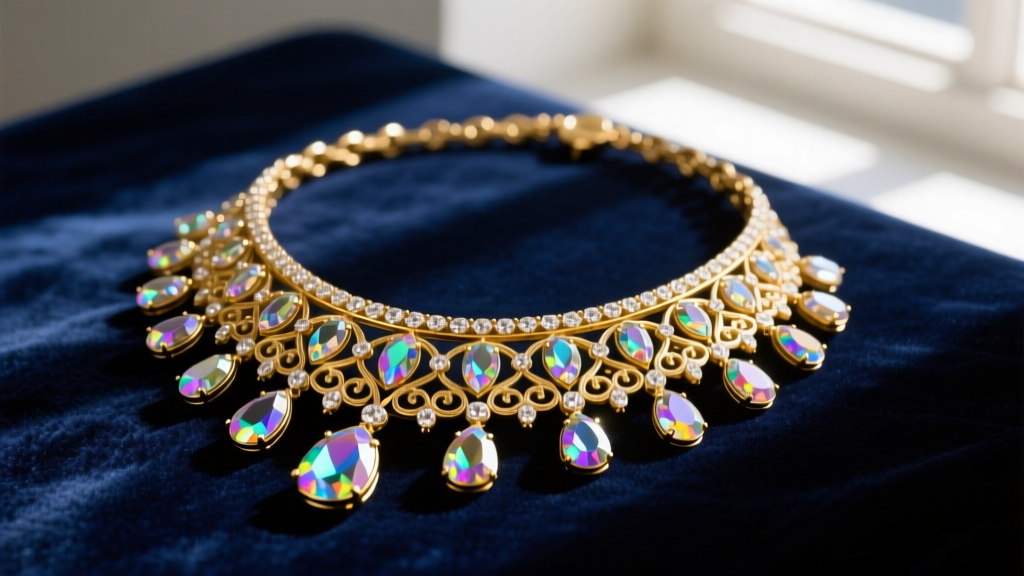
For the bold, fashion-forward recipient who views jewelry as wearable art, the 1960s Grossé bib necklaces are the holy grail. This era saw the brand experimenting with massive, cascading silhouettes. Grossé was an early adopter of Swarovski's Aurora Borealis (AB) crystal finish, introduced in 1955. A 1960s bib necklace featuring AB rhinestones set in elaborate, open-back filigree metalwork is a show-stopping gift. These pieces are notably heavy—often weighing between 80 and 120 grams—due to the dense base metal and thick layering of the gold wash. They are designed to be the focal point of an outfit, best paired with a simple black turtleneck or a sleek evening gown.
1970s: The Bohemian Modernist
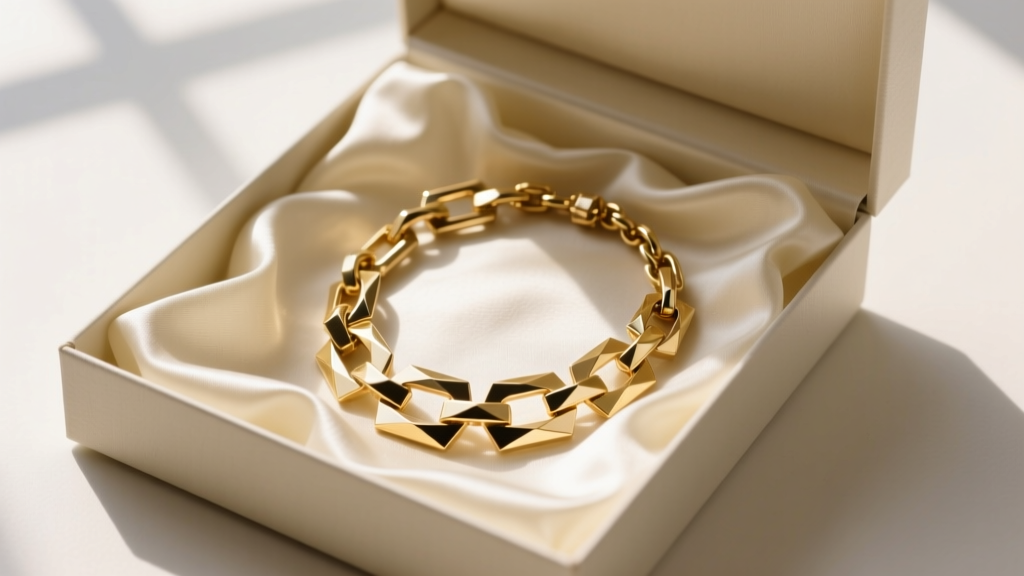
The 1970s marked a shift toward brutalist and geometric influences. If your gift recipient leans toward a modern, bohemian, or architectural aesthetic, seek out Grossé's 1970s link necklaces. These pieces often feature matte or brushed gold finishes, interlocking geometric pendants, and textured metalwork that mimics natural elements like tree bark or hammered stone. The chains from this era are thicker, often utilizing heavy curb or rope chains that drape fluidly and catch the light with a subdued, sophisticated gleam.
Authentication & Hallmarks: What to Look For
When investing in a vintage Grossé necklace as a gift, authentication is paramount. The secondary market is flooded with misattributed pieces, so knowing how to read the hallmarks is a non-negotiable skill for the buyer.
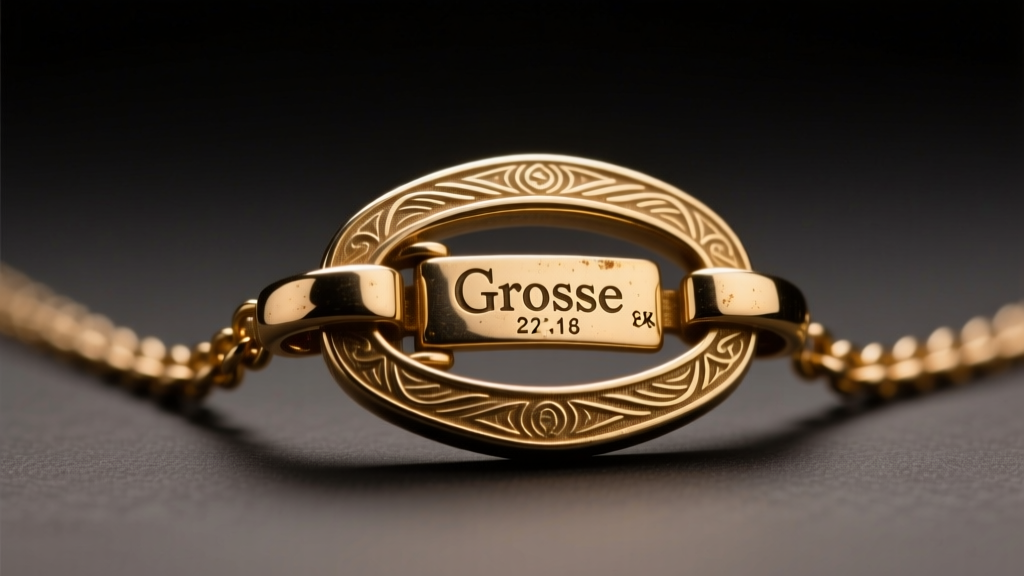
- The Stamp: Authentic pieces are almost always stamped 'GROSSE' in uppercase, serif lettering. This is frequently accompanied by 'GERMANY' or 'W. GERMANY' (West Germany), depending on the exact year of manufacture.
- The Date Code: Uniquely, Grossé often stamped the exact year of production on the clasp or hangtag (e.g., '1968'). This is a massive boon for collectors and adds significant provenance value to the gift.
- The Clasp: 1950s and 1960s pieces typically feature a sturdy fold-over clasp or a specialized box clasp with a figure-eight safety catch. If you see a modern, lightweight lobster claw clasp on a purportedly 1960s piece, it has likely been replaced, which diminishes the collector value.
- Weight and Plating: Grossé pieces are exceptionally heavy. The gold wash should appear thick and seamless, particularly around the edges of the links where wear usually occurs first.
2026 Market Pricing & Value Guide
Understanding the current market value ensures you are paying a fair price and helps you set the gifting context. According to market data from leading vintage platforms like 1stDibs and Ruby Lane, prices for authentic Grossé necklaces have steadily appreciated as mid-century European costume jewelry continues to surge in popularity among Gen Z and Millennial collectors.
| Era | Style Profile | Average 2026 Market Price | Collector Rarity |
|---|---|---|---|
| 1950s | Faux Pearl & Wirework Choker | $180 - $350 | Moderate |
| 1960s | Rhinestone & Filigree Bib | $650 - $1,800+ | High (Rare) |
| 1970s | Geometric & Brutalist Links | $250 - $550 | Moderate |
| Special | Runway/Editorial Prototypes | $2,500 - $4,000+ | Archival (Ultra-Rare) |
Condition, Sizing, and Gifting Logistics
Condition is the primary driver of value in vintage Grossé jewelry. When inspecting a potential gift, look closely at the high-friction areas near the clasp and the back of the pendant drops. While minor surface scratching on the gold wash is expected and adds to the vintage patina, any flaking, peeling, or exposure of the dark base metal underneath (often a copper-brass alloy) is a red flag. Furthermore, inspect the prongs holding the rhinestones; Grossé used meticulous hand-set prong work, and missing or bent prongs will require professional restoration.
Because vintage necklaces were often designed to sit higher on the neck than modern trends dictate, sizing is a crucial consideration. A 1960s collar might measure only 15 inches. If the recipient prefers a longer drop, you can gift the necklace alongside a high-quality, vintage-appropriate gold-tone extension chain, or have a jeweler professionally integrate a period-correct clasp extension to preserve the integrity of the piece.
The Unboxing Experience: Wrapping a Piece of History
Presentation is everything when gifting high-end vintage jewelry. Avoid modern, overly glossy packaging that clashes with the historical weight of the piece. Instead, source a vintage-style velvet or suede-lined jewelry box in deep jewel tones like emerald, sapphire, or burgundy.
Pro-Tip for Gifting Vintage: Never include treated silver-polishing cloths or harsh chemical dips in your gift basket. Grossé's thick gold wash requires only a soft, untreated microfiber cloth for cleaning. Include a small, archival-safe anti-tarnish strip in the box to protect the piece when it is not being worn.
Finally, elevate the unboxing by including a typed 'Provenance Card.' Detail the era the piece was created, the significance of the Pforzheim manufacturing mark, and any specific date stamps found on the clasp. By providing this historical context, you transform a beautiful object into a deeply meaningful, educational, and luxurious gift that any serious jewelry collector will treasure for decades to come.