Buying a Vintage Miriam Haskell Pearl Necklace: Expert Guide
Discover what to look for when buying a vintage Miriam Haskell pearl necklace. Learn to authenticate Russian gold, baroque pearls, and wirework.

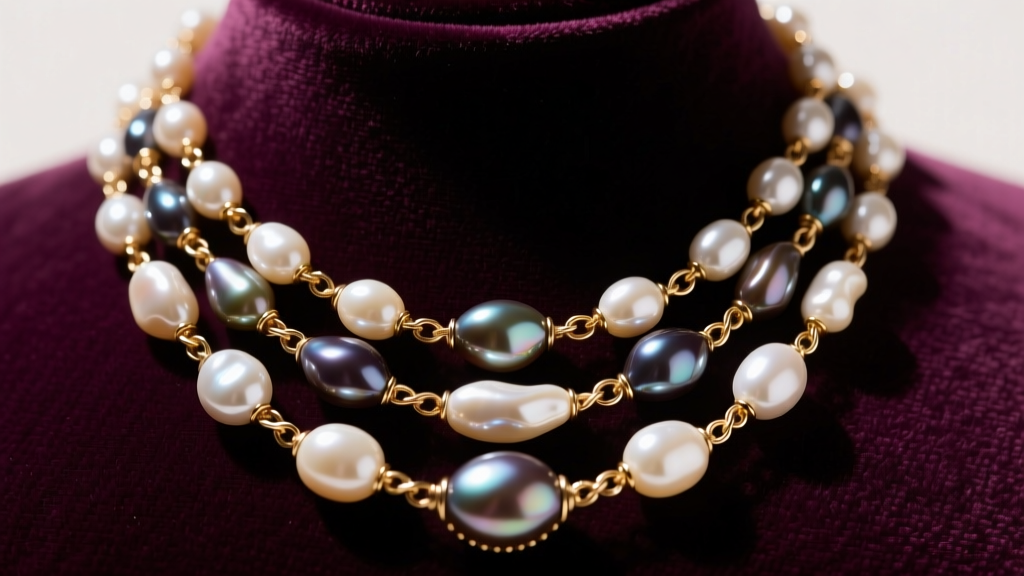
Collecting vintage costume jewelry inevitably leads serious enthusiasts to the holy grail of mid-century American design: the vintage Miriam Haskell pearl necklace. Renowned for their complex, hand-wrapped wirework and distinctively irregular faux pearls, Haskell pieces are not merely accessories; they are highly sought-after wearable artifacts. However, the secondary market is flooded with misattributed pieces, franken-jewelry, and outright counterfeits. Whether you are hunting for a 1930s unmarked sautoir or a 1950s multi-strand bib, knowing exactly what to look for is critical to making a sound investment.
The Legacy of Miriam Haskell and Frank Hess
Miriam Haskell opened her first boutique in 1926 at the McAlpin Hotel in New York City, but the artistic genius behind the brand's signature aesthetic was her head designer, Frank Hess. Hess revolutionized costume jewelry by treating faux materials with the same reverence as fine jewelry. According to the Vintage Fashion Guild, Hess's innovative techniques transformed mass-produced glass beads into luxury items that rivaled European fine jewelry houses. When evaluating a Miriam Haskell pearl necklace today, you are essentially evaluating Hess's legacy of meticulous, glue-free construction and avant-garde material sourcing.
Decoding the Materials: Russian Gold and Baroque Glass
To authenticate a Haskell piece, you must first understand the unique chemical and physical properties of the materials used during the brand's golden era (1930s–1960s).
The 'Russian Gold' Plating Formula
The term 'Russian Gold' in Haskell jewelry does not refer to gold mined in Russia, nor is it a high-karat alloy. It is a highly specific, proprietary plating finish applied over a brass or copper base. The metal is treated in an acid bath that etches the surface, resulting in a soft, matte, slightly rosy-gold patina that resists tarnishing and lacks the harsh, reflective brassy shine of cheaper vintage costume jewelry. If the metalwork on a purported Haskell necklace is highly polished, overly yellow, or flaking to reveal a bright silver undertone, it is likely a later reproduction or a misattributed piece.
Identifying Haskell's Signature Pearls
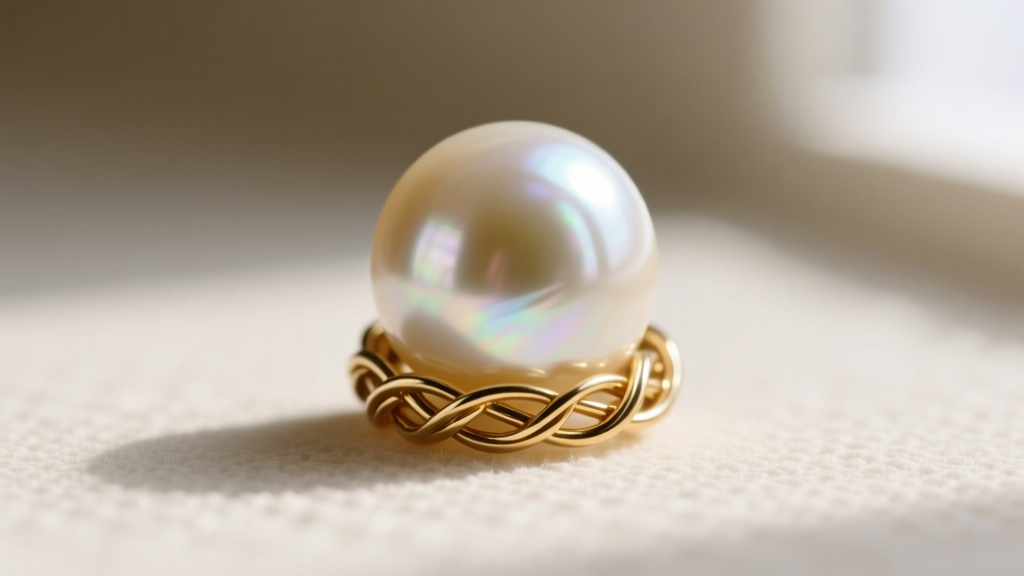
Haskell rarely used perfectly round pearls. The brand favored baroque (irregularly shaped) glass beads, primarily sourced from Bohemia and Murano, Italy. These beads were coated with a secret nacre-like substance—historically derived from guanine (fish scale extract) and later synthetic equivalents—to mimic the deep luster of natural pearls. When inspecting a necklace, look for slight variations in shape and a deep, almost oily iridescence. The drill holes on authentic vintage Haskell pearls are typically small and clean, without the thick, globular buildup of modern synthetic paints.
Authentication Checklist: Spotting the Real Deal
Because early Haskell pieces were often unmarked, authentication relies heavily on structural forensics rather than just hallmarks. Use this framework to evaluate potential purchases on platforms like Ruby Lane or 1stDibs.
Wirework and Construction Quality
The most definitive hallmark of a true Miriam Haskell pearl necklace is the wirework. Frank Hess insisted on hand-wrapping beads using extremely fine, pliable brass wire.
- No Glue: Authentic vintage pieces never use glue to secure pearls or filigree elements on the front of the piece. If you see adhesive residue, it is either a fake or a poorly repaired authentic piece.
- Wire Wrapping: Look closely at the base of the pearls. The wire should wrap securely and neatly around the bead, often looping through intricate stamped brass filigree backings.
- Weight and Drape: Due to the dense glass beads and heavy brass findings, authentic multi-strand necklaces have a substantial, luxurious weight and drape fluidly against the collarbone.
Era-Specific Hallmarks and Signatures
While construction is paramount, hallmarks help date the piece. Below is a guide to Haskell markings by era:
| Era | Typical Markings | Construction Notes |
|---|---|---|
| 1920s - 1940s | Often unmarked; paper hangtags (rarely survive) | Heaviest use of early Bohemian glass, intricate hand-wrapped filigree, no soldered jump rings. |
| 1940s - 1950s | 'Miriam Haskell' in a horseshoe shape or oval plaque | Introduction of Murano glass pearls, slightly more standardized wirework, heavy Russian gold plating. |
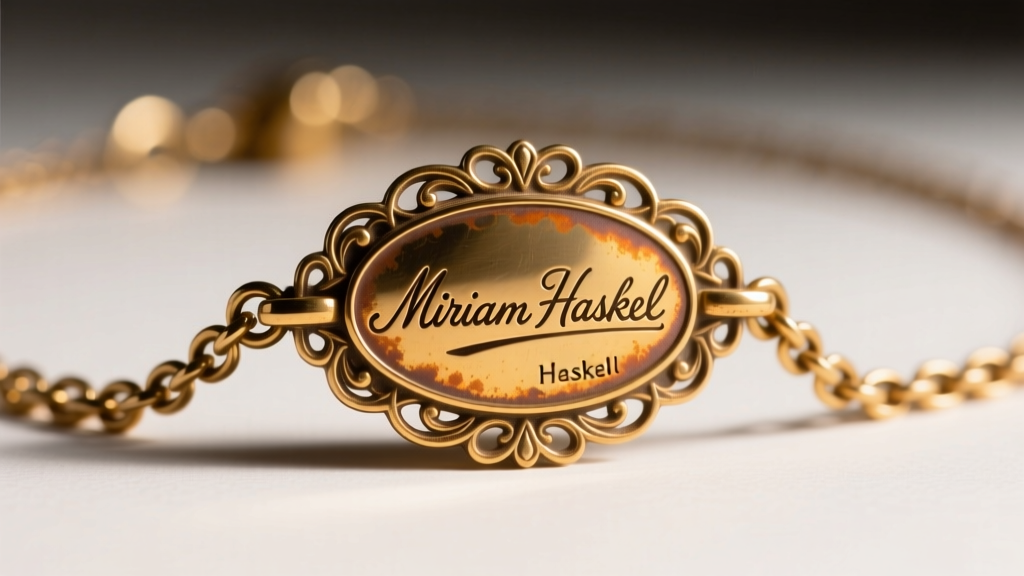
| 1950s - 1960s | Script 'Miriam Haskell' stamped on a flat rectangular or oval plaque | Use of plastic beads mixed with glass, slightly lighter weight, introduction of adjustable extension chains. |
| 1970s - Present | 'Haskell' or 'Miriam Haskell' with copyright symbols | Mass-produced elements, glued components, lighter base metals, loss of the original Russian gold finish. |
Pricing and Market Value in the Vintage Scene
The value of a vintage Miriam Haskell pearl necklace fluctuates based on rarity, condition, and complexity. As of current market trends, here is what you should expect to pay:
- Single-Strand Chokers & Simple Pendants ($150 – $350): Common 1950s and 1960s pieces in good condition. Excellent entry points for new collectors.
- Multi-Strand & Sautoir Necklaces ($400 – $900): Long, opera-length pieces or 3-to-4 strand chokers featuring elaborate filigree clasps and pristine baroque pearls.
- Elaborate Bib & Collar Necklaces ($1,000 – $2,500+): Highly complex, multi-layered pieces from the 1930s and 1940s. Unmarked early pieces with verifiable provenance or rare colorways (like black or deep burgundy glass) command premium auction prices.
Common Flaws and Restoration Warnings
When buying vintage, condition is everything. Avoid pieces with the following fatal flaws, as they are nearly impossible to restore without destroying the item's historical and financial value:
Collector's Warning: Never purchase a Haskell necklace that has been 're-plated.' The original Russian gold acid-etch cannot be replicated by modern jewelers. Re-plating strips the piece of its authenticity and reduces its value by up to 80%.
Pearl Flaking: Moisture is the enemy of vintage faux pearls. If the nacre-like coating is peeling or flaking off the glass bead, the damage is irreversible. Do not buy flaking pieces unless they are exceptionally rare and priced as 'study pieces.'
Wire Fatigue and Verdigris: Inspect the fine wires wrapping the pearls. Decades of wear can cause metal fatigue, leading to snapped wires and lost beads. While minor green verdigris (copper oxidation) can be gently cleaned with a dry, soft brush, deep structural corrosion means the wire is compromised and will eventually snap.
Where to Source Authentic Haskell Pieces
To minimize the risk of purchasing counterfeits, source your jewelry from reputable dealers who specialize in vintage costume jewelry. Verified sellers on Ruby Lane often provide high-resolution macro photography of the wirework and clasps, which is essential for remote authentication. Additionally, established auction houses and specialized vintage platforms like 1stDibs offer buyer protection and vetted dealer networks. Always request clear photos of the reverse side of the necklace to examine the wire loops, filigree stampings, and clasp hallmarks before committing to a purchase.


