Vintage Puka Shell Necklace Trends: 2026 Style Analysis
Discover how the vintage puka shell necklace is redefining 2026 coastal fashion. Learn to authenticate retro pieces, style them, and spot genuine shells.

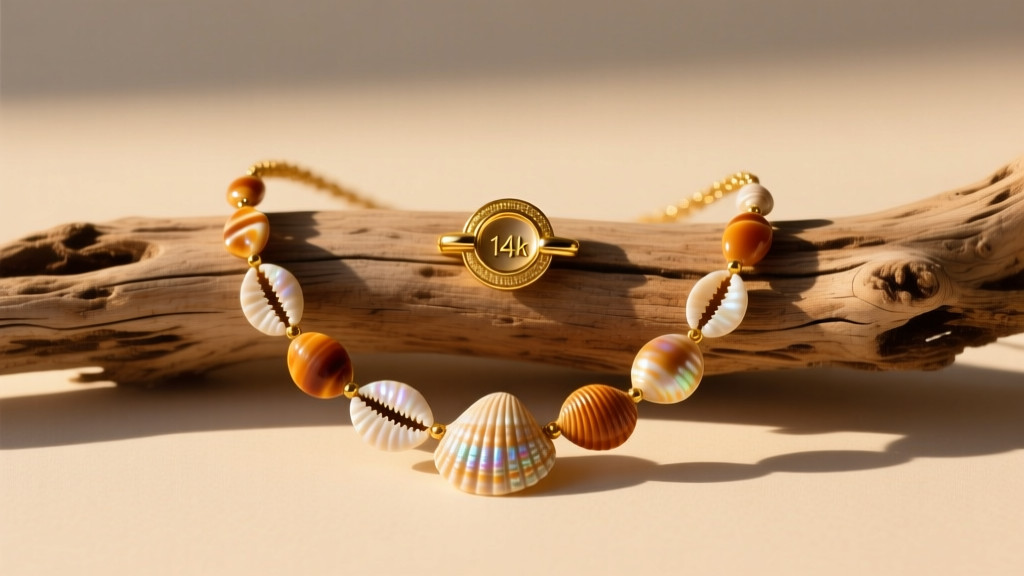
The Resurgence of the Vintage Puka Shell Necklace in 2026
The jewelry landscape of 2026 has seen a definitive shift away from the hyper-minimalism of the early 2020s, embracing instead a textured, narrative-driven approach to personal adornment. At the forefront of this movement is the vintage puka shell necklace. Once relegated to the realm of 1970s surf nostalgia and early 2000s mall-kiosk fashion, the genuine vintage puka has been reclaimed by high-end stylists and archival jewelry collectors. Today, it serves as the ultimate anchor piece in the 'Elevated Coastal' and 'Indie Sleaze Revival' aesthetics.
Unlike mass-produced contemporary iterations, true vintage puka necklaces—sourced primarily from the 1970s and early 1980s—possess an organic asymmetry and historical patina that modern manufacturing cannot replicate. As demand surges on archival platforms like 1stDibs and specialized Etsy vintage dealers, understanding the material science, structural integrity, and contemporary styling frameworks of these pieces is essential for the serious collector and style enthusiast.
Material Science: Authenticating Genuine Cone Shell vs. Imitations
The word 'puka' translates to 'hole' in Hawaiian, referring to the naturally occurring, smooth aperture found at the apex of the cone shell (Conus miliaris and related species). In the 1970s, beachcombers gathered these naturally tumbled shell fragments, resulting in necklaces with highly irregular, organic bead shapes. As demand outpaced natural supply, the market was flooded with imitations. When sourcing a vintage puka shell necklace today, authentication is paramount.
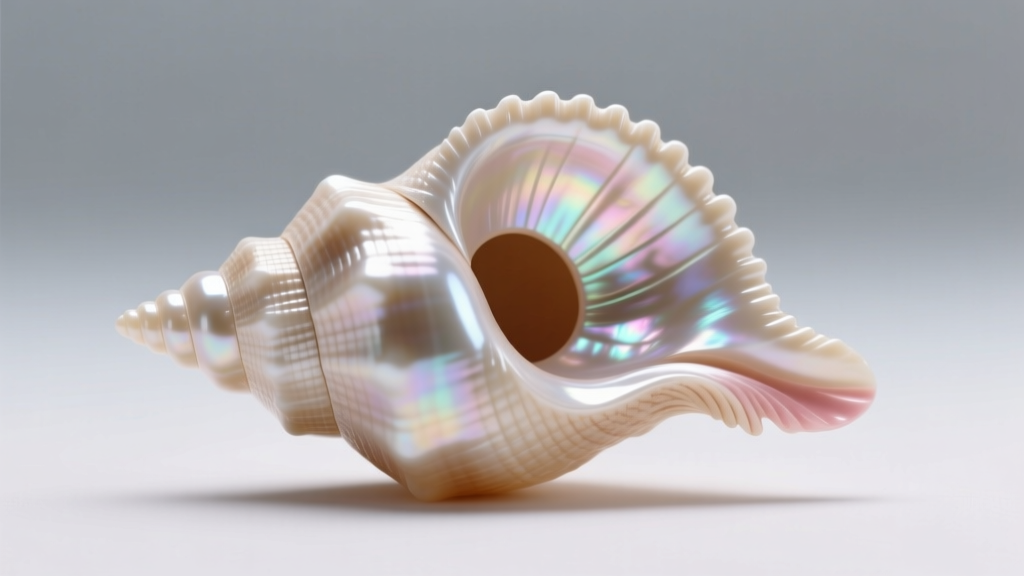
The Tooth Test and UV Fluorescence
Genuine shell is composed of calcium carbonate in a micro-crystalline matrix. When rubbed gently against the edge of your front teeth, a real vintage puka shell will feel slightly chalky or gritty, akin to unglazed porcelain. In contrast, vintage plastic or resin replicas will feel perfectly smooth and waxy. Dyed howlite—a common 1990s and 2000s substitute—will feel like cold, hard stone and lack the subtle pearlescent luster inherent to the inner layer of the cone shell.
Furthermore, under long-wave UV light (365nm), genuine organic shells often exhibit a muted, chalky blue or yellowish fluorescence due to trace organic proteins, whereas synthetic resins may glow brightly or remain entirely inert. For a comprehensive breakdown of organic gemological properties, the GIA Gem Encyclopedia remains the definitive resource on calcium carbonate structures in jewelry.
Comparative Analysis: Market Materials
| Material | Era of Prominence | Weight & Temperature | Hole Characteristics | 2026 Vintage Market Value |
|---|---|---|---|---|
| Genuine Cone Shell | 1960s - 1980s | Lightweight, warms to skin | Asymmetrical, naturally smooth, tapered | $150 - $800+ |
| Dyed Howlite | 1990s - 2010s | Heavy, cold to touch | Drilled, perfectly cylindrical, sharp edges | $20 - $60 |
| Shell Powder Composite | 1980s - Present | Medium weight, neutral | Molded, uniform, lacks natural taper | $30 - $90 |
| Vintage Plastic/Resin | 1970s - 1980s | Very light, waxy feel | Drilled, often shows seam lines | $40 - $120 (if designer) |
Structural Integrity: Restringing and Wire Gauges
A critical vulnerability of any 50-year-old necklace is its stringing material. Original 1970s puka necklaces were typically strung on cotton thread, basic nylon, or early synthetic elastomers. These materials degrade rapidly when exposed to skin oils, saltwater, and UV radiation. If you acquire a true vintage piece, it is highly recommended to have it professionally restrung before wearing it to prevent catastrophic failure and bead loss.
Modern Restringing Specifications
For a 2026 restoration, jewelers should abandon traditional silk or basic nylon. The industry standard for heavy, irregular organic beads is a 49-strand micro-braided stainless steel wire with a nylon coating. A 0.018-inch gauge wire (such as Soft Flex or Beadalon) provides the necessary tensile strength to support the jagged interior edges of authentic puka shells without fraying.
Furthermore, the use of sterling silver or 14k gold-filled French wire guards at the clasp connection points is non-negotiable. These wire protectors prevent the sharp bend at the clasp loop from shearing the nylon coating off the steel core, a common failure point in improperly restored vintage shell jewelry.
2026 Styling Frameworks: Elevating the Surfer Classic
The way we style the vintage puka shell necklace has evolved significantly. The 2026 approach rejects the head-to-toe bohemian uniform of the past, favoring instead a study in contrasts—mixing the matte, organic texture of the shell with high-polish precious metals and structured tailoring.
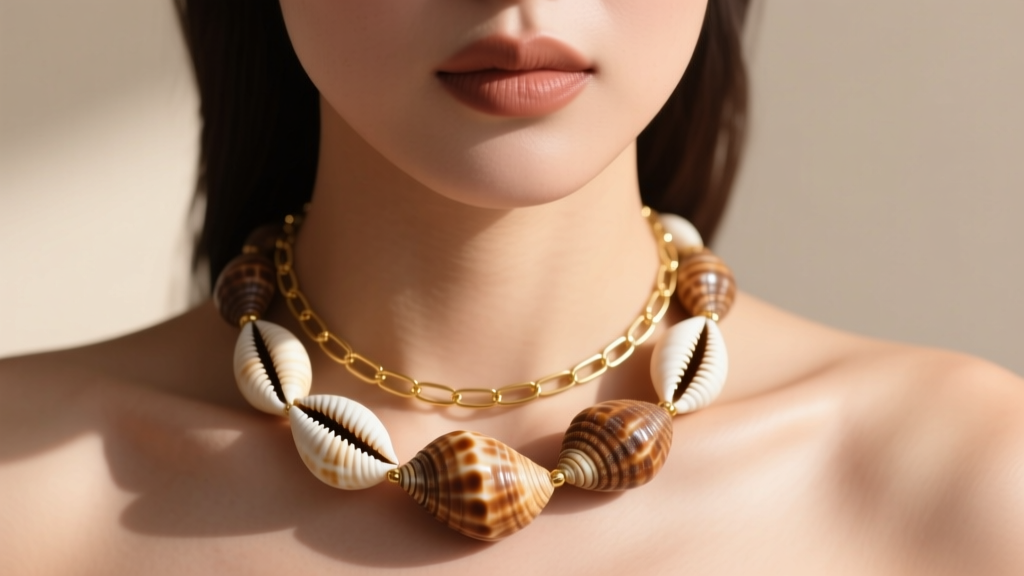
The Art of the Asymmetric Layer
According to recent trend forecasts highlighted by Vogue Fashion, the modern layering technique relies on varied textures and offset focal points. Here are three actionable styling frameworks for the vintage puka:
- The 'Quiet Coastal' Layer: Pair a 16-inch, 8mm vintage heishi puka necklace with a 18-inch 14k yellow gold box chain featuring a single, bezel-set lapis lazuli pendant. The matte white of the shell grounds the reflective gold and deep blue stone, perfect for unbuttoned linen shirts.
- The 'Archival Punk' Contrast: Layer a chunky, 12mm irregular 1970s puka choker (14-15 inches) with an oxidized sterling silver Cuban link chain. The juxtaposition of the bright, natural shell against darkened, industrial metal creates a striking visual tension suited for structured blazers or leather outerwear.
- The Mixed-Metal Bridge: Utilize a vintage puka strand that features intermittent 14k gold rondelle spacer beads (a popular custom modification from the late 70s). Bridge this piece between a delicate rose gold satellite chain and a heavier yellow gold rope chain to unify mixed-metal styling.
Proportions and Sizing: The Shift to Chunky Silhouettes
While the micro-bead (4-6mm) heishi puka remains a staple for delicate layering, the 2026 trend cycle heavily favors the 'chunky' silhouette. Necklaces featuring shells in the 10mm to 14mm range command attention as standalone statement pieces. These larger beads highlight the natural conical geometry and the subtle cream-to-white color gradients that occur in authentic, sun-bleached cone shells.
When selecting a vintage length, note that 1970s chokers were often strung tightly at 14 inches. For contemporary comfort and to allow the shells to drape properly over collars, adding a 2-inch 14k gold extender chain during the restringing process is a highly recommended modification that preserves the vintage beads while modernizing the fit.
Care and Preservation of Organic Shell Jewelry
Genuine puka shell is a porous, organic material. To maintain the structural integrity and luster of a vintage piece, strict care protocols must be followed. Never expose vintage puka to ultrasonic jewelry cleaners, steam, or harsh chemical dips, as these will dissolve the calcium carbonate matrix and strip the natural patina.
Chlorine in swimming pools will cause irreversible pitting and chalkiness on the shell surface. To restore moisture to dry, vintage shells, collectors can gently buff the beads with a microfiber cloth lightly dampened with food-grade mineral oil once a year. This simple maintenance step enhances the pearlescent undertones and prevents micro-cracking in arid climates, ensuring your archival necklace survives for another half-century.


