Vintage Sarah Cov Pearl Necklace Guide: Marks & Value 2026
Identify, date, and value your vintage Sarah Cov pearl necklace. Expert guide to hallmarks, faux pearl materials, and 2026 market pricing.

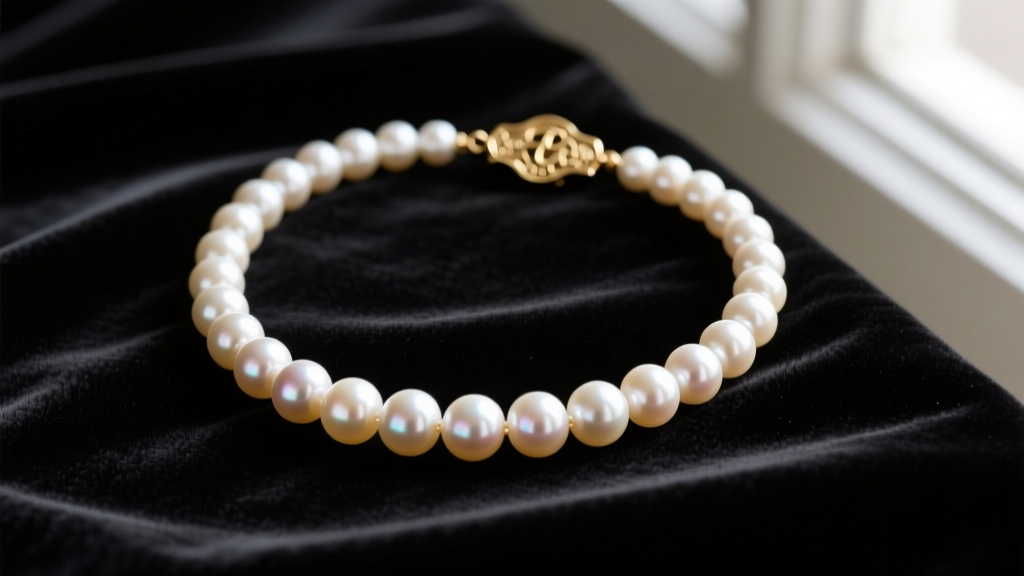
The Legacy of Sarah Coventry Faux Pearls
When discussing mid-century costume jewelry, the Sarah Cov pearl necklace remains a highly sought-after artifact of American direct-sales history. Founded in 1949 by Charles H. Stuart, Sarah Coventry revolutionized the jewelry market by utilizing a home-party sales model, allowing women across the country to purchase high-quality, stylish accessories directly from their neighbors. While the brand produced a vast array of rhinestone and enamel pieces, their faux pearl strands were a cornerstone of the catalog, offering an elegant, accessible alternative to expensive saltwater Akoya pearls. Today, in the 2026 vintage market, these necklaces are prized not just for their nostalgic charm, but for their distinct manufacturing techniques, specific hallmarks, and the unique material science behind their lustrous beads.
Decoding the Hallmarks: Dating Your Necklace
Authenticating a vintage Sarah Cov pearl necklace requires a meticulous examination of the clasp and hangtags. Unlike fine jewelers who stamp precious metal purity marks, Sarah Coventry relied on brand signatures that evolved significantly over the company's primary operational decades (1949–1984). According to Collectors Weekly, tracking these hallmark variations is the most reliable way to date your piece.
- 1949–1953: Early pieces were often marked with the full name "Sarah Coventry" in a distinct script or block font on the clasp tongue or a small metal tag near the closure.
- 1953–1960s: The company began utilizing the copyright symbol (©) alongside the full "Sarah Coventry" name to protect their designs from mass-market knockoffs.
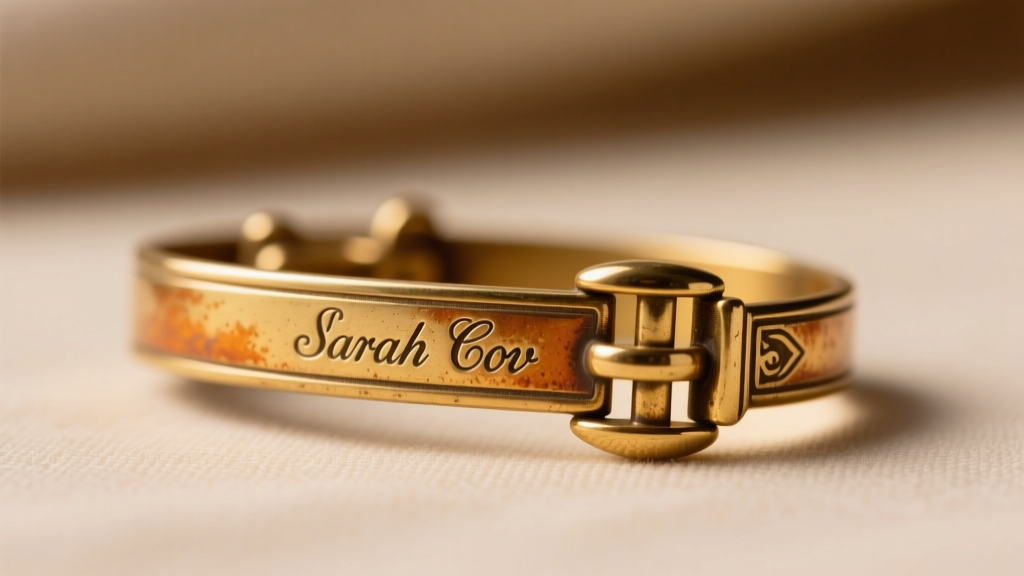
- 1960s–1980s: The hallmark was abbreviated to the highly recognizable "Sarah Cov" or "Sarah Cov ©". This is the most common stamp found on the gold-tone or rhodium-plated fold-over clasps of their classic pearl strands.
- The Foil Hangtag: Original pieces were sold with a distinctive gold or silver foil sticker hangtag attached via a tiny loop. While the presence of an intact original hangtag can increase a necklace's value by 20% to 30% among serious collectors, its absence does not negate authenticity, as these were frequently removed upon wear.
Material Analysis: Glass vs. Plastic Cores & Coating Degradation
To truly understand the value and preservation needs of a Sarah Cov pearl necklace, one must examine the anatomy of the faux pearl itself. The Gemological Institute of America (GIA) notes that vintage imitation pearls are defined by their core material and their surface coating. Sarah Coventry primarily utilized two types of cores depending on the era and the desired weight of the necklace:
- Glass Cores (1950s-1960s): The majority of classic, graduated Sarah Cov strands feature heavy glass beads. These provide a luxurious drape and a cold-to-the-touch thermal conductivity that mimics the heft of real cultured pearls.
- Thermoplastic Cores (1970s): As fashion shifted toward bold, chunky, and oversized "opera-length" or bib-style necklaces in the 1970s, Sarah Coventry transitioned to lightweight plastic cores to prevent the necklaces from becoming uncomfortably heavy.
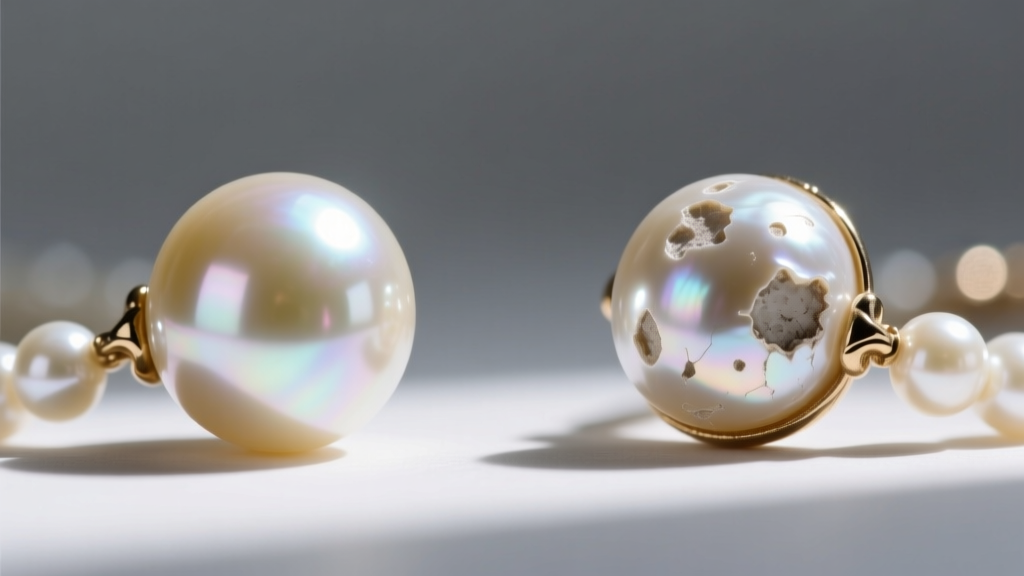
The magic of the Sarah Cov pearl lies in its coating. The brand used a high-grade synthetic pearlescent lacquer, often derived from essence d'orient (a historical mixture of guanine crystals extracted from fish scales suspended in lacquer) or later synthetic mica-based pigments. Over decades, this coating is susceptible to specific failure modes. "Bald spots" occur when the lacquer chips away from the glass core due to friction or improper storage. Additionally, the chemical breakdown of the lacquer binder can cause the pearls to develop a yellowed, uneven patina, a common issue in pieces stored in high-humidity environments or exposed to vintage perfumes and hairsprays.
Hardware Mechanics and Clasp Failure Points
The hardware on a vintage Sarah Cov pearl necklace is typically crafted from base metal with a thick gold-tone or rhodium electroplating. The most common clasp used on their single and double-strand pearl necklaces is the fold-over clasp, often accompanied by a figure-8 safety chain. From a technical restoration standpoint, the primary mechanical failure point on these vintage clasps is the tension loop. Over years of wear, the thin metal loop on the male end of the clasp stretches, preventing the female hinge from snapping securely into place. Expert restorers in 2026 frequently use nylon-jaw pliers to gently compress the tension loop back to its original gauge, restoring the secure "click" without compromising the vintage plating.
2026 Valuation Matrix: What is Your Necklace Worth?
The vintage costume jewelry market has seen a steady appreciation for pristine, mid-century faux pearls. Pricing for a Sarah Cov pearl necklace depends heavily on the strand configuration, the condition of the pearl coating, and the presence of original hardware. Below is the current 2026 market valuation matrix based on recent auction data and Vintage Jewelry Magazine pricing guides.
| Necklace Style & Era | Condition Profile | 2026 Estimated Value | Collector Demand |
|---|---|---|---|
| Single Strand, 16" (1960s) | Good (Minor clasp wear, pearls intact) | $15 - $25 | Low (High supply) |
| Graduated Strand, 18" (1950s) | Excellent (No flaking, bright clasp) | $45 - $75 | Medium |
| Double Strand w/ Spacer (1970s) | Mint (Original hangtag, pristine pearls) | $85 - $120 | High |
| Chunky Bib / Multi-Strand (1970s) | Excellent (Plastic cores intact, no yellowing) | $130 - $180+ | Very High (Rare) |
Restoration and Conservation Best Practices
Preserving the delicate surface of a vintage Sarah Cov pearl necklace requires strict adherence to conservation protocols. Never use ultrasonic cleaners, steamers, or commercial jewelry dips. The high-frequency vibrations and harsh chemicals will instantly strip the faux nacre coating, leaving you with bare, cloudy glass beads.
For surface cleaning, use a barely damp microfiber cloth with a drop of pH-neutral castile soap and distilled water. Wipe each bead individually, avoiding the stringing holes where moisture can become trapped and rot the internal thread. If your necklace requires re-stringing, avoid modern nylon beading wire, which is too rigid and will cause the vintage glass pearls to chip around the drill holes over time. Instead, professional restorers recommend using Size E or F natural silk cord, knotted between each bead, and finished with French wire (gimp) at the clasp to prevent the silk from fraying against the metal jump ring. By understanding the specific material science and historical context of these pieces, collectors can ensure their Sarah Cov pearl necklaces remain luminous for decades to come.


