How to Source and Style a Vintage Sheffield Watch Necklace
Learn how to authenticate, size, and style a vintage Sheffield watch necklace. Expert tips on silver hallmarks, Albert chains, and layering.

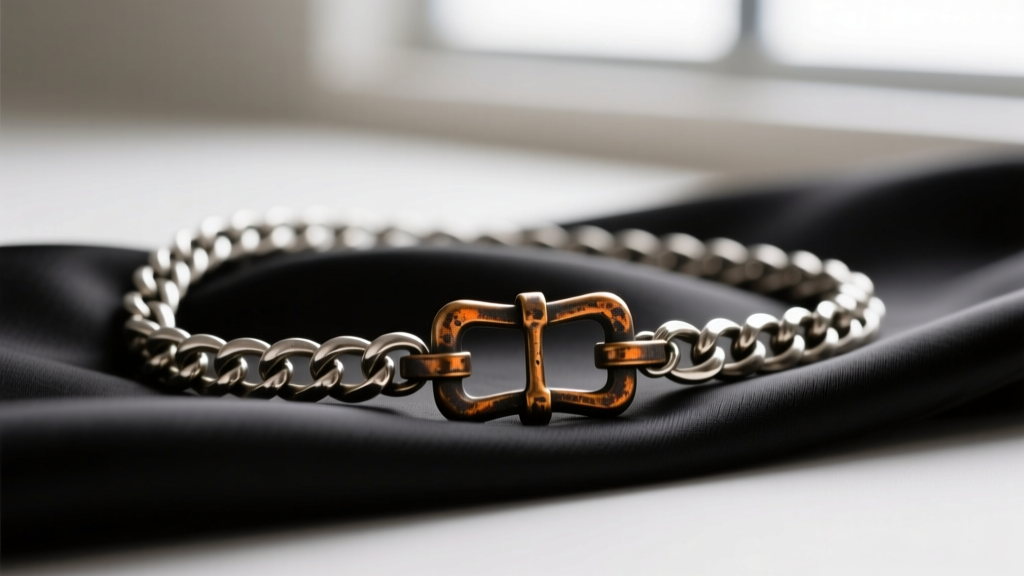
The Renaissance of the Sheffield Watch Necklace
In the modern jewelry landscape of 2026, the line between menswear and womenswear continues to blur, and few accessories embody this shift better than the vintage pocket watch chain. Originally designed to secure a gentleman's timepiece to his waistcoat, these heavy, meticulously crafted chains are now highly sought after as statement necklaces. When collectors and stylists refer to a 'Sheffield watch necklace,' they are typically referencing antique sterling silver or steel Albert chains manufactured in Sheffield, England—the historic epicenter of British metalwork and silver assaying.
Repurposing a vintage Sheffield watch chain into a necklace is not just a sustainable fashion choice; it is an investment in horological history. However, sourcing an authentic piece requires a keen eye for hallmarks, an understanding of chain mechanics, and a strategy for adapting a 12-inch waistcoat chain into a wearable 20-inch necklace. This step-by-step guide will walk you through the authentication, sizing, and styling of a Sheffield watch necklace.
Step 1: Decoding Sheffield Silver Hallmarks
Sheffield's reputation for metalwork was cemented when the Sheffield Assay Office was granted a royal charter in 1773. To ensure you are purchasing a genuine antique Sheffield watch necklace, you must know how to read the tiny stamps hidden on the links, the T-bar, and the dog clip clasp.
| Hallmark Symbol | Meaning | What to Look For |
|---|---|---|
| Anchor | City of Origin | Confirms the piece was assayed in Sheffield. |
| Lion Passant | Sterling Silver (925) | A walking lion indicating 92.5% pure silver. |
| Britannia | Britannia Silver (958) | A seated figure indicating 95.8% pure silver (softer, rarer). |
| Date Letter | Year of Assay | A changing alphabetical font that pinpoints the exact year. |
| Maker's Mark | Silversmith | Usually two or three initials (e.g., W.H. for William Hutton). |
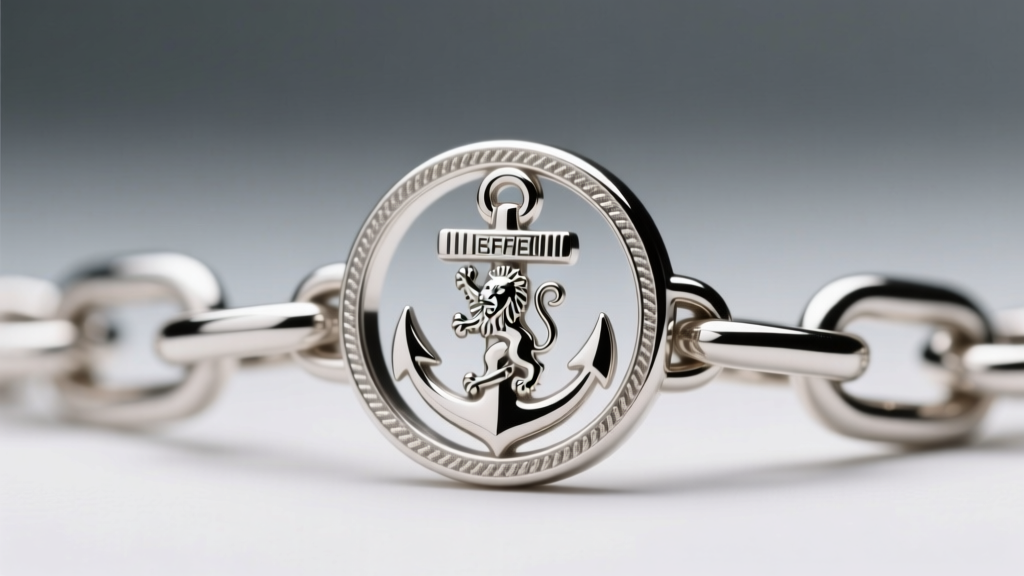
When inspecting a potential purchase, use a 10x jeweler's loupe. On older Victorian and Edwardian chains, the hallmarks may be worn down due to decades of friction against wool waistcoats. If the anchor and lion passant are entirely missing from the primary hardware (the T-bar and swivel clip), proceed with caution, as the piece may be a later reproduction or silver-plated rather than solid sterling.
Step 2: Choosing the Right Chain Profile
Not all watch chains drape the same way. The profile of the links dictates the weight, flexibility, and visual impact of your Sheffield watch necklace. Here are the three most common profiles you will encounter in the antique market:
The Albert Chain
Named after Prince Albert, this chain features a distinct graduated link structure. The links are typically larger in the center and taper down toward the ends. Authentic Albert chains often feature a central 'drop' or secondary shorter chain meant to hold a fob or seal. When worn as a necklace, the graduated weight provides a luxurious, heavy drape that sits flat against the collarbone.
The Curb Chain
Curb links are twisted and flattened so they interlock tightly and lie completely flat. Sheffield-made silver curb chains from the 1920s and 1930s are renowned for their substantial weight, often ranging between 35 and 60 grams. This profile is highly durable and offers a bold, industrial aesthetic that pairs beautifully with modern streetwear or minimalist tailoring.
The Belcher Chain
Composed of uniform, round or oval links, the Belcher chain is lighter and more flexible. While less common for heavy pocket watches, Sheffield silversmiths produced delicate Belcher watch chains for ladies' pocket watches or lapel watches. These are ideal for those seeking a more subtle, layered necklace look.
Step 3: Sizing and Conversion Mechanics
The most significant challenge in wearing a vintage watch chain as a necklace is length. Traditional pocket watch chains were designed to span the width of a waistcoat, meaning they typically measure between 10 and 14 inches. To wear them as a standard necklace, you have three conversion options:
- The Lariat Method (No Alteration): If the chain features a T-bar on one end and a dog clip (swivel) on the other, simply loop the chain around your neck and pass the T-bar through the dog clip. This creates a Y-shaped lariat necklace that typically hangs at a 22-to-24-inch equivalent length.
- The Extender Chain (Reversible Alteration): Purchase a high-quality 8-inch sterling silver cable chain and two 6mm silver split rings. Attach the split rings to the existing T-bar and dog clip, then connect your extender chain. This allows you to wear the piece at a standard 18 or 20-inch length without permanently altering the antique hardware.
- The Double Wrap (For Longer Chains): If you manage to source a rare 24-inch double-Albert chain (originally meant to hold both a watch and a cigar cutter), you can wrap it twice for a layered choker effect, securing the ends with a custom silver toggle clasp.
Step 4: Modern Styling and Layering Techniques
Integrating a heavy, antique Sheffield silver chain into a contemporary wardrobe requires balancing its visual weight. The Victoria and Albert Museum notes that historical jewelry was strictly categorized by time of day and gender, but modern styling thrives on breaking these exact rules.

Mixing Metals and Eras
Do not feel constrained to pair your Sheffield silver watch chain only with other silver pieces. The slightly oxidized, grayish patina of antique sterling silver contrasts beautifully with bright, modern 14k or 18k yellow gold. Try layering a 45-gram Sheffield curb watch chain with two delicate gold pendant necklaces (one at 16 inches, one at 18 inches). The heavy silver chain should sit at 20 or 22 inches, acting as the anchor of the stack.
The T-Bar as a Focal Point
Instead of hiding the T-bar clasp at the back of your neck, bring it to the front. Let the T-bar hang asymmetrically off to one side, or thread it through the top link of the chain to create an off-center geometric drop. This highlights the functional history of the piece and turns the hardware into a deliberate design element.
Maintenance: Polishing Without Erasing History
A common mistake made by new collectors is aggressively polishing a vintage Sheffield watch necklace until it looks brand new. The dark oxidation that settles into the crevices of curb and Albert links is called patina, and it provides crucial visual contrast that highlights the intricate craftsmanship of the links. Furthermore, removing the patina can decrease the historical and monetary value of the piece.
For routine maintenance, avoid liquid chemical dips like Tarn-X, which strip the silver of its natural luster and leave a flat, chalky white finish. Instead, use a dry, untreated microfiber cloth to gently buff only the high points of the links. If the chain has accumulated skin oils or dirt, wash it briefly in warm water with a drop of mild, phosphate-free dish soap, using a soft baby toothbrush to gently agitate the dirt out of the links. Dry it immediately and thoroughly with a lint-free cloth to prevent water spots. By preserving the dark recesses and polishing only the raised surfaces, your Sheffield watch necklace will retain its century-old character while shining brilliantly in a modern context.


