Viole Grace Necklace Guide: Styling & Care for Beginners
Discover everything about the Viole Grace necklace. Learn how to choose the right violet gemstone, style it with everyday necklines, and care for it.

What Exactly is a Viole Grace Necklace?
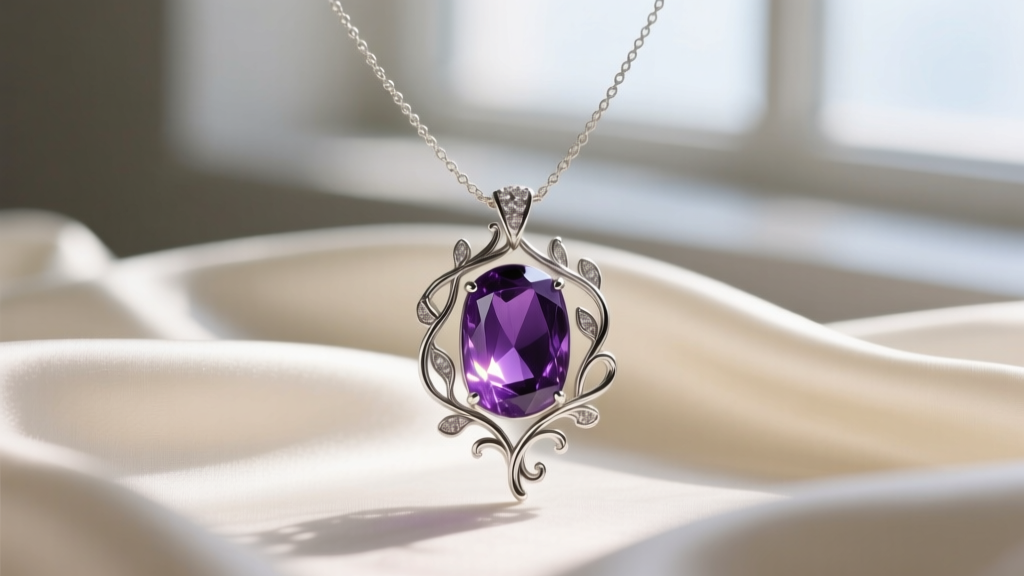
If you have been browsing boutique jewelry collections or indie designer showcases, you have likely encountered the Viole Grace necklace. Unlike standard solitaire pendants, the Viole Grace style is defined by its intricate, botanical-inspired metalwork. The hallmark of this design is a central violet-hued gemstone—typically amethyst, tanzanite, or violet sapphire—encased in a delicate "grace" setting. This setting features vine-like micro-prongs, milgrain detailing, and subtle leaf motifs that wrap around the stone, giving it an organic, vintage aesthetic.
For beginners, the Viole Grace necklace offers a perfect entry point into statement gemstone jewelry without feeling overly formal. However, because of the intricate metalwork and the specific physical properties of violet gemstones, choosing and caring for this piece requires a bit of specialized knowledge. This guide will break down everything you need to know to select, style, and maintain your Viole Grace pendant.
Gemstone Breakdown: Choosing Your Violet Hue
The defining feature of the Viole Grace necklace is, naturally, its violet centerpiece. But not all violet gemstones are created equal. When shopping for this specific botanical setting, you need to consider the stone's hardness on the Mohs scale, as the delicate vine prongs offer less structural protection than a heavy bezel setting.
| Gemstone | Mohs Hardness | Durability in Vine Settings | Average Price Range (1-2 Carat) |
|---|---|---|---|
| Amethyst | 7 | Moderate (Prone to scratching if exposed) | $50 - $150 |
| Tanzanite | 6.5 - 7 | Low (Has perfect cleavage; high chip risk) | $300 - $800 |
| Violet Sapphire | 9 | Excellent (Highly resistant to chipping) | $800 - $2,500+ |
Expert Recommendation for Beginners
If you plan to wear your Viole Grace necklace daily, violet sapphire is the safest investment. While amethyst is beautiful and budget-friendly, its brittle nature means the thin, decorative prongs of a grace setting can leave the stone's edges vulnerable to chipping if bumped against a desk or countertop. If you opt for tanzanite for its mesmerizing color shift, reserve the necklace for evening or occasional wear.
Chain Lengths and Metal Pairings
The intricate pendant of a Viole Grace necklace requires a chain that complements its delicate nature without overpowering it or causing mechanical friction.
Selecting the Right Chain Type
Avoid snake chains or herringbone chains. These fluid chain styles are notorious for kinking and can easily catch on the tiny metal leaves and micro-prongs of the grace setting, eventually bending them out of place. Instead, opt for:
- 1.0mm to 1.5mm Cable Chains: The classic, uniform links provide a sturdy, snag-free foundation that lets the pendant shine.
- Box Chains: Excellent for heavier sapphire pendants, offering high tensile strength and a modern geometric contrast to the organic pendant.
Metal Matters: Silver vs. Gold
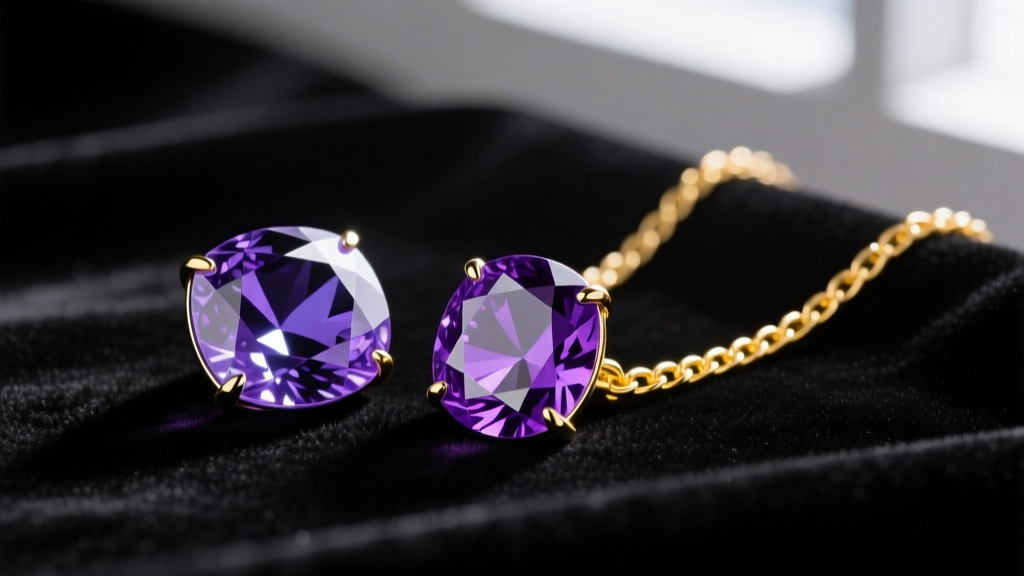
The Viole Grace design is most commonly cast in sterling silver or 14k gold. Sterling silver is highly affordable and provides a crisp, cool contrast to deep purple amethysts. However, silver tarnishes and requires regular polishing. When polishing, you must be incredibly careful not to apply pressure to the botanical metalwork, as silver is a soft metal and the vine details can easily warp. For a low-maintenance, lifelong piece, 14k yellow or rose gold is superior. Yellow gold warms up the cool tones of tanzanite, while rose gold creates a beautiful monochromatic harmony with violet sapphires.
How to Style and Layer Your Viole Grace Necklace
Because the Viole Grace pendant is highly detailed, it acts as a natural focal point. Styling it correctly ensures it enhances your outfit rather than getting lost in the fabric.
Neckline Pairings
The golden rule of botanical pendants: give the metalwork room to breathe. Avoid high, ruffled collars or heavily patterned blouses that will visually compete with the milgrain and vine details.
- Scoop and V-Necks: A 16-inch or 18-inch Viole Grace pendant resting just below the collarbone perfectly frames the décolletage and draws the eye downward.
- Crew Necks and Turtlenecks: For winter styling, size up to a 20-inch or 22-inch chain. Letting the pendant rest over a solid-colored, ribbed turtleneck creates a striking, sophisticated contrast.
The Art of Layering
Layering a Viole Grace necklace requires balancing its visual weight. Start with a simple, minimalist choker or a 14-inch delicate satellite chain. Place your 18-inch Viole Grace pendant in the middle, and finish with a 22-inch or 24-inch simple gold or silver bar necklace or plain hoop pendant. This staggered approach prevents the chains from tangling and ensures the intricate grace setting remains the star of the stack.

Care and Maintenance for Delicate Vine Settings
The very details that make the Viole Grace necklace beautiful also make it a magnet for dust, lotion, and snagging. Proper maintenance is non-negotiable to preserve the integrity of the piece.
Cleaning the Botanical Crevices
Standard jewelry dipping solutions can sometimes leave a cloudy residue in the tight crevices of milgrain detailing. According to Jewelers of America, the safest way to clean intricate settings at home is with a mild dish soap, lukewarm water, and an extra-soft baby toothbrush. Gently brush the back of the gemstone (the pavilion) where skin oils accumulate, and carefully sweep the brush along the vine prongs. Never use ultrasonic cleaners for tanzanite or heavily included amethysts, as the high-frequency vibrations can fracture the stones or loosen the delicate micro-prongs.
Snagging and Prong Checks
The tiny leaf motifs on the grace setting can easily catch on knit sweaters, lace, or even your hair. If your necklace snags, do not pull. Carefully untangle the fabric from the prong. Once a month, run a cotton swab over the setting; if the cotton fibers catch on a prong, it means the metal has lifted and needs to be pushed back down by a professional jeweler before the stone falls out.
Where to Buy and Pricing Expectations
When shopping for a Viole Grace necklace, you will generally find them through independent jewelry designers, specialized vintage-inspired boutiques, and custom gemstone setters on platforms like Etsy. Mass-market mall jewelers rarely carry this specific level of intricate, botanical metalwork.
Expect to pay between $120 and $250 for a high-quality sterling silver and amethyst piece from a reputable indie designer. For 14k gold settings featuring genuine tanzanite or violet sapphire, prices will realistically range from $600 to $1,800. Always request a detailed receipt that specifies the exact gemstone type (e.g., "natural violet sapphire" vs. "lab-created") and the metal purity (e.g., "14k solid gold" vs. "gold vermeil"). Vermeil pieces will eventually wear down to the base silver, which can compromise the delicate tension of the vine prongs over time.
By understanding the unique structural and gemological requirements of the Viole Grace design, you can confidently select a piece that will remain a staple in your jewelry collection for years to come.


