Wearing a Crucifix Necklace: 2026 Gift & Occasion Guide
Discover the ultimate 2026 guide to gifting and wearing a crucifix necklace. Learn about metals, chain lengths, and occasion-matching etiquette.

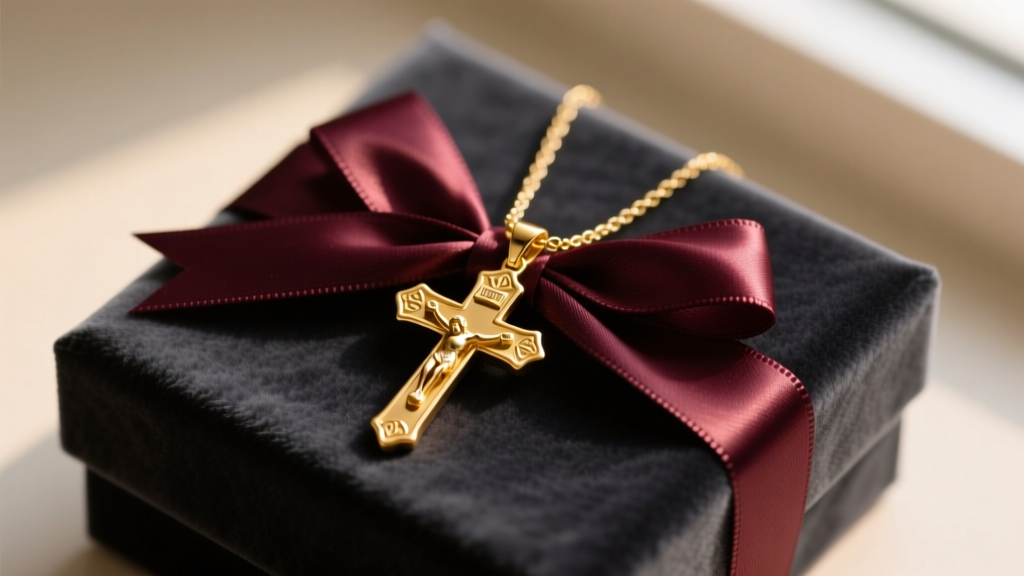
Gifting jewelry is an inherently intimate gesture, but presenting a piece with profound spiritual and historical significance requires careful consideration. When it comes to wearing a crucifix necklace, the context of the gift, the recipient's personal style, and the specific milestone being celebrated all dictate the ideal design. Unlike standard fashion pendants, a crucifix carries the weight of faith, tradition, and sacramental memory. In 2026, the trend of mixing heritage pieces with modern layering techniques has brought religious jewelry back into the spotlight, but the etiquette of gifting remains rooted in respect and proportion.
This comprehensive guide breaks down the material grades, chain anatomies, and occasion-specific sizing matrices you need to select the perfect crucifix necklace for baptisms, confirmations, weddings, and milestone birthdays.
The Distinction: Cross vs. Crucifix
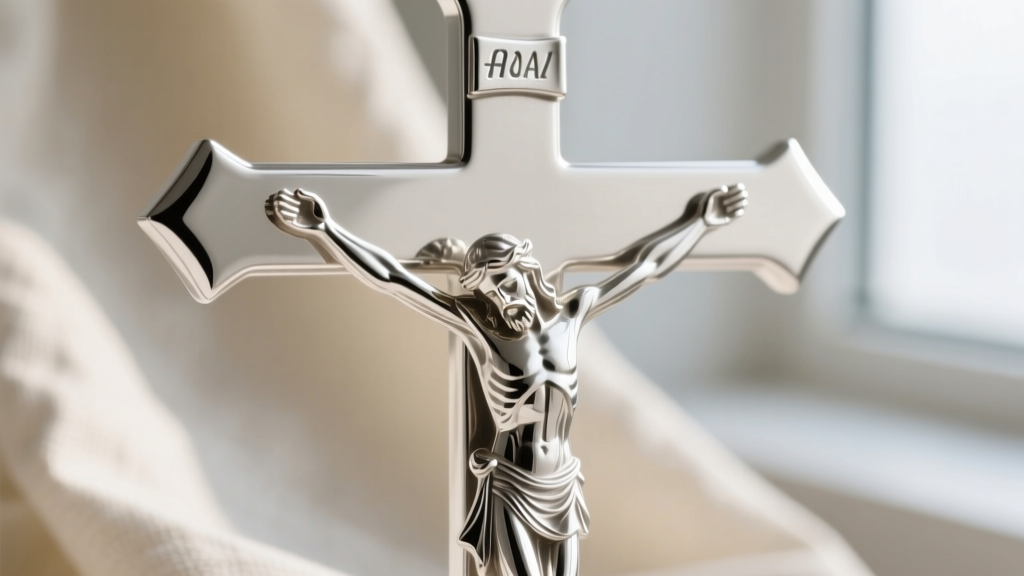
Before selecting a piece, it is vital to understand the iconographic difference. A cross is the bare, empty symbol of the Christian faith, representing the resurrection. A crucifix, however, includes the corpus (the body of Christ). According to the archives at the Victoria and Albert Museum (V&A), the crucifix has been a central motif in European jewelry since the early Middle Ages, often crafted with intricate enamelwork and gemstone accents to denote the wearer's status and devotion.
When gifting, the crucifix is traditionally favored in Catholic, Orthodox, and some high-church Anglican traditions, particularly for sacramental milestones. The bare cross is more commonly gifted in Protestant denominations. Understanding the recipient's specific denomination is the first step in ensuring your gift is both theologically appropriate and deeply cherished.
Material Grades and Pricing Tiers
The longevity of a sacramental gift depends entirely on its metallurgy. A crucifix is often worn daily, meaning it will be exposed to sweat, perfumes, and environmental friction. Here is a breakdown of the most appropriate metals for a lifetime piece:
14k and 18k Solid Gold
For heirloom-quality gifts, solid gold is the standard. As outlined by the Gemological Institute of America (GIA), 14k gold (58.5% pure gold) offers the ideal balance of rich color and structural durability, making it highly resistant to bending or warping. 18k gold (75% pure) provides a deeper, more saturated yellow hue but is slightly softer. Expect to pay between $250 and $600 for a quality 14k gold crucifix pendant, excluding the chain.
925 Sterling Silver with Rhodium Plating
Sterling silver is a classic, budget-friendly alternative, typically ranging from $60 to $150. However, raw silver tarnishes when exposed to sulfur in the air. For a gift that maintains its brilliant white luster, ensure the piece is plated with rhodium—a precious metal from the platinum family that provides a hard, tarnish-resistant shield.
316L Surgical Stainless Steel
For teenagers or recipients with severe nickel allergies, 316L surgical steel is an exceptional, hypoallergenic choice. Priced between $30 and $80, it will not rust, tarnish, or turn the skin green, though it lacks the intrinsic resale value of precious metals.
Chain Styles and Gauge Sizes
The chain is just as important as the pendant. A delicate pendant on a heavy chain looks unbalanced, while a heavy pendant on a thin chain risks snapping. The clasp should always be a lobster claw for security; spring ring clasps are notoriously fragile and prone to slipping open.
- Box Chain (0.8mm - 1.2mm): Composed of square links, this chain is incredibly strong and reflects light beautifully. It is the premier choice for medium-weight crucifixes and lays flat against the collarbone.
- Rope Chain (1.5mm - 2.5mm): Twisted links create a spiral effect that catches the light from every angle. Rope chains are highly durable and pair best with larger, heavier solid gold crucifixes.
- Figaro Chain (2.0mm - 4.0mm): Featuring a pattern of three short links followed by one long link, the Figaro is a staple in men's and unisex jewelry. It provides a bold, textured backdrop for a masculine crucifix pendant.
- Cable Chain (0.5mm - 1.0mm): The traditional, minimalist oval-link chain. Best reserved for infant baptism gifts or ultra-lightweight, dainty pendants.
Occasion Matching: When to Gift a Crucifix
The rules for wearing a crucifix necklace shift depending on the age and milestone of the recipient. Matching the scale of the jewelry to the occasion is a hallmark of thoughtful gifting.
Baptism and Christening
For infants and toddlers, safety and comfort are paramount. The pendant should be small (0.5 to 0.75 inches) with smooth, rounded edges to prevent scratching delicate skin. The chain should be a lightweight cable or box chain, sized strictly to the child's neck (usually 12 to 14 inches), and the child should only wear it under direct adult supervision.
First Communion and Confirmation
These milestones, typically occurring between ages 7 and 16, mark a deeper personal commitment to faith. A slightly larger pendant (1 to 1.25 inches) on a 16 or 18-inch chain is appropriate. This length allows the crucifix to rest elegantly on the collarbone, visible above the neckline of a Communion dress or confirmation suit.
Quinceañeras and Sweet Sixteens
In many Latin American cultures, a gold crucifix is a traditional gift from the godparents (padrinos) for a Quinceañera. These pieces are often more ornate, featuring floral filigree on the crossbars or small diamond accents, meant to be worn as a statement piece over formal attire.

Sizing and Proportion: A Buyer's Matrix
To ensure the necklace fits the recipient's physique and the occasion perfectly, consult this proportion matrix before purchasing. The Jewelers of America recommends matching chain gauge to pendant weight to prevent structural failure over time.
| Recipient / Occasion | Pendant Height | Chain Length | Chain Gauge & Style | Estimated Price Range |
|---|---|---|---|---|
| Infant Baptism | 0.5' - 0.75' | 12' - 14' | 0.8mm Cable Chain | $80 - $150 |
| First Communion (Child) | 0.75' - 1.0' | 14' - 16' | 1.0mm Box Chain | $120 - $250 |
| Confirmation (Teen) | 1.0' - 1.25' | 16' - 18' | 1.2mm Box or Rope | $200 - $400 |
| Adult Milestone / Wedding | 1.25' - 1.75' | 18' - 22' | 1.5mm - 2.0mm Rope | $350 - $800+ |
| Men's Everyday Wear | 1.5' - 2.5' | 20' - 24' | 2.5mm+ Figaro / Rope | $400 - $1,200+ |
Care and Longevity for Heirloom Pieces
A crucifix necklace is meant to last generations, but improper care can ruin the intricate detailing of the corpus. Avoid using ultrasonic cleaners on oxidized or antique-finish crucifixes, as the high-frequency vibrations and harsh chemicals will strip the darkened patina from the crevices, leaving the piece looking flat and overly bright.
Instead, use a soft-bristled baby toothbrush and a few drops of mild dish soap in warm water to gently lift body oils and lotions from the detailed areas. Dry thoroughly with a microfiber cloth. When the necklace is not being worn, store it in an anti-tarnish cloth pouch or a lined jewelry box away from direct sunlight and humidity. By following these maintenance protocols, the crucifix will remain a pristine, tangible reminder of faith and love for decades to come.


