What Is a Weight Training Necklace? The Ultimate Gym-Safe Guide
Discover what a weight training necklace is and how to choose gym-safe chains, sweat-proof materials, and secure clasps for intense lifting sessions.

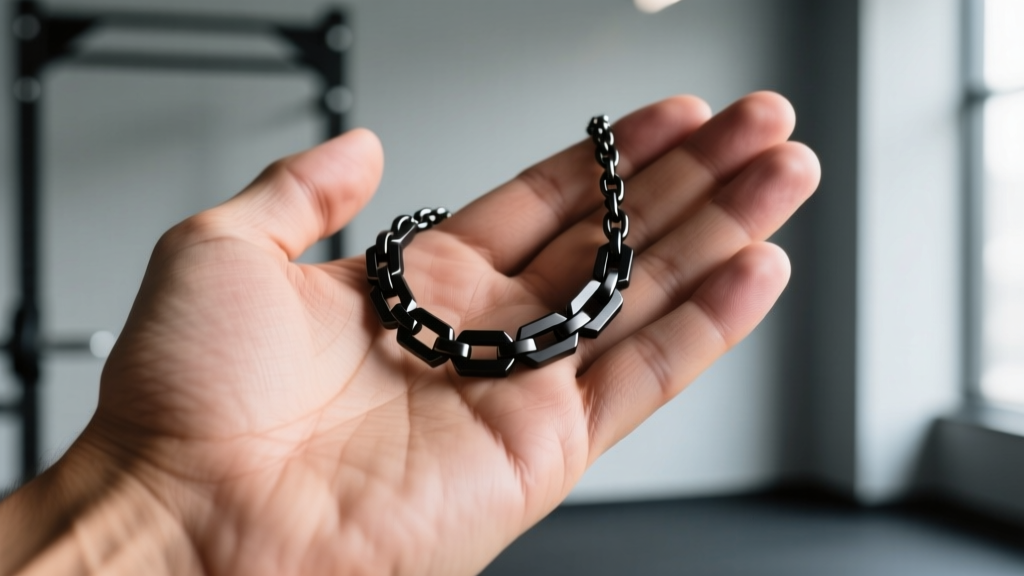
Defining the Weight Training Necklace: Beyond Novelty Pendants
If you have ever searched for what is a weight training necklace, you likely already know the frustration of watching a favorite chain turn green, snap, or ruin your gym equipment. A true weight training necklace is not merely a fashion chain with a dumbbell pendant attached to it. It is a highly specialized piece of jewelry engineered from the ground up to survive the extreme biomechanical and chemical environments of the weight room.
Standard jewelry fails in the gym for three primary reasons: sweat acidity degrades the metals, barbell knurling acts like a file against soft links, and traditional clasps pose a severe snag hazard. A dedicated weight training necklace solves these issues through specific material grades, tensile-tested link patterns, and fail-safe clasp mechanics. Whether you are a powerlifter, a CrossFit athlete, or a bodybuilder, understanding the anatomy of gym-safe jewelry is critical for both your safety and the longevity of your accessories.
The Chemical Battlefield: Sweat, Chalk, and Metal Degradation
The human body produces sweat that contains water, salts, urea, and lactic acid. The pH of sweat typically ranges from 4.5 to 7.0, making it mildly acidic. When this acidic moisture mixes with gym chalk (magnesium carbonate), it creates a corrosive paste that settles into the crevices of your necklace chain.
Material Grades That Survive the Grind
To combat this, you must avoid standard gold-plated brass or sterling silver. Instead, look for these specific material grades:
- Grade 5 Titanium (Ti-6Al-4V): The undisputed king of gym jewelry. It is completely impervious to sweat chlorides, hypoallergenic, and boasts a tensile strength that rivals steel at a fraction of the weight. It will never tarnish, rust, or turn your skin green.
- 316L Surgical Stainless Steel: A highly durable and affordable option. The 'L' stands for low carbon, which increases its resistance to corrosion. However, it can still develop surface oxidation over years of heavy exposure to salt and chalk.
- High-Density Silicone: For tactical or ultra-minimalist lifters, military-grade silicone dog tags offer zero metallic interference, absolute sweat resistance, and a breakaway safety profile.
Expert Insight: Sweaty environments can rapidly degrade inferior alloys and leach nickel, causing severe contact dermatitis, as noted by the Mayo Clinic. Always verify that your steel jewelry is strictly 316L or titanium to avoid nickel exposure.
Clasp Mechanics: The Snag Hazard and Safety Protocols
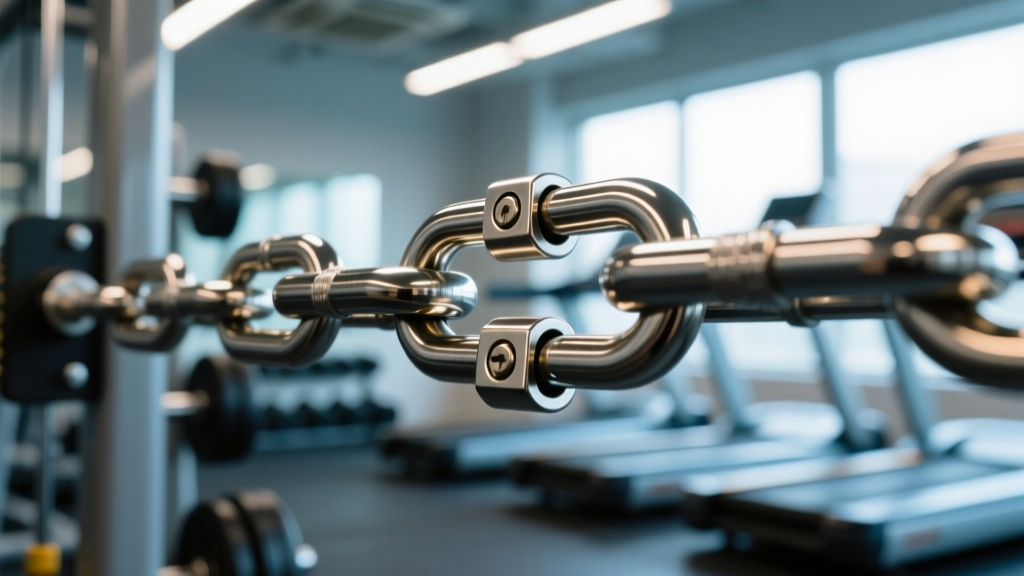
The most dangerous component of any necklace in the gym is the clasp. Traditional lobster clasps feature a small, protruding lever. When you are deadlifting or performing a barbell clean, that tiny lever can easily hook onto the aggressive knurling of the barbell. If the chain does not snap instantly, the sudden force can cause severe neck trauma or damage the barbell's knurl pattern.
Choosing the Right Clasp
When evaluating what is a weight training necklace, the clasp is just as important as the chain. You have two safe options:
- Magnetic Breakaway Clasps: These utilize high-strength neodymium magnets encased in steel or titanium. If the chain catches on a squat rack or barbell, the magnets separate instantly, preventing injury. They are rated for specific pull-force limits (usually 15-30 lbs) to ensure they stay closed during normal movement but yield under dangerous snags.
- Threaded Screw-Lock Clasps: Common in high-end titanium chains, these clasps screw together seamlessly, creating a continuous link pattern with zero protruding levers. They eliminate the snag hazard entirely, though they require you to manually unscrew them to take the necklace off.
Pendant Profiling: Avoiding the Sternum Bruise
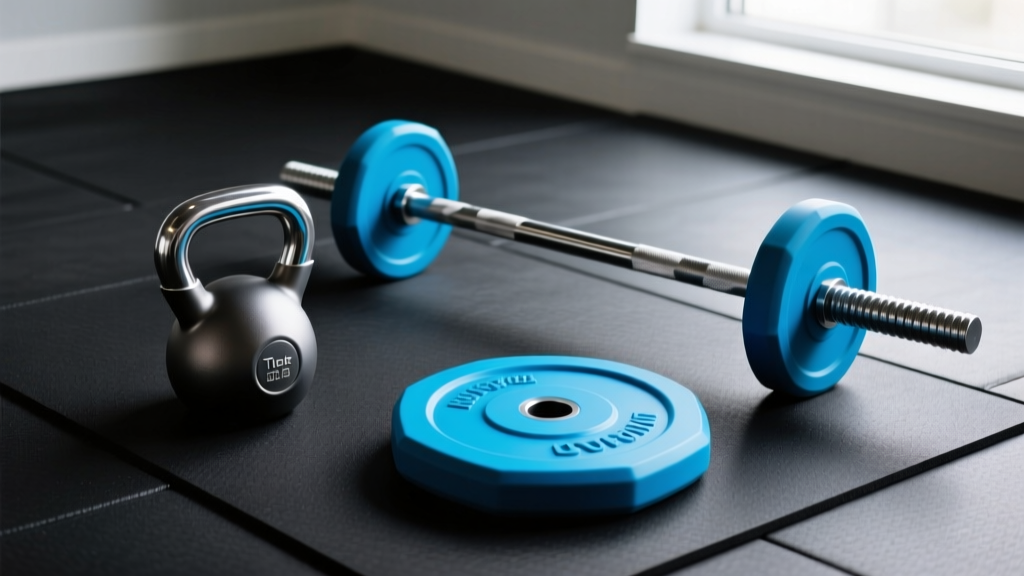
Thematic pendants—such as barbells, kettlebells, weight plates, or powerlifting belts—are incredibly popular in fitness culture. However, the physics of a heavy metal pendant swinging during a dynamic movement can be painful and destructive.
During a bent-over row or a kettlebell swing, a heavy pendant acts as a pendulum. If it swings outward and then snaps back against your chest, it can easily bruise your sternum. Furthermore, barbell knurling is designed to grip skin and chalk, but it acts like a metal file against softer jewelry chains and pendants. Proper equipment care, as outlined by Rogue Fitness, emphasizes avoiding unnecessary metal-on-metal friction, which applies to your jewelry dragging across the bar as well.
Optimal Pendant Specifications
- Weight: Keep pendants under 15 grams. Anything heavier will cause excessive swinging and chain strain.
- Profile: Choose low-profile, flat designs (like a dog tag or a flat-cut weight plate) rather than bulky, 3D kettlebell shapes that can catch on equipment or dig into your collarbone during front squats.
- Edge Finishing: Ensure the pendant has beveled or rounded edges so it does not scratch your skin when you are lying flat on a bench press.
Sizing and Length: The 20-to-22 Inch Rule
Chain length dictates both comfort and safety. A chain that is too short will feel like a chokehold when your neck muscles engorge with blood during heavy sets. A chain that is too long will dangle into your face or catch on your knees during deep squats.
| Chain Length | Gym Performance | Best For |
|---|---|---|
| 18 Inches | Poor: Sits too high, restricts trap expansion, prone to sweat pooling at the base of the neck. | Casual wear outside the gym. |
| 20 - 22 Inches | Excellent: Rests safely on the upper sternum, avoids the barbell path, minimizes pendulum swing. | Heavy lifting, CrossFit, bodybuilding. |
| 24+ Inches | Hazardous: Swings wildly during bent-over rows, high risk of catching on equipment or knees. | Layering over hoodies (not recommended for active lifting). |
Maintenance: Removing Chalk Buildup from Chain Links
Even the best Grade 5 Titanium chains will accumulate gym chalk and dead skin cells in the link crevices over time. This buildup can stiffen the chain and dull its finish.
The Ultrasonic Solution
Do not use harsh chemical cleaners, bleach, or abrasive brushes, especially if your steel chain features a PVD (Physical Vapor Deposition) black or gold coating. Instead, use an ultrasonic jewelry cleaner with a solution of warm water and a single drop of mild dish soap. The high-frequency sound waves will safely dislodge magnesium carbonate and debris from the tightest link gaps without scratching the metal. For quick maintenance, a soft-bristled toothbrush under warm running water after every gym session will keep your chain looking pristine.
Final Verdict: Do You Need a Weight Training Necklace?
Understanding what is a weight training necklace reveals that it is an essential piece of gear for anyone who refuses to compromise between personal style and gym safety. By investing in a Grade 5 Titanium or 316L steel chain with a magnetic breakaway clasp, you eliminate the risk of equipment damage, skin irritation, and sudden chain failure. Stick to the 20-to-22 inch length rule, opt for low-profile pendants, and your necklace will survive every heavy lift, chalky grip, and grueling conditioning session you throw at it.


